Best Coffee Makers for Small Office (2026): Team Guide
Disclosure: We may earn a commission when you buy through links on this page, at no extra cost to you. As an Amazon Associate I earn from qualifying purchases. Learn more
Peak hour speed, cost per cup and who cleans: how to choose the best coffee makers for small office teams of five to fifteen people.
Office coffee fails when the maker suits one person but not the team, or when cleaning falls to nobody. The best coffee makers for small office teams match your team size, your peak hour, and the cleaning effort people will actually sustain. This guide compares maker types side by side so you can choose with confidence.
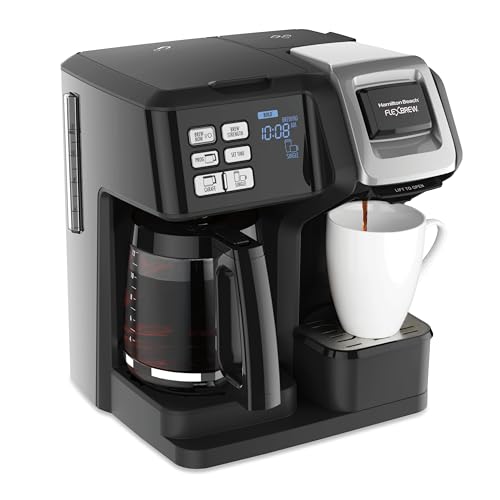
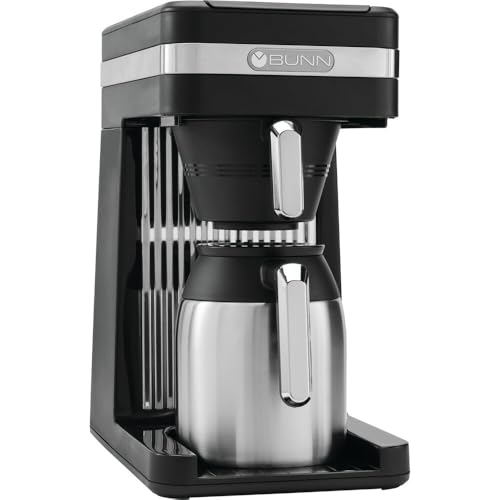
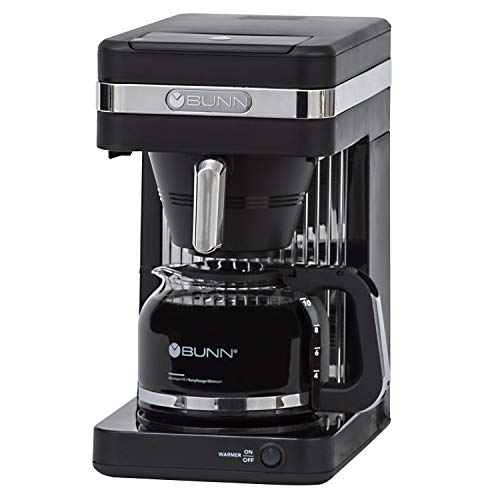
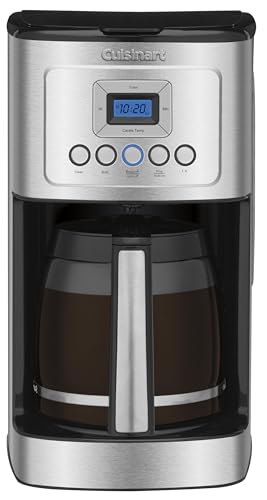
Drip makers, pod brewers, pour over sets, and bean to cup machines each solve a different office problem. Drip suits shared pots, pods suit varied tastes, and bean to cup suits fresh flavor at higher cost. The product table below lists current models, and the sections that follow explain capacity, cost, and care in detail.


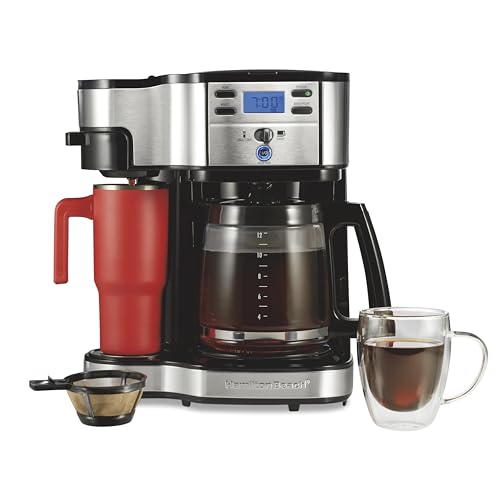
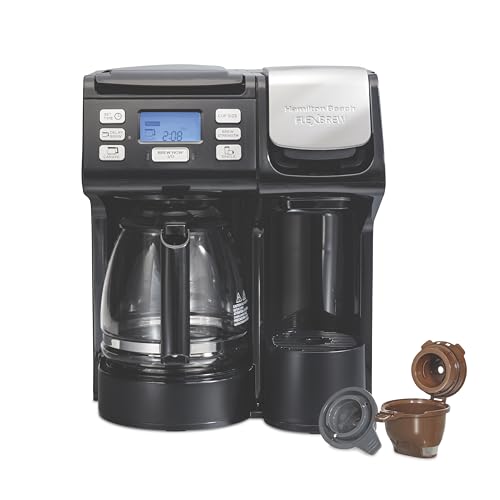


Types of Coffee Makers Compared
Drip makers
Drip makers brew a full pot at once and suit teams that drink at similar times. They cost little, use cheap filters, and keep coffee hot in a thermal carafe. Their weakness is stale coffee when a pot sits too long, so brew smaller pots more often during quiet hours.
Single serve pod brewers
Pod brewers give each person a fresh cup in their chosen flavor and strength. They reduce waste from unfinished pots and end debates about roast. Their weakness is cost per cup and pod waste, which both grow quickly in a busy office.
Bean to cup machines
Bean to cup machines grind fresh beans for each cup and often froth milk for specialty drinks. They deliver the freshest flavor and suit offices that value coffee quality highly. Their weakness is price, noise, and cleaning, since grinders and milk systems need regular care.
Key Features of the Best Coffee Makers for Small Office Teams
Brew speed and recovery
For the best coffee makers for small office use, time a full pot and a single cup during your morning peak, not in an empty kitchen. Slow recovery between brews creates queues and late starts, while fast machines keep the kitchen moving. Thermal carafes hold heat without a hot plate, which preserves flavor and saves energy.
Cost per cup over a year
Multiply daily cups by pod, bean, filter, and descaling costs to see the true yearly bill. Pod offices often spend several times more per cup than drip offices, while bean to cup sits between them. Include replacement carafes and filters, since small parts add up across a year of shared use.
Cleaning effort the team will sustain
Be honest about who cleans the maker and how often that really happens. Simple drip makers need rinsing and descaling, while bean to cup machines need grinder and milk system care. A machine nobody cleans will taste worse within weeks, so choose the simplest option your team will maintain.
Price Tiers and What They Deliver
Makers around $40 to $120 cover drip brewers and basic pod machines for small teams. Makers around $120 to $400 add thermal carafes, programmable timers, and sturdier builds for daily use. Makers around $400 to $1,200 bring bean to cup grinding and milk frothing, which suit offices that treat coffee as a valued perk.
Living With Your Choice Day to Day
Post a one page cleaning rota near the maker and keep descaling solution beside it. Use filtered water to slow scale buildup, and replace carafes at the first chip rather than risking a break. Unplug the maker over long holidays, and never run a machine with a damaged cord or cracked carafe.
Related Guides Worth Reading
If your team is only a few people, best small coffee makers and best small drip coffee makers list compact brewers that fit a shared counter. Tight kitchens will also like best coffee makers for small spaces. For bigger batches, see best coffee pot makers, and for bean to cup and espresso options, best coffee machine makers.
A Final Check Before You Order
Run a two week cup count before buying, tallying morning peaks, afternoon refills, and visitor cups separately. Peaks decide machine size, while totals decide running costs, and the two numbers often point to different machines. A team with a sharp nine o clock peak needs speed, while a team with steady all day drinking needs durability. Real counts beat guesses, and they make the purchase case easier to defend.
Try the shortlist where possible, brewing with your office water and your usual beans or pods. Office water hardness changes taste and scaling, so a showroom brew can mislead. Time a full pot and a single cup during a simulated rush, and ask colleagues to taste blind where opinions divide. A short trial reveals noise, mess, and cleaning effort that spec sheets never mention.
Check parts availability for filters, carafes, and descaling solution in your area, since an obscure machine becomes a liability when a carafe breaks. Widely sold models offer cheap spares and fast delivery, which matters during a busy work week. Note the filter size and carafe model in the office kitchen guide, so anyone can reorder without hunting. Availability keeps coffee flowing when accidents happen.
Write the cleaning rota into the purchase decision, naming who descales, who wipes, and who restocks each week. Rotate duties fairly so one person does not quietly carry the whole burden. Keep descaling solution and spare filters beside the machine, not in a distant cupboard, since convenience decides whether maintenance happens. A rota agreed before purchase survives longer than one invented after problems appear.
Mistakes Worth Avoiding
Do not let one loud coffee opinion override the team, since the person who loves dark roast may not represent colleagues who prefer mild or decaf. Survey tastes quickly and choose a machine that accommodates variety, whether through pods, a second small brewer, or a decaf pot. Coffee democracy prevents daily grumbling and wasted pots. A machine that serves most people well beats one that serves one person perfectly.
Do not brew large pots that sit for hours, since stale coffee wastes beans and disappoints late drinkers. Brew smaller pots more often during quiet periods, and use a thermal carafe to hold heat without a scorching hot plate. Label brew times on the pot so colleagues know when coffee is fresh. Fresh small pots taste better and cost little extra effort.
Do not skip descaling because coffee still tastes fine, since scale builds silently and then causes slow brewing and breakdowns. Set calendar reminders tied to water hardness, and log each descale on the machine. Filtered water slows scale but does not remove the need entirely. Preventive care costs minutes and saves repair bills plus caffeine free mornings.
One More Check Before You Decide
Consider a second small brewer for decaf or specialty drinks when your team includes varied tastes, since one machine rarely pleases everyone. A compact pod brewer beside a main drip machine covers decaf drinkers without brewing a second pot. The extra machine costs little compared with daily frustration over missing options. Variety through a small second brewer often resolves the most persistent office coffee debates.
Frequently Asked Questions
Drip or pod for a small office?
Drip suits teams that drink together at similar times and want low cost per cup. Pod suits teams with staggered schedules and varied tastes, since each person brews fresh. Count your peak hour cups and your yearly pod bill before choosing. Many offices start with drip and add a small pod brewer later for variety.
How big should an office coffee maker be?
Size follows your peak hour, not your headcount alone. A team of twelve that drinks together needs a ten to twelve cup pot or a fast single serve machine. A team that staggers breaks can manage with a smaller maker. Measure counter space too, including lid clearance and room for a carafe beside the sink.
Do bean to cup machines suit small offices?
Bean to cup machines suit offices that value fresh flavor and can commit to regular cleaning. They grind per cup, which avoids stale pots, and they handle milk drinks well. They cost more, run louder, and need descaling plus milk system care. If nobody owns cleaning, a simpler drip or pod maker will serve the team better.
How can an office reduce coffee maker waste?
Use a thermal carafe and brew smaller pots to avoid pouring stale coffee away. Choose reusable pod filters where your machine supports them, and recycle pods where local programs accept them. Buy beans or ground coffee in larger bags to cut packaging. Small habits, like brewing only what the team drinks, cut waste more than any single gadget.
What should an office check before buying?
Check capacity at peak, cost per cup over a year, counter space, power supply, and cleaning effort. Confirm filter and carafe availability, since obscure parts cause long outages. Ask who will descale and clean the maker, and put that rota in writing. A maker that fits your routine will outlast a fancier model that nobody maintains.
Final Thoughts
Let peak hour demand and honest cleaning habits guide your choice, and use the product table above to compare types. The right maker disappears into the office routine instead of becoming a daily frustration. Choose simple, reliable, and easy to clean, and your team will thank you.
Take your time with the final decision, since a thoughtful best coffee makers for small office purchase pays off every time you use it.