Best Coffee Makers for Coffee Snobs (2026): Control, Not Just Convenience
Disclosure: We may earn a commission when you buy through links on this page, at no extra cost to you. As an Amazon Associate I earn from qualifying purchases. Learn more

For picky drinkers: the best coffee makers for coffee snobs compared by temperature stability, pour control, grinders and water quality.
A coffee snob does not want a machine that just makes coffee. The best coffee makers for coffee snobs give you control over water temperature, grind, ratio and brew time, so the character of a good bean comes through instead of being flattened by automation. This guide covers the brewers worth considering, the support gear that matters more than the brewer itself, and the habits that turn expensive equipment into better cups. Compare current models in the product table below as you read.
Before spending, remember that the biggest gains usually come from fresh beans, a good burr grinder and clean water. A premium brewer on stale pre ground coffee will still taste stale, so treat the brewer as the last link in the chain.



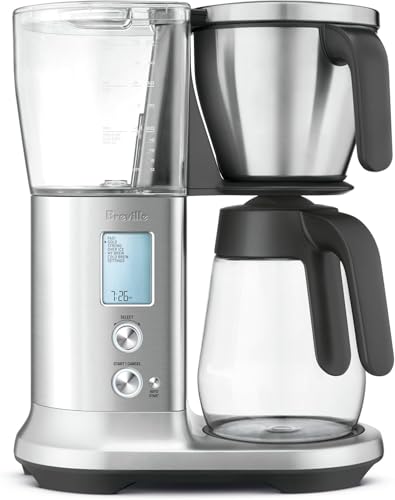
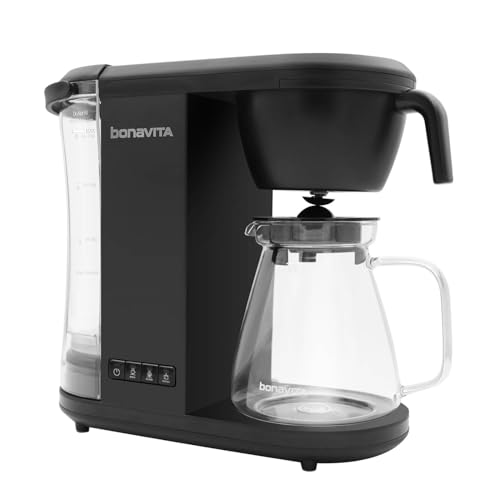

What the Best Coffee Makers for Coffee Snobs Have in Common
Look first at temperature. Good extraction needs water at roughly 195 to 205 degrees Fahrenheit at the grounds, held steady for the whole brew, and many ordinary machines cannot manage that. Brewers certified by the Specialty Coffee Association have been checked against those temperature and timing targets, which makes certification a handy shortlist filter.
Next, look at how the water is delivered. A wide, even spray with a short pause for the bloom wets all the grounds and releases trapped gas, while a single drip point leaves channels and weak spots. Finally, look at what the machine lets you change. Adjustable brew time, ratio guidance and a small batch mode matter more to a snob than a clock or a color screen.
Manual Brewers for Full Control
Pour Over Cones and Chemex Style Carafes
A pour over cone with a gooseneck kettle gives the clearest, brightest cup and costs little. You control the pour rate, the water temperature and the bloom, so every variable becomes a lesson in taste. A Chemex style carafe uses thick paper filters that remove most oils, which gives a very clean cup and suits light roasts. Both need practice, a scale and patience.
Immersion and Hybrid Brewers
A press pot steeps grounds in water for a full bodied cup with more oils, while an AeroPress style brewer mixes immersion with pressure and allows quick experiments with grind and time. Both are forgiving, travel well and are a good way to learn how brew time changes flavor. They suit drinkers who like to tinker at the counter before work.
Electric Brewers Worth the Money
If you want quality without the ritual every morning, a certified electric brewer is the best answer. The better ones use a copper or stainless heating element and a shower head that mimics a careful hand pour, and a thermal carafe keeps the finished pot fresh. Hand built machines with simple controls and long warranties last for many years and can be repaired, which suits buyers who dislike disposable appliances.
Smart brewers with app control add recipes and scheduled blooms, which some enthusiasts enjoy, but the core of the cup still comes from heating and water distribution. Read the specification list carefully, and prefer a brewer that states its brew temperature and brew time rather than a long list of presets. For more formats compared side by side, see best brewing coffee makers.
Espresso for the Dedicated
If espresso is your passion, you are in different territory. A semi automatic machine with a proper portafilter, a steam wand and a separate burr grinder gives control over dose, grind and pressure, but you need to budget for the grinder, a scale, a tamper and time to practice. Many snobs run both a precision drip brewer for weekday pots and an espresso setup for weekends. Compare machines in best coffee machine makers before choosing.
The Support Gear That Matters More Than the Brewer
- Burr grinder: grind evenness and freshness change flavor more than any brewer upgrade.
- Digital scale with timer: weighing beans and water keeps your ratio consistent from day to day.
- Gooseneck kettle: controlled pouring makes manual methods repeatable, and a temperature setting helps with light roasts.
- Filtered water: very hard, soft or chlorinated water dulls flavor and scale harms heating elements.
- Airtight bean storage: buy small bags of recently roasted coffee and store them away from heat and light.
How to Taste and Improve
Change one variable at a time. Brew the same beans at two grind sizes and note the difference, then try a shorter or longer brew, then a slightly different ratio. Sour and thin usually means under extraction, so grind finer or brew longer. Bitter and harsh usually means over extraction, so grind coarser or shorten the brew. Keep short notes for a few weeks and your palate will learn faster than any review.
Clean equipment matters as much as technique. Rinse brewers after each use, wash parts weekly, and descale electric machines on the maker schedule, because old oils and mineral scale both mask delicate flavors. If you also like quick single cups for busy days, best single coffee makers covers the compact options.
Common Mistakes
Even the best coffee makers for coffee snobs disappoint when the basics are wrong. The most common mistake is buying a costly brewer before learning basic technique, then blaming the machine for uneven cups. The second is changing beans, grind, water and ratio at once, which hides the cause of any change. The third is leaving beans in a clear canister on a sunny counter. Fix the inputs first, and upgrade equipment only when you can name the flavor you are missing.
Your Questions Answered
Is an expensive coffee maker worth it for a coffee snob?
Only when it improves temperature stability and water distribution, which are real quality factors. A mid priced certified brewer can match a luxury machine in the cup, so spend more for build quality, repairability, a thermal carafe or features you will use, not for the badge.
Should I buy a separate grinder?
Yes, for most snobs a separate burr grinder is the better path. It grinds more evenly than blade models and most combined machines, lets you pick a different grind for each method, and can be replaced without replacing your brewer.
Does water really change the taste of coffee?
It does, because water is most of the cup. Filtered water with moderate mineral content usually tastes cleaner than heavily chlorinated tap water, while distilled water tastes flat. Start with a simple carbon filter jug and adjust from there.
What roast works best for each brewer?
Light roasts shine in pour over and Chemex style brewers that show off clarity, medium roasts suit most drip machines, and darker roasts work well in press pots and espresso. These are tendencies, not rules, so taste your favorite beans in more than one brewer.
How often should I clean a precision brewer?
Rinse after every use, wash removable parts weekly, and descale every one to three months depending on your water. Clean the spray head when you see slow or uneven flow, because clogged holes cause uneven extraction.
Final Thoughts
Start with fresh beans, good water and a burr grinder, learn one method well, and upgrade the brewer only when you can name the flavor you want to add. Use the product table above to compare models, and choose the best coffee makers for coffee snobs that suit the ritual you enjoy and the counter you have.