Best Coffee Makers for Coffee Lovers (2026): Brew Better at Home
Disclosure: We may earn a commission when you buy through links on this page, at no extra cost to you. As an Amazon Associate I earn from qualifying purchases. Learn more
What coffee lovers should check: brew temperature, even saturation, thermal carafes and grinders in the best coffee makers for coffee lovers.
Coffee lovers notice the details: a pot that tastes thin on Monday and rich on Tuesday, a carafe that scorches the last cup, a brewer that never quite reaches full heat. The best coffee makers for coffee lovers fix those problems by holding water at the right temperature, wetting the grounds evenly and keeping the finished coffee fresh. This guide explains which features change the taste in the cup and which ones only change the price. Use the product table below to compare current models while you read.
Taste starts with the beans and the water, so a better machine will not rescue stale coffee. What it can do is remove the variables you cannot control by hand, which is why serious drinkers care about temperature, saturation and brew time more than about screens and presets.




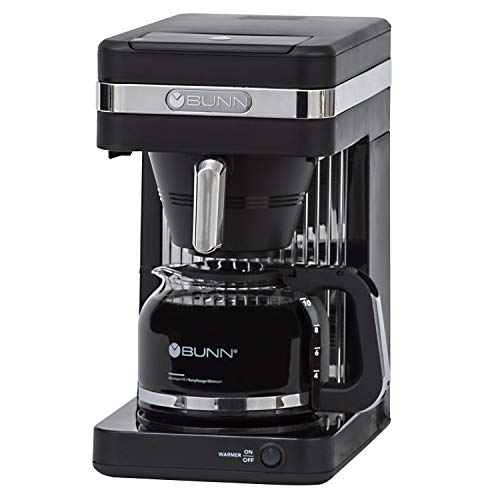
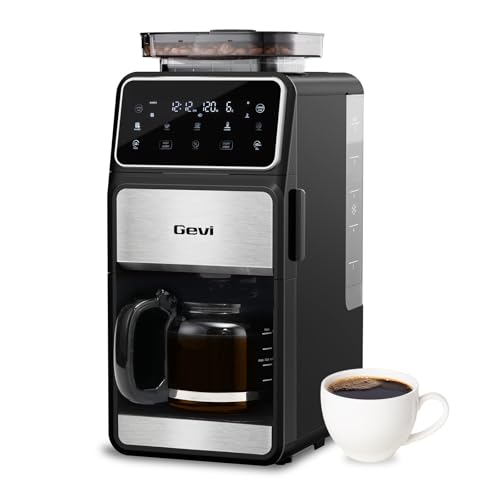

What Makes a Coffee Maker Good Enough for a Coffee Lover
Good extraction happens when water between about 195 and 205 degrees Fahrenheit passes through the grounds for roughly four to six minutes. Many budget brewers run cooler and finish too fast, which leaves coffee sour and flat. Brewers certified by the Specialty Coffee Association are built to meet those temperature and timing targets, and a certification badge in the listing is the quickest shortcut when you shop.
The second factor is how the water reaches the coffee. A wide shower head or a spray arm that covers the whole basket wets every ground, while a single drip point leaves dry pockets and weak spots. A bloom stage, where the machine wets the grounds briefly and pauses before the main pour, releases trapped gas and improves flavor, and it is a feature found on better drip brewers.
Four Types That Suit Different Coffee Lovers
Precision Drip Brewers
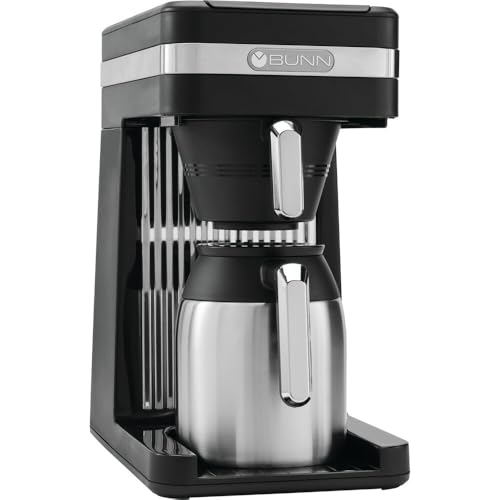
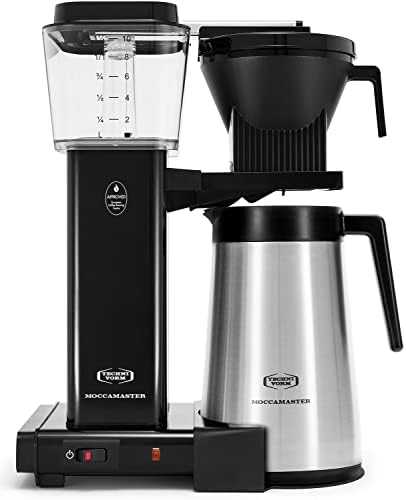
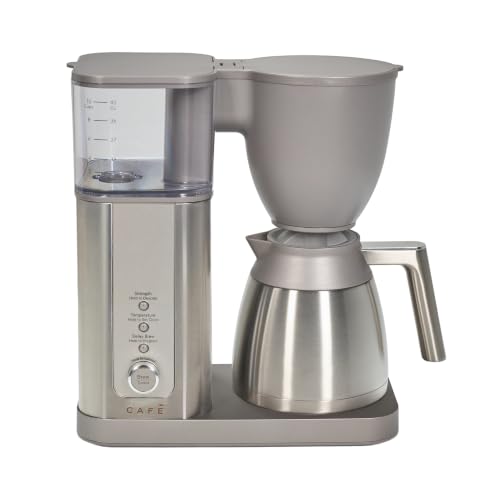
This is the best starting point for most people who love coffee but want a hands off morning. A good precision brewer heats water properly, spreads it evenly and brews a full pot without supervision. Look for a thermal carafe, which holds heat without a plate that cooks the coffee, and a small batch setting so a half pot still tastes balanced.
Pour Over Style Machines
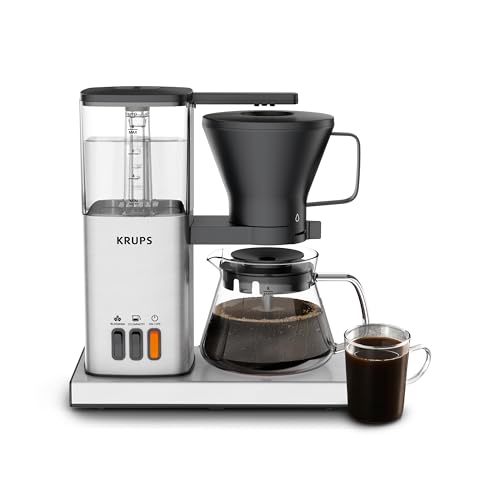
Some electric machines copy a hand pour, with a pulsing spray over a cone filter and a controlled flow. They suit drinkers who enjoy clean, bright flavor and do not want to stand over a kettle. They usually brew smaller batches than a standard drip machine, and the cone filter style needs the matching paper filters in stock.
Grind and Brew Machines
If fresh beans matter most, a model with a built in burr grinder grinds right before brewing, so aroma stays in the cup. The compromise is cleaning, because oils build up in the grinder and the chute, and noise at dawn. Check that the burrs and the bean hopper can be removed and brushed out, and choose a model with a grind size setting rather than a fixed grind.
Espresso Machines for Milk Drinks
Coffee lovers who prefer lattes and flat whites will outgrow any drip brewer. A semi automatic or automatic espresso machine with a steam wand gives real pressure and real foam, but it asks for practice, a good grinder and daily wiping of the wand. Compare machines in best coffee machine makers if espresso is your main goal.
Features Worth Paying For
- Thermal carafe: keeps coffee hot for hours without scorching it, and removes the need for a hot plate.
- Brew strength or bloom control: lets you adjust flavor without changing beans.
- Small batch setting: prevents weak coffee when you brew one or two mugs.
- Removable water tank and parts: makes filling and cleaning quicker, so you actually do both.
- Descale reminder: mineral scale slows heating and lowers brew temperature, so a reminder protects flavor.
Skip features that add cost without changing the cup, such as app control for a basic drip brewer or a color touch screen you will set once. A plain interface with clear buttons wears better than a fancy one.
Water, Beans and Filters
Water is about 98 percent of your cup, so very hard or heavily chlorinated tap water will dull even a top brewer. A simple carbon filter jug helps, and so does descaling on schedule. Use fresh beans from the last few weeks, store them airtight away from heat and light, and measure by weight when you can. A common starting point is about one to two tablespoons of ground coffee for every six ounces of water, then adjust to taste.
Paper filters give a clean cup and trap oils, while a metal filter gives a heavier body and lets more oils through. Neither is wrong, so choose by taste. If you want to compare other brew styles first, our guide to best brewing coffee makers covers the main formats side by side.
How to Choose the Best Coffee Makers for Coffee Lovers on a Budget
You do not need to spend several hundred dollars to brew well. A certified drip brewer in the mid price range often tastes as good as machines that cost twice as much, because the heating and spray design matter more than the housing. Spend more when you want a thermal carafe, a built in grinder or precise strength control, and spend less when you only need a reliable pot. For single mug drinkers who want freshness on demand, see best single coffee makers.
Whatever you pick, measure your counter and check the height with the lid open, because many tall brewers will not fit under upper cabinets. Check that replacement carafes and filters are easy to order, since a broken carafe should not mean a new machine. For a simple batch brewer without extras, best coffee pot makers compares classic pot style models.
Care That Keeps Coffee Tasting Good
Rinse the carafe and basket after each use, since old oils turn rancid and add bitterness to the next pot. Wash removable parts in warm soapy water weekly and wipe the shower head area to keep the spray holes clear. Descale every one to three months depending on your water, using the solution the manufacturer recommends, and run two plain water cycles afterward so no taste remains. Leave the lid open between uses so the tank can dry.
Your Questions Answered
Is an expensive coffee maker worth it for a coffee lover?
It is worth it when the extra money buys better heating, a thermal carafe or a built in grinder you will use daily. It is not worth it for extra programs you will not touch. Fresh beans and clean equipment often improve taste more than a pricier machine, so fix those first.
Should coffee lovers choose a grinder built in or a separate one?
A separate burr grinder usually grinds more evenly and is easier to replace, while a built in grinder saves counter space and automates the morning. If you only brew one or two pots a day, a built in model is convenient, but plan on regular cleaning of the grinder chamber.
How hot should a coffee maker brew?
Aim for water in the range of about 195 to 205 degrees Fahrenheit at the grounds. Many cheaper machines fall short of that range. Certified brewers are designed to reach it, and a thermal carafe keeps the finished coffee near serving temperature without a hot plate.
What size coffee maker should I buy?
Match the pot to what you drink in about an hour, because coffee loses aroma while it sits. A coffee maker cup is only about five ounces, so a 10 cup brewer yields roughly six generous mugs. If you drink alone, an 8 cup brewer or a single serve machine wastes less.
How do I know when to descale?
Descale when brewing slows, the coffee tastes flatter than usual, or white film shows in the tank. Many machines include a reminder light. In hard water areas, descale about every month or two, and in soft water areas every few months.
Final Thoughts
Pick the style that matches how you drink, then judge machines on temperature, even wetting of the grounds and ease of cleaning. Compare models in the product table above, and choose the best coffee makers for coffee lovers that fits your counter, your routine and your budget.