Best Coffee Makers for Campers (2026): What Each Budget Buys
Disclosure: We may earn a commission when you buy through links on this page, at no extra cost to you. As an Amazon Associate I earn from qualifying purchases. Learn more
Compare the best coffee makers for campers by budget, from light pour over cones to steel percolators, with weight, fuel and cleaning tips for camp.
Camp coffee gear spans everything from a $15 pour over cone to powered machines costing several hundred dollars, and price alone will not tell you which one suits your trips. Choosing the best coffee makers for campers starts with how you camp: backpacking weight limits, car camping comfort, and stove or power access all change the right answer. This guide breaks the market into price tiers so you can see what each level really buys you outdoors.
Safety comes before flavor at a campsite. Brew on a stable, level surface away from tent walls and dry grass, and never run a fuel stove inside a tent or enclosed vehicle, because carbon monoxide can build up quickly and without warning. The product table below lets you shortlist by weight, capacity, and fuel type with those basics in mind.
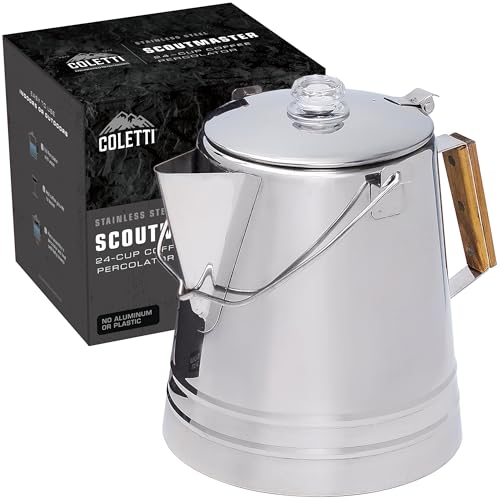

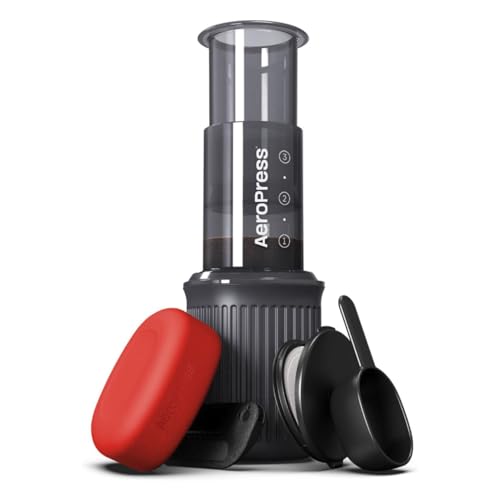

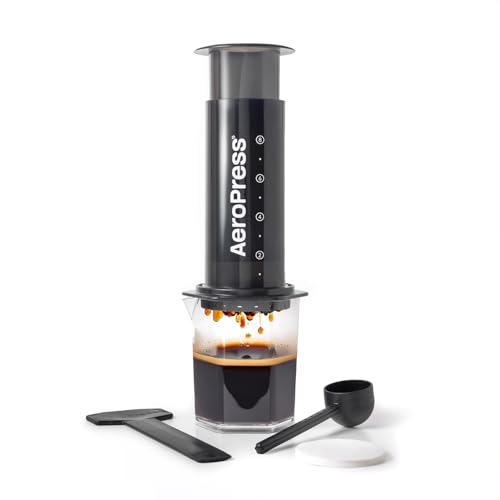


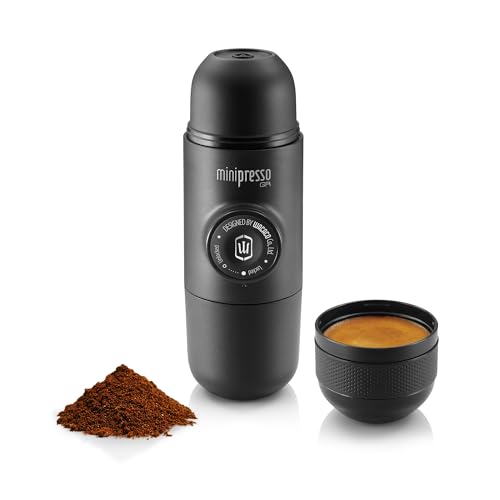
Camp Coffee Gear by Budget
These profiles describe the type of maker that fits each budget rather than naming specific models. Match the profile to your trip style, then confirm weight and packed size on any listing you consider.
Budget Gear: Cones and Presses
Budget gear, usually around $10 to $30, is a pour over cone, a drip cone that sits on a mug, or a simple French press in plastic or steel. These weigh very little, pack small, and need only hot water from your camp stove or kettle. They brew one or two cups at a time, which suits solo campers and couples. The limits are patience and insulation: coffee cools fast outdoors, and grounds disposal takes care. For the price, the flavor per ounce carried is hard to beat.
Midrange Gear: Steel Percolators and Insulated Presses
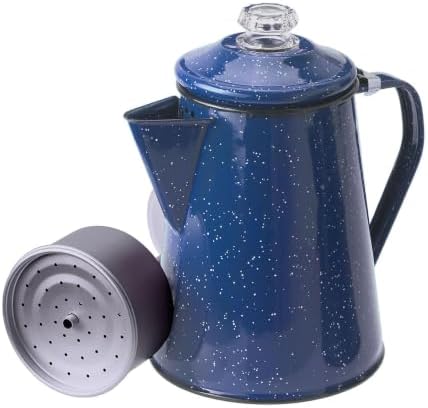
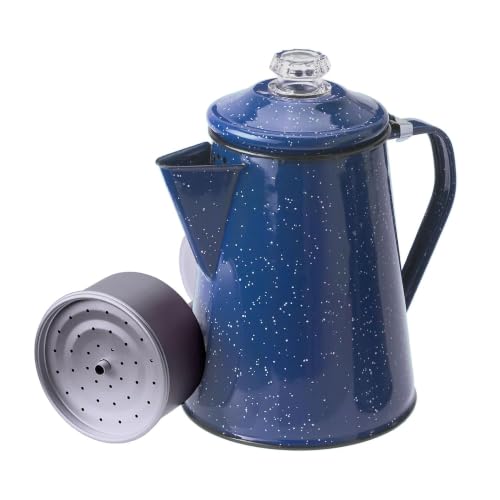
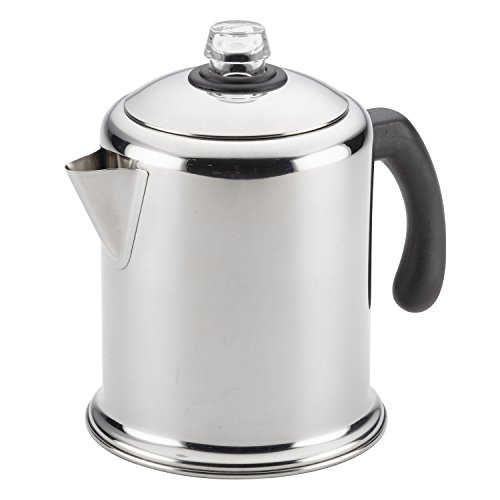
A midrange maker, around $30 to $90, is typically a stovetop percolator or espresso style pot, an insulated press, or a well built manual brewer with a travel case. This tier adds batch size for groups, tougher materials that survive a camp box, and better heat retention on cold mornings. Stainless steel replaces thin aluminum, and handles and knobs stand up to gloves and rough packing. Most car campers and family groups will find this tier covers every trip without feeling basic or fragile.
Premium Gear: Hand Espresso and Powered Brewers
Premium camp coffee, around $90 to $300 and up, means a hand powered espresso maker, a high end insulated press system, or a compact 12 volt or battery powered brewer for vehicle based camping. You gain cafe style drinks at remote sites, faster group service, and gear that lasts for many seasons. The trade offs are weight, packed size, and dependence on power or pressure parts. Backpackers should skip this tier entirely; it belongs to base camps, vans, and overland rigs where payload is generous.
Best Coffee Makers for Campers: What Each Price Tier Delivers
Budget Tier: What to Expect
Budget gear is simple, light, and easy to replace if it is lost or crushed in a pack. Expect basic filtration, thinner walls, and no insulation. Flavor can be excellent with fresh grounds and water just off the boil, because the brewing principles are the same as at home. What you give up is convenience for groups and warmth over a slow morning. For occasional campers and anyone still wondering whether camp coffee is worth the ritual, this tier is the sensible start.
Midrange Tier: The Sweet Spot for Most Buyers
Midrange gear adds durability and capacity, the two things regular campers feel most. Welded steel, insulated walls, and secure lids handle transport and brew enough for a group in one round. Parts such as gaskets and filter screens are usually replaceable, which extends service life across seasons. If you camp six or more nights a year, this tier repays its price in reliability alone, and the coffee stays hot while tents come down around you.
Premium Tier: When Spending More Pays Off
Spending more pays off when coffee is a centerpiece of your trips or when you serve a group daily from a vehicle. Pressure based hand espresso makers produce drinks no percolator can match, and powered brewers remove stove time entirely. Premium insulation also matters on winter trips, where a cheap press goes lukewarm in minutes. It does not pay off for weight sensitive travel, where every extra pound competes with food, water, and warm layers.
Features Worth Paying For (and Ones to Skip)
Pod Cost and Long Term Value
Some travel brewers use pods, and while they simplify cleanup, the cost per cup is high and the waste is awkward where you must pack out all trash. Ground coffee in a sealed tin costs far less, travels well, and leaves only grounds, which many sites still ask you to pack out or scatter per local rules. If you love pod convenience, choose a brewer that also accepts a reusable basket, so you can switch when cost or waste starts to bother you.
Features That Matter for Campers
Among the best coffee makers for campers, weight, packed size, and fuel flexibility matter most outdoors. A maker that works on any camp stove, or needs no stove at all like a cold brew bottle, frees you from one fuel type. Look for a wide, stable base, a lid that pours without dripping down the side, and parts that rinse clean with little water, since water is precious at dry camps. Avoid glass entirely for travel; steel and sturdy plastic survive drops onto rock and gravel. For pot style options at home and camp, see best coffee pot makers.
Brew Temperature and Extraction
Outdoors, water loses heat fast, so preheat your mug and brewer on cold mornings to protect extraction. Aim for water around 195 to 205 degrees Fahrenheit for drip and press brewing; at altitude water boils cooler, which can under extract, so let grounds steep a little longer to compensate. Espresso style pots rely on pressure rather than precise temperature, and they forgive altitude better. A simple habit helps everywhere: start timing when water meets grounds, because guessing outdoors leads to bitter or weak cups.
Brewing Method and Coffee Style
Pour over gives clean flavor and the lightest kit, but needs a controlled pour. A French press gives a rich, full cup and doubles as a serving pot, though grounds cleanup uses water. Percolators brew big batches for groups and handle rough handling, at some risk of over extraction if left bubbling. Espresso style pots make short, strong coffee that stretches with hot water or milk for a group. Cold brew trades heat for time, which suits hot climates and no stove trips. Compare formats further in our best brewing coffee makers guide.
Long Term Costs to Factor In
Camp coffee stays cheap compared with most outdoor gear, but small costs recur. Paper filters, replacement gaskets for pressure pots, and stove fuel add up across seasons, and fuel is the hidden one: a maker that needs a long percolator boil uses far more than one that brews off a quick kettle boil. Grounds and a spare filter screen weigh almost nothing, so carry backups rather than risk a trip without coffee. Quality steel gear bought once usually beats replacing thin gear every couple of years, in both cost and waste.
FAQs
What features matter most in coffee makers for campers?
Durability, weight, and simple cleaning matter most, because camp gear gets dropped, packed tight, and washed with limited water. After that, match capacity to your group and fuel to your stove. One underrated feature is a lid that stays secure while pouring, since a spill at camp often means spilled coffee on gear that cannot go in a laundry machine until you get home.
What grind size works best with a coffee maker?
Use coarse grind for French press and percolators, medium for pour over, and fine for espresso style pots. At altitude or in cold wind, extraction slows, so a slightly finer grind or longer steep can restore balance. Pre grinding at home into a sealed, dated container is the practical choice for most trips, since hand grinding for a group at dawn is slow and noisy.
Can I use regular coffee in a coffee maker?
Yes, regular ground coffee works in presses, percolators, and pour over cones alike. Choose a grind that matches the method and avoid flavored coffee in shared gear, because oils linger in screens and seals. Store grounds in a hard sided, waterproof container; a soaked bag of coffee on day three is a common and preventable camp disappointment.
How often should I descale my coffee maker?
Manual camp brewers rarely need descaling, but rinse and dry them after each trip so oils and moisture do not build up in storage. Powered or vehicle brewers used at home between trips should be descaled every 1 to 3 months like any machine. Storing gear fully dry matters more outdoors, because a sealed damp press can grow mildew between trips.
How long does a coffee maker usually last?
A stainless press or percolator can last a decade or more with gasket and screen replacements, while plastic brewers typically last a few seasons before heat and sun make them brittle. Pressure pot seals are the main wear item and are cheap to carry as spares. Gear stored clean, dry, and out of sunlight between trips lasts noticeably longer.
Is a coffee maker with a built in grinder worth it?
Almost never for camping, because built in grinders add weight, bulk, and a power need that camp setups handle poorly. A small hand grinder is the better fresh coffee option for car campers, and pre ground coffee serves most campers well. If freshness is your priority, our best coffee machine makers overview covers grind focused machines for home use instead.
Is a more expensive coffee maker really worth it?
It is worth it for insulation, build quality, and group capacity you will use every trip, and not worth it for features that need power or delicate parts in the field. Judge by nights camped per year: frequent campers recover a premium price quickly in avoided cafe stops near trailheads, while occasional campers get the same pleasure from a simple cone or press.
Final Thoughts
Match the maker to your trip style, keep it unbreakable, and let fuel and water realities guide the method. The product table above can confirm weights and capacities before you buy. For most people, the best coffee makers for campers choice is a midrange steel brewer that serves the whole group and shrugs off years of camp boxes.