Best Coffee Maker With Hot Water Dispenser (2026): Coffee and Tea in One
Disclosure: We may earn a commission when you buy through links on this page, at no extra cost to you. As an Amazon Associate I earn from qualifying purchases. Learn more

Pick the best coffee maker with hot water dispenser by tank size, spigot height and counter space, so one machine covers coffee, tea and cocoa.
Morning routines rarely run on coffee alone. Someone wants tea, a child wants cocoa, and a bowl of oatmeal needs hot water before the pot has even finished brewing. Choosing the best coffee maker with hot water dispenser lets one appliance cover all of those jobs, so a kettle never has to claim space on your stove or counter.
This guide focuses on fit for real homes rather than long feature lists. It walks through how much counter space you can give up, how many people drink coffee each day, and how often the hot water side will actually run. Use the product table below to match capacity, footprint, and dispenser style to your household before you settle on a budget.
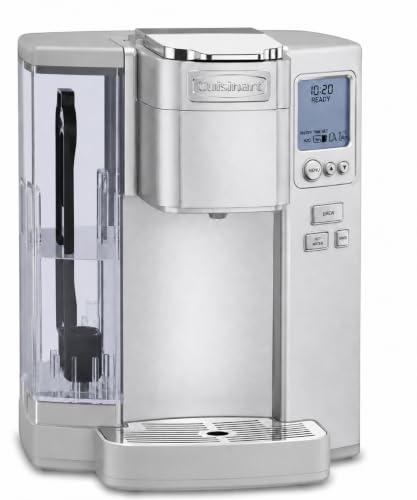


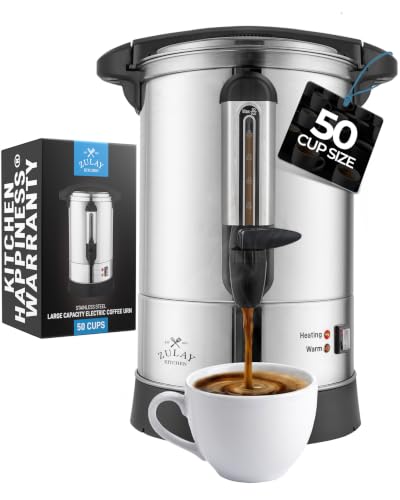
Quick Answer: Three Setup Styles in 30 Seconds
Most models fall into three broad styles, and the right one depends on the balance between pot brewing and plain hot water in your home.
- Full pot drip with a separate spigot: best for families who brew 8 to 12 cups and draw hot water several times a day.
- Dual brewer with a single cup side: best for mixed habits, where one person brews a pot and another wants a single mug.
- Compact model with a small dedicated tank: best for one or two people, tight counters, and light hot water use.
Before You Buy: A Quick Checklist for Choosing a Coffee Maker
Size: Match It to Your Space and Your Drinkers
Capacity labels can mislead you, because a coffee maker cup is usually about 5 ounces rather than the 8 ounces in a measuring cup. A 12 cup pot therefore holds about 60 ounces, which suits four generous mugs rather than twelve small ones. Match the brew size to your household first, then check the hot water tank on its own, because a large pot paired with a tiny dispenser tank means constant refills.
Which Type Fits Your Routine
Standard drip is the natural base for this category, and if you are still weighing formats, see our guide to the best coffee maker for the wider picture. Programmable models start the pot before you wake, while a thermal carafe keeps coffee warm without a hot plate. Glass carafes cost less but need a warming plate that can dull flavor over an hour. Our roundup of the best drip coffee maker options explains those carafe trade offs in more depth.
Features Worth Paying For and Ones to Skip
Worth paying for: a program timer, auto shut off, a readiness light for the dispenser, and tanks you can lift out and carry to the sink. A built in grinder is worth it only if you buy whole beans weekly, and our guide to the best coffee maker with grinder covers that route. Skip a milk frother, since that belongs to espresso drinks, and skip a pod option if nobody in the house drinks pods, because both add cost and cleaning without helping daily brewing.
Brew Temperature and SCA Certification
Good extraction needs water at about 195 to 205 degrees Fahrenheit, held steady through the brew cycle rather than spiking at the start. SCA certification means a model met published standards for that temperature stability and for even water distribution over the grounds, and certified models usually cost more. One limit applies to nearly every dispenser: the spigot pours at one set temperature. That suits black tea and instant foods well, but delicate green tea often tastes better with cooler water from a variable temperature kettle.
Water Reservoir, Filters and Descaling
Designs split into shared and separate reservoirs. A shared tank is simpler and cheaper, but a busy coffee morning can drain the water you wanted for tea, and coffee splashes near the fill area can carry flavor into plain water. Separate tanks keep the two jobs apart and let the dispenser hold its own supply. Also check what the model asks of you over time: paper brew filters, a reusable mesh basket, charcoal water filters that need swapping, and whether a descaling alert tells you when mineral buildup needs attention.
Counter Footprint
Measure width and depth, then measure height with the lid fully open, because many kitchens place the machine under upper cabinets and the lid needs room to swing up for filling. Leave clearance at the spigot side for a tall mug or a mixing bowl, and think about where drips will land during busy mornings. If you are planning the whole station, our guide to the best coffee maker for home setups shows how placement near a sink shortens the refill routine.
Realistic Budget Ranges
At under $100 you get basic drip brewing, a shared reservoir, and a glass carafe, which is fine for light use. From about $100 to $200, expect a separate hot water tank, program settings, and steadier brew temperatures. From about $200 to $350, you pay for thermal carafes, stronger temperature control, larger tanks, and metal housings that shrug off daily knocks.
Three Setup Types Compared
With the checklist in mind, here is how the three main styles stack up for everyday home use.
Full Pot Drip With a Separate Spigot for Most Homes
This is the most balanced layout for families. The brew side handles a full pot for weekends and guests, while the dedicated tank keeps hot water ready even when the pot is empty or mid cycle. You give up the most counter depth to get that balance, and you have two tanks to descale instead of one.
Compact and Dual Use Models for Mixed Habits
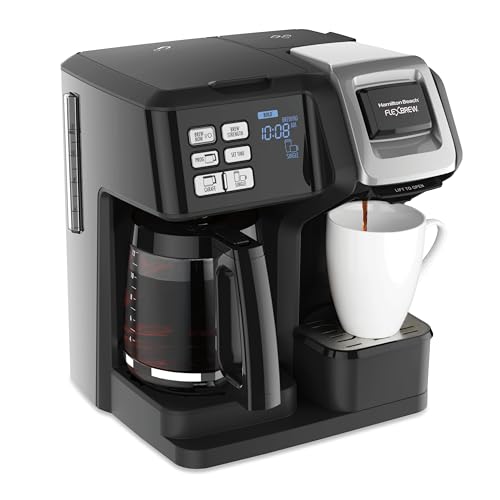
Dual brewers pair a pot on one side with a single cup station on the other, and some route hot water through that second station. They suit homes where weekday habits differ sharply, such as one pot brewer and one person who drinks a single mug before leaving early. The compromise is complexity: more valves, more seals, and more parts to rinse. Compact single tank models go the other way, trading capacity for a small footprint that fits dorm rooms, offices, and spare room coffee corners.
Large Tank Models for Frequent Hot Water Use
If your household runs on tea, instant noodles, oatmeal, and French press top ups all day, tank size matters more than pot size. Look for a dispenser tank that holds at least as much as the brew reservoir, a spigot that pours at a steady rate, and a lock or lever design that small children cannot trigger by accident. These models tend to be the widest in the category, so confirm the footprint early rather than after the box arrives at your door. For church halls and events, a commercial style coffee urn with a hot water spigot serves a crowd better than any home brewer, though it needs far more space and a dedicated outlet.
How This Guide Evaluates These Machines
Our comparisons rest on five criteria: brew quality, temperature stability, ease of use, cleaning and descaling effort, and build quality. We weigh those against manufacturer specifications and patterns in verified buyer reports, such as how often owners mention slow spigots or cracked carafes.
Do You Really Need a Coffee Maker With a Hot Water Dispenser?
An electric kettle is the honest rival here. A kettle heats water fast, often lets you pick a temperature, and costs far less than a combined machine. The dispenser wins on convenience rather than speed: water sits hot and ready, nobody waits for a boil, and there is one less appliance to store. If plain hot water comes up three or more times a day, the combined machine earns its counter space. If it comes up twice a week, a plain brewer plus a kettle is the smarter and cheaper pairing.
Common Buying Mistakes to Avoid
- Buying a 12 cup model for two people, then drinking stale coffee because the pot always outlasts the morning.
- Assuming the dispenser and the brew head share temperature controls, when most spigots pour at a single fixed heat.
- Measuring the machine with the lid closed and finding later that it cannot open fully under your cabinets.
- Ignoring the cost and swap schedule of charcoal water filters when you compare two similar prices.
- Choosing a spigot so low that tall travel mugs and mixing bowls cannot fit under it.
Cost of Ownership and Care
Running costs stay modest but real. Paper filters add a small weekly expense, charcoal cartridges need replacing on the maker schedule, and descaling solution costs less than the heating problems that mineral scale can cause. Wipe the spigot area daily, since dried splashes there are the most visible grime on the machine, and run a plain water cycle through the dispenser after any flavored drink mix passes through it. For the full routine, follow our steps on how to clean a coffee maker and descale both water paths, not just the brew side.
Your Questions, Answered
What is the most reliable coffee maker brand?
No single brand earns that title across every model line, so judge reliability by signs you can check before buying. Look for a warranty of at least a year, replacement carafes and filter baskets that are easy to order, and a maker that sells spare seals for the dispenser tap. A model whose maker still stocks parts for older versions tells you more about long service than any badge on the box.
How do you clean a coffee maker with a hot water dispenser?
Run the descaling cycle through both water paths, because scale forms in the dispenser line just as it does in the brew head. Fill the tanks with your cleaning solution, draw several cups out of the spigot during the cycle, then rinse with two full tanks of plain water. Finish by scrubbing the spigot tip with a soft brush, since residue gathers there and can slow the pour.
Is a coffee maker worth it?
For a household that brews on most days, yes, because the cost per pot at home is a small fraction of cafe prices for the same number of cups. The math turns weak when the machine brews once a week and sits idle otherwise, or when everyone prefers drinks the machine cannot make. Add up your weekly coffee spending honestly, then compare it with the price range that fits your routine.
How long does a coffee maker with a hot water dispenser last?
Most home models serve about 5 to 10 years, with the dispenser seals and the carafe usually wearing out before the heating element does. Warning signs of the end include a spigot that drips between uses, brewing that slows month by month despite descaling, and water pooling under the base. Replacing a worn carafe or seal early can add years, while ignoring a base leak risks damage to the counter below.
Is a coffee maker with a hot water dispenser worth it?
It is worth it when hot water is a daily habit in your home rather than an occasional extra. Homes that make tea with breakfast, instant lunches, and evening cocoa will use the spigot enough to justify the higher price over a plain brewer. One more check helps: if your kettle currently lives out on the counter full time, the dispenser simply absorbs a job you already do every single day.
What is the best coffee maker with hot water dispenser for a busy home?
For a busy home, the best coffee maker with hot water dispenser pairs a separate tank with a program timer, auto shut off, and a spigot placed high enough for travel mugs. Prioritize a carafe size that matches your largest regular gathering rather than a rare party, and choose lift out tanks, since carrying water across the kitchen at dawn gets old fast. Those traits matter more than extra drink presets.
Final Thoughts
Start with your real routine: how many coffee drinkers, how much plain hot water, and how much counter you can truly spare. The product table above pulls those trade offs together, so compare tank layout and footprint before you compare finishes. When the fit is right, the best coffee maker with hot water dispenser quietly removes a daily wait from your kitchen, one mug and one tea cup at a time.