Best Coffee Machines Under 1000: High Budget Guide 2026
Disclosure: We may earn a commission when you buy through links on this page, at no extra cost to you. As an Amazon Associate I earn from qualifying purchases. Learn more
Best coffee machines under 1000: what a high budget really adds, from automation to build and service.
A budget near a thousand dollars opens the door to serious equipment, from automatic espresso machines that do everything at a button press to semi automatic machines that reward skill. The catch is that spending more does not automatically mean better coffee in your kitchen. Choosing the best coffee machines under 1000 means deciding what that money should buy: convenience, control, or build quality that lasts for a decade.
This guide explains what changes at this price, how automatic and semi automatic machines differ, and where the last few hundred dollars help and where they do not. The comparison table below gives a quick overview before the detail begins.


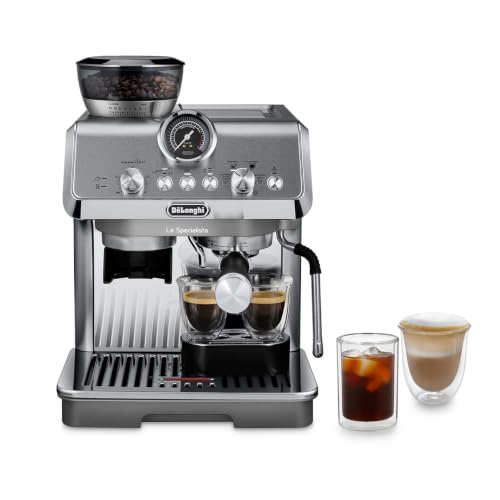
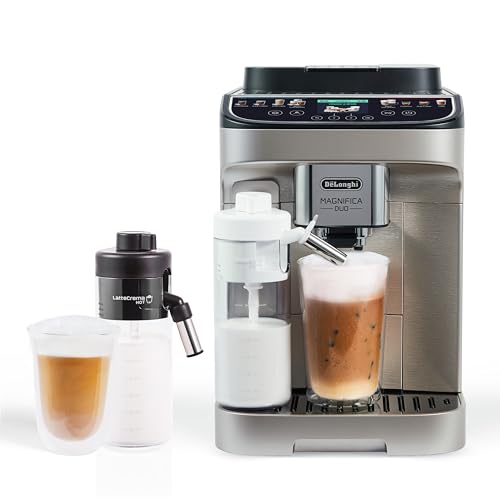


Who Should Spend This Much on a Coffee Machine
This budget suits people who drink espresso based drinks every day and would otherwise spend a large amount at cafes. It also suits households that want one dependable machine for years instead of replacing a cheaper one every two or three. If you drink coffee mostly black, or only a few cups a week, a far cheaper machine will taste as good, and the savings can go into fresh beans.
Ask yourself which you value more: effort free drinks or control. Automatic machines make a good drink in under a minute with almost no skill. Semi automatic machines reward practice with better milk texture and the freedom to adjust every variable, but they ask for time on busy mornings.
Automatic and Semi Automatic Machines Compared
Fully Automatic Espresso Machines
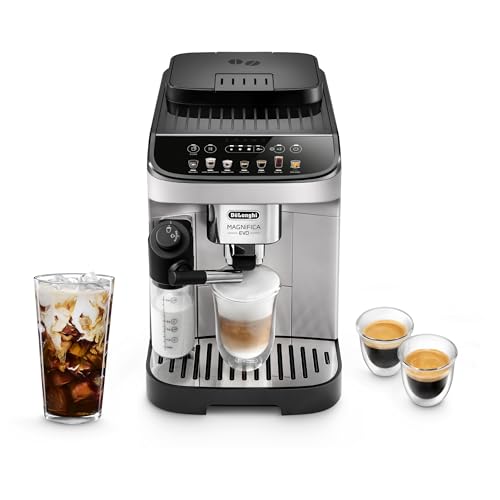
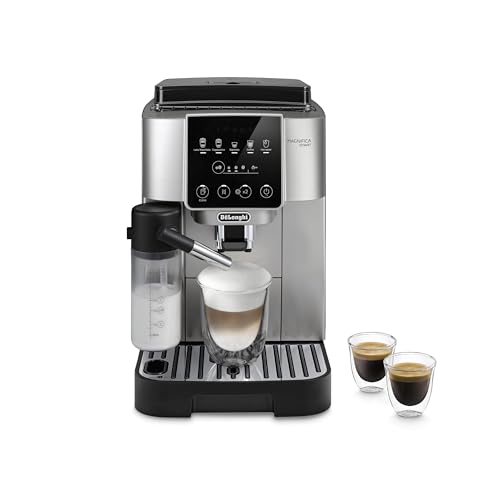
These grind, tamp, brew, and usually froth milk automatically, and many remember your favorite drinks. They are the right answer for busy households and mixed tastes. At this price the better models offer quieter grinders, steadier temperature, and milk systems that rinse themselves. The trade off is less control over each shot and more internal parts to descale and clean.
Semi Automatic Machines With a Grinder
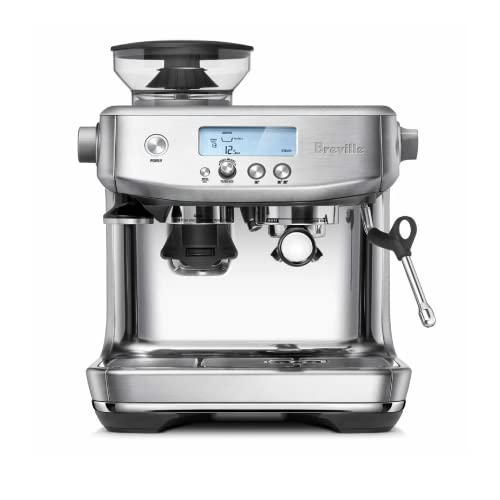
You tamp and start the shot, and you steam milk with a wand. A grinder built into the machine or sold with it keeps the setup compact. This route gives the best drinks for people who enjoy the process, and a well made machine can last many years with care. Expect to spend a few weeks learning to dial in a shot.
Commercial Style and Pour Over Brewers
Some buyers at this budget skip espresso entirely and buy a robust filter brewer, such as a commercial style pour over machine or an automatic pour over maker. These make large amounts of very good black coffee reliably and last a long time, but they do not make espresso or milk drinks.
What the Extra Money Actually Buys
- Temperature stability: better heating systems hold temperature steady between shots, which makes drinks taste the same twice in a row.
- Grinder quality: stronger burrs and more adjustment steps give sweeter shots and more flexibility with beans.
- Milk performance: stronger steam or a better automatic frother produces smoother foam with less waiting.
- Build and parts: metal bodies, standard replacement parts, and longer warranties protect a machine you plan to keep.
- Convenience features: programmable drink sizes, removable brew units, and rinse cycles reduce daily effort.
What It Does Not Buy
A higher price does not fix stale beans, hard water, or a machine that is never cleaned. It also does not guarantee a quieter morning, because grinders are loud at any price. Be wary of long lists of presets and screens, which add cost without improving the cup. Spend on the grinder, the heating system, and the milk system first.
Fit, Water, and Daily Care
Machines in this range are heavier and larger than entry models, so measure the counter, the height under cabinets, and the space needed to remove the water tank. Use filtered water if your tap water is hard, and descale on the maker schedule, because scale damages the parts that cost the most to replace. Rinse milk systems after every use, empty the grounds and drip tray daily, and brush the grinder chute weekly. Good care is what lets an expensive machine earn its price over many years.
Choosing by Household and Routine
A busy family of four that wants lattes and cappuccinos on demand will be happiest with a fully automatic machine, ideally one with a removable brew unit and a milk system that rinses itself. A couple that treats coffee as a hobby will enjoy a semi automatic machine and a quality grinder, and will enjoy the learning. Someone who drinks mostly large cups of black coffee should consider a pour over brewer at this budget and spend the savings on good beans. Match the machine to the morning you actually have, since a machine that is awkward to use will sit idle, however good it is.
Mistakes to Avoid With Best Coffee Machines Under 1000
- Spending the whole budget on the machine and leaving nothing for beans, filters, and descaler.
- Choosing a semi automatic machine and then using it only when there is time.
- Buying an automatic machine with a milk system you will not rinse.
- Ignoring service and parts availability on a machine you want to keep for a decade.
- Paying for presets and screens instead of grinder and heating quality.
Related Guides
If a smaller budget would do, compare best coffee machines under 500 and best coffee machines under 100. For machine types in depth, see best espresso coffee machines, and for brand and service background see best coffee machine makers.
Frequently Asked Questions
Is a machine under 1000 good enough for daily espresso?
Yes. This budget covers excellent home machines, both automatic and semi automatic. Good espresso depends as much on fresh beans, a decent grinder, and regular cleaning as on the machine itself.
Automatic or semi automatic at this price?
Choose automatic for convenience and consistent drinks with little effort. Choose semi automatic if you enjoy learning and want finer control over shots and milk texture.
Should I buy a built in grinder or a separate one?
A built in grinder saves space and keeps the setup simple. A separate grinder usually offers finer adjustment and can be upgraded without replacing the machine. Pick by counter space and how much tuning you enjoy.
How much should I budget for running costs?
Plan for beans, filters, descaler, milk, and occasional seals or brew unit parts. Machines with standard consumables are cheaper to own than ones with unusual parts, so check availability before you buy.
How long should a machine at this price last?
With regular descaling and cleaning, many last well beyond ten years, and a longer warranty on the pump and boiler is worth having. Machines with standard parts and available service last longer than those without.
Final Thoughts
Decide whether you want effortless drinks or manual control, then check temperature stability, grinder quality, and the milk system. Compare the options in the product table above, and keep part of the budget for beans and care. Chosen this way, best coffee machines under 1000 deliver years of cafe quality drinks at home.