Best Coffee Machines for Small Spaces: Compact Kitchen Guide 2026
Disclosure: We may earn a commission when you buy through links on this page, at no extra cost to you. As an Amazon Associate I earn from qualifying purchases. Learn more

Best coffee machines for small spaces: compact machines compared by footprint, storage and brew style.
A small kitchen, dorm room, studio apartment, or office corner leaves little room for guesswork when you buy a coffee machine. The confusing part is that compact models come in several very different types, each with its own footprint, routine, and flavor profile. This guide to the best coffee machines for small spaces compares those types plainly, so you can match one to your counter, your cabinets, and the way you actually drink coffee.
Start by measuring, not browsing. Note the width and depth of the spot you have, plus the height under your cabinets, because many machines need extra inches of clearance to open a lid or remove a tank. The comparison table below then lets you check dimensions across options in one view.




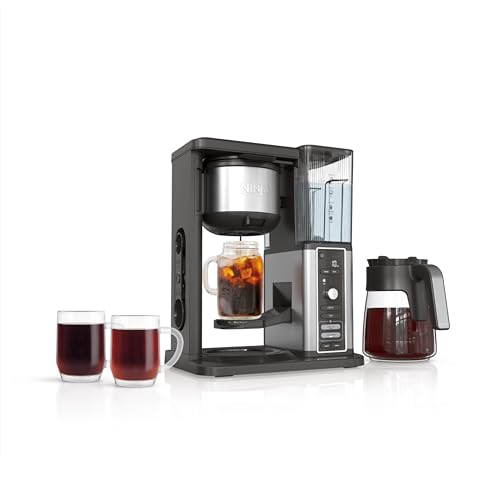

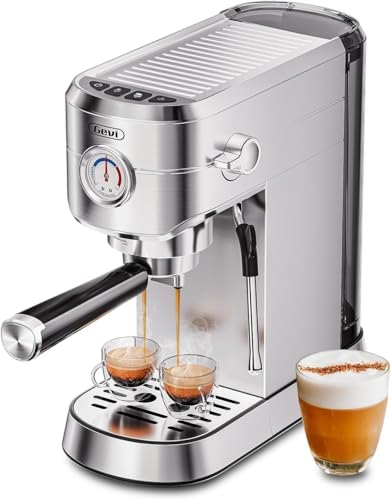
Types of Coffee Machines Compared
Four types dominate the compact category. Drip makers brew the largest batches, pour over brewers take the least room, grind and brew machines trade size for freshness, and percolators offer simple, sturdy brewing with no paper filters. Prices range from around $20 for a basic pour over setup to around $300 or more for a compact grind and brew model.
Drip Coffee Makers
Drip makers heat water and shower it over ground coffee in a filter basket, collecting the brew in a carafe. Compact versions brew about 4 to 5 cups and can be as narrow as 6 to 8 inches wide. The strengths are convenience, a programmable timer on many models, and coffee that stays ready for a household. The weakness is counter depth, since the carafe pulls forward and the lid needs headroom. Choose this type if two or more people drink coffee at the same time each morning.
Pour Over Brewers
A pour over brewer is a simple cone or dripper that sits on a mug or small carafe while you pour hot water in slow circles. It stores in a drawer, costs very little, and gives you precise control over strength and temperature. The trade off is effort: you need a kettle, a few minutes of attention, and one cup at a time patience. This type suits a single drinker who enjoys the ritual and wants the smallest possible footprint. Our look at best small coffee machines covers other tiny formats worth comparing.
Grind and Brew Machines
Grind and brew machines combine a burr grinder and a brewer in one housing, so beans go in whole and coffee comes out freshly ground. Flavor is a real step up, and you skip storing a separate grinder, which itself would claim counter space. The cost is size and noise: these are usually the tallest compact machines, and grinding at dawn is loud in a studio apartment. Pick this type if freshness matters more to you than silence and you have the vertical clearance.
Percolators
Percolators cycle boiling water up through a tube and over the grounds repeatedly, on a stovetop or with a built in electric element. They are durable, need no paper filters, and small models brew 4 to 6 cups while taking modest space. The downside is control, because the water runs hotter than ideal and can over extract, giving a harsh cup if left perking too long. They suit campers, cabins, and anyone who wants a machine with almost nothing to break. For brand background across types, see best coffee machine makers.
Drip Coffee Makers vs Pour Over Brewers: Which Should You Choose?
These two cover most small space shoppers, so compare them directly. On volume, drip wins easily, brewing several cups at once while pour over makes one or two. On space, pour over wins, since it stores away completely. On effort, drip wins again, because you press a button and walk away. On flavor control, pour over leads, letting you adjust water flow and temperature precisely. On running cost, pour over is cheaper to buy but needs filters and a kettle. Choose drip for shared mornings and pour over for solo, deliberate brewing. If your small space is a workplace, our guide to the best coffee machines for small office adds shared use considerations.
How to Choose the Right Coffee Machine
Brewing Method and Coffee Style
Your preferred drink should narrow the field fast. If you love large mugs of mild coffee, drip or percolator brewing fits. If you enjoy strong, concentrated coffee, a compact espresso style machine uses little counter space per cup, though it needs more skill. Single serve pod machines are the most compact automatic option, but pod storage eats the space you saved. Cold brew makers need fridge room instead of counter room, which can be the smartest trade in a tiny kitchen.
Features That Matter for Small Spaces
Look for a footprint under about 8 inches wide, a water tank you can fill without moving the machine, and a cord that stores neatly. A removable tank matters because sliding a machine out from under cabinets every morning gets old fast. Auto shut off protects a small home if you leave in a hurry. Bonus value comes from parts that nest or stack, such as a carafe that stores inside the brewer footprint during the day.
Built In Grinder vs Pre Ground
A built in grinder saves the space a separate grinder would need, and burr models give even grounds and better flavor. Pre ground coffee keeps the machine smaller, cheaper, and quieter, and it is fine if you buy small bags often and store them sealed. In a small space, also think about smell and mess: grinding produces stray grounds that travel across a tiny counter. Many people land on a compact hand grinder stored in a drawer as the middle path.
Build Materials (Plastic vs Stainless vs Glass)
Plastic housings keep compact machines light and affordable, and BPA free plastics are standard on parts that touch water. Stainless steel costs more, resists stains and odors, and survives being moved around a small kitchen. Glass carafes look clean and show the brew level at a glance, but they break more easily in tight sinks. A thermal carafe avoids a hot plate and keeps coffee warm, though it hides how much coffee is left.
Measuring for Size and Portability
Measure three numbers before ordering: width, depth with the carafe handle included, and height with the lid fully open. Leave about 2 inches behind the machine for the cord and steam. Tape the footprint on your counter for a day to see how it affects cooking space, a simple check that prevents most regrets. If you plan to store the machine between uses, weigh it too, since a heavy model will quietly become permanent.
Care and Maintenance Tips
Small machines suffer faster from scale because their water passages are narrow, so use filtered water to protect flavor and reduce buildup. Descale every 1 to 3 months depending on water hardness, following the maker directions for your model. Clean the carafe, basket, and any steam wand after each use, and wipe the exterior weekly, since splashes show more in a compact kitchen. Once a month, run a plain water cycle and check seals and lids for cracks that tight storage can cause. That care keeps the best coffee machines for small spaces brewing well.
Frequently Asked Questions
What features matter most in coffee machines for small spaces?
Footprint, tank access, and open lid height matter most, because a machine that does not fit your routine will not get used. After fit, prioritize auto shut off and easy descaling. One feature people overlook is a short cord or cord storage, which keeps a small counter from turning into a tangle and makes the machine easier to move for cleaning.
Is a more expensive coffee machine really worth it?
Sometimes, yes, when the extra money buys better temperature control and a sturdier build that lasts for years in daily use. It is not worth it when the premium only adds app controls or a larger display. In small spaces, also weigh replacement cost: a compact machine you can afford to replace may be a smarter buy than a costly one you would dread damaging.
What grind size works best with a coffee machine?
Medium grind, like coarse sand, suits most drip machines, while pour over often shines with a medium fine grind and espresso needs fine. If the cup tastes sour, grind finer or slow your pour; if bitter, go coarser. Small brewers are sensitive to dose, so weigh your coffee for a few days until the ratio feels automatic.
How often should I descale my coffee machine?
Descale every 1 to 3 months in most homes, and closer to monthly if your tap water leaves white deposits on a kettle. Compact machines with narrow tubing clog sooner, so do not wait for slow brewing to remind you. Using filtered water stretches the interval and also improves taste, which matters more in small batches where every cup counts.
How long does a coffee machine usually last?
A compact home machine typically lasts three to five years with regular descaling, and simple pour over or percolator gear can last far longer because there is little to fail. Heat and scale do most of the damage. Storing a machine in a cupboard between uses protects it from grease and steam from cooking, which can quietly shorten its life.
Wrapping Up
Measure first, pick the type that matches your mornings, and keep the feature list short. The product table above can confirm dimensions before you order. For most small kitchens, the best coffee machines for small spaces choice is the one that fits with room to spare and still brews the style you love.