Best Coffee Machines for Small Office: Team of 5 to 20 Guide 2026
Disclosure: We may earn a commission when you buy through links on this page, at no extra cost to you. As an Amazon Associate I earn from qualifying purchases. Learn more

Best coffee machines for small office: a machine for five to twenty people that stays clean and affordable to run.
An office coffee machine serves many people with different tastes, often in a morning rush before meetings. The best coffee machines for small office use balance speed, capacity, and easy cleaning, since a machine that brews slowly or clogs often will frustrate the whole team. This guide walks through the choices that matter for a team of roughly five to twenty people.
Small offices usually need a machine that can brew a full pot or several single cups quickly, then sit idle without wasting energy. Pod machines offer variety with little mess, while plumbed or large drip machines suit heavy use at lower cost per cup. The comparison table below outlines the main types, and the sections that follow explain how to match one to your office routine.


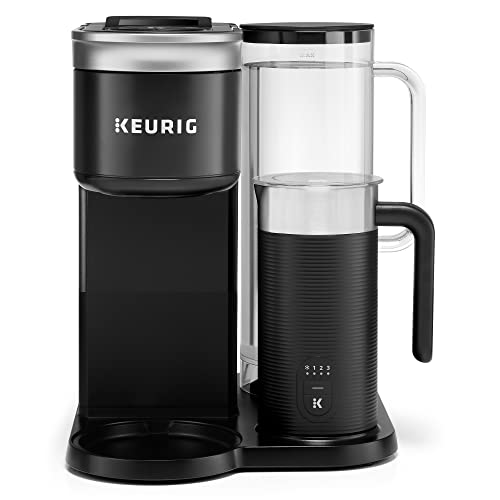
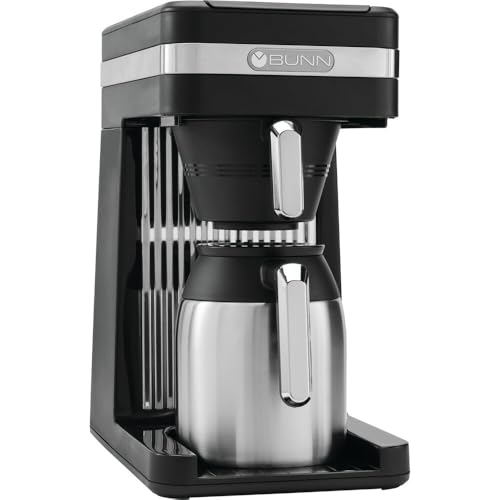
Who Should Buy Coffee Machines for a Small Office
Small teams with varied tastes
Pod and capsule machines let each person choose strength and flavor without brewing a pot nobody wants. They cost more per cup and create more waste, but they reduce arguments about roast and strength. Keep a small recycling or disposal station nearby so used pods do not pile up on the counter.
Busy offices with heavy use
A large drip brewer or a plumbed bean to cup machine handles back to back cups better than single serve pods. Drip machines cost less upfront, while bean to cup machines grind fresh for each cup and need regular cleaning. Count your daily cups honestly, since a machine rated for light home use will wear out fast under office demand.
Key Features to Compare
Capacity and brew speed
Check how many cups the machine brews per cycle and how long a full cycle takes during the morning peak. A ten to twelve cup carafe suits teams that drink together, while single serve suits staggered schedules. Recovery time between brews matters too, since a slow reheating boiler creates a queue.
Running costs and maintenance
Add up pods, filters, beans, descaling solution, and replacement parts over a year, not just the purchase price. Pod costs add up fastest, while bean to cup machines need grinder cleaning and milk system care. Choose a model your team will actually descale and wipe down, since neglected machines brew worse coffee and break sooner.
Space, power, and water
Measure counter depth, height under cabinets, and clearance for opening lids and carafes. Plumbed machines need a water line and a drain plan, while tank machines need a nearby sink for refills. Check the power draw and circuit load, especially if the kitchen shares a circuit with a microwave or kettle.
Price Tiers and What They Deliver
Machines around $100 to $250 usually cover drip brewers and basic pod machines for light office use. Machines around $250 to $600 add larger capacity, faster brewing, and sturdier builds for daily team use. Machines around $600 to $1,500 bring bean to cup grinding, plumbed water, and programmable profiles, which pay off only when daily volume is high.
Living With Your Choice Day to Day
Assign a simple weekly cleaning rota so descaling, carafe washing, and drip tray emptying do not fall to one person. Use filtered water to reduce scale buildup and improve taste, and keep spare filters and pods stocked. Never leave a hot plate on all day unattended, and unplug the machine during long holidays to reduce fire risk and energy waste. A rota like this keeps the best coffee machines for small office teams dependable.
Related Guides Worth Reading
Readers weighing nearby options often look at best small coffee machines next, since it covers a closely related choice in more detail.
If you want to compare a related category before deciding, best office coffee machines walks through the key differences.
For a different angle on a similar buying decision, best coffee machine makers is worth a look alongside this guide.
Shoppers who narrow their shortlist here often check best espresso coffee machines to see how a related option compares.
When you are ready to explore adjacent choices, best coffee machines for small spaces explains what changes with a different use case.
A Final Check Before You Order
Survey your team before buying, asking how many cups each person drinks, when they drink them, and whether they prefer black coffee, milk drinks, or decaf. A team that drinks together at nine in the morning needs a fast large brewer, while a team that staggers breaks can manage with single serve. Note any dairy free or decaf needs, since a machine that ignores part of the team breeds resentment. A five minute survey prevents a machine that pleases only the person who ordered it.
Map your kitchen space honestly, including counter depth, overhead clearance, sink distance, and power outlets. A tall bean to cup machine may not fit under wall cabinets, and a plumbed machine needs a water line that some rented offices cannot add. Check the circuit load with the building manager, since a coffee machine plus a microwave on one circuit trips breakers at the worst moment. Space and power constraints often narrow the choice faster than features do.
Price a full year of running costs with your real cup count, including pods or beans, filters, descaling solution, and replacement carafes. A cheap machine with dear pods can cost more within months than a dearer machine with cheap beans. Include milk costs if your team drinks milk based coffee, since milk dominates the bill for latte lovers. Present the yearly total to whoever approves the purchase, so the decision survives budget scrutiny.
Assign cleaning ownership before the machine arrives, with a visible rota and a stocked cleaning kit beside the machine. Descaling reminders, drip tray emptying, and carafe washing all need named owners, or they quietly stop happening. A simple log sheet on the wall keeps standards visible and fair. Machines with clear ownership last longer and taste better, while orphaned machines decline within weeks.
Mistakes Worth Avoiding
Do not buy for peak capacity you will never use, since an oversized commercial machine wastes counter space, energy, and cleaning effort in a small team. Likewise, do not buy a home machine for office duty, since it will wear out under daily team use and cost more in replacements. Match the machine class to your real daily cups, with a modest margin for visitors. Right sizing beats both overspending and underbuying.
Do not ignore water quality, since hard water scales boilers, slows brewing, and dulls flavor within months. Filtered water or a softening filter protects the machine and improves taste noticeably. Descale on schedule even when coffee still tastes acceptable, since scale damage accumulates silently. A small filter habit saves expensive repairs and keeps morning coffee consistent.
Do not place the machine where spills and steam damage paperwork or electronics, and never run it on an overloaded power strip. Keep the area clear, wipe spills promptly, and unplug the machine during long office closures. Check cords and carafes for damage during cleaning, since a chipped carafe or frayed cord deserves immediate replacement. Small safety habits protect both the machine and the people who use it.
Frequently Asked Questions
How many cups per day should an office machine handle?
Count actual daily cups for two typical weeks, including visitors, then add a margin of about twenty percent. A team of ten moderate drinkers may need thirty to forty cups a day, which suits a large drip brewer or a bean to cup machine. Single serve pods handle staggered drinking well but slow down badly during a morning rush. Choose capacity for your peak hour, not just your daily average.
Are pod machines too expensive for an office?
Pods cost more per cup than beans or ground coffee, often several times as much, so heavy offices feel the difference quickly. They save time, reduce mess, and cut waste from half empty pots, which can justify the premium for small teams. For larger teams, a bean to cup or large drip machine usually costs less per cup within a year. Run the yearly math with your real cup count before deciding.
Should a small office choose a plumbed machine?
Plumbed machines remove tank refills and suit offices with a nearby water line and steady high volume. They cost more upfront and need professional installation plus a filter change schedule. Tank machines offer flexibility for rented spaces and smaller teams, since you can move them freely. Choose plumbed only when volume and plumbing both support it.
How often should an office coffee machine be cleaned?
Wipe drip trays and carafes daily, wash milk parts after each use where fitted, and descale every one to three months depending on water hardness. Follow the maker guide for cleaning cycles, since skipped descaling slows brewing and dulls flavor. Keep a simple log on the machine so everyone can see when the last clean happened. A clean machine also lasts longer and tastes better.
What safety checks matter for office coffee machines?
Place the machine on a stable, heat resistant surface away from paper stacks and with clear ventilation. Check cords for damage, avoid overloaded power strips, and never run a damaged machine. Empty drip trays before they overflow, and teach new staff how to stop a brew safely. If the machine smells of burning, trips a breaker, or leaks near electrics, unplug it and have it checked.
Final Thoughts
Count your peak hour cups, price the yearly running costs, and choose the simplest machine your team will actually clean. The product table above can narrow the types, but office habits decide the winner. A reliable midrange machine beats a fancy one that nobody maintains.
Measure twice, compare the running costs honestly, and your best coffee machines for small office choice should serve you well for a long time.