Best Coffee Machines for Black Coffee: Clean Cup Guide 2026
Disclosure: We may earn a commission when you buy through links on this page, at no extra cost to you. As an Amazon Associate I earn from qualifying purchases. Learn more
Best coffee machines for black coffee: steady heat, even water spread and fresh beans decide a clean plain cup.
Black coffee leaves nowhere to hide, so the right best coffee machines for black coffee must brew evenly and hold a steady temperature. Milk and sugar can mask uneven extraction, but a plain cup shows bitterness, sourness, and staleness at once. The comparison table below can help you compare brewer types before you settle for a machine that only shines with flavoured drinks.
Temperature stability matters most, since water that is too cool under extracts and water that is too hot scorches the grounds. Even water distribution matters next, because dry patches in the bed brew weakly while flooded spots over extract. A machine that handles both gives a clean, sweet cup from ordinary beans, which is the whole point of drinking coffee black.


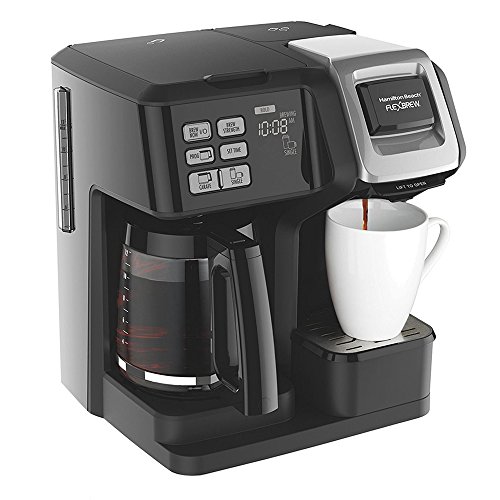


Who Should Buy a Black Coffee Machine
A dedicated black coffee machine suits drinkers who take coffee plain most days and care about clarity over foam. Pour over style brewers, good drip machines, and simple espresso machines without milk systems all serve this drinker well. If you mostly drink milky coffee, a machine with a strong steam system matters more than the fine points of black extraction.
Black coffee drinkers also benefit from smaller brewers when they brew one or two cups, since large pots left on a hot plate turn bitter. Single cup and small batch brewers keep each cup fresh, while a thermal carafe holds a larger pot without cooking it. Think about your usual batch size first, since it shapes the best brewer type more than any feature list.
Key Features Worth Comparing
Temperature and Extraction
Look for a brewer that heats water to a steady range and holds it there through the whole brew, not just at the start. Showerhead design matters, since a wide, even spray wets all the grounds while a single stream leaves dry patches. Pre infusion or bloom settings help too, letting gas escape from fresh grounds before the main pour. These details sound small, but they decide whether a black cup tastes clean or muddled.
Brewer Type
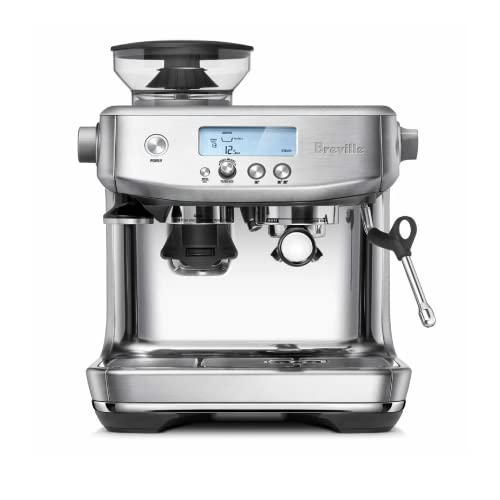
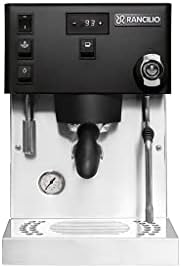
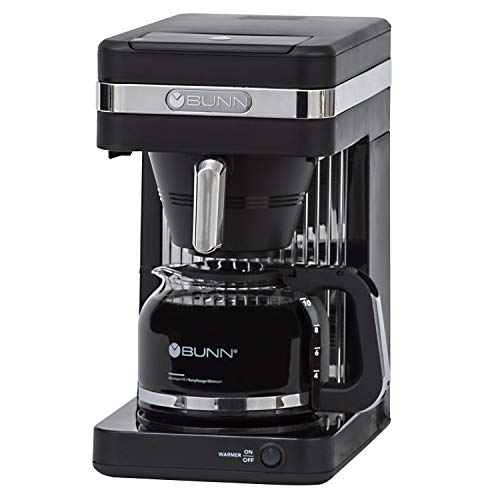
Drip machines suit households that brew several cups at once and want a simple routine. Pour over brewers give the most control over pouring and timing, but they ask for more attention each morning. Espresso machines make a concentrated black coffee that suits small cups, though they need more skill and cleaning. Choose the type that matches your patience in the morning, since the best brewer is the one you actually use well.
Carafe and Warming
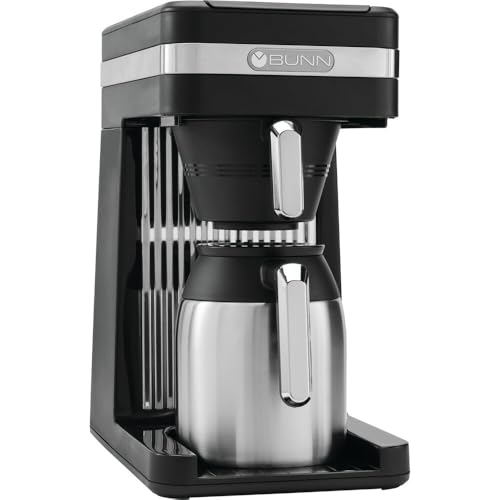
A thermal carafe keeps coffee hot without a hot plate, which protects flavour over an hour or more. Glass carafes on hot plates stay warm too, but the heat keeps cooking the coffee and adds bitterness over time. If you drink the pot within twenty minutes, either works fine, so do not pay extra for a feature you will not use. For slow mornings, thermal is the clear winner for black coffee.
Getting the Most From Your Machine
Use fresh beans, a medium grind for drip, and clean water, since black coffee shows water quality plainly. Descale on the maker schedule, because scale lowers temperature and slows flow, which muddies flavour. Rinse the carafe and brew basket after each use, and wash them properly weekly to remove oils that turn rancid. Taste with the same beans for a week after any change, so you learn what each adjustment really does.
Mistakes to Avoid
The most common mistake is leaving brewed coffee on a hot plate for hours, which turns a good pot bitter and stale. Another mistake is using old pre ground coffee and blaming the machine, when fresh beans would fix the cup. Finally, do not chase extra features like milk frothing if you drink black, since they add cleaning without improving your daily cup. Spend on temperature stability and even extraction instead, which is where the best coffee machines for black coffee earn their price.
Related Buying Guides
Related guides: best coffee machine makers compares brands and support, best espresso coffee machines suits concentrated small cups, best drip coffee machines covers batch brewers, and best grinder coffee machines helps if you want fresh grounds. For beans themselves, see best black coffee.
Living With a Black Coffee Brewer
Daily black coffee brewing rewards a steady routine of fresh beans, clean water, and prompt drinking. Grind or buy beans in small amounts, brew only what you will drink within the hour, and rinse the brewer after each use. These small habits matter more for black coffee than for milky drinks, since plain coffee shows staleness and dirt plainly. Over weeks, the routine becomes automatic and the cup stays consistently clean.
Bean exploration adds pleasure to black coffee, since different origins and roasts show clearly without milk to mask them. Try a lighter roast for bright, fruity notes and a medium roast for balanced sweetness, noting what suits your palate. Keep a simple log of beans, grind, and taste, so you can repeat pots you love and avoid ones you did not. Black coffee drinking becomes a tasting hobby as much as a morning habit.
Seasonal changes affect black coffee too, since summer calls for iced versions and winter for larger hot pots. A brewer that handles both hot and cold preparation adds value across the year, though dedicated cold methods taste best for iced coffee. Adjust grind slightly with bean age, going finer as beans stale to maintain extraction. Small seasonal tweaks keep the cup enjoyable all year rather than merely adequate.
A Final Check Before You Order
Before ordering, decide your usual batch size, since single cup brewers suit solo drinkers while larger pots suit households. Check temperature claims against independent feedback, since maker claims vary and real brewing temperature decides flavour. Look at carafe type too, favouring thermal over hot plate if you drink slowly. Measure counter space and cupboard clearance, since tall brewers frustrate in low kitchens.
Consider water quality in your area, since hard water scales machines faster and dulls flavour. A simple filter jug helps, and a brewer with a built in filter adds convenience. Check descale alerts and cleaning access, since a brewer that is hard to clean soon tastes stale. Read the warranty length as a signal of maker confidence, especially for heating elements that work hardest.
Budget for fresh beans and a grinder if you do not own one, since these shape flavour more than brewer extras. Keep the receipt and box for a trial week, tasting the same beans daily to judge the brewer fairly. If the cup stays bitter or sour after grind adjustments, the brewer may be at fault rather than your technique. A careful final check protects both money and mornings.
Frequently Asked Questions
What type of machine makes the best black coffee?
The best type depends on your routine, since good drip machines, pour over brewers, and simple espresso machines can all make excellent black coffee. Drip machines suit larger batches with little effort, pour over brewers give the most control for single cups, and espresso machines make a concentrated black cup. What matters most is steady temperature, even water distribution, and fresh beans, not the brewer category alone. Choose the type you will use carefully every morning.
Why does my black coffee taste bitter?
Bitterness usually comes from over extraction, stale beans, or coffee left cooking on a hot plate. Grinding too fine, brewing too long, or using water that is too hot all pull harsh compounds into the cup. Old beans and dirty equipment add stale, rancid notes that milk would hide but black coffee shows plainly. Try a coarser grind, fresh beans, and a thermal carafe, and clean the brewer before you blame the machine.
Does water quality matter for black coffee?
Yes, water quality matters a great deal for black coffee, since water makes up most of the cup and carries flavour directly. Very hard water can dull acidity and leave scale in the machine, while very soft water can taste flat. Filtered tap water usually gives a clean result, and many brewers include a simple filter. Descale regularly as well, since scale lowers temperature and changes extraction over time.
Should I buy a machine with a grinder built in?
A built in grinder saves counter space and grinds fresh for each pot, which suits busy mornings. Separate grinders usually grind more evenly and are easier to clean or replace, so they suit drinkers who care most about cup quality. If you choose a built in grinder, check that it grinds evenly at medium settings and opens for cleaning. Either option works well when the grinder is burr based and kept clean.
How often should I clean a coffee machine?
Rinse the carafe and brew basket after every use, and wash them properly at least weekly to remove coffee oils. Descale every one to three months depending on water hardness and maker guidance, since scale harms temperature and flow. Wipe the showerhead and reservoir opening regularly, because grounds and dust collect there. A clean machine brews hotter and tastes cleaner, so cleaning is part of flavour, not just hygiene.
Final Thoughts
For black coffee, temperature stability, even extraction, and fresh beans matter more than milk features or fancy programs. A simple brewer that does those three things well will beat a complex machine that does them poorly. Use the product table above to compare brewer type, carafe, and temperature control.
Keep the machine clean, use fresh beans, and drink the pot while it is fresh. With those habits, best coffee machines for black coffee becomes a short daily ritual that rewards you with a clean, sweet cup every morning.