Best Coffee Machines for Coffee Lovers: Guide for Enthusiasts 2026
Disclosure: We may earn a commission when you buy through links on this page, at no extra cost to you. As an Amazon Associate I earn from qualifying purchases. Learn more
Best coffee machines for coffee lovers: machines that reward good beans, with grinder, temperature and care explained.
People who love coffee notice what casual drinkers miss: the sour edge of a shot pulled too fast, the flat taste of beans that have sat open for a month, the way a clean machine changes a morning cup. The best coffee machines for coffee lovers reward that attention by giving you control over grind, water temperature, dose, and brew time, instead of hiding those choices behind a single button.
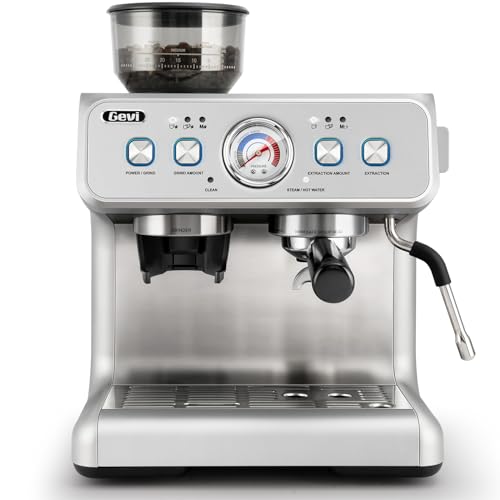
This guide explains which kinds of machine suit an enthusiast, what each one asks of you every day, and where extra money improves the cup and where it only improves the look of the counter. The comparison table below shows the main types side by side.




Who Should Choose an Enthusiast Machine
A machine built for control suits someone who already buys whole beans, tries different roasters, and is happy to adjust a recipe. It also suits a household where one person makes drinks for everyone and enjoys the process. If you want a drink with no steps and no cleaning, a simpler machine will make you happier, because a capable machine used carelessly makes worse coffee than a basic one used well.
Think about how you drink most days. Mostly milk drinks point toward a good steam wand or an automatic milk system. Mostly black coffee points toward espresso or a precision filter brewer that holds an exact temperature. Many enthusiasts end up with two machines: a pressure machine for slow weekends and a quick brewer for weekdays.
Machine Types Coffee Lovers Compare
Semi Automatic Espresso Machines
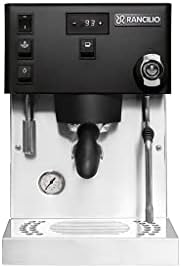
You grind, dose, tamp, and start the shot yourself, and you steam milk by hand. This gives the most control and the best milk texture, and it rewards practice with drinks that rival a good cafe. Expect to need a separate grinder unless the machine includes one, and expect a few weeks of adjusting before shots taste consistent. Choose this type if the craft is half the pleasure.
Espresso Machines With a Built In Grinder
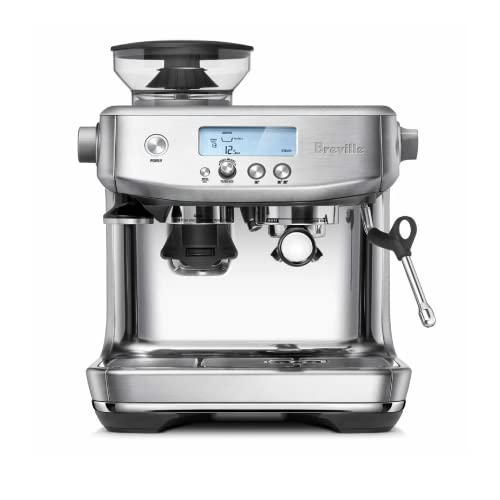
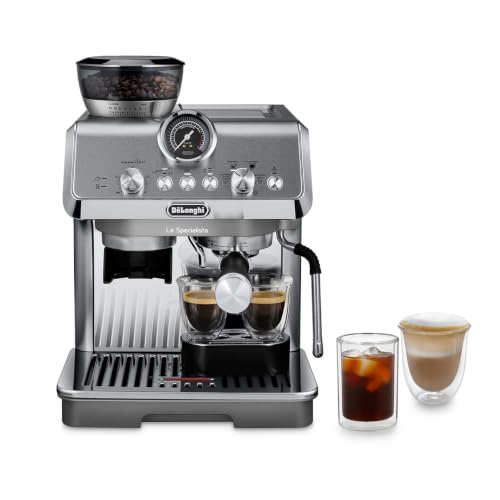
These put the grinder and brewer in one body, which saves counter space and shortens the learning curve because the two parts are matched. The trade off is that a built in grinder is harder to clean and upgrade than a separate one, so check that the burrs are accessible and the grind adjusts in small steps. This is a sensible middle path for people who want real espresso without building a bench of equipment.
Capsule Espresso Machines
Capsule machines suit weekday mornings, because a drink takes a minute and cleanup is a rinse. Freshness and variety depend on the capsule system you buy into, and you give up control over grind and dose. Many coffee lovers keep one for speed and use a manual machine when time allows.
Precision and Smart Filter Brewers
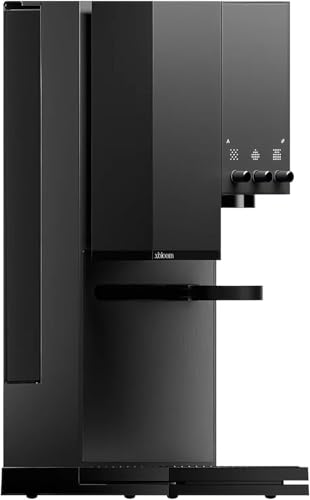
Some filter machines now hold water temperature steady, pre wet the grounds, and let you set the coffee to water ratio with a dial or an app. They make clear, sweet black coffee in larger amounts, and a few include a grinder and scale. They do not make espresso or milk drinks, so they suit drinkers who prefer filter coffee and want it repeatable.
Features That Change the Cup
- Grinder quality: even particles and small adjustment steps matter more than any other feature, because a poor grind limits every other part of the machine.
- Temperature stability: a machine that holds heat steady between shots and through a full brew tastes more consistent than one that swings.
- Gentle pre infusion: wetting the grounds before full pressure reduces harsh, uneven extraction.
- Steam strength: milk drinkers need dry steam with quick recovery, so a second latte is as good as the first.
- Water handling: a removable tank, a filter option, and clear descaling alerts protect both taste and the machine.
Beans, Water, and Routine
The machine is only half of the cup. Buy beans in small bags you will finish within a few weeks, store them sealed away from light and heat, and grind just before brewing. A simple scale helps you repeat a recipe, and a note of dose, time, and taste turns guesswork into learning. If a shot tastes sour, grind finer or lengthen the brew. If it tastes bitter and dry, grind coarser or shorten it.
Water matters quietly. Very hard water leaves scale that slows heating, while very soft water can taste flat. A filter jug or the filter built into some machines keeps flavor clean and cuts descaling work.
Cleaning and Care That Protect Flavor
Coffee oils turn rancid fast, so enthusiast machines reward steady care. Rinse the group head and portafilter after each session, wipe and purge the steam wand after every milk drink, and empty drip trays daily. Backflush or run the cleaning cycle on the maker schedule, and descale when the machine asks. Brush the grinder chute weekly so stale grounds never mix with fresh beans. Ten minutes of care at the end of a week protects the next week of drinks.
Mistakes When Choosing Best Coffee Machines for Coffee Lovers
- Spending everything on the machine and keeping a weak grinder, which caps quality from the first cup.
- Buying for features such as screens and presets instead of grinder, temperature, and steam.
- Choosing a complex machine for a rushed routine, then using it only on weekends.
- Ignoring counter height and tank access until the machine arrives.
- Skipping descaling and cleaning, which dulls taste faster than cheap beans do.
Related Guides
For pressure machines in more depth, see best espresso coffee machines, and for filter brewing see best drip coffee machines. If grinding is your priority, best grinder coffee machines compares built in options, best small coffee machines helps on a tight counter, and best coffee machine makers looks at brand support.
Frequently Asked Questions
Is an espresso machine or a filter brewer better for a coffee lover?
It depends on what you drink. Espresso suits strong small drinks and milk drinks and gives the most control, but it needs practice and cleaning. A precision filter brewer suits people who drink larger cups of black coffee and want repeatable results with little effort. Many enthusiasts own both.
Do I need a separate grinder?
A separate grinder usually offers finer adjustment and is easier to clean or replace, so it suits people who enjoy tuning. A built in grinder saves space and keeps the learning curve gentle. Either works when the grinder uses burrs and is cleaned regularly.
How often should I descale?
Follow the machine alert and the maker guidance, and descale sooner in hard water areas. Scale slows heating, weakens steam, and changes taste long before a machine fails, so do not wait for slow brewing to remind you.
How fresh should my beans be?
Most people find beans taste best within a few weeks of roasting and a couple of weeks after opening the bag. Buy smaller amounts more often, keep them sealed, and grind only what you need for each drink.
Is a more expensive machine always better?
No. Price often buys better temperature control, steam power, and build, which are worth having if you drink daily. It does not fix stale beans or a dirty machine. Spend first on the grinder and fresh beans, then on the machine.
Final Thoughts
Choose by how much control you want, how often you will use it, and how much care you will give it. Compare the machine types in the product table above, then weigh grinder quality, temperature stability, and cleaning effort before looks or presets. Get those right and best coffee machines for coffee lovers become the quiet centre of a better morning routine.