
Best Coffee Grinder for Pour Over for 2026: A Guide for Real Homes
Disclosure: We may earn a commission when you buy through links on this page, at no extra cost to you. As an Amazon Associate I earn from qualifying purchases. Learn more

Learn how to choose the best coffee grinder for pour over, with guidance on burr type, grind size, dose, footprint and budget for cleaner cups.
Picture a quiet kitchen where one person brews a single cone while everyone else is still asleep, and the grounds are either dusty and bitter or clean and sweet. Choosing the best coffee grinder for pour over removes that guesswork, because pour over brewing exposes uneven grounds more clearly than most methods. A steady medium grind, simple adjustments, and a calm routine will improve your cup more than extra features you rarely touch.
This guide helps you choose by counter space, household size, and what you want to spend now and later. You will find the main grinder types, the settings that matter, realistic budgets, and three buying profiles instead of product picks. Start with the product table, then use the checklist to match each row to your kitchen.


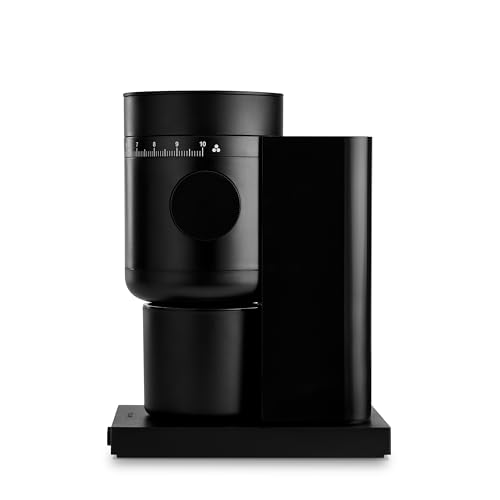


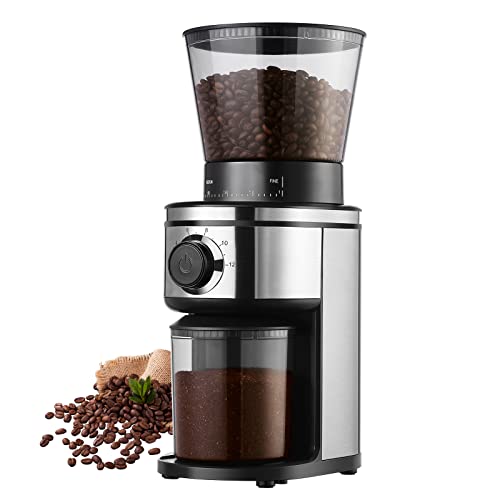
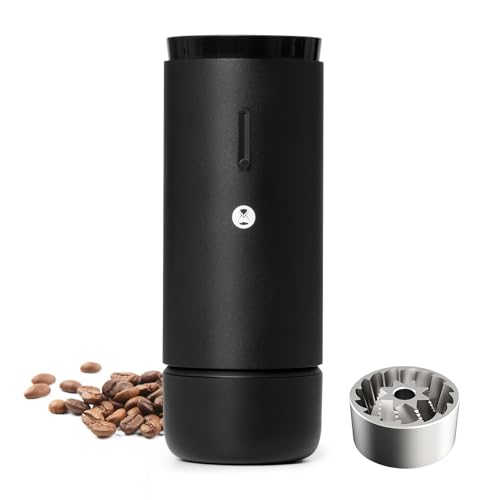


Quick Answer: Three Buying Profiles in Brief
Most homes fall into one of three groups, and your group tells you which specs deserve your money.
- Everyday electric profile: A burr grinder with a clear dial, a modest footprint, and enough range for cone and flat bottom brewers suits most small homes.
- Tight budget profile: A simple burr grinder or a good manual grinder with a repeatable medium range can beat a larger machine with vague settings.
- Long term upgrade profile: Fine adjustment steps, low grounds retention, and replaceable burrs make sense if you brew daily and change beans or brewers often.
Before You Buy: A Quick Checklist for Choosing a Grinder for Pour Over
Which Grinder Type Fits Your Routine
Burr grinders crush beans between two abrasive surfaces and produce far more even grounds than blade grinders, which chop beans into mixed dust and chunks that extract at different speeds. That evenness is why a burr design is the standard advice here, and our guide to the best burr coffee grinder explains the broader category in detail. An electric model grinds a full dose in seconds and suits larger brewers, while a manual model is small, quiet, and fine for one cup. If you brew several methods at home, our general guide to the best coffee grinder helps you weigh a shared machine against one chosen mainly for pour over.
Conical Burrs, Flat Burrs, and What Changes in the Cup
Conical burrs sit one inside the other and are common in compact home grinders, while flat burrs face each other and are common in larger designs that aim for a very even particle size. Many drinkers find flat burr cups taste a touch clearer and conical burr cups taste a touch rounder, but adjustment quality and bean quality usually matter more than burr shape alone. If you want the full comparison, read our breakdown of conical vs flat burr grinder designs and how each handles cleaning and retention.
Grind Size and Consistency in the Middle Range
Pour over usually calls for a medium grind, roughly like coarse sand, with medium fine settings for small single cup cones and medium coarse settings for larger brewers. What matters is not the label on the dial but whether small moves make small, predictable changes, so you can fix a sour cup by going finer or a bitter cup by going coarser, one notch at a time. Consistency also means limiting fines, the tiny particles that slow water flow and add bitterness and a muddy texture. A best burr grinder for pour over earns that label in the medium range, not at its finest setting.
Brew Water, Temperature, and What a Grinder Cannot Fix
Water for pour over is usually poured at about 195 to 205 degrees Fahrenheit, and a gooseneck kettle helps you control flow and wet the grounds evenly. Your grinder does not heat water or fix a fast and uneven pour, so do not pay for grinder features that promise to solve those problems, and keep kettle and filter costs in a separate budget line. What the grinder controls is how evenly that water extracts flavor, since mixed grounds create slow spots and fast channels in the same brewer.
Counter Footprint and Daily Storage
Measure before you fall for a wide machine with a tall hopper. Note the depth from wall to counter edge, the clearance under your cabinets, and whether the cord and outlet force the grinder into a corner where the dial is hard to reach. A compact grinder you can pull forward, dose, and push back will get more use than a larger one that makes mornings awkward. Think about noise too, since a loud electric grinder at dawn is a real cost in a shared home.
Realistic Budget Ranges
Under $50, expect manual grinders and basic electric burr models with limited settings and mostly plastic builds. About $50 to $100 usually buys a more usable electric burr grinder for daily brewing, with a clearer dial and a larger grounds bin, while about $100 to $200 is where adjustment range, build quality, and ease of cleaning improve in ways you notice each week. About $200 to $300 tends to add finer control, lower retention, and parts that are easier to replace. Above about $300 you pay for precision and refinement rather than a basic jump in cup quality, so keep some budget aside for a scale and filters as well.
Three Buying Profiles and What to Prioritize
Profile One: One or Two People Brewing Once a Day
Your priority is a repeatable medium grind without a long setup each morning. Choose an electric burr grinder with a simple dial you can return to after cleaning, a hopper or single dose routine that matches how you store beans, and a footprint that fits your counter full time. Noise and speed deserve weight here because the grinder runs while others may still be asleep, so a model that grinds about 15 to 30 grams quickly, without scattering grounds, fits real life better than a slower and louder one with more settings.
Profile Two: Careful Buyers on a Tight Budget
Your priority is even grounds at a low price, even if that means giving up speed or convenience. A manual burr grinder often gives the most consistency for the money at pour over sizes and stores in a drawer when counter space is tight, while buyers who brew for guests often should save for a basic electric burr model instead of settling for a blade grinder. Spend on burr quality and a usable adjustment system, not on timers or screens. Fresh beans ground in a modest burr grinder usually taste better than older beans ground in a costly machine, which is the core of this coffee grinder for pour over approach.
Profile Three: Households Planning a Long Term Upgrade
Your priority is control you can grow into, plus parts and support that keep the grinder in service for years. Look for fine adjustment steps around the medium range, burrs that can be replaced or realigned, and a design that opens for cleaning without special tools, since low retention also helps if you switch beans often. This profile suits homes that brew larger amounts for family or guests, where a stronger motor and a larger grounds bin make back to back brewing calmer. Just confirm the larger body still fits your counter and cabinet height, because upgrade models are often the tallest in the category.
How to Judge Grinders for Pour Over
Judge grinders for this use by grind consistency in the medium range, how predictable the adjustments feel, and how easy the machine is to live with each day. Cleaning access, retention, noise, footprint, and the cost of replacement burrs all count, because a grinder is a daily tool and not a showpiece. Also check whether the maker publishes clear specs and parts support, and do not rank by the finest grind a machine can reach, since pour over never needs powder fine grounds.
Living With a Grinder for Pour Over at Home
Daily life with a grinder is about small habits. Weighing your dose, grinding just before brewing, and giving the brewer a gentle swirl all support the work the burrs do, and our walkthrough on how to use a coffee grinder covers dosing, settings, and storage in a simple order for day one. Single dose routines, where you grind only what you need, keep beans fresher and make switching coffees easy, while hopper routines are faster for a house that drinks one coffee all week, though beans in a hopper age faster than beans in a sealed container.
Static and scattered grounds are the most common daily annoyance. A few drops of water on the beans before grinding can reduce static for single dose users, and a grounds bin that sits close under the chute keeps the counter cleaner. Expect a short learning period while you learn its dial, its retention, and how its numbers map to your brewer and beans.
Common Mistakes to Avoid
- Buying a blade grinder for pour over, because the uneven grounds make a cup that is sour and bitter in the same sip.
- Choosing by the finest or coarsest setting, because pour over quality depends on control in the middle range instead.
- Ignoring cabinet clearance and counter depth, because a grinder that cannot sit out will be skipped on busy mornings.
- Changing grind size, dose, and water temperature all at once, because you will not know which change fixed or hurt the cup.
- Storing beans in a sunny hopper for weeks, because heat and light stale the beans and waste the money spent on a good grinder.
- Skipping regular cleaning, because old oils and fines build up and add a stale taste to fresh beans.
Cost of Ownership and Care
Running costs are modest but real. Electricity use is tiny, while replacement burrs, a brush, and cleaning supplies add up over years of use, so check before buying whether burrs for that design are sold separately and priced fairly. For care, brush loose grounds from the burrs and chute each week, and do a deeper clean about once a month if you brew daily. Our step by step guide on how to clean a coffee grinder shows how to open, brush, and reassemble most home designs without damaging the burrs. Store the grinder dry, keep beans sealed away from heat, and never wash burrs with water unless the maker says you can.
Your Questions, Answered
What makes a coffee grinder brand reliable for pour over?
Reliability comes from build quality, burr alignment that holds over time, and parts you can actually buy years later. Look for clear manuals, replaceable burrs, and support that answers questions about settings and cleaning. A brand with a long record in home brewing and steady parts supply is a safer bet than a new name with no listed burrs or service options.
How do you clean a coffee grinder used for pour over?
You clean a pour over grinder by unplugging it, emptying the hopper and bin, and brushing grounds from the burrs and chute. Remove the upper burr if the design allows it, brush both burr surfaces, and wipe the bin with a dry cloth. One extra tip is to clean after switching to a very different bean, since oily beans leave residue that flavors the next lighter coffee you grind.
Is a dedicated coffee grinder worth buying for pour over coffee?
Yes, a dedicated burr grinder is worth buying if you brew pour over more than a few times a week. Fresh grinding with even particles gives you control over extraction that preground coffee cannot match, since preground coffee stales fast and comes in one fixed size. If you brew only on rare weekends, a manual grinder keeps cost and storage low while still improving the cup noticeably.
How long does a coffee grinder for pour over last?
A home burr grinder used for pour over can last many years when you clean it regularly and replace worn burrs on schedule. Burrs dull slowly with use, and a cup that needs ever finer settings to taste balanced can signal that burrs are wearing. Motors in electric models often outlast the first burr set, so replaceable burrs extend the life of the whole machine.
What should you look for in a coffee grinder for pour over?
You should look for even grinding in the medium range, clear and repeatable adjustments, and a size that fits your counter and routine. Burr type, retention, and cleaning access matter next, followed by noise and bin size for your household. One point many buyers miss is dial markings, since unmarked dials make it hard to return to a setting after you change beans or clean the burrs.
What is the best coffee grinder for pour over for a small kitchen?
For a small kitchen, the strongest choice is a compact burr grinder that still gives repeatable medium settings and easy cleaning. A manual grinder or a narrow electric model with a small hopper usually fits better than a wide machine with features you will not use. Measure cabinet clearance before ordering, and favor a design you can leave out.
Final Thoughts
The right grinder makes pour over calmer and more repeatable, because you can fix a cup by moving one setting instead of guessing. Match the type to your routine, keep the footprint honest, and spend first on burr quality and adjustment control in the medium range. Look back at the product table, compare it with your profile, and choose the best coffee grinder for pour over that fits your space, your household, and your budget.
