
Best Coffee Grinders for Cold Brew (2026): A Guide for Real Homes
Disclosure: We may earn a commission when you buy through links on this page, at no extra cost to you. As an Amazon Associate I earn from qualifying purchases. Learn more

The best coffee grinder for cold brew holds a true coarse setting and a full batch of beans. Compare electric and manual burr styles for your home.
Cold brew mornings in a busy home usually start the night before, with a jar of grounds steeping in the fridge and someone hoping the batch turns out smooth instead of bitter. The grinder decides much of that result, because coarse, even grounds steep gently while a flood of fine dust turns the drink harsh and cloudy. Choosing the best coffee grinder for cold brew comes down to your counter space, how many people the batch serves, and how much grinding you want to do by hand.
This guide walks through the grind qualities that matter, the grinder types that suit different homes, and the budget ranges worth considering. If you also grind for other brew methods, our broader guide to the best coffee grinder covers all purpose picks, while this page stays focused on coarse grinding. Start with the product table, then read on for the details behind each category.

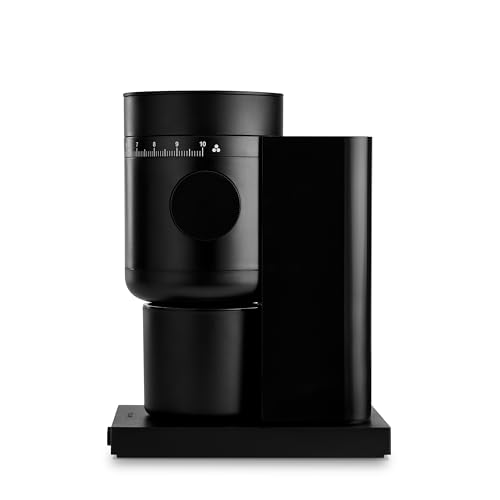
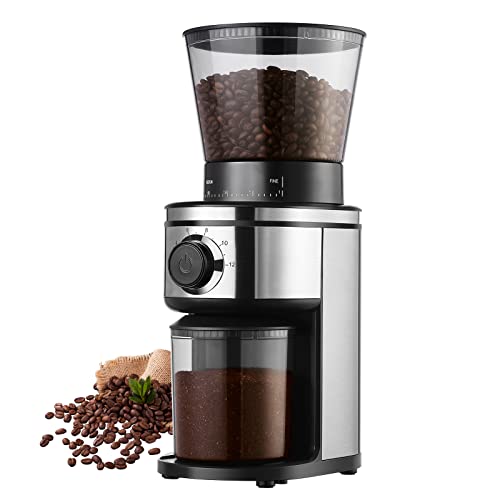

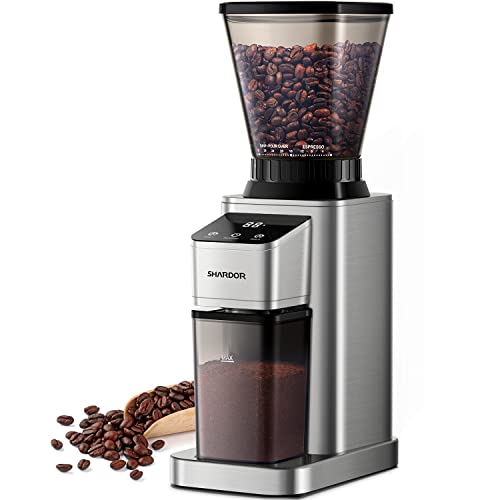


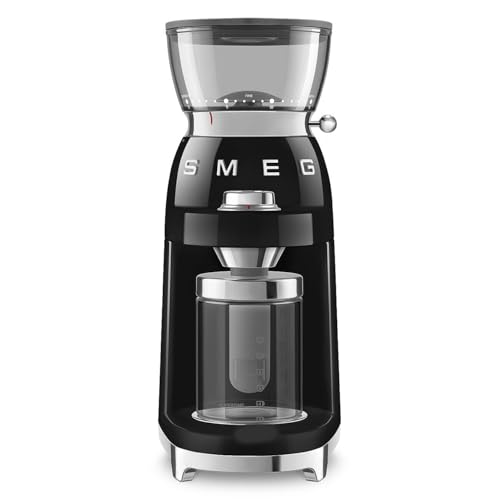
Quick Answer: The Short Version
For most homes, an electric burr grinder with a genuinely coarse top setting is the right answer. Burrs crush beans into far more even pieces than a spinning blade, and even pieces steep at the same rate, so the finished drink tastes sweet and clean instead of muddy. A manual burr grinder suits one or two drinkers who make small batches and value quiet, compact gear. Blade grinders are the weakest option, because their uneven mix of powder and chunks steeps unevenly no matter how carefully you pulse them.
Whichever style you choose, the best coffee grinder for cold brew shares three traits. It reaches a coarse setting without wobbling into fine territory, it holds enough beans for a full batch in one go, and it cleans up without scattering grounds across your counter.
Before You Buy: A Quick Checklist for Cold Brew Grinding
Cold brew asks different things of a grinder than espresso or drip coffee does. The grounds sit in water for 12 to 24 hours, so small flaws in grind quality have a long time to show up in the cup.
Grind Size Range and Consistency at the Coarse End
Cold brew needs coarse grounds, roughly the texture of raw sugar, so water can flow around each piece during the long steep and drain away cleanly at the end. Many grinders advertise a wide range of settings, yet their coarsest setting still produces a surprising amount of fine dust. That dust passes through metal filters, clouds the drink, and keeps releasing bitter flavors long after the larger pieces have given up their sweetness. Look for clearly spaced coarse settings and a burr design that holds calibration at the wide end of the dial.
Burr Shape and What It Changes
Conical burrs use a cone shaped inner burr inside a ring, and they tend to run at lower speeds with less heat and less noise. Flat burrs use two parallel rings and often produce a very even particle spread, though they usually cost more and retain more stray grounds. For coarse grinding, both shapes work well, and the gap between them is smaller than marketing suggests. Our comparison of conical vs flat burr grinder designs explains where each one earns its price.
Batch Capacity for Your Household
Cold brew uses far more coffee per batch than hot brewing does. A concentrate recipe often calls for about 1 part coffee to 4 parts water by weight, so a family sized pitcher can take 100 grams of beans or more in one grinding session. A small hopper forces you to weigh, grind, empty, and repeat, which gets tedious fast. Count the cold brew drinkers in your home, estimate your weekly batch size, and pick a grinder whose hopper and grounds bin both hold that amount with room to spare.
Counter Footprint and Storage
Kitchen counters fill up quickly, and a tall grinder may not fit under standard cabinets once you add the clearance needed to pour beans in. Measure the space between your counter and cabinet bottoms, then compare it with the grinder height plus a few inches of working room. Slim electric models and manual grinders suit apartments and crowded shared kitchens.
Realistic Budget Ranges
Manual burr grinders generally cost under $50 and cover small batches well. Electric burr grinders for home use mostly fall between about $50 and $200, with the middle of that range bringing larger hoppers, steadier coarse settings, and quieter motors. Models above about $200 to $300 add stronger motors, lower retention, and burrs built for heavier daily use.
Types Compared: Grinder Styles for Cold Brew
Instead of naming individual models, compare the three grinder styles side by side, since your home and routine will point to one style quickly.
Electric Burr Grinders for Most Homes
An electric burr grinder is the practical default for households that brew cold brew every week. It grinds a full family batch in under a minute, holds a coarse setting reliably between sessions, and asks almost nothing of you beyond filling the hopper. If you want to compare the wider electric category first, see our roundup of the best burr coffee grinder options for general home use. Choose this style when two or more people drink cold brew, or when hand grinding a large dose sounds like a chore you would soon skip.
Manual Grinders for Small Batches and Quiet Kitchens
A manual burr grinder trades speed for silence, small size, and a low price. Grinding 20 to 30 grams for a personal batch takes about a minute of easy cranking, and the tool stores in a drawer when you finish. It suits solo drinkers, small apartments, and anyone who brews early while others sleep. Our guide to the best manual coffee grinder explains what separates a sturdy model from a flimsy one. The limit is dose size, because grinding 100 grams or more by hand turns a pleasant ritual into arm exercise.
Blade Grinders and Why They Struggle Here
A blade grinder chops beans with a spinning propeller, and the result is always a spread of dust, medium pieces, and stubborn chunks. Hot brewing can hide some of that unevenness, but a 12 to 24 hour steep exposes all of it, since the dust over extracts while the chunks under extract in the same jar. Pulsing and shaking helps a little, yet never closes the gap with burrs. A blade grinder can hold you over for a batch or two, but treat a burr grinder as the real purchase behind any cold brew habit.
How to Compare Grinders for Cold Brew
Compare grinders on the factors cold brew drinkers actually run into at home: coarse grind consistency, batch capacity, footprint, noise during early mornings, cleanup effort, and the cost of keeping burrs in good shape. Look at manufacturer specifications on grind ranges and capacity, plus buyer feedback about coarse settings and static mess.
Living With It: What Really Matters Day to Day
The first week with a new grinder is easy. What decides whether you still love it in month six is the daily friction around it. Static is the most common complaint with coarse grinding, because dry grounds cling to the bin and scatter when you pour them into your brewer. A bin with a lid, a quick tap before opening, and a light mist of water on the beans before grinding all reduce the mess.
Retention is the quieter issue. Every grinder keeps a few grams of old grounds trapped around the burrs, and those stale grounds end up in your next batch. A weekly purge matters more for cold brew than for daily hot coffee, since many home brewers grind only once or twice a week and the retained coffee can sit for days.
Common Mistakes to Avoid
- Buying a grinder whose coarsest setting is still fairly fine, which leaves every batch tasting bitter no matter how you adjust the recipe.
- Choosing a tiny hopper for a large household, so every batch means repeated weighing and grinding sessions.
- Judging a grinder by its espresso reputation, when fine grinding skill says little about coarse consistency.
- Storing the grinder full of beans for weeks, because hopper stored beans stale faster than beans kept in a sealed container.
- Ignoring the height under your cabinets, then discovering the lid cannot open where the grinder has to live.
Cost of Ownership and Care
Running costs for a coffee grinder are low. An electric model uses a small amount of power per batch, and there are no filters, pods, or cartridges to replace. The real ongoing cost is burr wear. Steel burrs gradually dull after grinding hundreds of pounds of coffee, and replacement burr sets for common home models typically cost about $30 to $80. Wear shows up as muddier batches despite the same recipe, because dull burrs produce more fine dust.
Care is simple but worth doing on schedule. Brush loose grounds out of the burr chamber every week or two, wipe the hopper when bean oils build up, and run grinder cleaning pellets through about once a month if you grind often. Our step by step guide on how to clean a coffee grinder covers the full routine, including what never to wash with water. Keep the grinder dry, since moisture around burrs invites both rust on steel parts and stale, musty flavors.
FAQ
What grind size works best for cold brew if my drink tastes sour?
Sour cold brew usually means under extraction, and the fix is often a slightly finer setting rather than a longer steep. Move one step finer, keep everything else the same, then taste again. Changing one variable at a time tells you which adjustment worked. If the drink turns bitter instead, step back one notch and shorten the steep by an hour or two.
Is a coffee grinder worth it for cold brew if preground coffee is cheaper?
Yes, for one practical reason beyond flavor. Most preground coffee is ground for drip brewing, which is far finer than cold brew wants, and it is rarely fresh by the time you open the bag. A grinder lets you buy whole beans at any price level and grind them coarse on brew day. The cost difference shrinks quickly once whole beans replace pricier preground specialty blends.
Can I use the same coffee grinder for cold brew and espresso?
You can, but expect friction. Espresso needs a very fine, precise setting, while cold brew parks the dial at the opposite end, and moving back and forth makes it easy to lose your espresso setting. Retained fine grounds can also slip into a coarse batch. Many households dedicate one grinder to each job, a split our guide to the best coffee grinder for espresso discusses from the espresso side.
How long does a coffee grinder for cold brew last?
A cared for home grinder commonly serves for many years, because coarse grinding is gentle work that puts little strain on the motor and burrs. The usual end point is not a breakdown but slow burr wear, which shows up as muddier flavor and more dust in the bin. Replacing the burr set restores performance for a fraction of a new grinder price, so treat that first burr change as maintenance, not failure.
How much coffee should I grind for one batch of cold brew?
Start with about 1 part coffee to 8 parts water by weight for a ready to drink batch, or about 1 to 4 for a concentrate you dilute later. For a one liter pitcher, that means roughly 100 to 125 grams of coffee, which is why hopper size matters. Weigh the beans before grinding rather than scooping grounds afterward, because coarse grounds pack unevenly and scoops vary a lot.
Final Thoughts
Cold brew is forgiving about many things, but it is honest about grind quality. Match the grinder style to your household size, insist on a coarse setting that stays coarse, and keep the burrs clean, and your batches will taste smooth week after week. The product table lets you compare capacity, size, and price at a glance. For most homes, the best coffee grinder for cold brew is simply the burr grinder that fits your counter, holds your full batch, and makes the routine easy to repeat.
