
Best Coffee Beans for Jura Coffee Machines: A Complete Buying Guide for 2026
Disclosure: We may earn a commission when you buy through links on this page, at no extra cost to you. As an Amazon Associate I earn from qualifying purchases. Learn more

Learn how to choose the best coffee beans for Jura coffee machines, covering roast level, surface oil, freshness, grinder care, and proper storage.
Jura machines are precision tools: they grind, tamp, and brew with very consistent mechanics, which means the beans you pour into the hopper decide most of the flavor and much of the maintenance load. This guide helps you choose the best coffee beans for Jura coffee machines by explaining roast level, surface oil, freshness, and storage in plain terms. You will also learn which bean habits protect the built in burr grinder at the heart of every Jura.
Use the product table to survey roast styles and bag sizes, then read the buying guide sections before you buy.
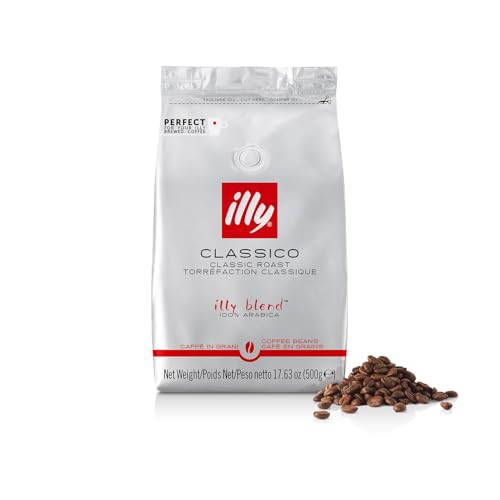
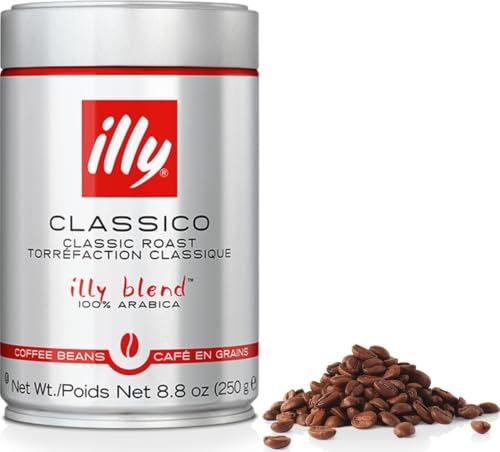
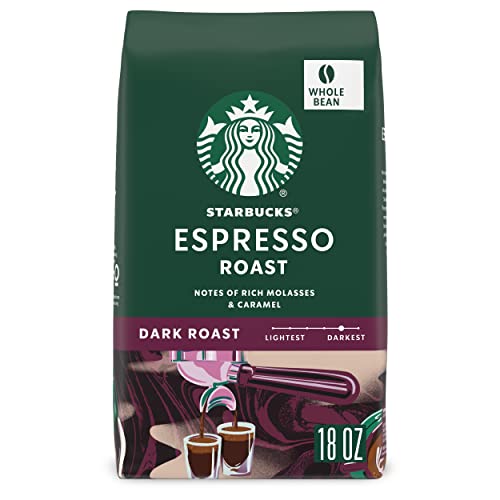
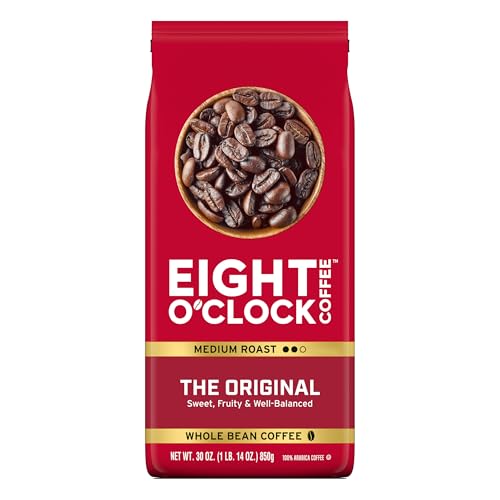
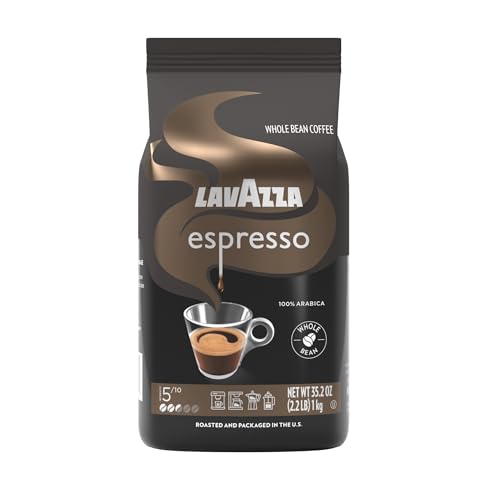
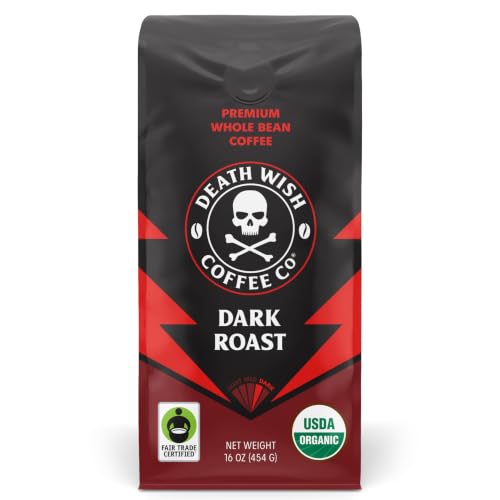
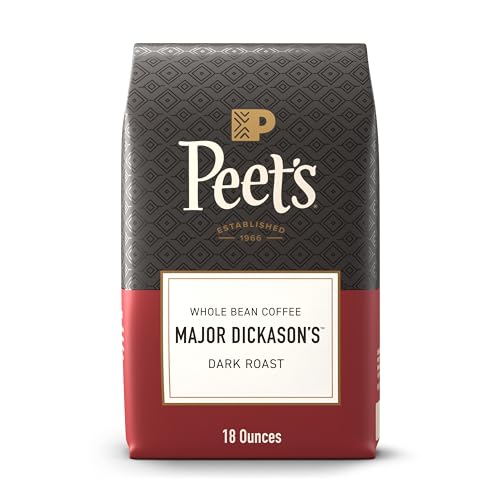
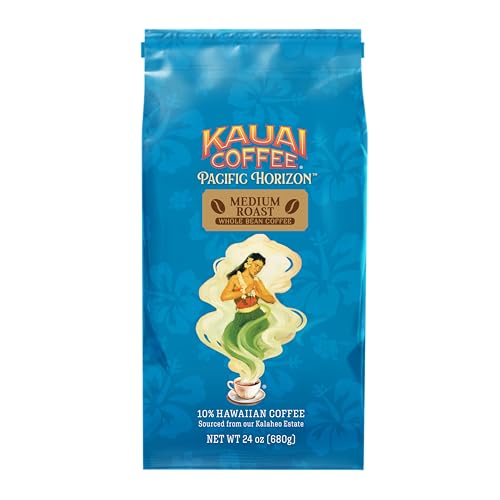
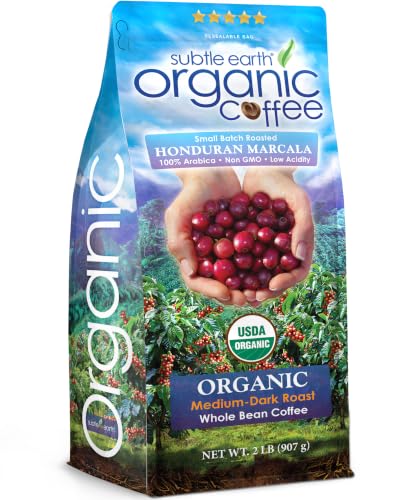
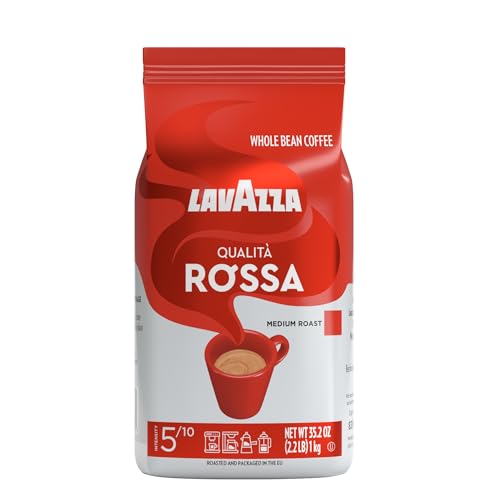
Three Bean Profiles for Jura Owners
Rather than tying your choice to one bag, think in profiles. The three profiles below describe the beans that suit the most common Jura owners, so you can match any bag in the product table to your habits.
The Balanced Profile
The balanced profile is a fresh medium roast with a dry surface and a printed roast date, usually around $15 to $25 per bag. It suits most Jura owners because the machines extract evenly and reward beans that are sweet without sharp edges. Two strengths stand out: reliable flow through the hopper and a flavor that works both as espresso and in milk drinks. The limit is that a crowd pleasing blend rarely shows the vivid notes of a fresh single origin.
The Value Profile
The value profile favors a roaster house blend at around $12 to $18 per bag, bought in the size your household finishes within about three weeks. It fits daily drinkers who want a low cost per cup without gambling on stale discount stock. Strengths include easy reordering, which keeps your grind setting useful bag after bag, and forgiving extraction while you learn the machine strength and temperature options. The trade off is subtlety: value blends are built for steady sweetness, not for tasting the character of one farm or harvest.
The Beginner Profile
The beginner profile starts with a medium roast labeled for espresso, whole and unflavored, in a smaller bag around $12 to $20. New owners benefit from beans that extract predictably at factory settings, so early cups taste encouraging while skills grow. Strengths include low oil, which keeps the grinder clean during the learning period, and clear labeling that states roast date and intended use. The limit is range: once your palate develops, you may want brighter or richer roasts.
How to Choose Coffee Beans for Jura Coffee Machines
This is the core of the decision. Work through each factor once, and you will be able to judge any bag quickly, including whether a bag in a listing truly suits a bean to cup system.
Features That Matter for Jura Coffee Machines
Jura machines use a built in burr grinder and a compact brew unit, so beans must be whole, dry on the surface, and free of flavor coatings. Sugar coated and heavily oiled beans are the two clear exclusions, because residues build up where owners cannot easily reach. Look for a roast date within the past month, uniform bean size, and a medium roast as the starting point. Jura models also offer a powder chute on many versions for a single serving of pre ground coffee, handy for decaf, but daily use should stay with whole beans in the hopper.
Brewing Method and Coffee Style
Jura machines brew espresso based drinks, from ristretto and espresso to long coffees and milk specialties, all from the same beans. That range favors a versatile bean: enough body for a lungo, enough sweetness for a flat white. Drip and pour over roasts can taste thin under espresso pressure, while very dark roasts built for moka pots may taste ashy. Cold brew style beans ground coarse do not apply here. When comparing machines as well, our guide to the best jura coffee machines shows how drink menus differ across the range.
Brew Temperature and Extraction
Jura machines heat water into the ideal espresso band, roughly 195 to 205 degrees Fahrenheit, and brew with pump pressure designed for a steady extraction, with 9 bars as the working target at the puck. Beans help or hinder that process: fresh beans resist the water evenly and produce a rich crema, while stale beans let water rush through and taste weak. If shots taste sour, the cause is often old beans or too coarse a grind rather than the machine. Give a new bag two or three drinks at one setting before you judge it.
Pod Cost and Long Term Value
Whole beans beat pods on cost per cup by a wide margin in most comparisons, and they avoid a stream of single use packaging. A pod habit can cost several times more over a year of daily drinks than a midrange bag of beans. Jura owners already own the grinder, so the bean route also tastes fresher. The honest counterpoint is convenience: pods need no dialing in, though pods themselves do not fit Jura bean machines.
Built In Grinder vs Pre Ground
The built in burr grinder is the fresher and better matched choice for daily use, because it grinds seconds before brewing and its settings are tuned to the brew unit. Burr grinders crush beans evenly, unlike blade grinders that chop unevenly and heat the grounds. Pre ground coffee stales within days of opening and can only be used in small chute doses. Noise is the main grinder downside, a brief burst of about ten seconds per drink, worth noting if you brew early while others sleep.
Milk Frothing Options
Many Jura models froth milk automatically through a fine foam system, producing light foam for cappuccinos and lattes at a button press. Milk softens acidity and adds sweetness, so beans for milk drinks should bring body and a sturdy base flavor, such as chocolate or toasted nut notes, rather than delicate floral tones. If you drink mostly black coffee, judge beans on the straight shot instead. Either way, rinse the milk system after use as the manual directs, because milk residue, not beans, is the most common source of off flavors in these machines.
Cleaning, Descaling, and Maintenance
Bean choice is a maintenance choice. Dry beans keep the grinder and brew unit cleaner, while oily beans shorten the time between deep cleanings. Jura machines prompt for filter changes, cleaning tablets, and descaling based on use and water hardness, and those prompts should be followed promptly. Use filtered water to protect flavor and reduce scale. For broader brand context, see the best coffee machine makers.
Types of Coffee Beans
Strictly speaking, Jura machines take one format: whole beans. The three formats below appear in many comparisons because buyers often cross shop them, so here is how each relates to your machine in one short note.
Single Serve Pod Machines
Pods are sealed portions for pod machines, not for Jura bean systems. They suit people who prize speed and variety over freshness and cost per cup. If your household wants pods for guests, that calls for a separate small machine, since pods cannot go into a Jura hopper or chute in any useful way.
Cold Brew Makers
Cold brew makers steep coarse ground coffee in cold water for many hours, producing a smooth concentrate. Beans sold for cold brew are often roasted dark and ground coarse, neither of which suits a Jura. You can, however, brew a strong espresso over ice from your normal beans for a quick iced drink with a similar refreshing feel.
Grind and Brew Machines
Grind and brew machines, including every Jura, combine a burr grinder with the brewer in one body. This is the format your beans are chosen for throughout this guide. The advantage is freshness with no separate equipment. The responsibility is bean discipline: whole, dry, unflavored beans only, plus scheduled cleaning. Readers comparing espresso focused systems may also check the best espresso coffee machines.
Care and Maintenance Tips
- Use filtered water. It protects flavor and slows scale, which keeps brew temperature steady and extends the time between descaling cycles.
- Descale on schedule. Descale every one to three months depending on water hardness, or when the machine alerts you, whichever comes first.
- Clean the milk path after use. Rinse the frother parts and wipe surfaces daily, and clean the carafe, basket area, and steam components as the manual directs.
- Store beans correctly. Keep beans in an airtight container away from light and heat, and fill the hopper only with about a week of beans.
- Empty grounds often. A full grounds container can cause messy pucks and off smells that reach the cup.
Frequently Asked Questions
What features matter most in coffee beans for jura coffee machines?
For the best coffee beans for Jura coffee machines, a dry surface, whole unflavored beans, and a recent roast date matter most, because the Jura grinder and brew unit reward clean, fresh beans. Start with a medium roast and adjust from there. Also prefer beans you can reorder easily, since consistency keeps your settings meaningful. Avoid any bag that lists added oils or flavorings, whatever its roast claims say.
How long do coffee beans usually last?
Roasted whole beans taste best within about one to four weeks of the roast date. Once opened, plan to finish the bag in roughly two to three weeks for peak aroma. Beans stay safe far longer, but flavor flattens steadily. A dated note on the bag helps: write the opening date on the label so the hopper never becomes a mystery archive of old beans.
How often should I descale my Jura?
Descale the machine every one to three months depending on water hardness, or follow the on screen alert if your model tracks usage. Filtered water lengthens the interval. Skipping descaling lowers brew temperature over time and makes fresh beans taste sour, so treat the alert as part of bean care rather than a chore separate from it.
Can I use regular coffee in a Jura?
Yes, regular whole bean coffee works in a Jura as long as it is unflavored and not heavily oiled. Pre ground coffee belongs only in the powder chute, in the single serving amount the manual states. Never put ground coffee, instant coffee, or coated beans into the hopper, because each can jam or foul the grinder in ways that need service to correct.
What grind size works best in a Jura?
The middle of the Jura grinder range is the best starting point for most medium roasts. Move one step finer if shots run fast and taste sour, or one step coarser if they drip slowly and taste bitter. Adjust only while the grinder runs if your manual advises that, and taste a few cups after each change. For more on matching beans to espresso extraction, see the best coffee beans for espresso machines.
Is the built in grinder worth using?
For Jura owners the built in grinder is already part of the machine, and it is worth using as the main path because it grinds fresh for every cup and matches the brew unit. The upkeep is modest: suitable beans and scheduled cleaning. A separate grinder only adds value if you also brew manual espresso elsewhere. Otherwise, save the counter space and let the integrated system do its job.
Final Thoughts
Keep the rules short and repeatable: whole beans, a mostly dry medium roast, a roast date you can read, and storage away from heat and light. Protect the grinder by skipping flavored and oily beans, follow the cleaning prompts, and compare your finalists in the product table. With those habits in place, the best coffee beans for jura coffee machines turn an already capable machine into a daily pleasure rather than a maintenance project.

