Best Coffee and Espresso Combo Machines: Designs Compared for 2026
Disclosure: We may earn a commission when you buy through links on this page, at no extra cost to you. As an Amazon Associate I earn from qualifying purchases. Learn more

Coffee and espresso combo machines compared by design, brewing quality, milk frothing, footprint and cleaning.
A combo machine promises a pot of drip coffee and a proper espresso from one appliance. The best coffee and espresso combo machines deliver both without making either feel like an afterthought, and the way they do it varies: some put a drip brewer and an espresso unit side by side, some brew espresso, coffee and cold brew from a single group, and some use capsules that make both small and large drinks.
The product table below lists combo machines to compare. This guide explains how the designs differ, what you give up compared with two dedicated machines and how to check that one machine will suit your household.



Types of Combo Machines
Side by Side Drip and Espresso
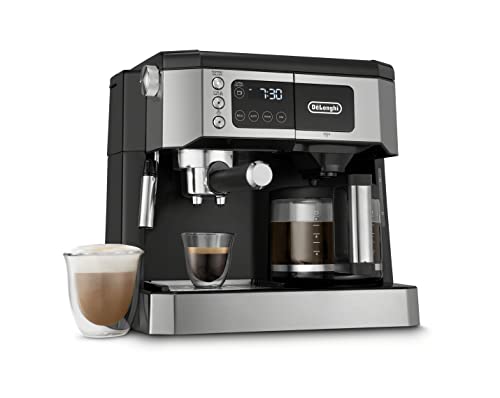
These machines have a carafe brewer on one side and an espresso unit with a portafilter and steam wand on the other. They save a second appliance and let two people brew at once, though the footprint is wide and each half needs its own cleaning.
Single Brewer, Many Drinks
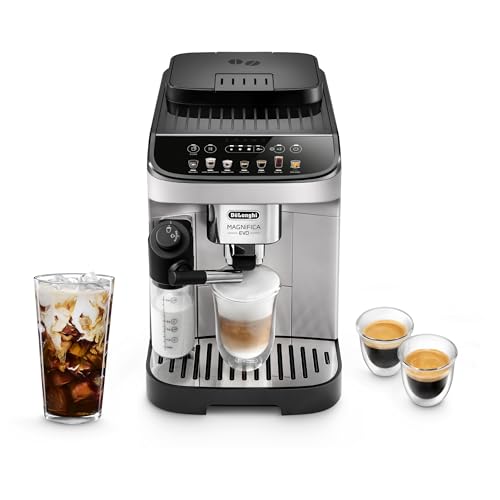
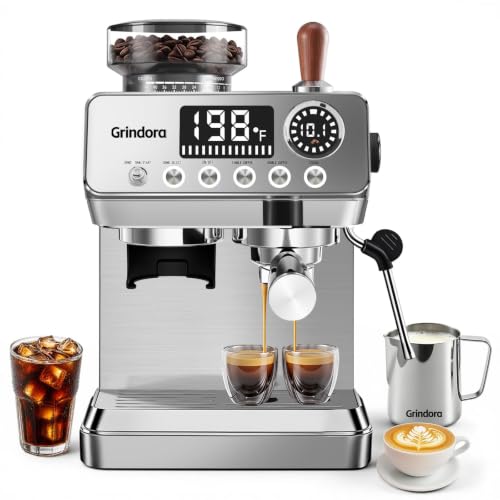
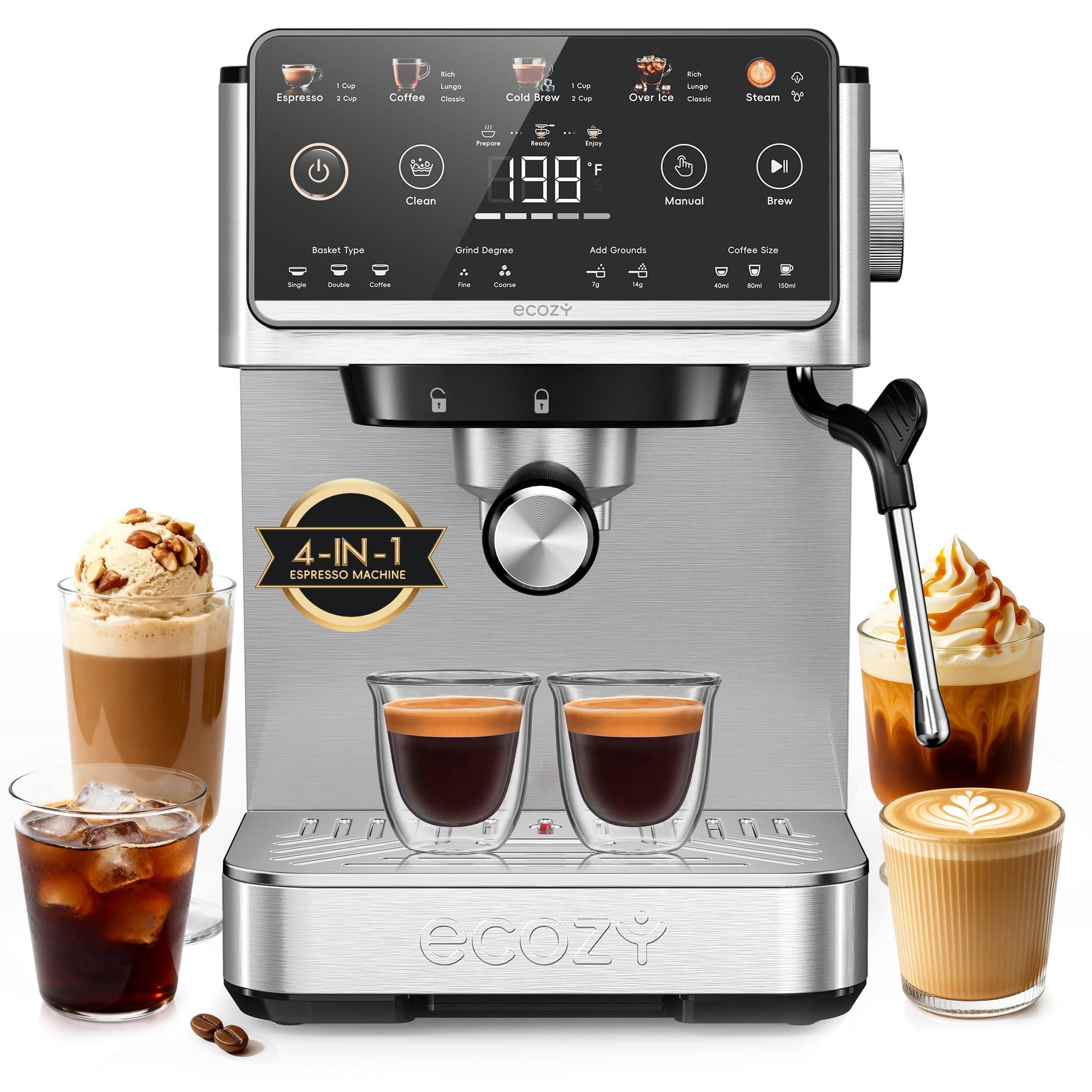
Some newer machines brew espresso, drip style coffee and iced or cold brew drinks through one system, often with a built in grinder and milk frother. They are compact for what they do and easy to use, but they cost more and a repair can sideline every drink at once.
Capsule Machines for Coffee and Espresso
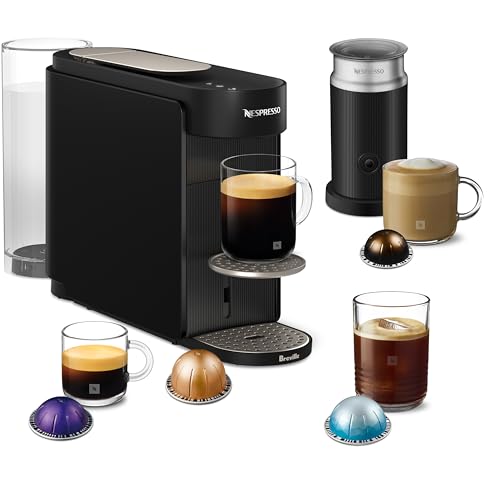
Capsule systems make small espresso style drinks and larger cups from sealed pods. They are quick and tidy, and many come with a separate milk frother, but pods cost more per cup and limit your choice of beans.
Combos With Pod and Ground Options
A few machines accept ground coffee and pods in the same brewer, so you can use pods on rushed mornings and fresh grounds when you have time. Check whether the machine makes true espresso or only concentrated coffee.
What You Give Up
A dedicated espresso machine gives you finer control over grind, dose and pressure, and a dedicated drip brewer usually keeps coffee hot and fresh in a thermal pot. A combo shares parts and space, so one side may lag. The honest question is which drink you care about most: judge the combo by that side first, then check that the other side is good enough for daily use.
What to Check
- Temperature stability: steady hot water makes better coffee on both sides.
- Milk frothing: a steam wand should produce smooth foam, and an automatic frother should be easy to clean.
- Carafe and cup size: a carafe that is too large leads to stale coffee, and one that is too small means constant refilling.
- Grinder: a built in burr grinder is convenient, but it adds noise and needs cleaning.
- Cleaning access: removable tanks, drip trays and brew parts make daily care easier.
- Footprint: measure width, depth and the height under cabinets, including lid and wand clearance.
For nearby choices, see our guides to the best espresso coffee machines and the best coffee espresso combination machines, and the best coffee automatic espresso machines if you want more automation.
How the Costs Add Up
The purchase price is only part of it. Capsule combos cost more per cup than machines that use grounds or beans, and a built in grinder means you need fresh beans rather than a cheap bag of pre ground coffee. Add filters, descaler and, if you use a milk system, cleaning tablets, and the yearly running cost can matter as much as the sticker price. A combo that replaces two machines may still be good value, because you buy, power and store only one, but the savings vanish if one half sits unused.
When you shop for the best coffee and espresso combo machines, list the drinks you make in a typical week, count the cups, and compare the cost per cup across the designs you are considering. That quick exercise usually points to one type very clearly.
Is a Combo Right for You
A combo suits mixed households, small kitchens and offices where one person wants a mug of coffee and another wants a latte. It makes less sense when everyone drinks the same thing, or when one side would rarely be used. If the espresso side will run once a month, a good drip brewer plus a small separate espresso maker may serve you better. Count how many drinks of each type your household makes in a typical week before you decide.
Care and Setup
Empty the drip tray and rinse the portafilter and milk parts after each use. Wipe the steam wand straight away so milk does not dry on it. Run the cleaning or descaling cycle on the schedule in the manual, and use filtered water if yours is hard. Keep beans or grounds sealed and dry, and buy small amounts so they stay fresh.
Frequently Asked Questions
Can a combo make good espresso and good drip coffee?
It can make both well enough for most homes, though each side may trail a dedicated machine slightly. The better ones keep temperature steady and let you adjust strength.
How much counter space does a combo need?
More than most people expect. Measure width, depth and height with the lid open, and add room for a grinder or cups.
Is a combo harder to clean?
It has more paths to keep clean, especially with a milk system, so look for removable parts and a daily rinse routine.
Do combos work with pre ground coffee?
Many do, and some also have a grinder. Pre ground is convenient but loses flavor faster, so buy small amounts.
When is a separate espresso machine better?
When espresso is your daily drink and you want control over the grind and dose, a dedicated machine usually wins.
Final Thoughts
Decide which drink matters most, check the design and the footprint, and compare the machines in the product table above. The best coffee and espresso combo machines are the ones that keep both sides good enough that no one in the house misses a dedicated machine.