
Best CO2 Inflator Mountain Bike Made Simple for 2026
Disclosure: We may earn a commission when you buy through links on this page, at no extra cost to you. As an Amazon Associate I earn from qualifying purchases. Learn more

The best co2 inflator mountain bike setup refills a trail tire in seconds: learn which cartridge size fits your tires and how to choose a simple head.
A flat tire on a trail can end a ride fast, and a best co2 inflator mountain bike setup is one of the smallest tools that can get you rolling again. It uses a small gas cartridge to fill a tire in seconds, with no pumping and no bulky pump strapped to your frame. This guide explains the basics in plain language so a first time buyer can choose with confidence.
Read on to compare cartridge sizes, valve styles, and carry options, and see the comparison table below for a quick side by side view of the main types. By the end, you will know which cartridge size suits your tires and what to practice before your first trail ride.

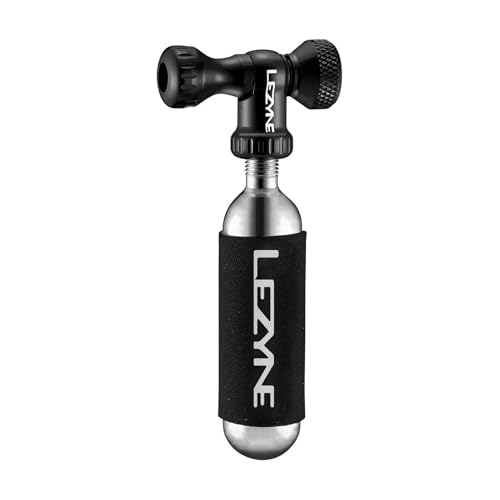


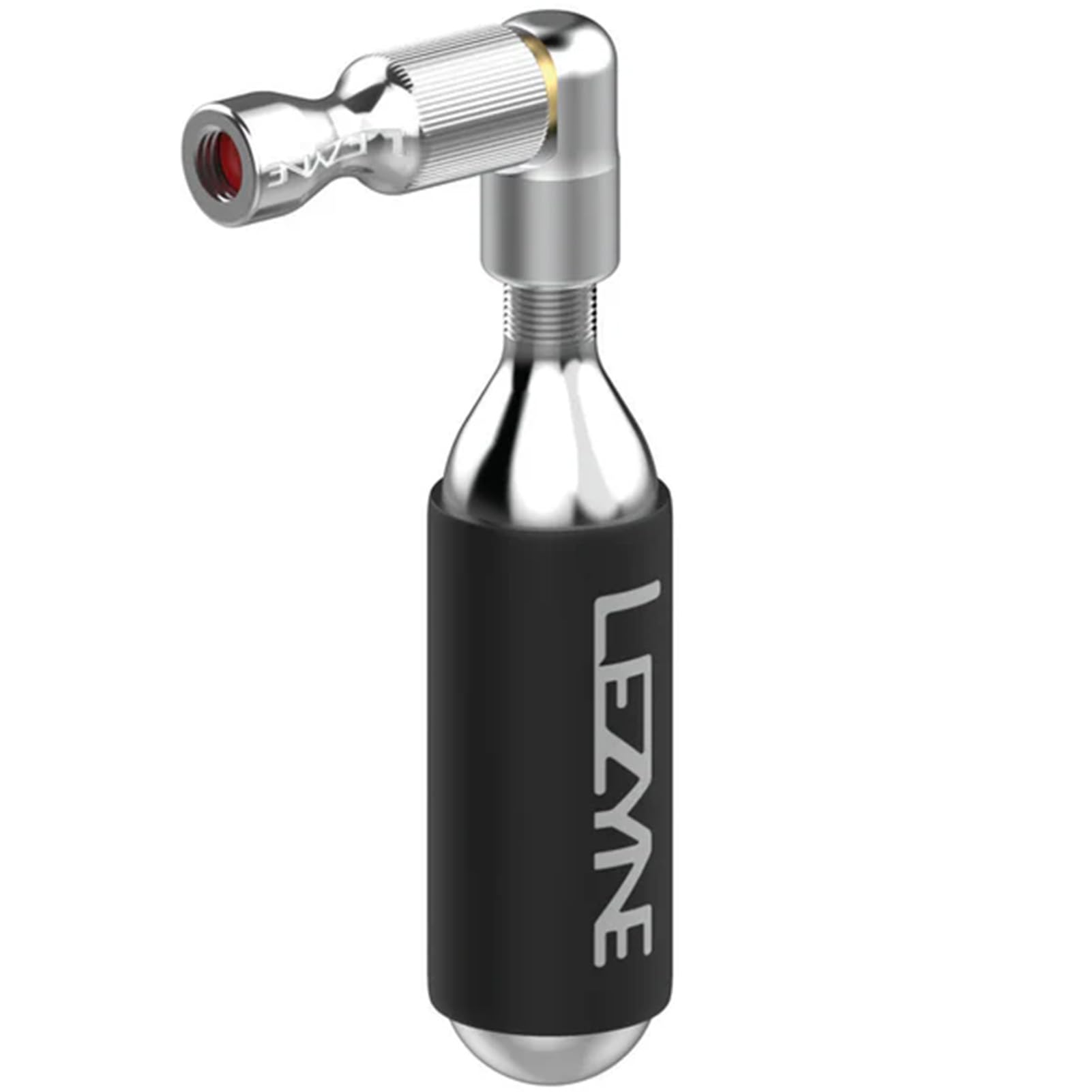


CO2 Inflator Basics for New Buyers
A CO2 inflator is a small head that connects a threaded gas cartridge to a tire valve. When you open the valve on the head, gas flows into the tire and raises the pressure quickly. Most trail riders carry one or two cartridges plus the head in a saddle bag, a jersey pocket, or a small frame pouch.
The main job of this tool is simple: restore enough pressure to ride home or to the trailhead. It is not for daily home pressure checks, where a floor pump gives more control. Think of it as emergency gear. Once you understand cartridge size, valve fit, and flow control, the rest of the choice is about size, weight, and ease of use.
Key Features to Compare
Compare the best co2 inflator mountain bike options by how they fit your tires and your riding habits, not by extra features you will rarely use. The five factors below cover most real decisions for a new buyer.
Cartridge Size and Tire Volume
Cartridges commonly come in 16 gram and 25 gram sizes, and the right size depends on tire volume. A 16 gram cartridge usually fills a standard cross country tire to a rideable pressure, while a larger trail tire or a plus size tire may need a 25 gram cartridge. Check the maker guidance for your tire size and pressure range before you buy, and carry a spare cartridge if you ride far from help. Tubeless riders should note that a fast burst can help seat a tire, but sealant must still be inside to hold air.
Valve Fit and Control
Mountain bike tires use Presta valves in most cases, while some older or lower cost wheels use Schrader valves. Some inflator heads fit Presta only, some fit Schrader only, and some fit both with a simple flip or adapter.
A head with a trigger or a twist control lets you release gas in short bursts, which helps you avoid overfilling a tire. A head with no control releases gas all at once, which is faster but easier to waste if the connection is not seated well. For a first time buyer, a controlled flow head is usually the safer choice.
Size, Weight and Carry Options
Inflator heads range from tiny bare heads to slightly larger heads with a grip sleeve or a hose. A bare head is lightest and smallest, but the cartridge gets very cold as gas leaves it, so a sleeve or gloves help you hold it comfortably.
A head with a short hose keeps your hands away from the cold cartridge and can make the valve connection easier in a tight spot. Think about where you will carry it. A tiny head fits a pocket easily, while a hose model may suit a saddle bag better.
Build and Durability
Most heads use metal for the valve connection and either metal or strong plastic for the body. Metal heads tend to last longer and feel more secure on the valve, while plastic heads keep weight down. Look for a head that threads smoothly onto a cartridge without cross threading.
Check that the seal stays tight after repeated use, and avoid heads with loose moving parts that rattle in a bag. A simple design with few parts is often more reliable on the trail than a complex design.
Ease of Use on the Trail
On the trail, you may be working with cold hands, mud, or low light, so simple operation matters. A head that connects with one clear motion is easier to use than one that needs careful alignment.
Practice at home before you need it on a ride. Try threading a cartridge, fitting the head to a valve, and releasing a short burst into an old tire. That practice run builds confidence.
Spending Levels Explained
Budget heads usually cost about $10 to $20 and cover the basics well for occasional riders. They often have a simple design and a basic valve fit. Mid range heads cost about $20 to $35 and often add better flow control, a grip sleeve, or a hose.
Higher cost heads cost about $35 to $50 and may use stronger materials or a more precise control dial. For most new buyers, a mid range head with flow control gives the best balance of control and value. Spend more only if you ride often or want a head that will last through many seasons.
Cartridges are a running cost, so check the price of spares before you choose a head. Threaded cartridges are the common standard for these heads. Buy cartridges that state the gas weight clearly, store them dry, and replace any that show rust or damage. See our guide to the best co2 mountain bike pump if you want to compare a pump based backup option alongside a gas inflator.
Rookie Mistakes to Avoid
- Buying unthreaded cartridges for a threaded head, which leaves you with gas you cannot use on the trail.
- Choosing a cartridge that is too small for your tire volume, which leaves the tire too soft to ride safely.
- Skipping a practice run at home, which makes your first trail use slow and stressful.
- Forgetting a spare cartridge, which leaves you with no backup if the first fill does not seal.
- Storing cartridges loose where they can dent or corrode, which can cause a poor seal when you need them most.
Getting Started: Setup and First Use
Start by checking your valve type and tire pressure range, then choose a cartridge size that matches your tire volume. Thread the cartridge into the head only when you are ready to practice or ride, and keep the head away from your face while gas flows. Fit the head firmly to the valve, release gas in short bursts if your head allows it, and check pressure by feel or with a small gauge. If the tire does not hold air, check the valve core and the tire seal before using a second cartridge.
After use, remove the empty cartridge with care because it will be cold, and store the head in a clean, dry bag. Check the seal and threads now and then, and replace worn seals before they fail on a ride. Follow maker pressure guidance for your tires, wear eye protection when handling gas cartridges, and keep cartridges away from children.
Frequently Asked Questions
How many mountain bike tires can one CO2 cartridge fill?
One cartridge usually fills one tire to a rideable pressure, and that is the safe way to plan. A 16 gram cartridge suits a standard tire, while a 25 gram cartridge suits a larger volume tire. The exact result depends on tire size, starting pressure, and how much gas escapes during connection. Carry a spare cartridge on longer rides so a second tire or a failed seal does not leave you walking home.
Can a CO2 inflator replace a hand pump for mountain biking?
A CO2 inflator can replace a hand pump for emergency trail use, but it is not a full replacement for home use. Gas cartridges run out, so you cannot top up pressure day after day with the same cartridge. A floor pump at home gives precise pressure control and costs nothing per use. Many riders carry a CO2 inflator on the trail and keep a pump at home, which covers both speed on the trail and accuracy at home.
Do CO2 inflators work with tubeless mountain bike tires?
Yes, CO2 inflators work with tubeless tires, and the fast burst of gas can help seat a tire bead that has lost its seal. Sealant inside the tire still matters, because gas alone will escape through a puncture that sealant would normally plug. After a trail repair, check the tire for slow leaks and top up sealant at home if needed. For rides in remote areas, a spare tube gives you a backup if the tubeless seal will not hold.
What size CO2 cartridge should a new mountain biker buy?
A new rider with standard trail tires can start with 16 gram cartridges and try one at home to see the pressure it reaches. Riders with larger volume tires, plus size tires, or fat tires should start with 25 gram cartridges instead. Check maker guidance for your tire size, and note the pressure you reach during your practice fill. If the tire feels too soft after a 16 gram fill, move up a size rather than guessing on the trail.
Is a CO2 inflator safe to carry in a pack?
A CO2 inflator is safe to carry when cartridges are stored in a dry place, protected from dents, and kept away from heat. Do not puncture a cartridge on purpose, and do not store cartridges loose with sharp tools that could damage them. Keep cartridges away from children, and check local rules before flying, since gas cartridges may be restricted on aircraft. Inspect cartridges before a ride and replace any that look rusted or damaged.
The Bottom Line
Choose a head with good valve fit and flow control, match cartridge size to your tire volume, and practice once at home before you rely on it. A mid range head with a spare cartridge covers most trail riders well without adding much weight or cost.
For more context on trail riding gear, see our guide to the best bike for mountain biking and our guide to the best bicycle mountain bike for general riding background. When you are ready, pick a simple, well built kit, learn how it feels in use, and keep it in your bag on every ride. That small habit makes a flat tire a short stop instead of a long walk, and a best co2 inflator mountain bike kit is worth its place in your pack. Check the product table above before you order.


