
Best CO and Smoke Detectors: Buying Guide for 2026
Disclosure: We may earn a commission when you buy through links on this page, at no extra cost to you. As an Amazon Associate I earn from qualifying purchases. Learn more

The best co and smoke detectors match your rooms, wiring and sleeping areas: compare sensor types, power sources, placement, interconnection and replacement.
A home needs an alarm that warns you early about fire and about carbon monoxide, a gas you cannot see or smell. The best co and smoke detectors for your home will match your rooms, your wiring, and the way your household sleeps, cooks, and heats. The comparison table below can help you compare types side by side before you buy.
This guide explains sensor types, power sources, placement, and upkeep in plain terms. Use it to narrow the field to alarms that fit your home and your local rules, then check the maker directions before you install anything.

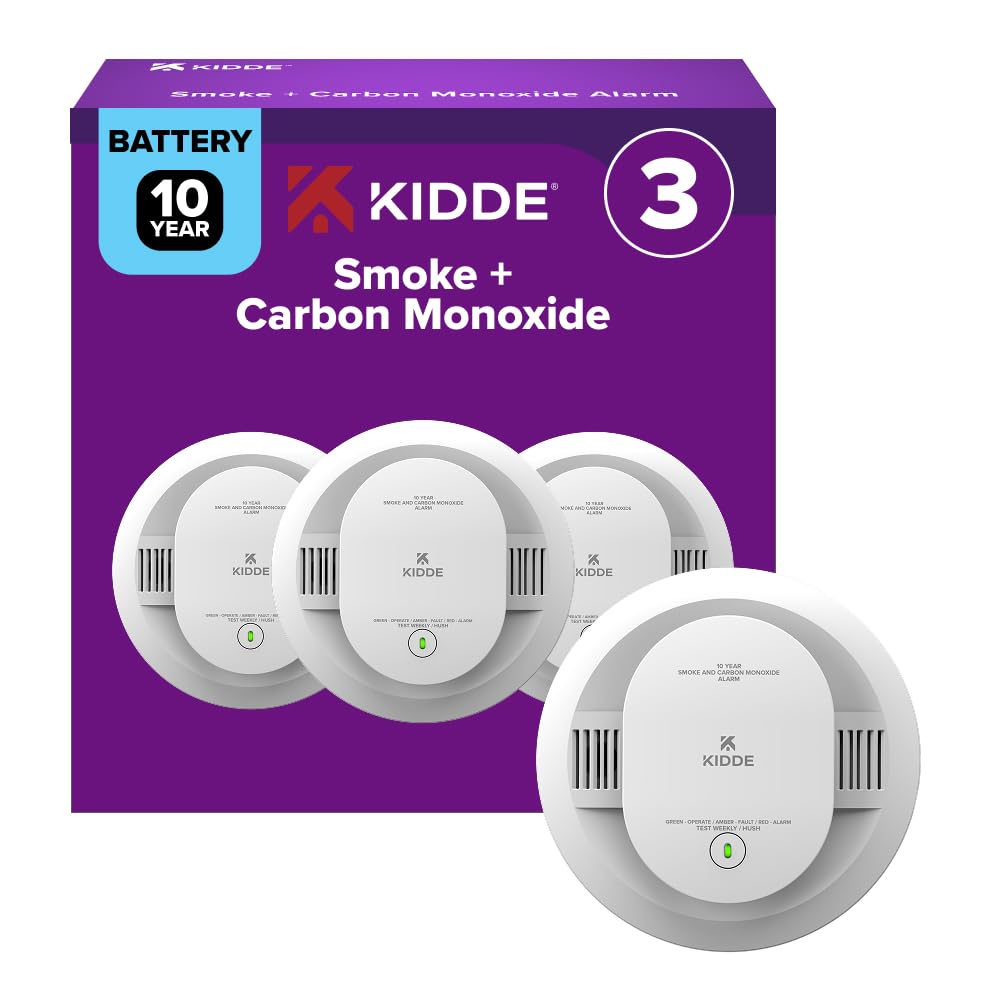


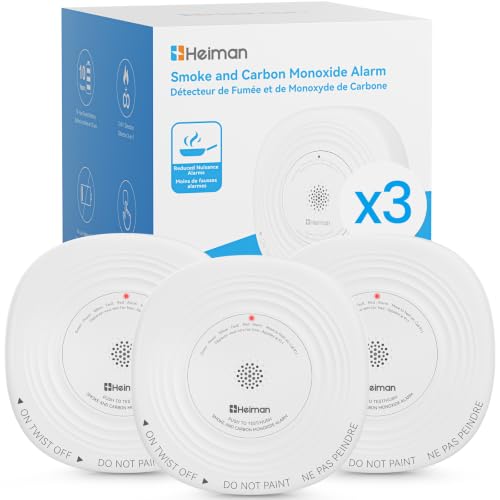
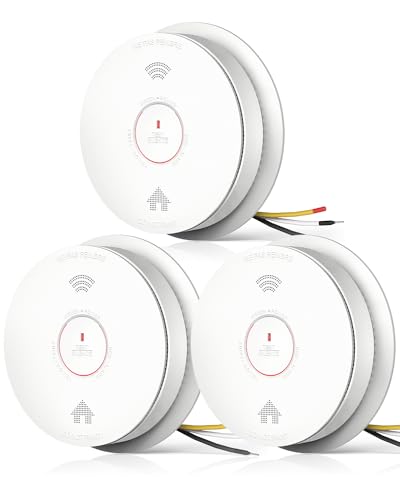
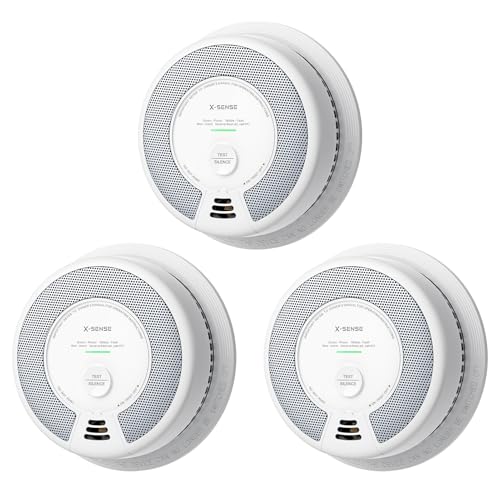
Spending Levels: What Each Budget Buys
Spending more does not always buy more safety. A basic alarm that is placed well and checked often can serve a small home better than a feature rich alarm that is installed in the wrong room. The three levels below describe what changes as price rises, so you can spend where it matters for your home.
A Sensible Starting Budget
At a starting budget of about $25 to $50 per alarm, you can expect a standalone combination alarm with a sealed battery, a test button, and a clear alarm sound. These alarms suit a small home or a single extra room. They do not alert other rooms when one alarm sounds, so you need one in each key location rather than relying on a single unit.
A Comfortable Middle Budget
At a middle budget of about $50 to $100 per alarm, you can expect interconnection, a digital carbon monoxide display, and voice alerts that name the danger. Interconnected alarms sound together, which helps if a fire starts far from a bedroom. A display that shows the carbon monoxide level in parts per million can help you describe the situation to emergency services, though it does not replace leaving the home when an alarm sounds.
A Higher Budget for Connected Homes
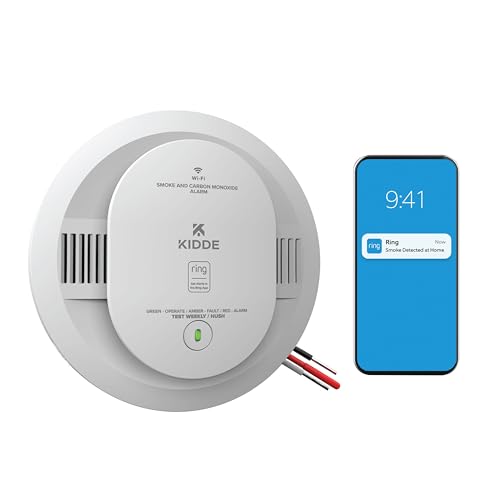
At a higher budget of about $100 to $180 per alarm, you can expect wireless interconnection, app alerts, and a longer sealed battery life. App alerts can warn you when you are away from home, but they should never replace an alarm that sounds inside the home. Check whether the app needs a subscription, whether alerts work during a power cut, and whether the alarm still sounds loudly if your phone is off.
How to Choose: Buying Guide
Choose the best co and smoke detectors by sensor, power, placement, and certification, in that order. A well placed alarm with the right sensor for the room gives you earlier warning than a costly alarm in the wrong place. Work through the factors below room by room.
Sensor Type
Ionization sensors respond fast to fast flaming fires, while photoelectric sensors respond fast to slow smoldering fires. A dual sensor alarm combines both approaches in one unit. Carbon monoxide is measured by a separate electrochemical sensor, which tracks the gas level over time. For most homes, a combination alarm with dual smoke sensing and an electrochemical carbon monoxide sensor covers the widest range of risks.
Voice Alerts and Displays
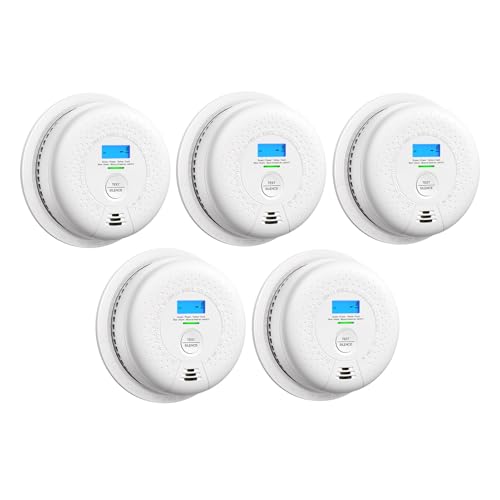
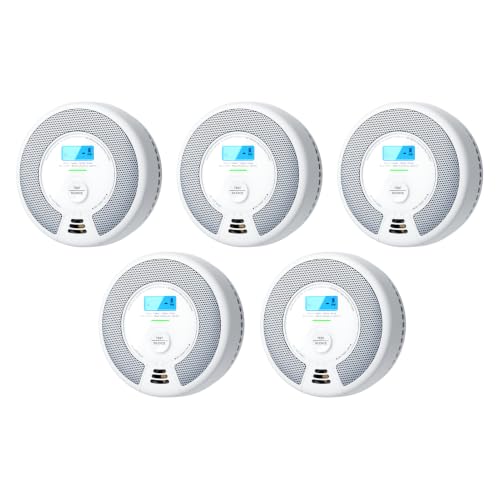
Voice alerts can state whether the danger is smoke or carbon monoxide, which helps a household act fast at night. A digital display shows the carbon monoxide level in parts per million and can show a peak level after an event. Keep the display simple to read in the dark, and make sure the voice is loud enough to wake a sleeper behind a closed door.
Placement Requirements
Install an alarm inside every bedroom, outside every sleeping area, and on every level of the home, including the basement. Keep smoke alarms away from kitchens and bathrooms where steam and cooking fumes cause false alarms, but do not skip the hallway near those rooms. Place carbon monoxide alarms near sleeping areas and near fuel burning appliances, following the maker directions for height and distance from the appliance.
Interconnection and Smart Alerts
Interconnected alarms sound together, so a fire in the basement wakes people upstairs. Wired interconnection suits new builds and major rewiring work, while wireless interconnection suits existing homes without new cables. Smart alerts add a phone notice, yet they depend on your home network and power. Treat a phone alert as a backup, not as the main warning.
Power Source
Hardwired alarms draw power from your home wiring and usually include a battery backup for power cuts. A sealed battery alarm with a 10 year battery suits rooms without wiring and avoids battery changes, but the whole unit still needs replacement at the end of its life. A plug in alarm suits a hallway outlet, yet it can be unplugged by mistake, so check that it stays in place and keeps a battery backup.
Certifications
Look for smoke alarms that meet UL 217 and carbon monoxide alarms that meet the UL standard for carbon monoxide alarms. These standards cover how the alarm senses danger, how loud it sounds, and how it behaves in heat and dust. A certification mark does not promise that every fire or gas leak will be detected in time. It shows the alarm passed a set of tests under set conditions.
Lifespan and Replacement
Most smoke alarms last about 10 years, while many carbon monoxide alarms last about 7 to 10 years. The maker date is printed on the unit, and you should replace the whole alarm when that date passes, even if it still sounds when you press the button. The test button checks the sound and the battery, not the sensor itself, so an old alarm can sound fine and still sense poorly.
Types of Detectors
The right type depends on the room, the fuel sources in your home, and whether you want one unit to cover both dangers. The four types below cover most homes.
CO Only Alarms
A carbon monoxide only alarm suits a home that already has good smoke coverage, or a room with a fuel burning appliance and no sleeping area. It tracks carbon monoxide levels and sounds when they reach a danger threshold. It gives no warning about smoke, so pair it with smoke alarms in bedrooms and hallways.
Combination Smoke and CO Alarms
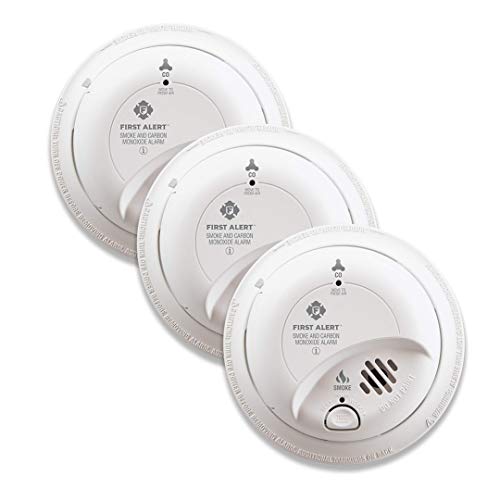
A combination alarm covers both dangers in one unit, which simplifies placement and upkeep in bedrooms and hallways. It needs one mounting point instead of two, and one replacement date to track. For a closer look at this type, see our guide to best combo smoke co detectors. Make sure the voice or tone clearly separates a smoke warning from a carbon monoxide warning, so no one hesitates at night.
Hardwired Alarms
A hardwired alarm connects to your home wiring and usually links to other hardwired alarms in the home. It suits new homes, remodels, and homes that already have wired alarm circuits. Installation needs care with wiring, so ask a licensed electrician if you are unsure about the circuit, the junction box, or local code. For a closer look at wired units, see our guide to best hardwired smoke co detectors.
Smoke Only Alarms
A smoke only alarm suits rooms without fuel burning appliances, such as a bedroom far from a furnace or garage. It costs less than a combination unit and covers the fire risk in that room. If the room later gains a gas appliance, a fireplace, or an attached garage, add carbon monoxide coverage as well.
Detectors for Specific Needs
Some households need a narrower choice than a general combination alarm. The three groups below cover common cases without naming any product.
Best CO/Smoke Detectors
Shoppers who search with a slash between the two dangers usually want one unit that does both jobs well. Judge these units on three points: clear separation between smoke and carbon monoxide alerts, a carbon monoxide display you can read at night, and a sealed battery or wired backup that fits the room. A compact unit can suit a hallway, while a larger unit with a display suits a bedroom.
Best Rated Home CO and Smoke Detectors
A home focused choice puts whole home coverage first. Judge these units on interconnection across levels, a consistent replacement date for every unit, and certification for both dangers. Buying the same type for every room makes testing and replacement simpler, and it avoids a mix of tones that can confuse a household at night. For a closer look at this type, see our guide to best combination smoke and co detectors.
Best Wired CO & Smoke Detectors
A wired choice suits homes with existing alarm wiring or a planned remodel. Judge these units on three points: compatibility with your existing wired circuit, battery backup during a power cut, and interconnection with the rest of the home. Wired units still need regular testing, and a tripped breaker can silence the whole circuit, so check the breaker and the backup battery on a set schedule. For a closer look at wired options, see our guide to best wired smoke and co detectors.
Care and Maintenance Tips
- Press the test button on every alarm monthly and listen for a loud, clear sound in every room.
- Replace the whole unit every 10 years for smoke alarms and every 7 to 10 years for carbon monoxide alarms, following the maker date.
- Install an alarm on every level and outside sleeping areas, and keep a written map of where each unit sits.
- Vacuum dust from vents twice a year, since dust can dull a sensor and cause false alarms.
- Never paint over an alarm, cover a vent, or remove a battery to silence a nuisance alarm. Fix the cause, such as steam or cooking fumes, instead.
Frequently Asked Questions
How long do detectors last?
Most smoke alarms last about 10 years, and many carbon monoxide alarms last about 7 to 10 years from the maker date printed on the unit. A test button checks the sound and power, not the sensor, so an old alarm can sound fine and still sense poorly. Write the replacement date on your calendar when you install a new unit, and replace the whole alarm on time even if it looks clean and sounds loud.
Where should I install smoke and CO detectors?
Install an alarm inside every bedroom, outside every sleeping area, and on every level, including the basement. Keep smoke alarms out of kitchens and bathrooms to cut false alarms, but cover the hallway beside those rooms. For carbon monoxide, add coverage near sleeping areas and near fuel burning appliances, and follow the maker directions for height, since some makers specify wall or ceiling placement by model type.
Do I need separate smoke and CO alarms?
You do not always need separate units, since a combination alarm covers both dangers in one mounting point. Separate units can still suit a home that already has strong smoke coverage and only needs carbon monoxide coverage near a furnace or garage. The key point is coverage: every bedroom and level needs smoke warning, and every sleeping area and fuel burning zone needs carbon monoxide warning, whether that comes from one unit or two.
Hardwired or battery: which is better?
Hardwired alarms suit new homes and remodels because they link together and draw steady power, with a battery backup for outages. Sealed battery alarms suit existing rooms without wiring, since they need no new circuit and no battery changes for years. The better choice is the one that stays powered and interconnected in your home: a hardwired unit on a tripped breaker helps no one, and a battery unit past its end date helps no one either.
What should I do if a CO alarm sounds?
Leave the home at once, move everyone including pets to fresh air, and call emergency services from outside. Do not open windows to air the home out before you leave, and do not reenter to silence the alarm or look for the source. Tell responders where the alarm sounded and whether anyone feels ill, since carbon monoxide symptoms can be vague. Do not use fuel burning appliances again until a qualified professional has checked the home and cleared it as safe.
The Bottom Line
Pick alarms by sensor type, interconnection, and placement first, and let price follow those needs. A combination alarm in every bedroom, outside every sleeping area, and on every level gives most homes a strong starting point. The best co and smoke detectors for your home are the ones that stay powered, stay tested, and get replaced on time. Review the product table above once more, check your local fire safety rules, and set a monthly test reminder before you finish.


