Best Clothesline Rope: A First Time Buyer's Guide for 2026
Disclosure: We may earn a commission when you buy through links on this page, at no extra cost to you. As an Amazon Associate I earn from qualifying purchases. Learn more

Learn how to choose clothesline rope by material, diameter, strength, weather resistance and length, with simple setup and care tips for first time buyers.
If you are buying best clothesline rope for the first time, the choices can look surprisingly varied for such a simple product. This guide explains materials, diameter, strength and weather resistance in plain language, so you can pick a rope that holds your laundry without sagging, stretching or wearing out too soon. Use the comparison table below to narrow the options, then check length and fittings before you order.
A clothesline rope does one job well when it stays taut, resists sun and rain, and feels easy to handle when you hang and remove laundry. The best choice depends on whether your line sits indoors or outdoors, how heavy your loads are, and how long the span will be. Keep those points in mind, and you will avoid the most common first time mistakes.


Clothesline Ropes 101: The Basics
A clothesline rope is a cord strung between two fixed points, or wound through a pulley system, that holds wet laundry while air dries it. When wet clothes hang, the rope carries their full weight, so strength and low stretch matter more than they might seem. The rope also faces sun, rain and temperature changes outdoors, which can weaken some materials over time.
Indoors, a line faces less weather stress, so a softer and lighter rope may work well. Understanding these basics helps you judge every specification that follows.
Common terms are simple once you know them. Diameter is the thickness of the rope, usually given in millimeters or inches. Breaking strength is the load at which the rope would fail, and you should stay well below that figure in everyday use.
Stretch describes how much the rope lengthens under load, and low stretch keeps the line taut. Weather resistance covers sun, moisture and mildew, all of which affect how long an outdoor line lasts.
Key Specs Explained in Plain English
The specifications below cover everything a first time buyer needs to compare. Read each one with your own setup in mind, since the right answer for a short indoor line differs from the right answer for a long outdoor span. Focus on material first, then diameter and strength, and treat extra features as helpful only if they suit your space.
Intended Use and Who It Is For
Think about who will use the line and what will hang on it. A household drying everyday clothes needs a general purpose rope with good strength and low stretch. A line for heavy items such as towels, bedding and jeans needs a thicker and stronger rope, plus sturdy supports.
A light indoor line for delicates can use a thinner and softer rope that is gentle on fabric. Matching the rope to the load prevents sagging and reduces wear, so start with your heaviest regular load in mind.
Key Performance Specs
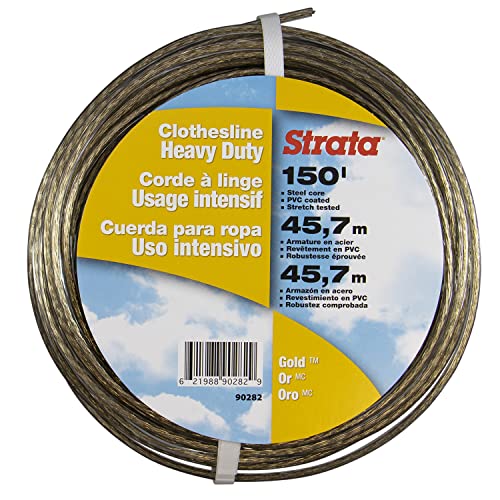
Breaking strength is the headline figure, but working load matters more in practice. A good rule is to choose a rope whose breaking strength is several times the weight you expect to hang, since wet laundry is heavier than dry laundry and wind adds movement. Low stretch is equally important, because a rope that stretches will sag and may let clothes touch the ground or each other. Also check whether the rope is rated for outdoor use, since that usually means better sun and moisture resistance.
Size, Weight and Fit for Your Space
Measure your span before you buy, and add extra length for knots, tensioning and attachment to posts or pulleys. A longer span sags more under the same load, so it needs a stronger and thicker rope than a short span. Diameter affects both strength and handling, since a very thick rope can be hard to knot and thread through pulleys.
A diameter of about 5 to 8 millimeters suits most household lines, with thicker rope reserved for long spans or heavy loads. Check pulley and fitting sizes too, so the rope passes through them smoothly.
Safety and Certifications
Clothesline rope is a simple product, but a few safety points still matter. Keep lines high enough that children and pets cannot easily reach them, and avoid spans across walkways where someone could trip. Check that supports are firm and that hardware is rated for outdoor use if the line sits outside.
There is no single safety certification to look for, so rely on clear strength ratings and maker guidance instead. Inspect the line regularly, and replace it if fibers fray or the rope feels weak in one spot.
Warranty and Customer Support
Warranty terms for rope are usually simple, covering defects in material or workmanship rather than wear from weather and use. Read the maker guidance on expected life outdoors, since sun and rain shorten life even for good rope. Keep the packaging or order details until you have installed the line and checked that the length and diameter match what you ordered.
If the rope arrives damaged or thinner than described, contact the seller promptly. A clear return policy matters more than a long warranty for a low cost item like this.
Build Quality and Materials
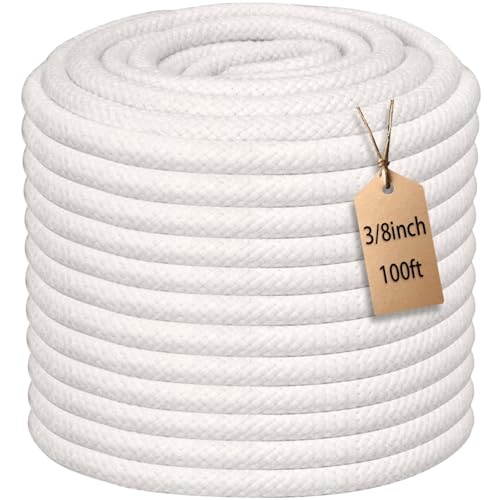
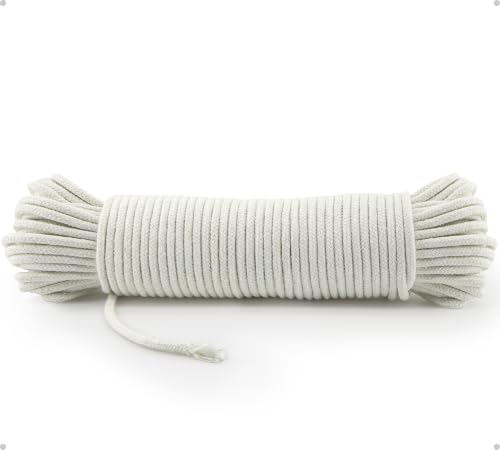
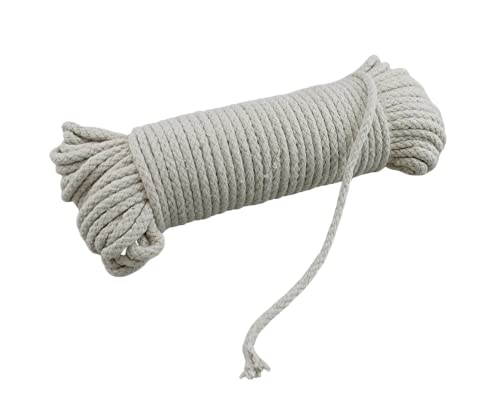
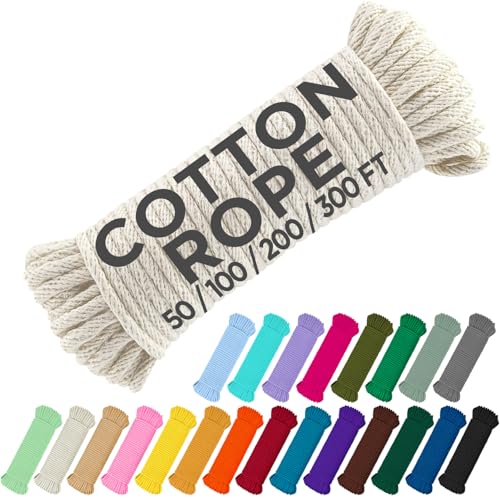
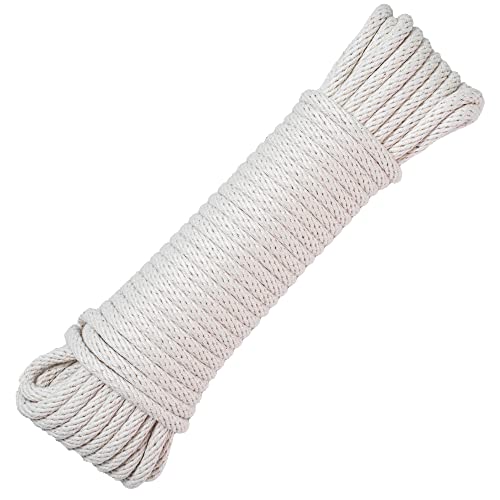
Material choice drives strength, stretch and weather resistance. Cotton rope feels soft and knots easily, but it absorbs water, stretches more and can mildew outdoors. Polyester rope resists sun and moisture well, stretches less and lasts longer outside, which makes it a strong default for outdoor lines.
Polypropylene rope is light and resists moisture, but it can weaken faster in strong sun unless it is treated. Braided rope usually handles better and resists fraying, while twisted rope can be easier to splice and knot. For most outdoor lines, a braided polyester rope offers the best balance.
| Material | Best for | Strengths | Watch out for |
|---|---|---|---|
| Cotton | Indoor and light use | Soft, easy to knot | Stretches, mildew outdoors |
| Polyester | Outdoor lines | Low stretch, sun resistant | Slightly stiffer feel |
| Polypropylene | Light outdoor use | Light, moisture resistant | Sun wear over time |
Rookie Mistakes to Avoid
- Buying too little rope, so the line ends up short once knots and tensioning are added.
- Choosing a thin rope for heavy loads, which causes sagging and faster wear.
- Using indoor rope outdoors, where sun and rain shorten its life.
- Setting supports too far apart without a stronger rope, so the middle sags under wet laundry.
- Skipping regular checks, so fraying goes unnoticed until the rope fails.
Getting Started: Setup and First Use
Start by measuring the span and marking where the rope will attach, then choose supports that can hold wet loads without bending. Thread the rope through pulleys or eyes, pull it taut by hand, and tie secure knots that you can retighten later. Read the maker guidance before first use, and check that the line clears the ground even when loaded with wet towels.
After the first few uses, retension the line, since new rope can settle slightly. Clean and inspect the rope regularly, and store spare rope in a dry place away from sun.
For a pulley system, check the full travel before hanging laundry, and make sure the rope moves freely without catching. For a fixed line, check both ends after windy weather, since movement can loosen knots over time. Keep the line clean by wiping off dirt and pollen, which can transfer to laundry. These small habits keep the line taut and extend its life with little effort.
FAQs
Are expensive clothesline ropes worth it?
Yes, a higher priced rope is worth it when it uses a weather resistant material and a tighter braid that lasts longer outdoors. Cheap rope may stretch, fray or weaken in sun, so it often needs replacing sooner, which erases the initial saving. For a short indoor line, an inexpensive rope can work well, since weather stress is low. For a long outdoor span, spending a little more on polyester or a treated rope usually pays off in fewer replacements and less sagging over time.
How do I maintain a clothesline rope?
Inspect the rope every few months for fraying, stiffness or weak spots, especially near knots and pulleys where wear concentrates. Wipe off dirt and mildew with mild soap and water, then let the rope dry fully before hanging laundry. Retighten the line when it sags, since a taut line dries clothes faster and keeps them off the ground.
Replace the rope promptly if fibers break or one section feels thin, since a weak spot can fail under a wet load. Store spare rope indoors away from sun.
How long does a clothesline rope last?
Life depends on material, sun exposure and load, with outdoor rope usually lasting one to three years and indoor rope lasting longer. Polyester rope tends to last longer outdoors than cotton, which can mildew and weaken faster in damp conditions. Heavy loads, long spans and strong sun all shorten life, while regular cleaning and retensioning extend it.
Check the rope at the start of each season, and replace it when fraying, stiffness or sagging appears. A rope that looks worn should not be trusted with heavy wet bedding.
How much should I spend on a clothesline rope?
Most household lines cost under $30 for rope alone, with price rising for longer lengths and thicker diameters. A basic indoor line can cost less, while a long outdoor span with stronger rope costs more. Spend more when the span is long, loads are heavy, or the line faces strong sun and rain.
Remember to budget for pulleys, hooks or tensioners if your setup needs them, since those parts add to the total. For most homes, a mid priced polyester rope gives good value.
What features matter most when buying clothesline ropes?
Material, diameter, low stretch and weather resistance matter most, in that order, for most buyers. Material sets durability, diameter sets strength and handling, low stretch keeps the line taut, and weather resistance protects outdoor lines. Length matters too, since a short rope cannot span your space once knots are added.
Color and texture matter less, though a smooth braid is easier on fabric and hands. Focus on those core features first, and treat extra claims as secondary when you compare options.
Final Thoughts
Choose best clothesline rope by matching material and diameter to your span, load and weather, rather than by price alone. A braided polyester rope suits most outdoor lines, while a softer rope can work well indoors. Check the product table above once more, measure your span with room for knots, and follow maker care guidance for cleaning and inspection. A well chosen line stays taut, dries laundry well and lasts longer with only occasional checks.