
Best CO Monitors in 2026: Types Compared and How to Choose
Disclosure: We may earn a commission when you buy through links on this page, at no extra cost to you. As an Amazon Associate I earn from qualifying purchases. Learn more

The best co monitors come as plug in, battery, combination and smart alarms: check placement, sensor type, battery style and end of life before you buy.
Shopping for the best co monitors gets confusing fast, because the shelf holds plug in units, battery units, combination alarms, and smart alarms that all promise the same warning. One fact should guide every choice: carbon monoxide is a colorless and odorless gas, so nobody in the house can see it, smell it, or taste it. Only a detector built for this gas can sense it and sound the alarm in time.
This guide compares each type side by side. The comparison table below sums up the types, and the sections after it explain how to pick the right one for your home.
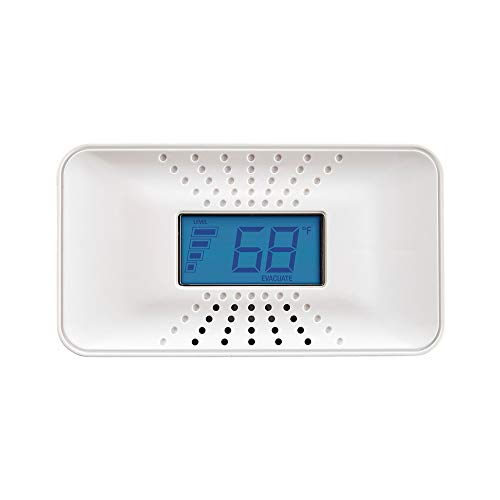

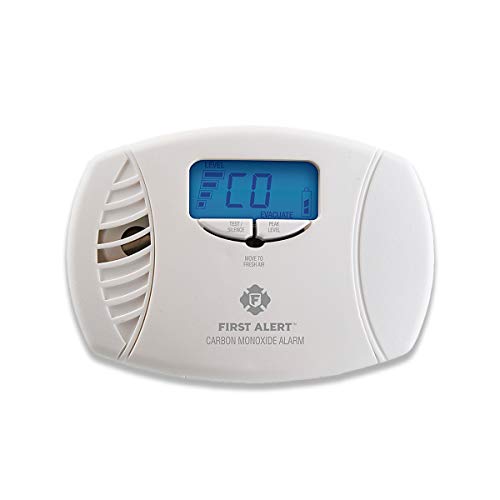

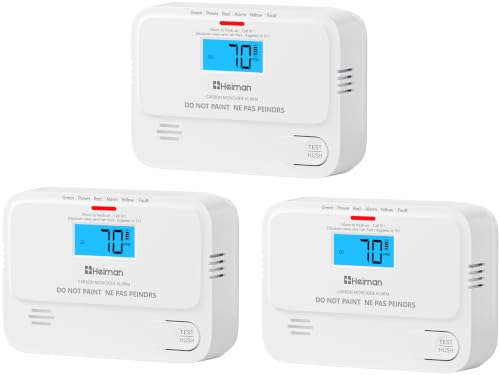

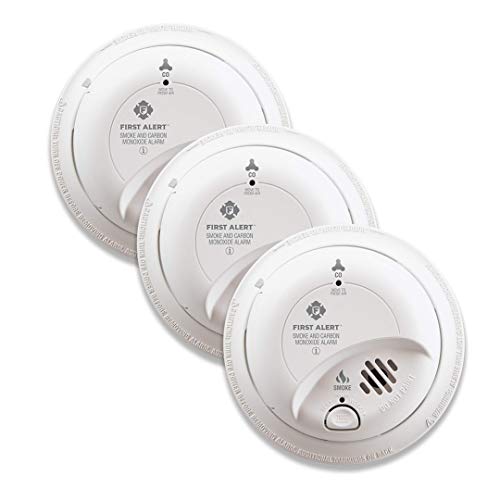
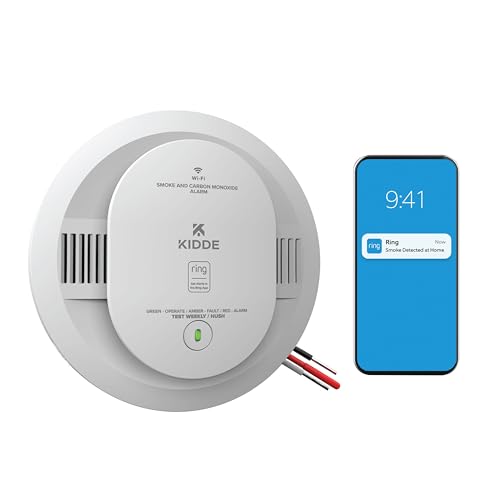

Types of CO Monitors Compared
| Type | Best For | Pros | Cons | Typical Price |
|---|---|---|---|---|
| Plug in with battery backup | Hallways near bedrooms | No battery swaps for main power, backup covers outages | Needs a free outlet at the right height | About $25 to $50 |
| Battery powered | Renters and quick installs | Mounts almost anywhere, moves easily | Batteries need changing on plain models | About $20 to $40 |
| Combination smoke and CO | Homes replacing old smoke alarms | One unit guards against two dangers | Both sensors expire together | About $35 to $65 |
| Hardwired and interconnected | Larger and multi story homes | When one unit sounds, they all sound | Install takes wiring work | About $40 to $70 |
| Smart CO alarm | Owners who travel often | Phone alerts reach you away from home | Costs the most, needs WiFi | About $90 to $130 |
Plug In Models With Battery Backup
Plug in models draw power from a wall outlet and keep a battery inside for outages. That mix suits hallways outside bedrooms, where an outlet usually sits close to the spot the maker recommends.
The limits are placement and space. The unit must sit where an outlet exists, and a cord can tempt people to rest it on the floor or hide it behind furniture, both of which break the placement rules on the box. Pick this type when the outlet and the recommended spot line up.
Battery Powered Models
Battery powered models run only on cells, so they mount on a wall or ceiling almost anywhere in minutes. They suit renters and older homes with few outlets.
The trade off is upkeep. Plain models ask for fresh batteries about once a year, while sealed models skip the swaps because the battery is built to last the life of the unit.
Combination Smoke and CO Alarms
A combination alarm pairs a smoke sensor and a CO sensor in one housing. This type makes sense when your smoke alarms are due for replacement anyway, because one install refreshes both kinds of protection.
Read the fine print on placement, because the two sensors prefer slightly different spots and the maker splits the difference in the manual. The whole unit also retires on the earlier of its two end of life dates.
Hardwired and Smart Alarms
Hardwired alarms tie into the home wiring, and interconnected models link together so one alarm sets off all of them. That whole house warning matters in a large home, where a basement problem might never be heard from an upstairs bedroom.
Smart alarms add phone alerts, self checks, and voice messages that name the room and the danger. They cost the most and depend on your WiFi, yet for people who travel, an alert that reaches the phone beats a louder siren nobody hears.
Plug In vs Battery Powered: Which Should You Choose?
These two types cover most homes, so compare them on four points. For power reliability, the plug in model wins while the grid is up, and its backup battery covers short outages. For placement freedom, the battery model wins, because it goes exactly where the manual wants it, outlet or not.
For upkeep, sealed battery models and plug in models tie at almost none, while a plain battery model needs a yearly swap. Choose plug in when a good outlet sits in the right hallway, and battery power when placement matters more.
How to Choose the Right CO Monitor
Placement Comes First
Placement decides whether even the best co monitors can do their job. A CO alarm belongs on every level of the home and outside each sleeping area. Place it near rooms that hold fuel burning appliances, following the maker instructions for height and distance rather than guessing.
Keep the unit out of the garage itself, away from steamy bathrooms, and not right above a stove, where normal fumes can dull the sensor or trigger false alarms. When in doubt, follow the box and your local code.
Sensor Type and Safety Listing
Most home units use an electrochemical sensor, which reacts to carbon monoxide and little else, so it stays quiet around steam and cooking. Look for a label showing the alarm meets the current United States safety standard for CO alarms.
The sensor is also the part that ages, which is why the replacement date below matters as much as the sensor type.
Power Source and Battery Style
Power decides how much upkeep a monitor asks of you. Plug in and hardwired models lean on house power with a battery for backup. Battery models split into two camps: replaceable cells you change about once a year, and sealed batteries built to last the full life of the unit.
Match the style to your habits. Households that already swap smoke alarm batteries on a set weekend can save money with replaceable cells. Everyone else should pay a little more for sealed batteries and drop the chore entirely.
Digital Display and Peak Readings
A digital display shows the current gas level in parts per million and often stores the highest level it has recorded. That peak reading helps a technician or the fire department judge whether a past event was minor or serious, even after the air has cleared.
A display is a strong extra, not a must. A basic alarm with no screen still sounds at the levels the standard requires, so buy it when the price gap is small or when you want to watch an older furnace closely.
End of Life and Replacement Timing
Every CO monitor wears out. The sensor degrades over time, and the whole unit must be replaced at its end of life, which is about ten years on current models. Sealed battery units are built so the battery and the sensor finish together, and the unit chirps or shows a message when that day comes.
Write the install date on the back of the unit the day you mount it. That one habit prevents the most common failure of all: an alarm that looks fine on the wall but stopped sensing years ago.
Tips to Get the Most From Your CO Monitor
- Press the test button once a month and replace any unit that fails to sound.
- If the alarm sounds for real, get everyone outside first, then call the emergency number or the fire department from outside or from a neighbor.
- Brush dust from the vents with a soft, dry cloth, because blocked vents slow the sensor.
- Never run a car, a generator, or a grill inside a garage or near an open window that feeds air to the house.
- Have fuel burning appliances and chimneys checked by a qualified technician once a year, since the alarm is a warning device, not a repair.
Questions Answered: CO Monitor FAQ
Where should a CO monitor be placed in a home?
Place CO monitors on every level of the home and outside each sleeping area, at the height the maker lists. One placement detail is easy to miss: keep the unit at the distance the manual sets from fuel burning appliances themselves, often a few feet away, so brief puffs at startup do not trip the sensor and train you to ignore it. Bedrooms inside closed doors count as sleeping areas too.
What should you do when a CO monitor sounds?
When a CO monitor sounds, get everyone outside right away and call the emergency number from outside the home. Do not stop to open windows, hunt for the source, or gather belongings, because carbon monoxide can overcome people quickly and without warning signs they can trust. Wait for the fire department to clear the home, and treat headaches, dizziness, or nausea in anyone as a reason to seek medical care promptly.
How long does a CO monitor last before replacement?
A CO monitor lasts about ten years before the whole unit needs replacement, even if it still sounds when you press the button. The button checks the horn and the circuit, not the aging sensor. Learn the sounds while the unit is new: the end of life signal is a different pattern from the low battery chirp, and the replace by date is printed on the back label.
Can a CO monitor also detect smoke or natural gas?
No, a CO monitor senses carbon monoxide only, and it cannot stand in for a smoke alarm or a gas leak alarm. Combination units exist for smoke and CO together, and that pairing is listed on the box. Natural gas and propane are different hazards again, and they call for their own listed combustible gas alarm placed as that maker directs.
Does a plug in CO monitor still work during a power outage?
A plug in CO monitor keeps working during an outage only when it carries a battery backup, and that detail is worth checking before you buy. Outages and furnace trouble often arrive together in storm season. Check the backup once a year by unplugging the unit briefly the way the manual describes, and replace a weak backup battery at once.
Final Thoughts
Start with placement, then pick the type that fits that spot: plug in with backup for the hallway outlet, sealed battery for anywhere else, and combination or interconnected models when the house is large or the smoke alarms are due. The product table above pulls the price bands together so you can match a type to your layout at a glance.
Whichever type you choose, the best co monitors share three traits: a listed electrochemical sensor, a power plan that survives an outage, and a replace by date you actually write down. Cover every level and every sleeping area first, and let extra features come after that.


