Best Club Speakers 2026: A Practical Buying Guide
Disclosure: We may earn a commission when you buy through links on this page, at no extra cost to you. As an Amazon Associate I earn from qualifying purchases. Learn more

The best club speakers match your room, crowd and music: learn how power, coverage, bass control and setup features decide the sound on a busy night.
Choosing best club speakers is less about the loudest box and more about the right sound for your room, your crowd, and your music style. A speaker that fills a small bar can sound thin in a large hall, while a huge system can overwhelm a cozy venue and annoy neighbors. The goal is clear vocals, controlled bass, and even coverage from the front row to the back wall.
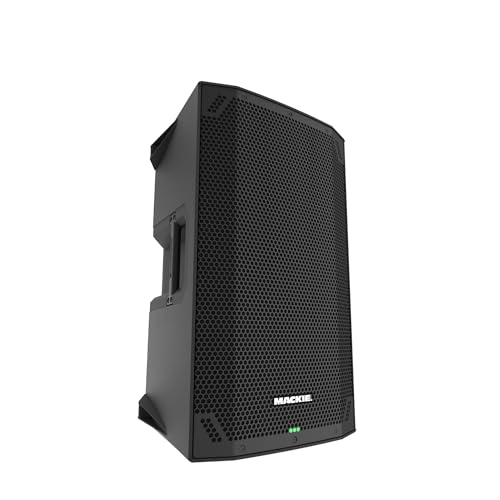
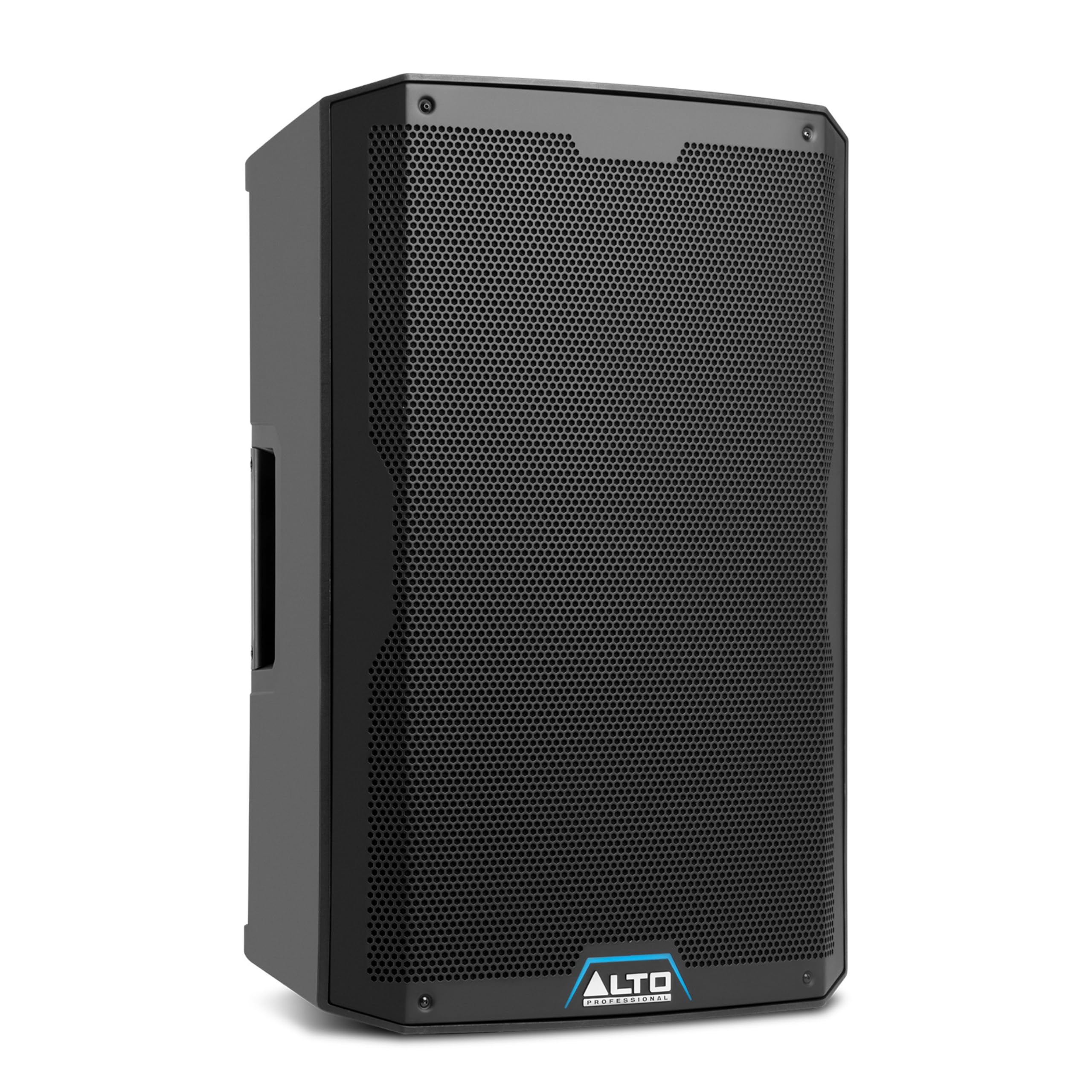
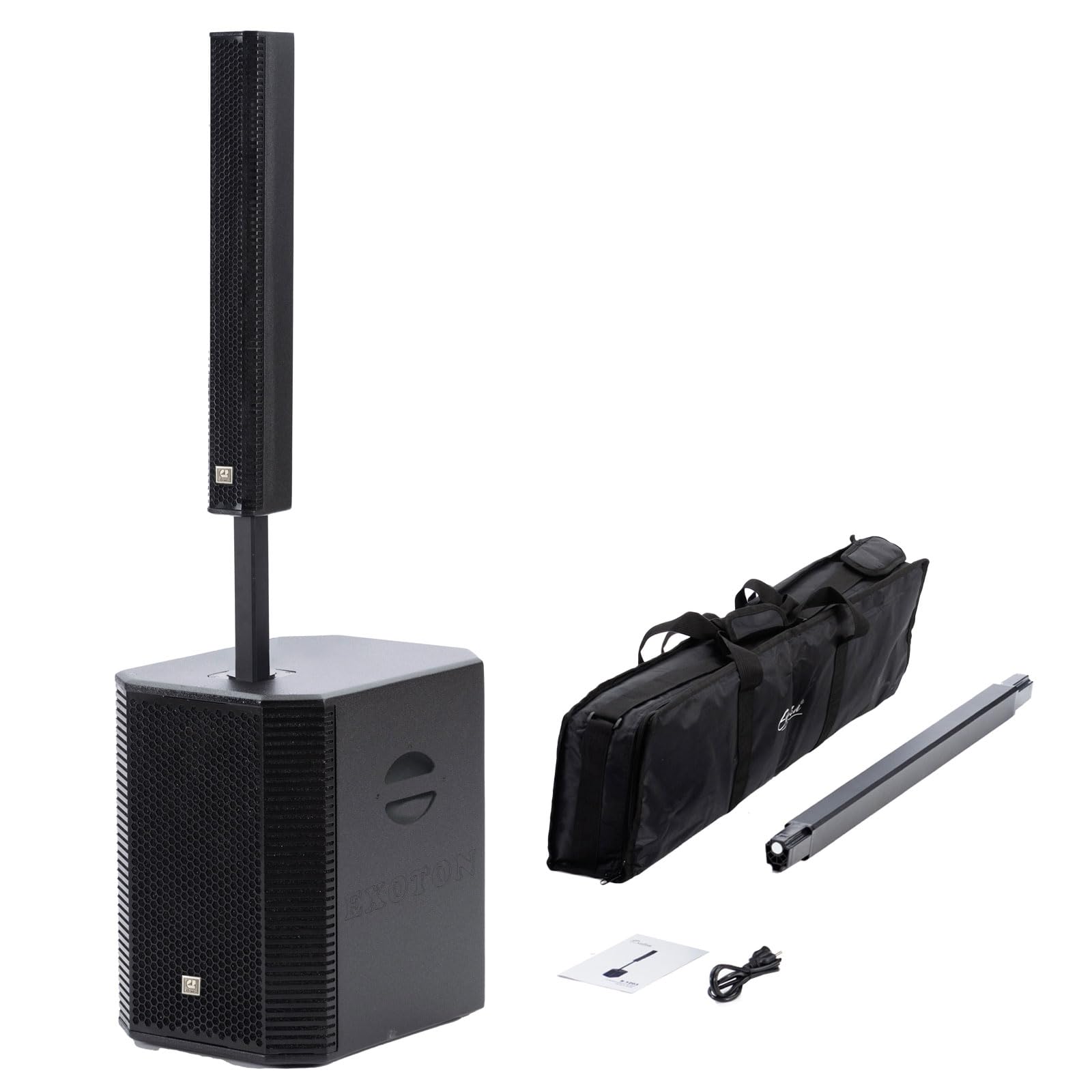
The comparison table below outlines the main speaker styles for club use, and the rest of this guide explains how to match them to your space. You will learn how power ratings work, why placement matters as much as wattage, and which practical features save time during setup and teardown.



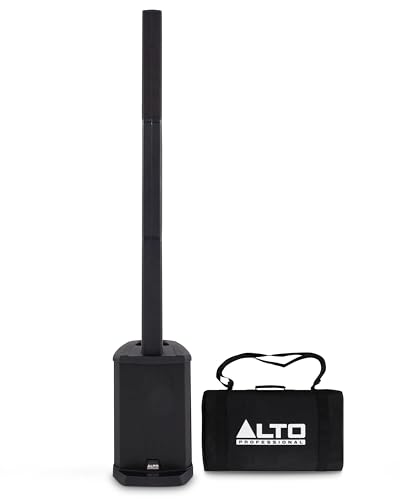
Who Needs Club Speakers and Where They Will Play
The best club speakers serve DJs, live acts, venue owners, and event organizers who need reliable sound for dancing and announcements. A resident DJ in a fixed venue has different needs from a mobile DJ who loads gear into a different room every weekend. Fixed installs can favor heavier cabinets and permanent mounting, while mobile work rewards lighter boxes, sturdy handles, and simple connections.
Room size and shape should drive your shortlist. A long narrow room needs speakers that throw sound evenly down its length, while a wide open room needs wider coverage to avoid dead spots at the sides. Low ceilings, hard floors, and glass walls add reflections that can make bass sound boomy, so plan for placement and volume control, not just raw power.
Think about who will operate the system. If different DJs or staff use the room, clear labels, preset levels, and forgiving controls reduce mistakes. A system that sounds great in expert hands but confuses a new operator will cause problems on busy nights, so ease of use is a real buying factor.
Power, Coverage, and Bass Explained Simply
Power ratings can mislead if you read only the biggest number on the box. Peak power describes a brief maximum, while continuous power describes what a speaker can sustain during a long set. Compare continuous ratings across models, and remember that efficient speakers can sound louder than inefficient ones with the same amplifier power.
Coverage describes how widely sound spreads from a speaker. A narrow pattern reaches further in one direction, while a wide pattern covers more of the room but loses energy sooner. For a dance floor, aim for coverage that reaches the edges without blasting the front row, and use two speakers angled slightly inward rather than one speaker turned up too high.
Bass needs control, not just volume. A subwoofer adds depth for dance music, but too much low end can muddy vocals and tire listeners. Start with the subwoofer level lower than you think you need, then raise it until the music feels full without losing clarity. If the room rattles, move the subwoofer away from corners or lower its level.
Setup, Connections, and Protecting Your Gear
Setup time matters on gig nights. Active speakers with built in amplifiers reduce the number of boxes to carry, while passive speakers need a separate amplifier and more cable planning. Check inputs before you buy, because a DJ mixer, a laptop, and a microphone may all need different connections on the same night.
Cables, stands, and covers protect both sound and gear. Use stands that hold the speaker at head height for the crowd, keep cables away from walkways, and carry spare cables for the most common connections. A speaker cover may seem like a small detail, but it prevents scratches and dents during transport and storage.
For portable use, compare best portable speakers and best mobile speakers to see how size and battery options change your setup. At home or in a small venue, best bt speakers can simplify wireless playback, while best sounding speakers helps you judge overall sound quality. For the smallest gigs, best handheld speakers may be enough for announcements and background music.
Budget, Room Checks, and Common Mistakes
Set a budget that includes stands, cables, and a subwoofer if your music needs one. A slightly smaller speaker system with good stands and proper placement often sounds better than a larger system bought with no money left for accessories. Leave room in the budget for a spare cable and a basic toolkit.
If possible, listen in a room similar to your venue before you buy. Online demos cannot show how a speaker behaves with your room reflections, your crowd noise, and your music. Pay attention to vocal clarity at moderate volume, because a system that only sounds good when very loud will be hard to use for long nights.
Avoid the mistake of buying for the biggest room you might play once a year. Buy for the rooms you play most often, and hire extra gear for rare large events. This approach keeps your regular setup manageable and your sound consistent where it matters most.
Getting More From Your Choice
Think about how sound behaves in your actual room, because reflections from hard floors, glass, and low ceilings can change a speaker system dramatically. Walk the room while music plays at moderate volume, and listen from the dance floor, the bar, and the back corners. You may find that a small angle change or a move away from a corner improves clarity more than extra power. Room treatment, such as curtains or soft furnishings, can also tame harsh reflections without a large budget.
Plan your cable runs and power supply before gig night, because tangled cables and overloaded circuits cause more problems than speaker choice. Keep speaker cables away from walkways, label every connection, and carry a spare power cable and a spare signal cable in your kit. Check that the venue power supply can handle your amplifiers and subwoofer together, especially in older buildings. A short sound check with the full system running will reveal hums, buzzes, or level problems early.
Consider how the system will handle different music styles across one night. A DJ set may move from vocal heavy tracks to bass heavy dance music, and a system that only suits one style will disappoint part of the crowd. Check vocal clarity, bass control, and high frequency detail at the volume you will actually use, not just at maximum volume. A balanced system that handles variety well will keep dancers and listeners happy for longer.
Think about transport and storage between gigs, because club speakers face knocks, dust, and damp vans. Use covers, keep grilles protected, and store speakers upright in a dry place where they will not fall. Check handles, feet, and grille fixings regularly, because a loose handle can fail during a load in. Good transport habits extend speaker life and keep sound quality consistent from gig to gig.
Agree volume limits with the venue before the night starts, especially if neighbors or a license limit apply. A limiter or a marked maximum level on the mixer helps every operator stay within agreed limits, even when the crowd asks for more volume. Clear limits protect your relationship with the venue and reduce the risk of complaints, while still letting the music feel energetic on the dance floor.
Finally, keep a simple setup checklist for every gig, including speaker positions, stand heights, cable checks, and a short sound check routine. A checklist reduces setup stress, helps new operators, and makes it easier to spot a missing cable or a wrong setting before the doors open. Review the checklist after difficult gigs, and update it with lessons learned, so each event runs more smoothly than the last.
Frequently Asked Questions
How many speakers do I need for a club night?
Two main speakers cover most small to medium rooms, with a subwoofer added for dance music. Larger or oddly shaped rooms may need extra speakers to fill side areas, but start with a balanced pair and add only if you find real dead spots. More speakers do not automatically mean better sound.
Should I choose active or passive club speakers?
Active speakers suit most DJs and mobile work because the amplifier is built in and matched to the speaker. Passive speakers suit fixed installs where an installer can choose a central amplifier and run long cable lengths. Choose active for simplicity, and passive only if you have a clear install reason.
How much power do I need for a small club?
Power needs depend on room size, crowd size, and music style, not on a single wattage number. A small bar may work well with a modest pair, while a large hall with a dancing crowd needs more headroom. Focus on continuous power, speaker efficiency, and coverage rather than chasing the highest peak number.
Where should I place club speakers?
Place speakers on stands at head height, angled toward the dance floor, and away from corners that boost bass unevenly. Keep speakers clear of walls where possible, and avoid pointing a speaker directly at a microphone to reduce feedback. Small placement changes often improve sound more than extra volume.
Do I need a subwoofer for club speakers?
A subwoofer helps dance, hip hop, and electronic music feel full, but it is not essential for speech or acoustic sets. If you add one, keep its level balanced with the main speakers and place it where bass sounds even across the room. Test with your usual music before a live night.
Final Thoughts
Match speaker size and coverage to your usual room, keep bass controlled, and budget for stands and cables as well as the speakers themselves. A well placed pair with clear vocals will serve a club night better than an oversized system that is hard to control.
When you compare options, keep best club speakers focused on your real venues and your real music. The product table above can help you narrow the styles before you listen and decide.