Best Clothing Steamers: How to Choose the Right One
Disclosure: We may earn a commission when you buy through links on this page, at no extra cost to you. As an Amazon Associate we earn from qualifying purchases. Learn more
Your shirt is a wrinkled mess and the ironing board is folded up somewhere in a closet you have no time to dig through. A garment steamer solves that problem in under a minute, which is exactly why so many people replace their iron with one. Picking the best clothing steamers for your own routine, though, means looking past marketing copy and understanding what steam power, tank size, and form factor actually do for you. This guide walks through whether you even need a steamer over an iron, which specs genuinely matter, which type fits your day-to-day, and how to avoid the leaking and spitting problems that frustrate so many first-time buyers.

Steamer or Iron: Solving the Real Question First
Before comparing specs, it helps to settle a more basic question: does a steamer even replace what you already own? For most everyday garments, the answer is yes. Steam relaxes fibers without pressing a hot plate directly onto fabric, which makes it faster and gentler for shirts, blouses, sweaters, dresses, and casual pants. It also works on fabric that never touches direct heat well, like delicate synthetics and knits that can shine or scorch under an iron.
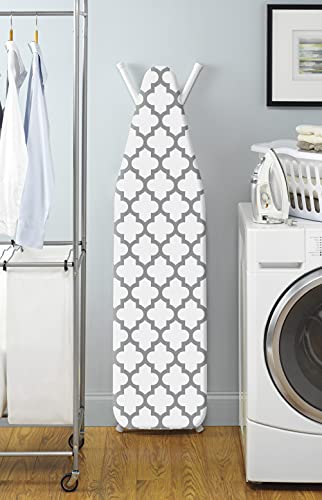
Where a steamer still loses is on structured, crisp results. Sharp trouser creases, stiff dress shirt collars, and heavily starched cotton respond better to pressure and a flat surface. If that describes a meaningful chunk of your wardrobe, keep a proper ironing board set up rather than assuming a steamer replaces it outright. For nearly everything else, steaming genuinely is the faster, lower-risk option.
The Specs That Actually Decide How Well It Works
Two steamers can look nearly identical on a shelf and perform completely differently once you get them home. These are the numbers and features worth checking before anything else.
Steam Output
Steam output, usually tied to wattage or grams of steam per minute, is the single biggest factor in how fast a garment gets wrinkle-free. Weak, sputtery output means holding the fabric in place for a long stretch per crease. A strong, continuous stream relaxes fibers in a few seconds and pushes through thicker weaves without you having to go back over the same spot twice.
Heat-Up Time
Some units are ready in under a minute. Cheaper models can take several minutes before they produce usable steam, which matters a lot if you tend to steam clothes right before walking out the door. If your routine is rushed most mornings, heat-up speed should weigh as heavily as steam power itself.
Tank Size Versus Weight
A bigger tank means longer sessions between refills, which is useful if you are working through several outfits at once. That capacity adds weight and bulk, though, especially in a handheld unit you are holding the whole time. A smaller tank keeps things light and easy to maneuver, with the tradeoff being more trips back to the sink.
Adjustable Fabric Settings
Variable steam intensity lets a single machine handle delicate silk on a gentle setting and heavy denim or wool on a higher one. If your closet mixes fabric weights, this feature is worth paying extra for over a fixed-output model that treats every garment the same way.
Handheld, Upright, or Travel: Matching It to How You Actually Live
Once the specs make sense, the next decision is form factor. Among the best clothing steamers on the market, three general styles cover almost every use case, and picking wrong is what leads people to abandon a perfectly good machine.
Handheld Steamers
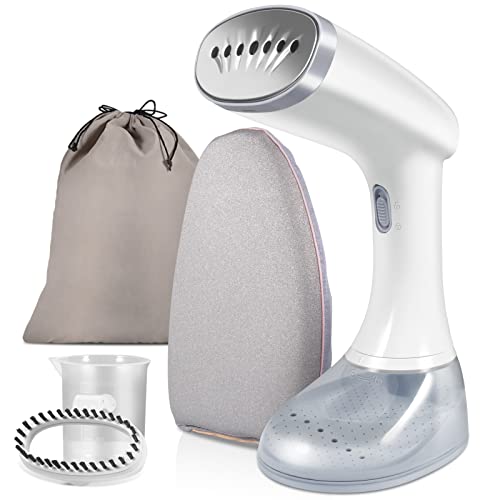
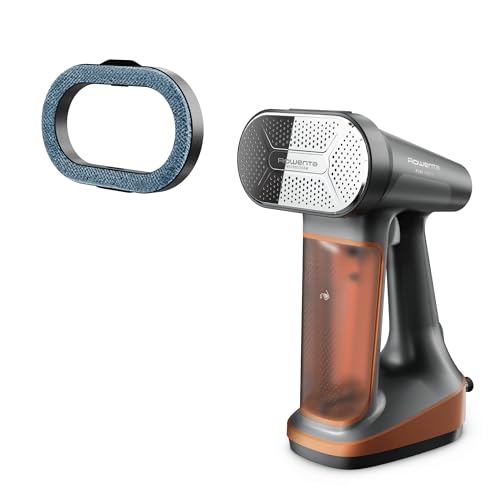
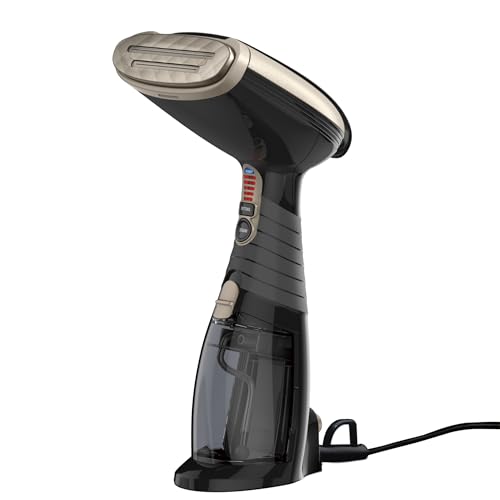
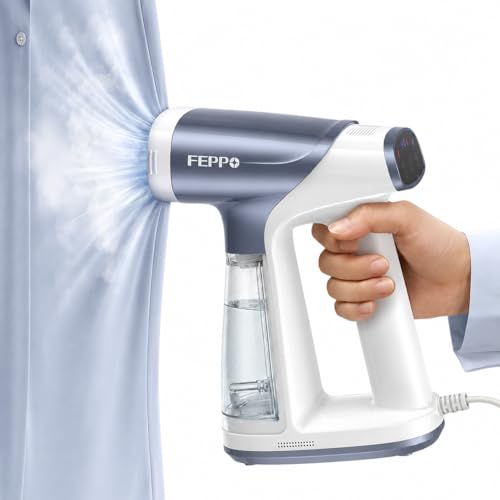
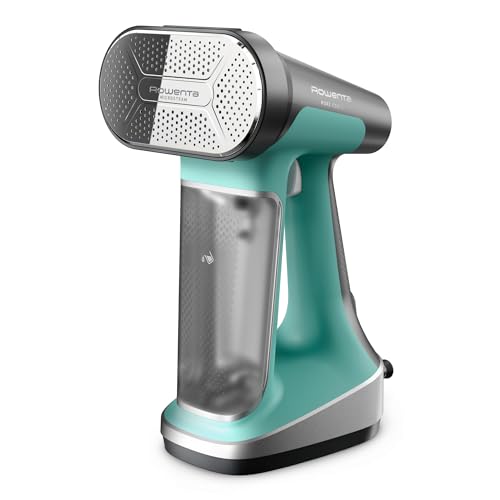
Handheld units are compact, one-handed tools built for touch-ups on a garment or two. They suit someone knocking out a single wrinkled shirt rather than working through a full closet. Before you start, hang the item on a sturdy hanger so gravity helps the fabric fall straight, since flimsy wire hangers tend to bend or tip under the weight of the steaming motion; a set of solid wooden hangers makes this noticeably easier.
Upright and Standing Steamers
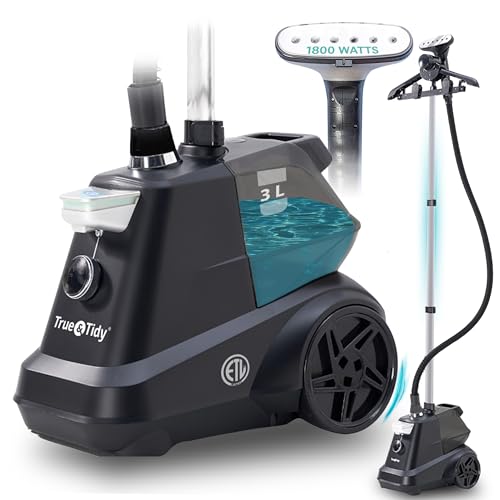
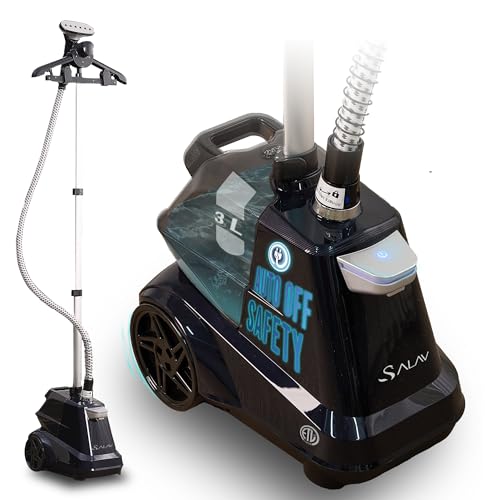
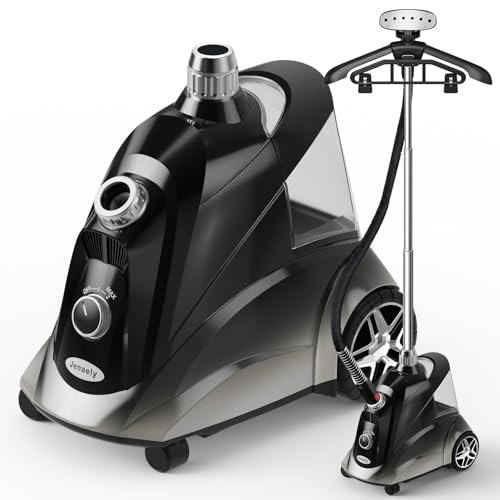
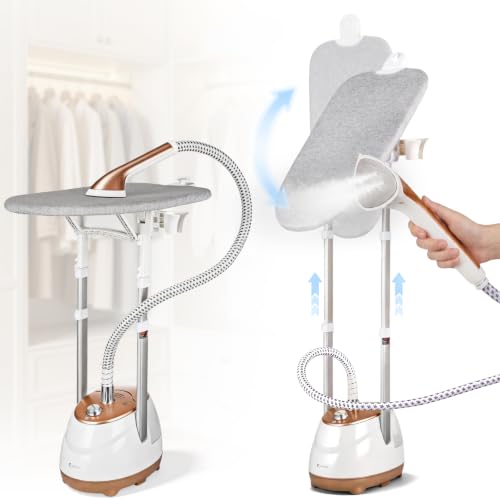
Upright models mount on a pole with a hanger bar, freeing both hands to work the fabric while the base holds the tank and heating element. These make more sense if you steam multiple outfits regularly or want to avoid holding a unit for long stretches, though a lightweight pole can feel wobbly on certain models, so check the base stability before buying. Upright units also cross over into household fabric beyond clothing, but curtains, drapes, and heavier upholstery generally need more raw power than a garment-focused steamer delivers; a dedicated drapery steamer is built for that heavier job specifically.
Travel Steamers
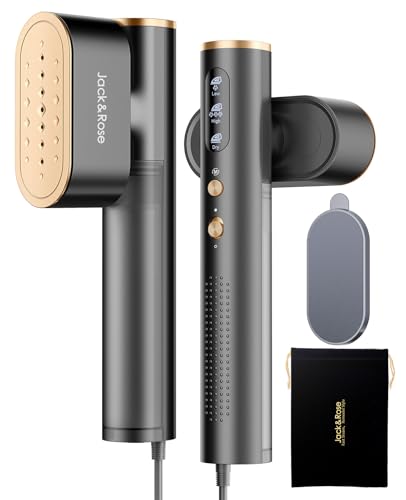
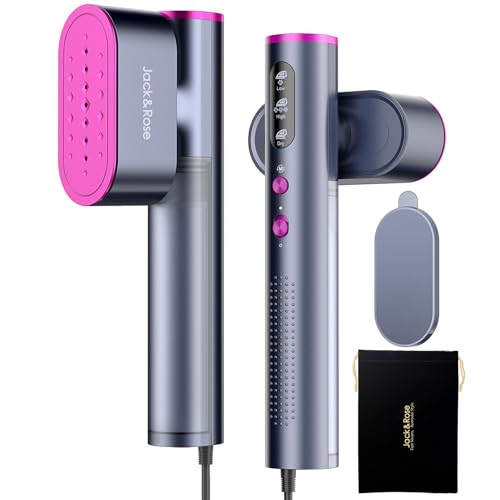
Travel steamers are a smaller, lighter subset of handheld models, often built with dual-voltage support and a folding handle to fit in a suitcase. They trade tank size and raw steam power for size, so expect shorter run times and more frequent refills. If travel is your main use case, prioritize a fast heat-up and compact folding design over maximum output.
Why Steamers Leak, Spit, or Lose Power
Water dripping onto fabric instead of clean steam is the single most common complaint people have with these machines, and it is almost always preventable. Mineral buildup from hard tap water is the leading cause, since scale deposits clog the internal valve over time and cause sputtering. Mixing tap water with distilled water, or using distilled water outright, cuts this problem down significantly.
Tilting or laying the unit on its side while steaming is another common trigger, since most designs rely on staying upright to keep water and steam properly separated. Skipping the initial burst of steam into the air, rather than straight onto fabric, is worth doing too, since it clears any residual water sitting in the nozzle from the last use. Overfilling the tank past its fill line causes similar sputtering, so stick to the marked capacity even if you are tempted to squeeze in a little more for a longer session.
Frequently Asked Questions
Can a clothing steamer replace an iron completely?
For most everyday garments, yes. Steamers handle the majority of fabrics faster and with less risk of scorching. Sharp trouser creases and heavily starched dress shirts are the main exception, where an iron still produces a crisper result.
Is a clothing steamer safe for delicate fabrics like silk?
Yes, and it is generally gentler than ironing since the fabric never touches a hot plate directly. A lower steam setting works well on silk, cashmere, and other materials that could scorch or shine under an iron.
What kind of water should I use in a clothing steamer?
Untreated tap water works for most units, but if your water is hard, mixing it with distilled water reduces mineral buildup and keeps the steamer working efficiently for longer.
Why is my steamer dripping water instead of producing steam?
This usually points to mineral buildup, tilting the unit while steaming, or not letting it heat fully before use. Releasing the first burst of steam into the air rather than onto fabric often clears the issue.
Can a steamer remove wrinkles from heavy fabric like denim or wool?
Yes, though it takes longer than lightweight fabric like cotton or silk. A model with a higher, adjustable steam setting handles thick material noticeably better than a low-output unit.
Is a handheld or upright steamer better for everyday use?
It depends on volume. Handheld units suit quick touch-ups on one or two items, while upright models are easier on your arm and better suited to steaming multiple outfits or bulkier fabric in one session.
Can a garment steamer dry damp clothes?
No, that is not what it is designed for. A steamer adds moisture through hot vapor to relax fibers; it will not pull existing moisture out of fabric the way a dryer does.
Making Your Decision
The right pick comes down to how you actually plan to use it rather than which one has the most impressive spec sheet. A compact handheld model suits quick touch-ups and travel, while an upright unit earns its extra bulk if you are steaming full outfits on a regular basis. Once steam output, heat-up time, and tank size line up with your routine, choosing among the best clothing steamers becomes a much shorter list.