
Irons & Steamers
Find the best irons and steamers to keep your clothes crisp and wrinkle free, from compact travel steamers to full size irons with advanced steam settings. Our curated selection highlights top rated picks for speed and ease of use.
We review heating performance, steam output, and safety features to help you make the right choice. Compare options and simplify laundry day with an iron or steamer that delivers results.

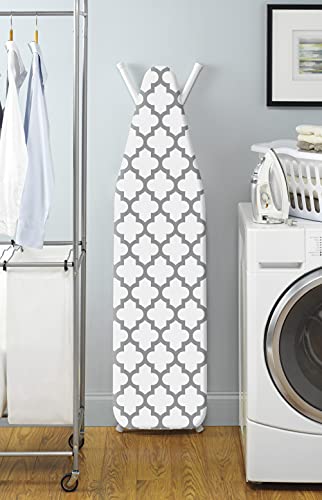
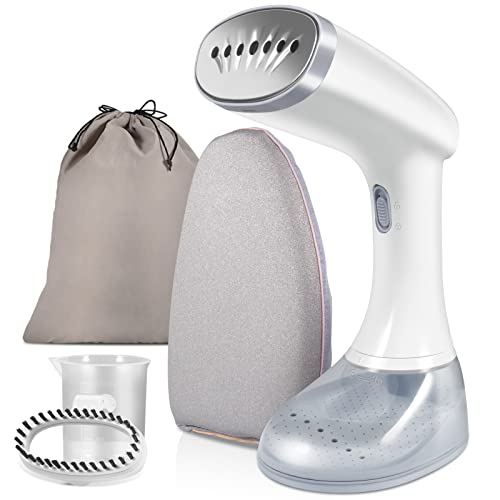
Iron or Steamer: Which Do You Need?
Irons and garment steamers solve the same problem in different ways. An iron presses fabric flat between a hot soleplate and a board, which creates crisp creases and sharp collars. A steamer relaxes wrinkles with hot vapor while the garment hangs, so it is faster for delicate fabrics and quick touch-ups but less precise.
- Choose an iron if you wear dress shirts, pressed trousers, or cotton and linen that need structure.
- Choose a steamer for silk, chiffon, knits, suits between dry cleanings, curtains, and wrinkled travel clothes.
- Own both if your wardrobe mixes formal workwear with delicate pieces.
Features That Matter on an Iron
Wattage affects how quickly an iron heats and recovers between strokes; many full-size models sit around 1,500 to 1,800 watts. A stainless steel or ceramic soleplate glides smoothly, and a pointed tip helps around buttons and pleats. Look for variable steam control, a burst of steam button for stubborn wrinkles, and vertical steaming for hanging items.
Safety features are worth the small price difference. Auto shut-off turns the iron off if it sits idle, and anti-drip systems keep water from spotting fabric at low temperatures. Pair the iron with a stable surface: our guide to the best ironing board covers height adjustment, cover padding, and iron rests.
What to Look For in a Steamer
Handheld steamers are compact and good for travel or small closets, while upright models hold more water and run longer without refilling. Key specs include heat-up time, continuous steam duration, and tank capacity. Accessories like a fabric brush or crease clip add versatility. Our clothing steamers guide breaks down how handheld and upright designs compare.
Common Mistakes
- Using hard tap water in a model that recommends distilled or filtered water, which leads to mineral buildup.
- Ironing delicate synthetics on a high setting without a pressing cloth.
- Leaving water in the tank between uses, which can cause spitting and odor.
- Steaming fabrics the care label says should stay dry.
Most reliable irons and handheld steamers cost under $100, while upright steamers and premium steam stations often run from $100 to $300. Spending more usually buys stronger steam, bigger tanks, and longer warranties rather than a dramatically different result for everyday clothes.
Irons & Steamers FAQ
Can a steamer replace an iron completely?
For many people it can, especially if you wear knits, blouses, and casual clothes. If you need sharp creases on dress shirts or trousers, an iron still does a better job.
Should I use distilled water in my iron or steamer?
Check the manual first. Many models work with tap water but suggest distilled or a mix in hard-water areas to limit mineral buildup, while others are designed for regular tap water only.
Why does my iron leave water spots on clothes?
Spotting usually happens when steam is used at a temperature too low to turn water into vapor. Use steam only on higher heat settings, choose a model with an anti-drip feature, and empty the tank after use.
Are handheld steamers good for travel?
Yes. Compact handheld steamers heat quickly and fit in a suitcase, though their small tanks limit run time. Check whether the model supports dual voltage if you travel internationally.
How long do irons and steamers usually last?
With regular descaling and proper storage, a quality iron or steamer can last several years. Mineral buildup is the most common cause of failure, so follow the cleaning instructions.