Best Ironing Board: A Complete Buying Guide
Disclosure: We may earn a commission when you buy through links on this page, at no extra cost to you. As an Amazon Associate I earn from qualifying purchases. Learn more
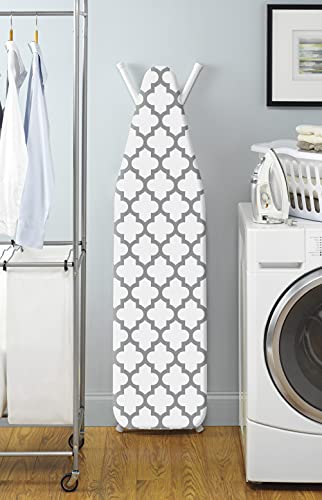
If your current ironing board wobbles every time you press down, folds up on its own, or sits at a height that leaves your back aching after ten minutes, you already know that not all boards are built the same. Finding the best ironing board for your home is less about brand names and more about a handful of practical details: how sturdy the frame is, whether the size and height actually fit your body and your laundry, and what kind of cover you're ironing on. This guide walks through what separates the best ironing board options from the flimsy ones, so you can shop with a clear idea of what to check, rather than guessing based on price alone.
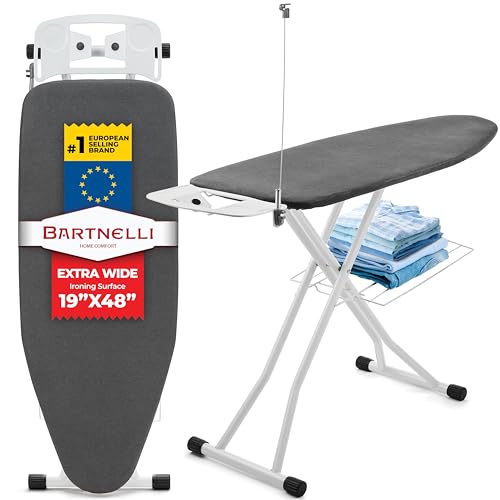
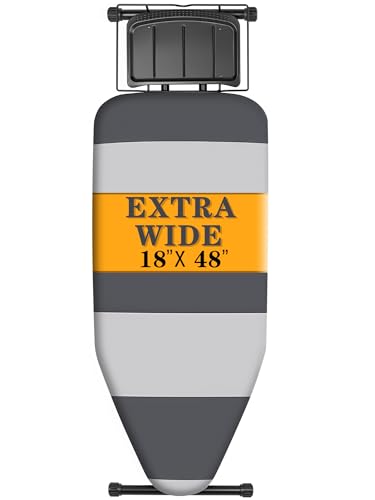

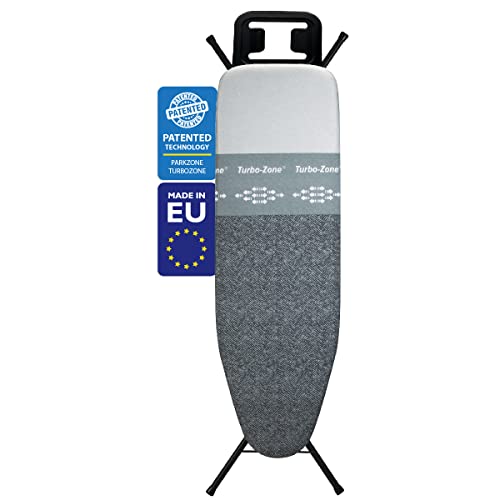
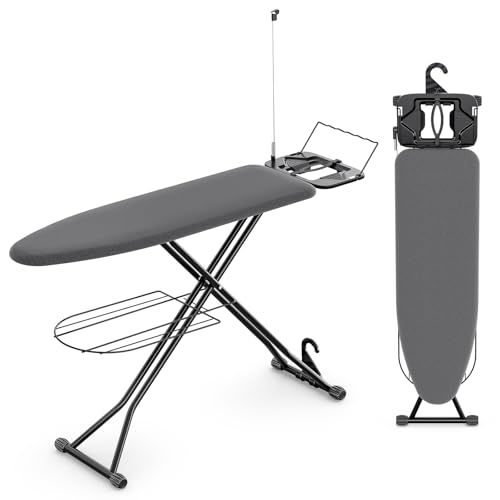
Frame Stability and Build Quality Come First
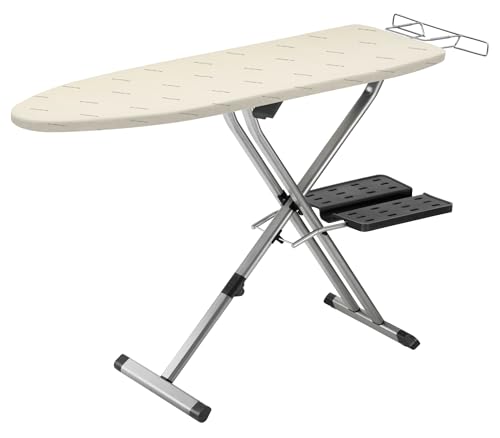
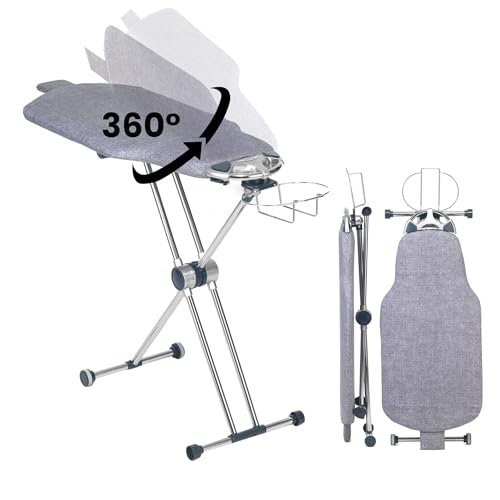
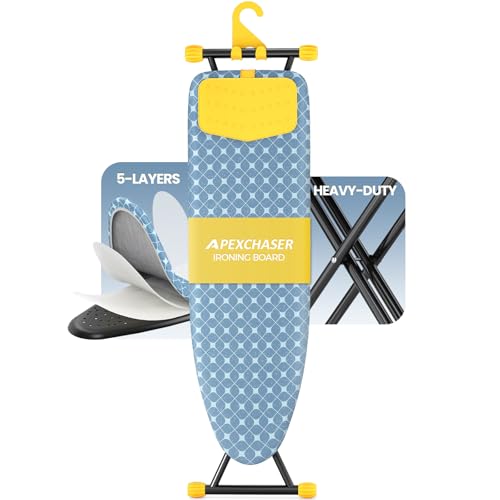
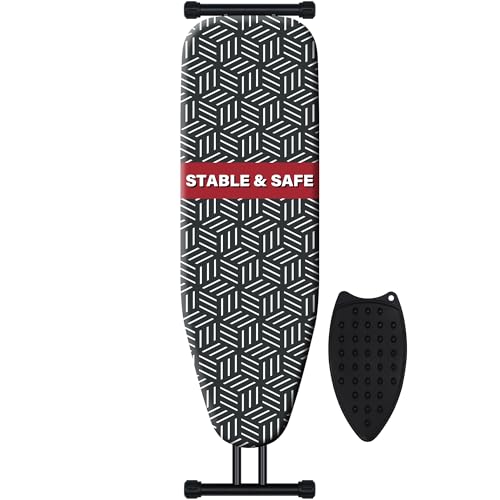
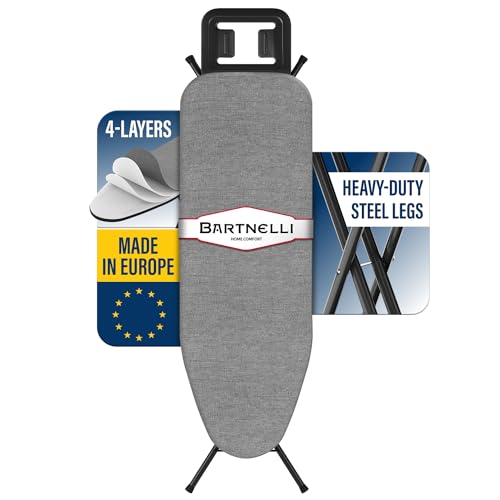
Before you look at size or extra features, the frame is what determines whether a board is pleasant to use or a daily annoyance. In fact, frame quality is usually the single biggest thing separating the best ironing board picks from ones that end up shoved in a closet after a month. A board that rocks or shifts when you press the iron down forces you to slow down, re-press seams, and constantly nudge it back into place. Over months of regular use, that small irritation adds up.
Why a Wobbly Board Is More Than Annoying
A board that shakes under pressure isn't just uncomfortable, it also makes it harder to get crisp results, since you're fighting the board instead of focusing on the fabric. Steel frames generally hold up better than lightweight aluminum or plastic-heavy builds, especially if more than one person in the household uses the board regularly or if you iron heavier items like denim.
What a Sturdy Leg Lock Should Feel Like
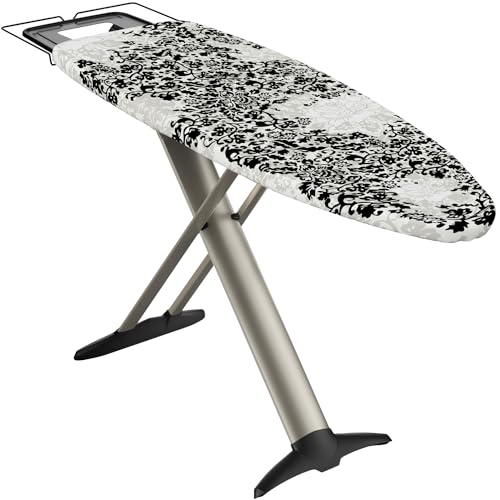
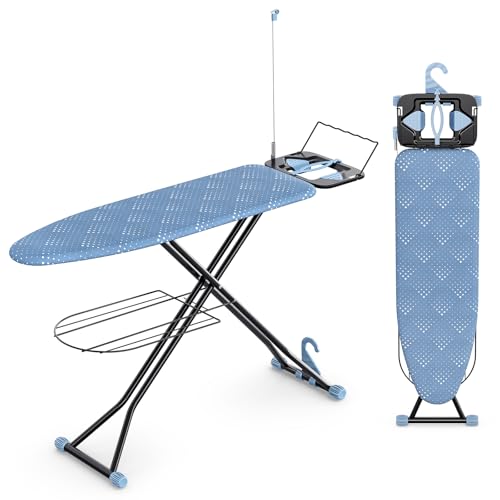
Look closely at how the legs open and lock. A good best ironing board pick should snap into place with a firm, obvious click, not a loose hinge that needs to be jiggled into position. Rubber or wide non-slip feet matter too, since they keep the board from sliding on tile or hardwood and make it far less likely to tip over if you lean on one side while ironing a sleeve or pant leg.
Matching Board Size and Height to How You Iron
Size and height get less attention than they deserve, but they directly affect how comfortable ironing feels and how well large items actually fit on the board. Getting these two measurements right is just as important as frame quality when you're trying to land on the best ironing board for your household.
Standard vs Wide-Top Boards
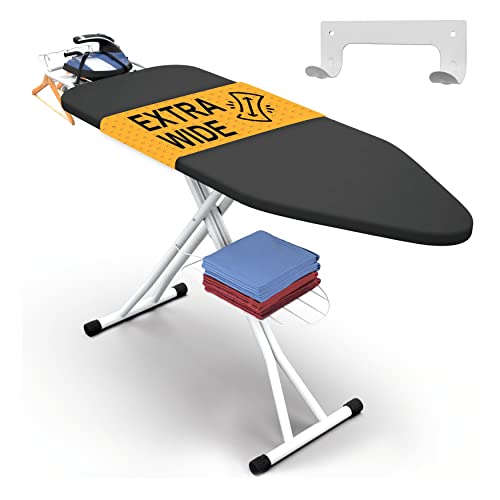
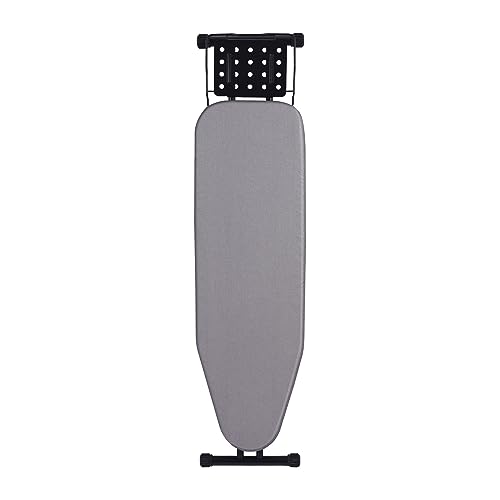
A standard board typically runs around 54 inches long and 15 inches wide, which works fine for shirts, pants, and most everyday clothing. If you regularly iron bedsheets, tablecloths, or bulkier items like jackets, a wide-top board, often closer to 18 by 49 inches, gives you more surface to work with and means fewer awkward repositions mid-task. The tradeoff is that wider boards take up more storage space when folded, so it's worth thinking about where yours will actually live between uses.
Getting the Height Right for Your Body
An ironing board that sits too low forces you to hunch over, which gets tiring fast, while one that's too high makes it hard to apply even pressure. Most adjustable boards range from around 25 to 40 inches, and the general rule is to aim for roughly waist height, where your elbows stay slightly bent while you work. If multiple people with different heights use the same board, adjustable height stops matter more than they might seem to at first glance, since they let each person set the board where it's comfortable rather than compromising on one fixed level.
Freestanding, Wall-Mounted, or Tabletop: Choosing the Right Type
Once stability and size are settled, the next decision is which format actually fits your space and habits. Each type has real tradeoffs, not just cosmetic differences, and the answer to which is the best ironing board type for you often comes down to how much floor space you have to spare.
Freestanding Boards
This is the most common style, and for good reason: it's portable, works in any room, and tends to offer the most stability for heavier ironing sessions since the full frame and legs support the weight. The downside is storage. Even folded, a freestanding board needs a closet, gap behind a door, or similar spot to lean against.
Wall-Mounted and Hanging Boards
A wall-mounted board folds flat against the wall and unfolds in seconds, which makes it a strong choice for small laundry rooms, apartments, or closets where floor space is limited. Because it's fixed in one spot, setup and takedown are genuinely faster than pulling out a freestanding board. The catch is that quality varies a lot here. A well-built wall-mounted board with a reinforced frame and locking mechanism can be just as stable as a freestanding one, but a cheap version can feel flimsy under any real pressure.
Tabletop and Compact Boards
For occasional ironing, dorm rooms, or very small apartments, a compact or tabletop board that sits on a counter or bed can be enough. These trade surface area and stability for size, so they're better suited to quick touch-ups on a few items than for tackling a full basket of laundry or larger pieces like sheets.
Cover Material and Padding: Why They Change How Fast You Iron
The cover is easy to overlook, but it has a real effect on both ironing speed and how long the board itself lasts underneath. Even a well-built frame won't feel like the best ironing board you've owned if the cover underneath is thin, scorched, or slippery.
Reflective and Metallic Covers
Covers with a metallic or silicone-coated layer reflect heat back up into the fabric, which can help smooth both sides of a garment faster and cuts down on total ironing time, especially with dry ironing on heavier fabric. That speed advantage is smaller if you mostly use a steam iron, since the moisture is already doing a lot of the work. If you rely on a heavier steam iron for wrinkle removal, you may prefer a cover with a bit more grip so fabric doesn't slide as easily during steam bursts, similar to the fit considerations covered in our guide to choosing the right steam iron.
Padding Thickness and Cotton Covers
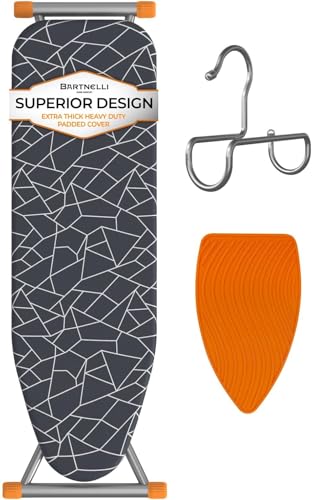
Underneath the top layer, padding thickness matters more than most people expect. A thin pad lets the board's mesh pattern print onto delicate fabric and provides less cushioning overall, while a felt or foam layer of roughly 4 to 6 millimeters gives a smoother, more even ironing surface. Plain cotton covers are the most affordable option and work well for everyday use, though they typically need replacing sooner than reflective or coated alternatives once scorching or thinning shows up.
Frequently Asked Questions
What height should an ironing board be?
Most adjustable boards range from about 25 to 40 inches. Aim for roughly waist height so your elbows stay slightly bent while ironing, which reduces strain during longer sessions.
Is a wide ironing board better than a narrow one?
It depends on what you iron most. A wide-top board handles sheets and bulkier items more comfortably, but a narrower board is easier to store and still works fine for everyday shirts and pants.
Which is better, a wall-mounted or freestanding ironing board?
Wall-mounted boards save floor space and set up faster, making them a good fit for small rooms. Freestanding boards are generally more stable and portable, which suits households that iron heavier loads or want flexibility on where they set up.
How often should you replace an ironing board cover?
A cover typically lasts six months to a year with regular use, though it's worth replacing sooner if you notice scorch marks, thinning fabric, or the mesh pattern printing onto your clothes.
Can you iron directly on a board without a cover?
It isn't recommended. Ironing on bare metal can damage both the fabric and the board's surface, so a cover with adequate padding should always be in place before you start.
How do you stop an ironing board from wobbling?
Check that the legs lock firmly into place and that the feet are non-slip rather than bare metal or hard plastic. A steel frame with a solid leg-lock mechanism is usually the fix, since lightweight frames are the most common cause of wobble.
Picking a Board That Will Actually Last
The best ironing board for your home doesn't need to be complicated. Prioritize a stable frame and secure leg lock first, then match the size and height to how and where you actually iron, and choose a cover that fits your iron type and how often you use it. Get those three things right, and the board will fade into the background, which is exactly what you want from a piece of laundry equipment.