
Best Drapery Steamer: A Complete Heavy-Duty Buying Guide
Disclosure: We may earn a commission when you buy through links on this page, at no extra cost to you. As an Amazon Associate I earn from qualifying purchases. Learn more
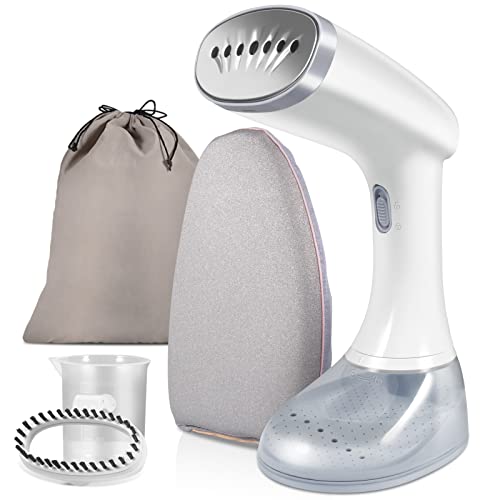
A small garment steamer running out of steam halfway down a floor-length curtain panel is a familiar frustration. Heavy drapes, lined panels, and blackout fabric hold wrinkles far more stubbornly than a cotton shirt, and they need more water, more heat, and more reach to look right. Finding the best drapery steamer means looking past the handheld models built for wardrobes and focusing on units designed for thick, multi-layer fabric hanging several feet off the floor. In this guide, you will learn how much steam output and tank capacity heavy drapery actually requires, why reach and coverage matter for tall windows, how to steam curtains safely without taking them down, and when a heavier unit is worth the upgrade over a handheld steamer.
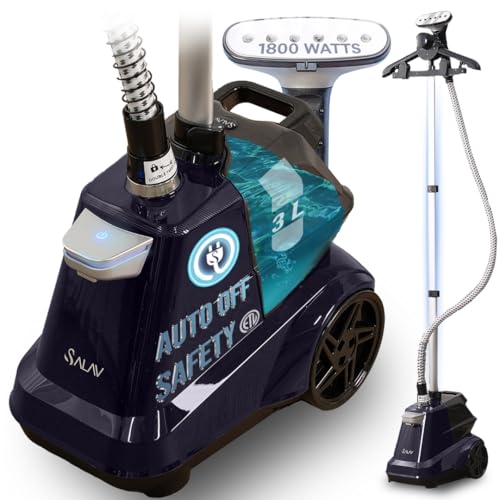
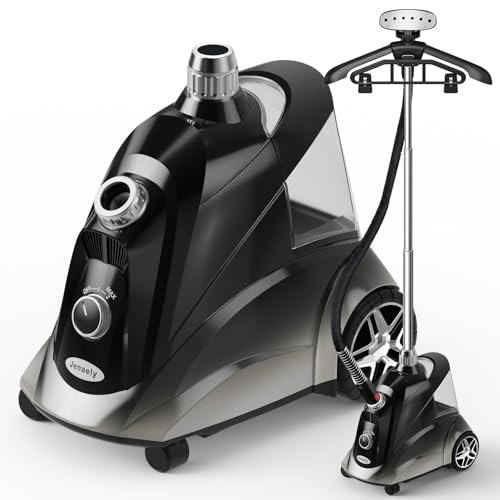
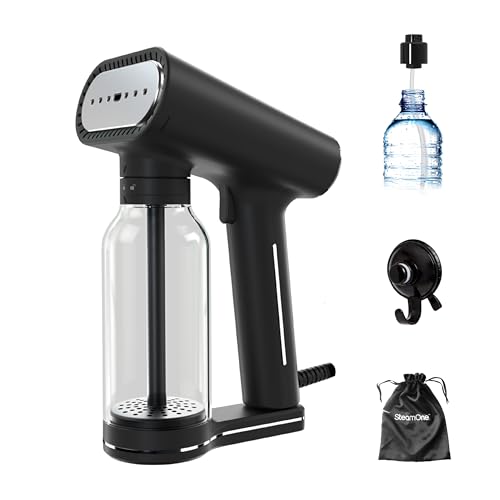
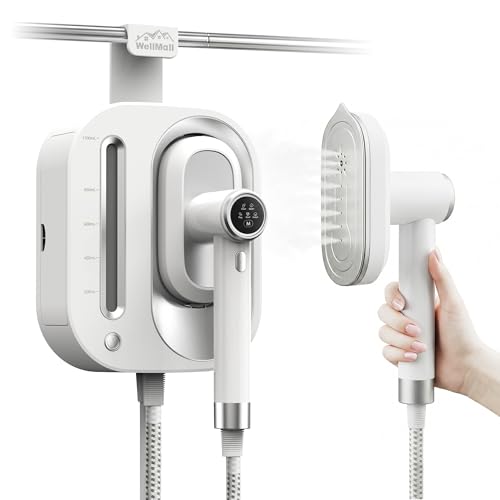
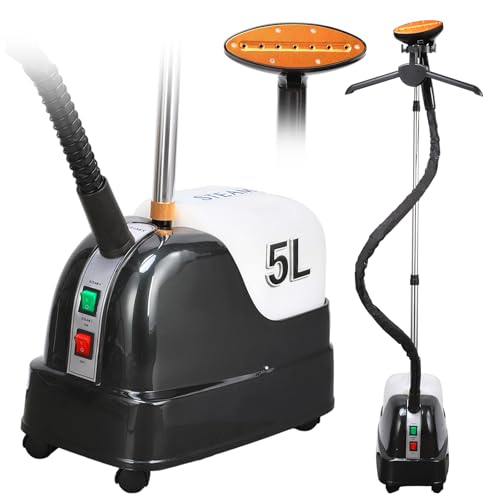
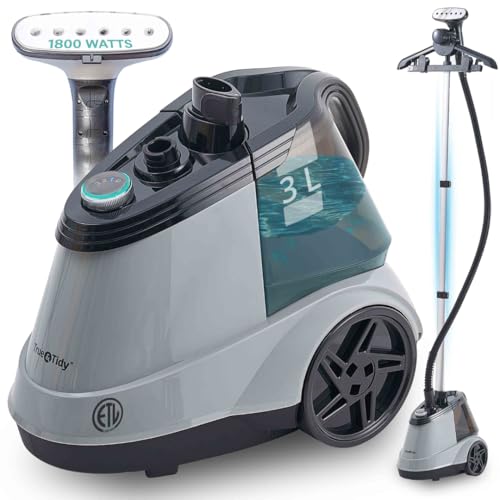
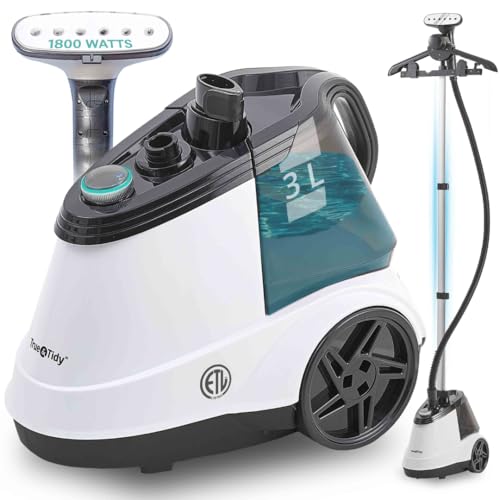
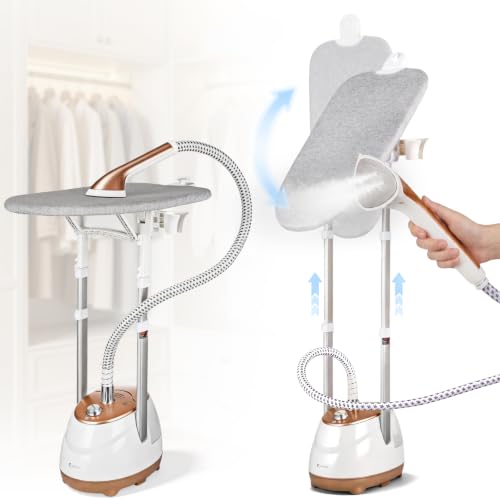
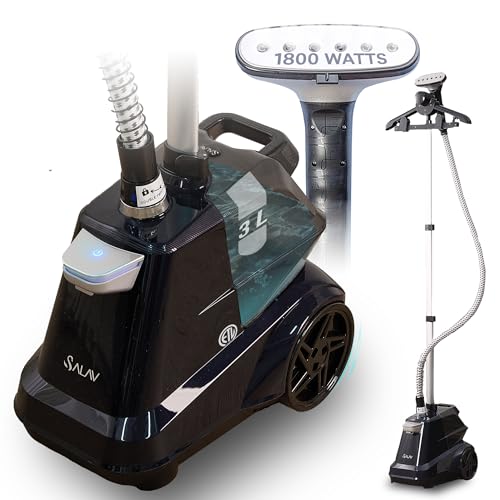
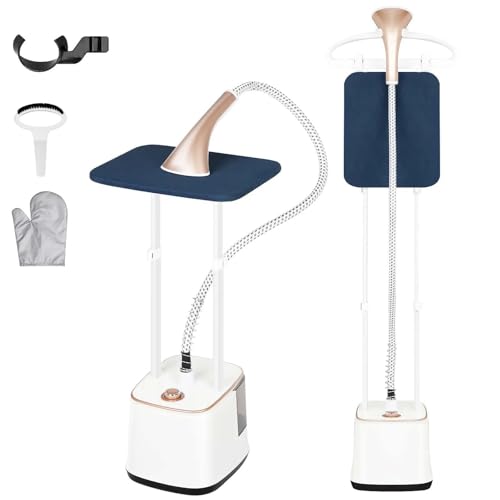
Steam Output and Tank Capacity for Heavy Drapery
Curtains and drapes are not built like the clothes in your closet. Lined panels, velvet, and blackout fabric are thicker and often layered, so steam has to work harder to penetrate the material and relax the fibers. A unit that breezes through a cotton shirt can stall out completely against a heavy, interlined drape. The best drapery steamer for this kind of work is built around two numbers that matter far more here than they do for garments: how much steam it produces per minute, and how much water it holds before you have to stop.
Why Wattage Matters More With Thick Fabric
Higher wattage translates into stronger, more consistent steam output, and that output is what actually loosens tightly woven or layered fabric. A weak or sputtery stream might smooth a light curtain panel eventually, but it will leave visible creases in heavier material no matter how long you hold it in place. If your heavy duty fabric steamer struggles to produce a steady stream within the first minute of use, it is underpowered for drapery work regardless of how well it handles everyday garments. A properly matched drapery steamer should hold that output steadily for several minutes at a stretch, not just in short bursts.
How Much Tank Capacity You Actually Need
Tank size determines how long you can work before stopping to refill, and curtains use noticeably more water than a single shirt or jacket. A full-length panel can take several minutes of continuous steam from top to bottom, and a whole window's worth of drapery adds up fast. Look for a tank rated for well beyond half an hour of continuous run time if you plan to steam multiple panels in one session, since refilling mid-project is one of the most common complaints people have about undersized steamers. Fabric that is especially thick, such as the material used in noise reducing curtains, tends to demand even more sustained steam before wrinkles fully release.
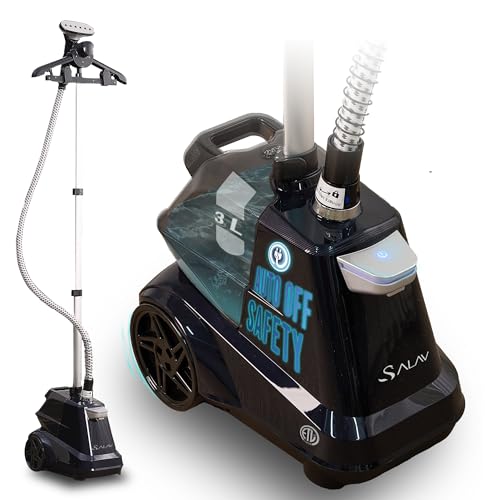
It helps to think in terms of whole rooms rather than single panels. If you are steaming an entire living room's worth of drapery in one pass, a small tank that needs refilling every few minutes turns a quick refresh into a stop-and-start chore. A larger reservoir also tends to pair with a heavier base, which is worth factoring in if you plan to move the unit between rooms.
Reach and Coverage for Tall or Wide Windows
Even a powerful steamer is frustrating to use if you cannot comfortably reach the top of a long panel. Reach and coverage are where drapery steaming differs most sharply from steaming a shirt on a hanger at eye level.
Hose Length and Pole Extension
A longer hose or an extendable pole lets you work the full height of a curtain without dragging a step stool back and forth. This matters most for floor-to-ceiling windows or rooms with high ceilings, where a short cord or rigid handle forces awkward angles and uneven results near the top of the panel. If you steam curtains regularly, extra reach saves real time over dozens of sessions.
Steam Head Width and Even Coverage
A wider steam head covers more fabric per pass, which cuts down the number of strokes needed to clear a wide panel. Narrow heads built for sleeves and collars are fine for garments, but they turn a curtain into a slow, repetitive task. A broad head paired with strong output is what actually makes wide drapery manageable in a reasonable amount of time.
Stability During Long Sessions
A steamer that tips easily or requires constant one-handed balancing gets tiring fast when you are working across several wide panels. A stable base or a well-balanced pole lets you focus on technique instead of fighting the equipment, which matters more the longer a session runs.
Steaming Multi-Layer and Lined Curtains in Place
One of the biggest advantages of a capable drapery steamer is that curtains rarely need to come off the rod at all. Steaming in place saves the hassle of rehanging and avoids introducing new wrinkles from folding fabric to move it.
Working Curtains Without Taking Them Down
With the panel still hanging, work from the top down in slow, even passes, letting gravity help pull creases out as the fabric warms. Keep the steamer head a few inches from the surface rather than pressing directly against it, since direct contact on heavy or layered fabric can oversaturate a small area before the steam has a chance to spread evenly. Give the panel time to cool and dry undisturbed once you finish, since moving damp fabric right away can reintroduce the same wrinkles you just removed.
Protecting Blackout Lining and Interlining From Water Spots
Blackout and interlined panels add a layer of fabric that behaves differently than the face material, and too much moisture in one spot can cause visible water spotting or, over repeated sessions, gradual damage to the lining. Move the steamer steadily instead of lingering in one area, and test an inconspicuous corner first if you are unsure how a particular lining will react. Anyone weighing blackout curtain liner options for a new window treatment should factor steaming behavior into the decision, since some linings tolerate regular steam sessions better than others.
Heavy-Duty Steamer or a Handheld Garment Steamer
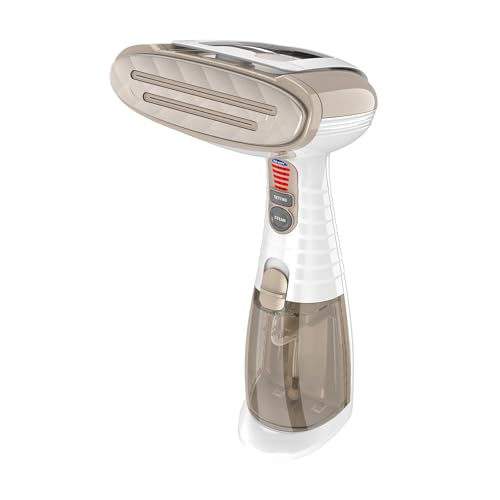
Not every household needs a dedicated drapery steamer. If you only steam curtains once or twice a year and mostly use a steamer for clothing, a capable handheld model can usually get the job done, just more slowly and with more refills along the way. Where a heavier drapery steamer earns its keep is frequent use, multiple large panels, or fabric that is consistently thick or lined.
If your steaming needs are mostly about shirts, jackets, and the occasional light curtain, our clothing steamer guide covers the tank sizes and portability tradeoffs that matter for everyday garments rather than heavy window treatments. The two categories overlap in basic function, but the specs that matter shift considerably once fabric gets thicker and sessions get longer.
Frequently Asked Questions
Can you steam curtains without taking them down?
Yes, and it is usually the easier method. Working the panel from top to bottom while it stays on the rod lets gravity help release wrinkles and avoids introducing new creases from handling the fabric off the window.
How long does it take to steam curtains?
A single lightweight panel might take five to ten minutes from top to bottom, while heavier, lined, or blackout panels can take noticeably longer since the fabric needs more steam penetration and slower, more deliberate passes. A full room of drapery in one session should be budgeted as a longer project rather than a quick five-minute task.
Will steaming damage blackout curtains?
Steaming is generally safe for blackout fabric when done correctly, but holding the steamer too close or lingering in one spot can cause water spotting or, over time, affect the lining. Keep the head a few inches away and move steadily rather than pausing in one area.
Do you need a special steamer for drapes?
You do not strictly need a dedicated unit, but a steamer for curtains with a larger tank, stronger output, and better reach will make the job noticeably faster and more thorough than a small handheld model built for garments. A dedicated drapery steamer also tends to hold up better under frequent, heavy use.
How much water tank capacity do I need for curtains?
Plan for a tank that can run well beyond thirty minutes without a refill if you are steaming full-length or multiple panels in one session. Smaller tanks mean more interruptions, especially with heavier fabric that needs longer steam exposure.
Is a handheld steamer strong enough for drapes?
It can work for light curtains or occasional touch-ups, but handheld units generally fall short on thick or heavily lined drapery, where limited tank capacity and weaker output leave stubborn creases behind. If you find yourself refilling constantly or repeating passes with no real improvement, that is usually a sign the unit is undersized for the job.
How often should heavy curtains be steamed?
Most households get good results steaming heavy drapery every few months, or whenever visible creases build up after cleaning, moving, or extended storage. Rooms with more sun exposure or humidity may need slightly more frequent touch-ups.
Choosing the Right Fit for Your Windows
The best drapery steamer comes down to how much fabric you are working with and how often you plan to use it. Prioritize steam output and tank capacity for thick or lined panels, reach for tall windows, and a steady hand for in-place steaming around blackout linings. Match those basics to your own windows and the rest of the decision falls into place.