Best Clothing Labels of 2026: Complete Buying Guide
Disclosure: We may earn a commission when you buy through links on this page, at no extra cost to you. As an Amazon Associate I earn from qualifying purchases. Learn more
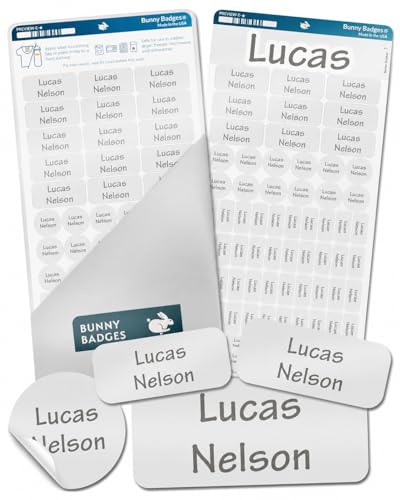
Compare clothing labels by material, attachment, wash durability and readability, so you can label clothes, school gear and handmade items with confidence.
Clothes go missing at school, camp, care homes and shared laundry rooms, and a clear label is often the only thing that brings them back. The best clothing labels stay readable after washing, feel comfortable against skin and suit the fabric they are attached to.
This guide explains label materials, attachment methods, sizes, wash durability and design choices, so you can pick labels for everyday clothes, kids gear or handmade items. Use the comparison table below to narrow the type first.
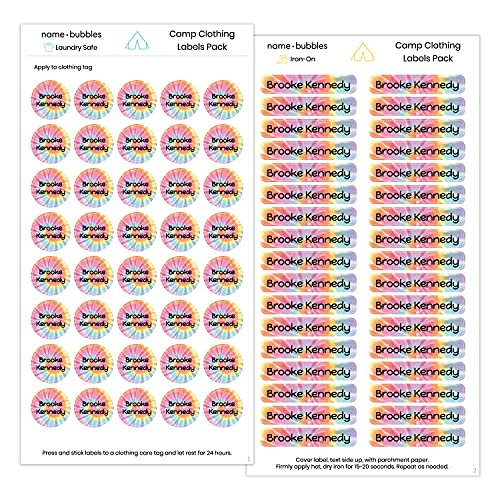
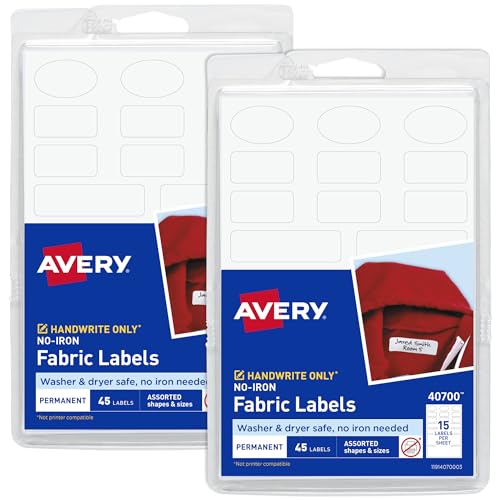
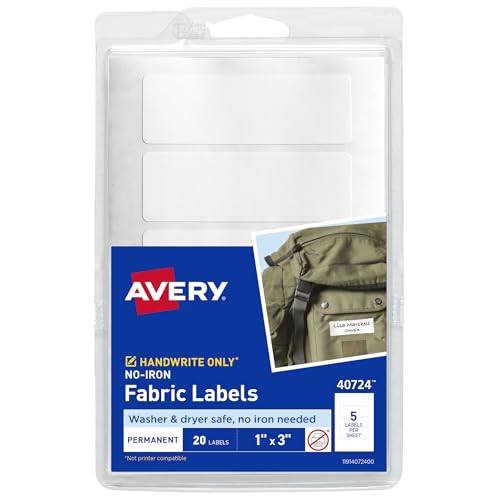
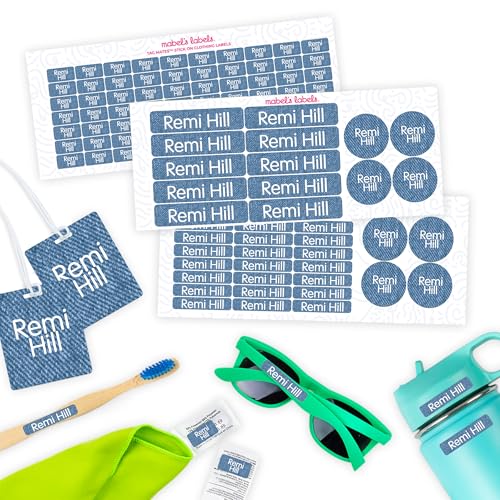
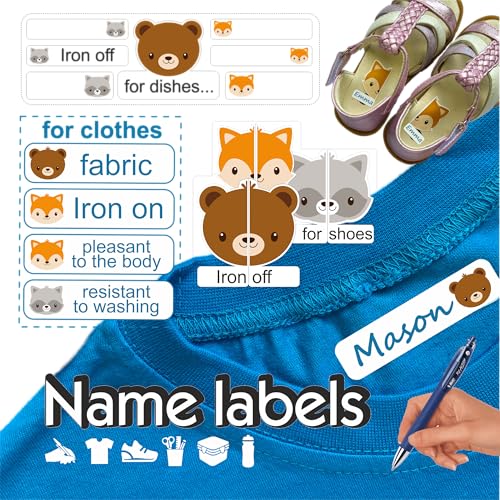

Spending Level Guidance
Instead of ranking individual products, think in spending levels tied to how often you label and how hard the clothes will be washed. A small pack may be enough for one child, while a family or a small maker business needs bulk value and consistent print quality. A cheap label that peels after two washes costs more in time and replacements.
For Occasional Labeling
Occasional labeling suits a few school items, a holiday bag or a single set of care home clothes. A small pack of stick on labels often works here, because they need no iron and no sewing, and you can apply them in minutes. Check that the pack includes enough labels for the items you have, plus a few spares for replacements, since running out mid task is frustrating.
For Regular Family Use
Regular family use means school uniforms, sports kits, camp gear and shared laundry, where labels face frequent washing and rough handling. Iron on labels often suit this level, because heat bonding helps them stay put through many cycles when applied correctly. Sew in labels also work well for uniforms and heavier garments that will be washed hard for months.
For Small Business and Handmade Sellers
Small makers need labels that look professional, carry a brand name or care message and survive customer washing. Woven labels often suit this level, because they feel like a finished garment tag and can carry a logo, size or care text in a neat form. Printed satin labels also work for softer items where a woven edge might feel stiff.
How to Choose the Best Clothing Labels: Buying Guide
The right label depends on fabric, wash routine, skin sensitivity and how permanent you want the label to be. A label that works on a cotton school shirt may fail on a stretchy sports top or a delicate knit, so match the label to the garment, not just to the price.
Material and Print Quality
Label materials include woven damask, satin, cotton tape, iron on film and stick on vinyl style sheets, and each prints and feels differently. Woven labels carry text as part of the weave, which resists fading, while printed labels can show finer detail and more colors but may fade faster if washed harshly. Iron on film needs a smooth surface to bond well, so it suits flat cotton and blends better than heavy texture or seams.
Attachment Method
Attachment method decides how long a label lasts and how much effort it takes to apply. Iron on labels bond with heat and pressure, sew in labels are stitched into a seam or hem, and stick on labels press onto a care tag or smooth fabric with adhesive. Each method suits different fabrics, so a heat sensitive item needs sewing or sticking, while a sturdy cotton shirt can take ironing.
Think about removal too, because children outgrow clothes and makers change branding. Sew in labels can be unpicked with care, iron on labels are harder to remove cleanly, and stick on labels may peel by design for temporary use. For camp gear, see our guide to best camp clothing labels for attachment ideas that survive shared laundry and outdoor use.
Size and Readability
Size should fit the garment without folding over a seam or poking skin. A label about 2 inches wide often works for adult clothes, while smaller labels suit baby clothes and narrow collars. Measure the flat area inside the collar, waistband or hem before ordering, and leave a small margin so the label sits flat and does not curl at the edges.
Wash and Wear Durability
Wash durability is where most labels fail, so check maker claims for wash cycles, water temperature and drying guidance. Iron on labels need full heat and pressure during application, plus a cooling period before washing, or edges may lift early. Stick on labels often survive washing best when placed on a care tag rather than directly on stretchy fabric, which moves and loosens adhesive.
Design and Customization
Design choices range from a plain name to a name plus icon, color, logo or care instruction. Icons help young children find their own clothes, while a consistent color and font help a maker brand look professional across products. Keep the design simple, because small labels have little room, and every extra element competes with the name for attention.
Customization also includes shape and finish, such as straight cut, folded ends or rounded corners, which affect how a label sits in a seam. Folded ends hide raw edges and look neat in a garment, while flat labels suit ironing onto a smooth area. For handmade items, see our guide to best brand clothing for ideas on presenting a maker name clearly without overwhelming the garment.
Quantity and Cost
Quantity should match your real labeling list, not an optimistic guess. Count garments, bags, hats and lunch gear separately, then add spares for new purchases and replacements, since reordering a small batch later often costs more per label. Bulk packs lower the unit price, but only if you will use them before adhesive ages or a child outgrows the name details.
Safety and Care
Safety starts with placement and materials. Labels should sit flat inside a garment, away from skin that chafes easily, and should not add stiff edges near a baby neckline or a sensitive waistband. Small loose labels can pose a choking risk for very young children, so sew in labels should be stitched securely and stick on labels checked regularly for peeling edges. Follow maker care guidance, and keep spare labels and small parts away from young children.
Types of Clothing Labels
Label types differ mainly in how they attach and how permanent they are. The four types below cover most home, school and maker needs, and many families use two types together. Choose by fabric and wash routine first, then by looks.
Iron On Labels
Iron on labels bond to fabric with heat, which makes them a strong choice for cotton school shirts, uniforms and tote bags that face frequent washing. Application needs a dry iron, firm pressure and enough time for the adhesive to set, so read maker guidance and try one on a hidden area first. For ironing help, see our guide to best clothing iron for temperature and steam settings that suit label work.
Iron on labels suit flat, heat tolerant fabrics best, and they struggle on stretchy, textured or heat sensitive materials. They also need a smooth area free of seams and buttons, or edges may lift. Once bonded well, they feel thin and flexible, which helps comfort inside a collar or waistband.
Sew In Labels
Sew in labels are stitched into a seam, hem or facing, which makes them durable and suitable for almost any fabric, including delicates and stretch knits. They can be sewn by hand or machine, and a folded end version hides raw edges for a neat finish. Sew in labels are a good choice for handmade garments, heirloom items and clothes that will be washed for years.
Stick On Labels
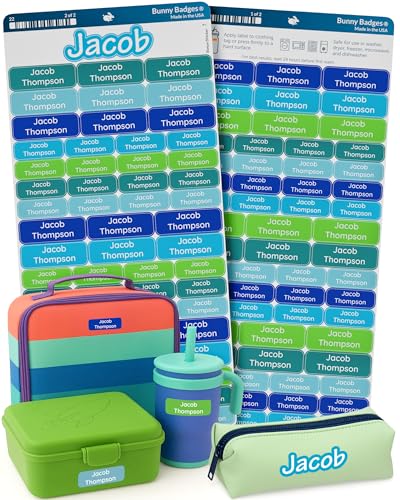
Stick on labels press onto a surface with adhesive and need no heat or sewing, which makes them fastest for last minute labeling. They work best on care tags, smooth fabric and hard items such as lunch boxes, though they hold less well on stretchy fabric that moves during wear. Stick on labels are useful for camp, daycare and short term use, where speed matters more than years of life.
Woven and Printed Labels
Woven labels carry text in the weave itself, which gives a premium feel and strong fade resistance for maker brands and uniforms. Printed labels, often on satin or cotton tape, can show finer detail and more colors, which suits small businesses that need size or care information on the tag. Both types are usually sewn in.
Tips to Get the Most From Your Clothing Label
Wash new clothes before labeling when maker guidance allows, so shrinkage does not distort a label placed near a hem. Apply iron on labels to a flat, dry area with firm, even pressure, and let them cool fully before washing. Skip fabric softener on freshly labeled items when the maker advises it, since softener can weaken some adhesives.
For stick on labels, press them onto a care tag rather than stretchy fabric, and avoid washing for the waiting period the maker states. For sew in labels, stitch all edges and trim loose threads, so the label cannot snag. Keep a small stock of spares, so reordering is quick when clothes are outgrown.
Clothing Labels: Your Questions Answered
Are premium labels worth it?
Premium labels are worth it when durability, print clarity or brand presentation matters more than lowest cost. A well made woven or high quality iron on label often survives more washes, stays readable longer and looks neater than a basic label. For uniforms, camp gear or products you sell, the extra cost often pays back in fewer replacements. Compare wash performance, not just pack price, before deciding.
How should clothing labels fit?
Clothing labels should sit flat inside a garment, with a small margin around all edges and no fold over a seam or button. Measure the flat area inside the collar, waistband or hem, then choose a label slightly smaller than that space, so it does not curl or poke skin. For baby clothes, choose a soft, small label, secure all edges and check comfort by running a finger over the label after application.
How do I wash labeled clothing?
Wash labeled clothing on the gentler side of both garment and label guidance, especially for the first few cycles after application. Turn garments inside out when practical, use a normal detergent and avoid very hot drying when the maker advises lower heat. Check labels after washing for lifted edges or fading print, and replace any label that is coming off. For iron on labels, wait the maker stated period before the first wash, so the bond can set fully.
What label is best for hot weather clothing?
For hot weather clothing, choose a light, breathable label that does not add bulk or trap heat inside a collar or waistband. A thin printed satin label or a small iron on label often works well on lightweight cotton and blends, because they lie flat and add little stiffness. Avoid thick woven labels on very light fabrics, since they can feel heavy and show through. Try one label before labeling a whole summer wardrobe.
The Bottom Line
Match the label to fabric, wash routine and comfort first, then to design and price. Iron on labels suit sturdy everyday clothes, sew in labels suit delicates and long term use, stick on labels suit fast temporary labeling, and woven or printed labels suit maker brands.
Order a sample, run it through your normal wash cycle and check comfort inside a real garment before buying in bulk. That simple check prevents most disappointments. Review the product table above once more, then choose the best clothing labels for the clothes you label most.