Best Closet Organizer for Nursery 2026: Types and Buying Guide
Disclosure: We may earn a commission when you buy through links on this page, at no extra cost to you. As an Amazon Associate I earn from qualifying purchases. Learn more
The best closet organizer for nursery use sorts tiny clothes by size, keeps diapers in reach, and grows with your child. Types, safety checks, and prices.
A nursery closet fills up fast. Tiny clothes arrive in many sizes at once, blankets and sheets take up shelf space, and diapers and wipes need a spot you can reach while holding your baby. Choosing the best closet organizer for nursery use means planning for quick size changes and daily grabs, not just neat shelves on day one. The comparison table below sums up the main types so you can match a layout to your closet.
This guide walks through the types that suit nurseries, the features that earn their cost, and the safety and sizing checks that matter before you buy. It also explains how a setup can grow with your child, so you are not replacing the whole system when clothes get longer.

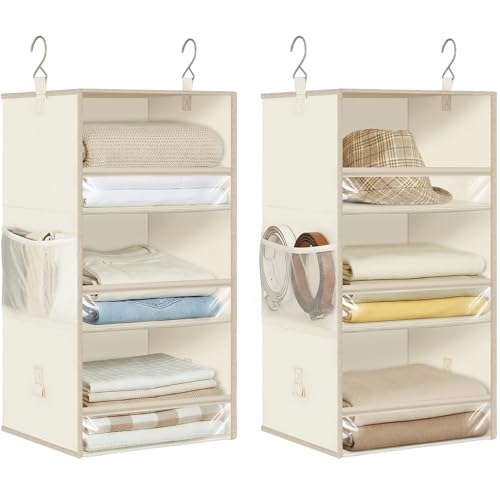

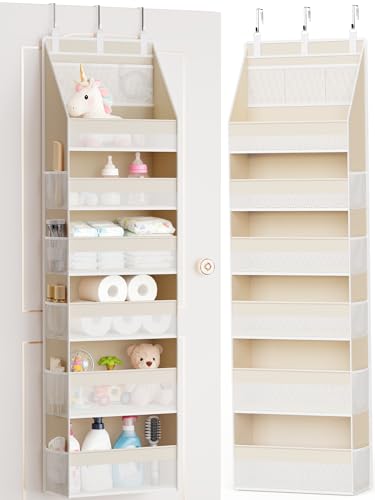
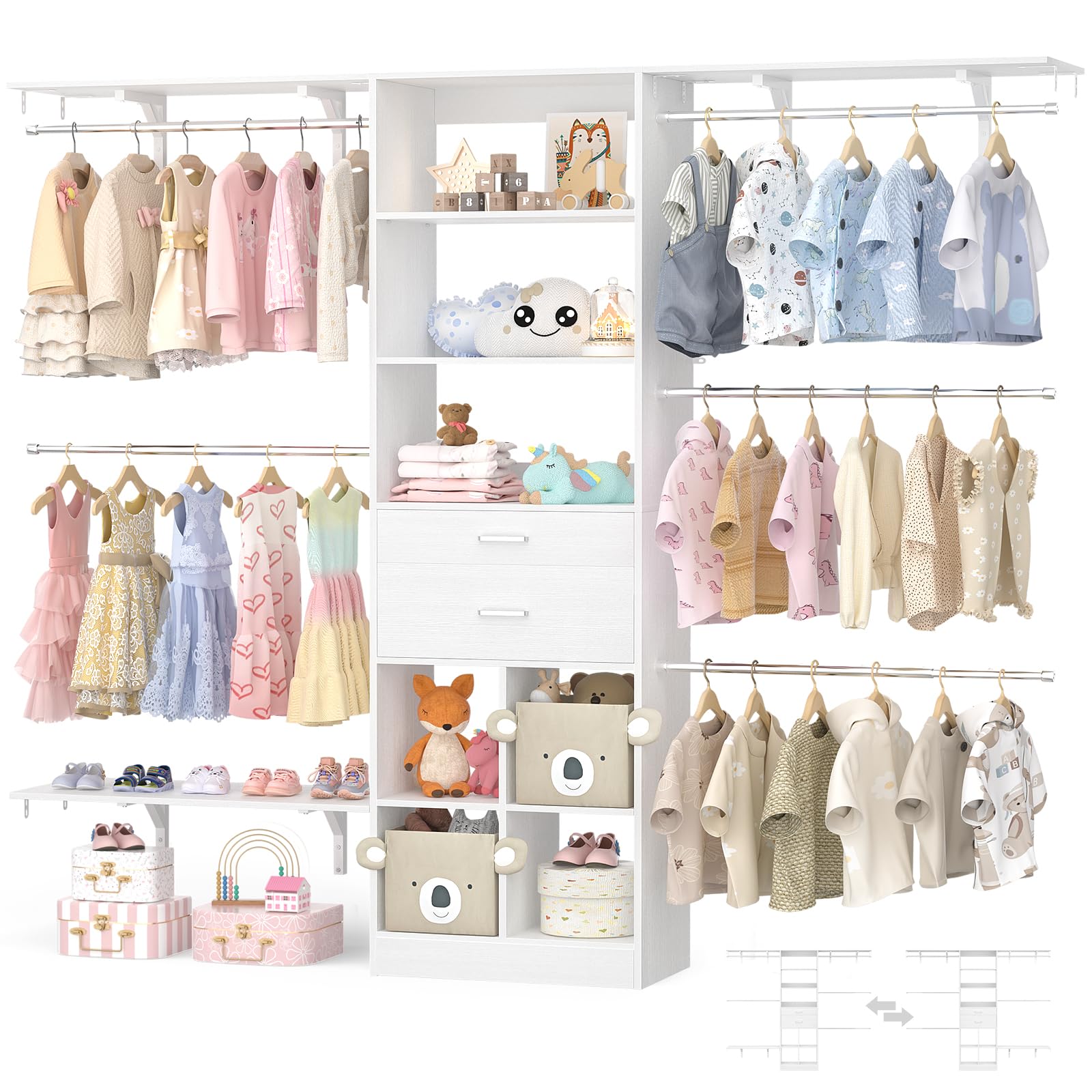
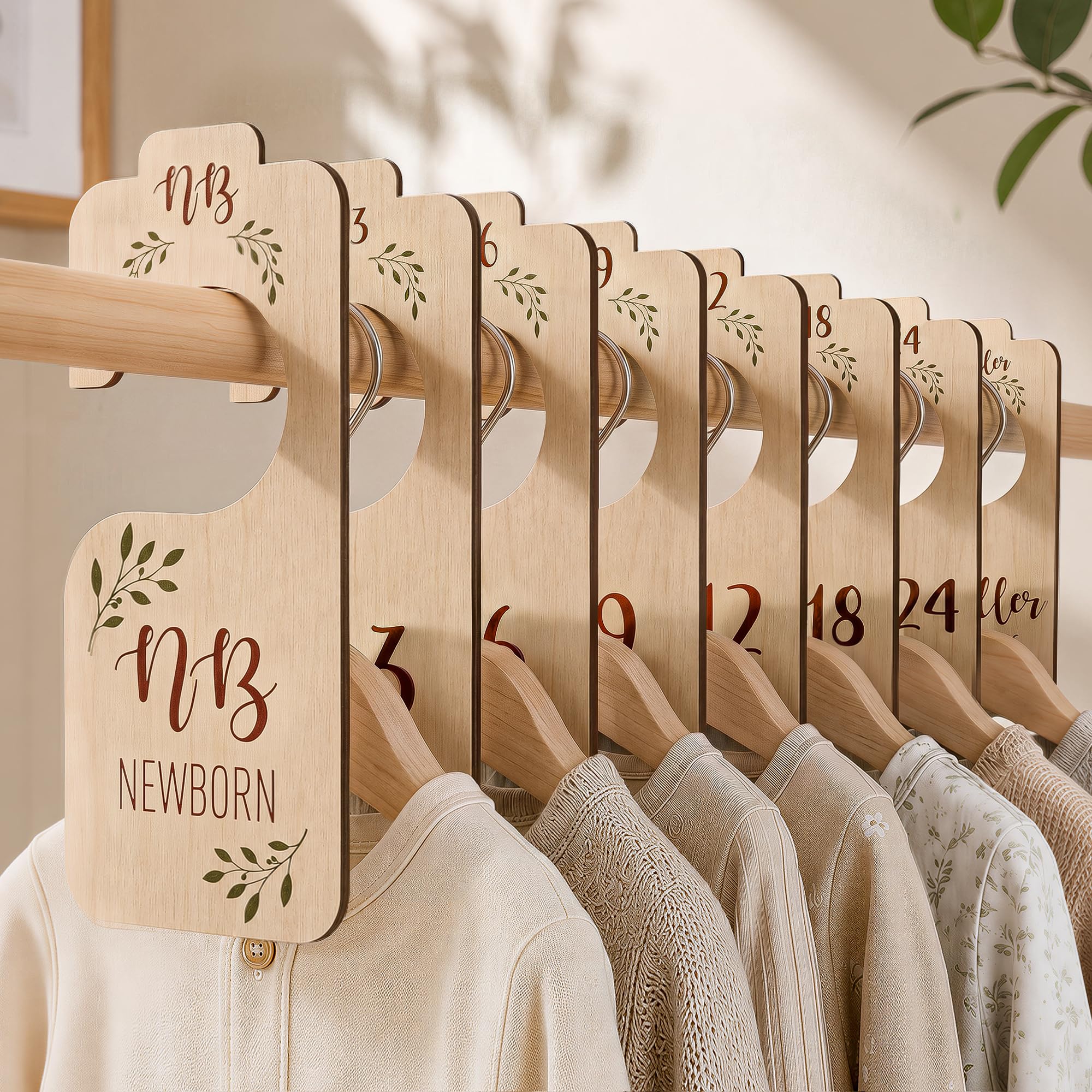
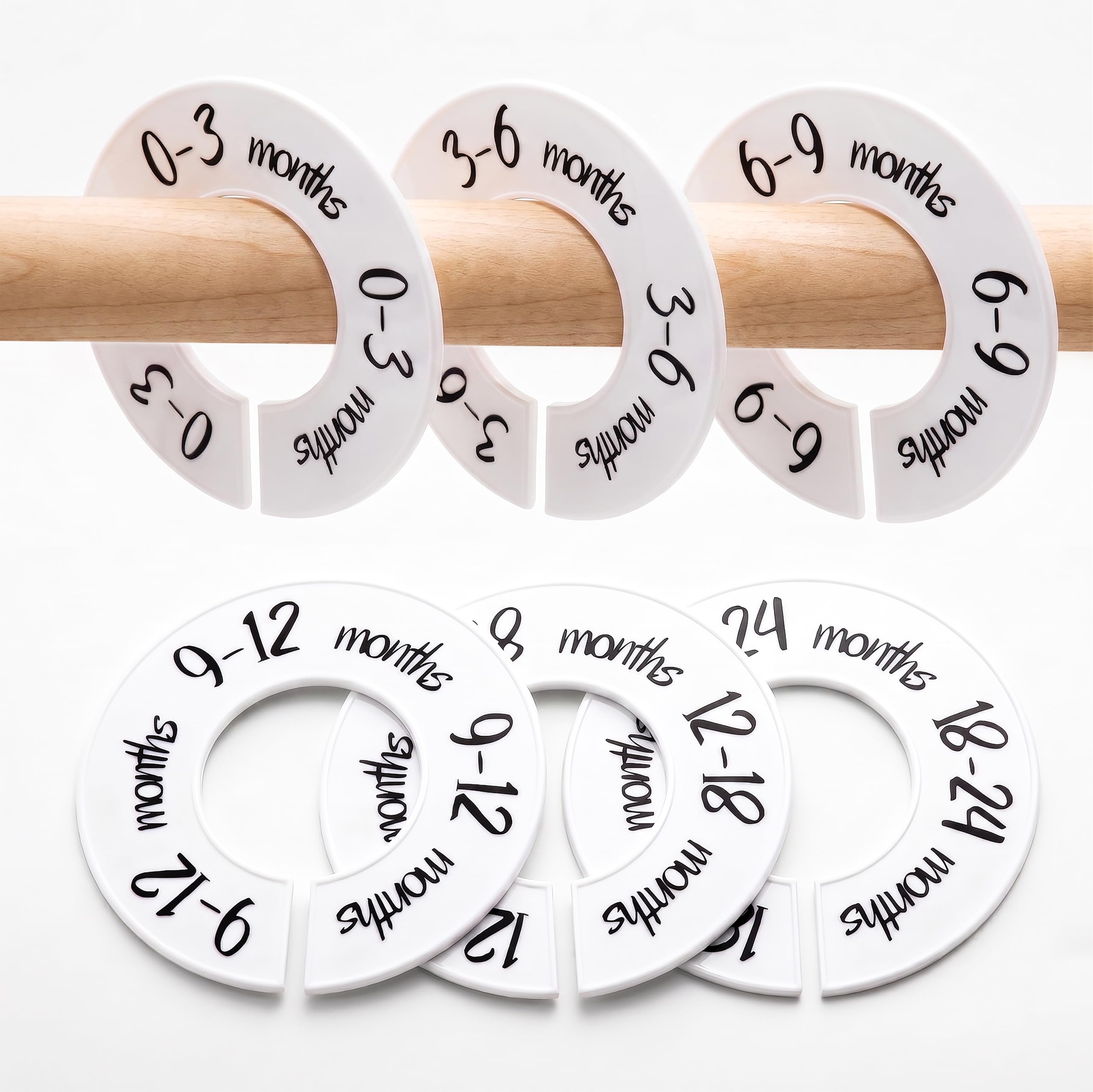
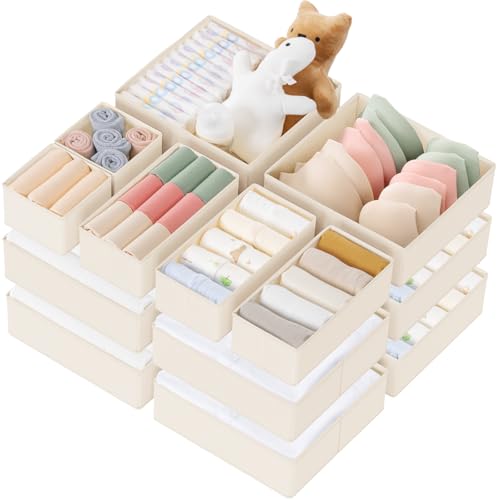
Organizer Types at a Glance
This guide compares three organizer types that cover most nursery closets. A modular shelf and rod system suits a standard reach in closet and can change as clothes grow longer. A hanging organizer with open shelves suits a small closet or a rented home where drilling is not welcome. A freestanding unit with drawers suits a room with no closet or one that is too shallow for baby gear.
Each type below is judged on the same points: how it sorts clothes by size, how easily you can reach daily items with one hand free, how stable it is, and how well it adapts later. If you want the broader picture first, see our guide to the best closet organizer for layouts that work in adult closets too.
Three Organizer Types That Work Well in a Nursery
Modular Shelf and Rod Systems for Reach In Closets
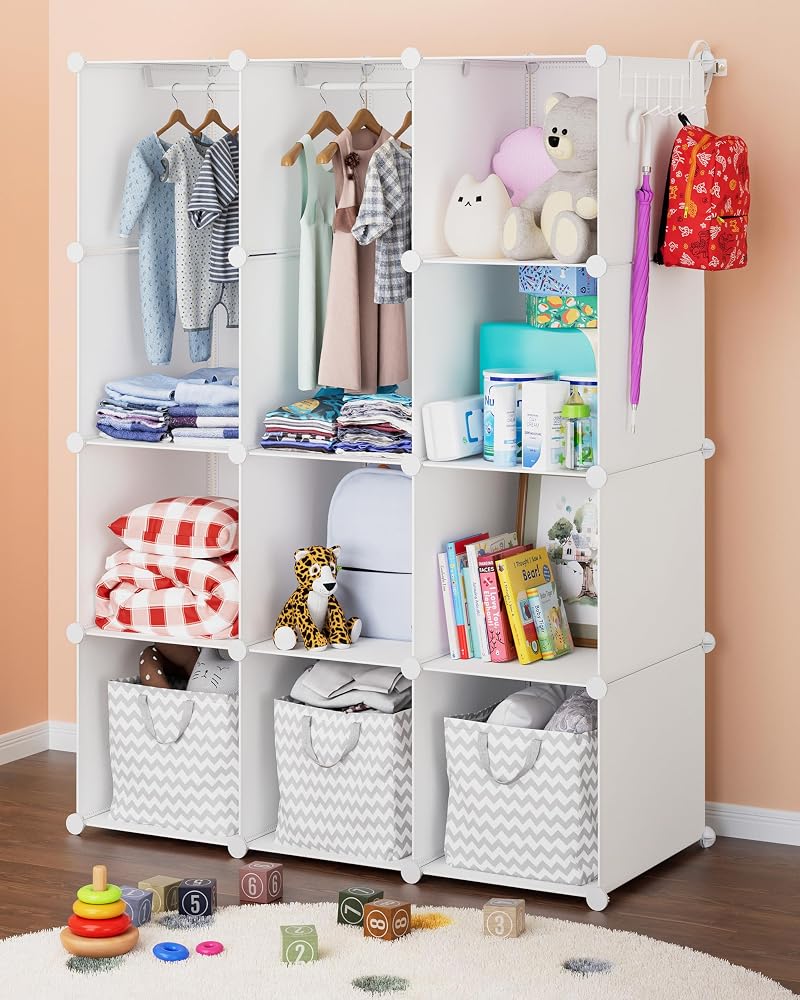
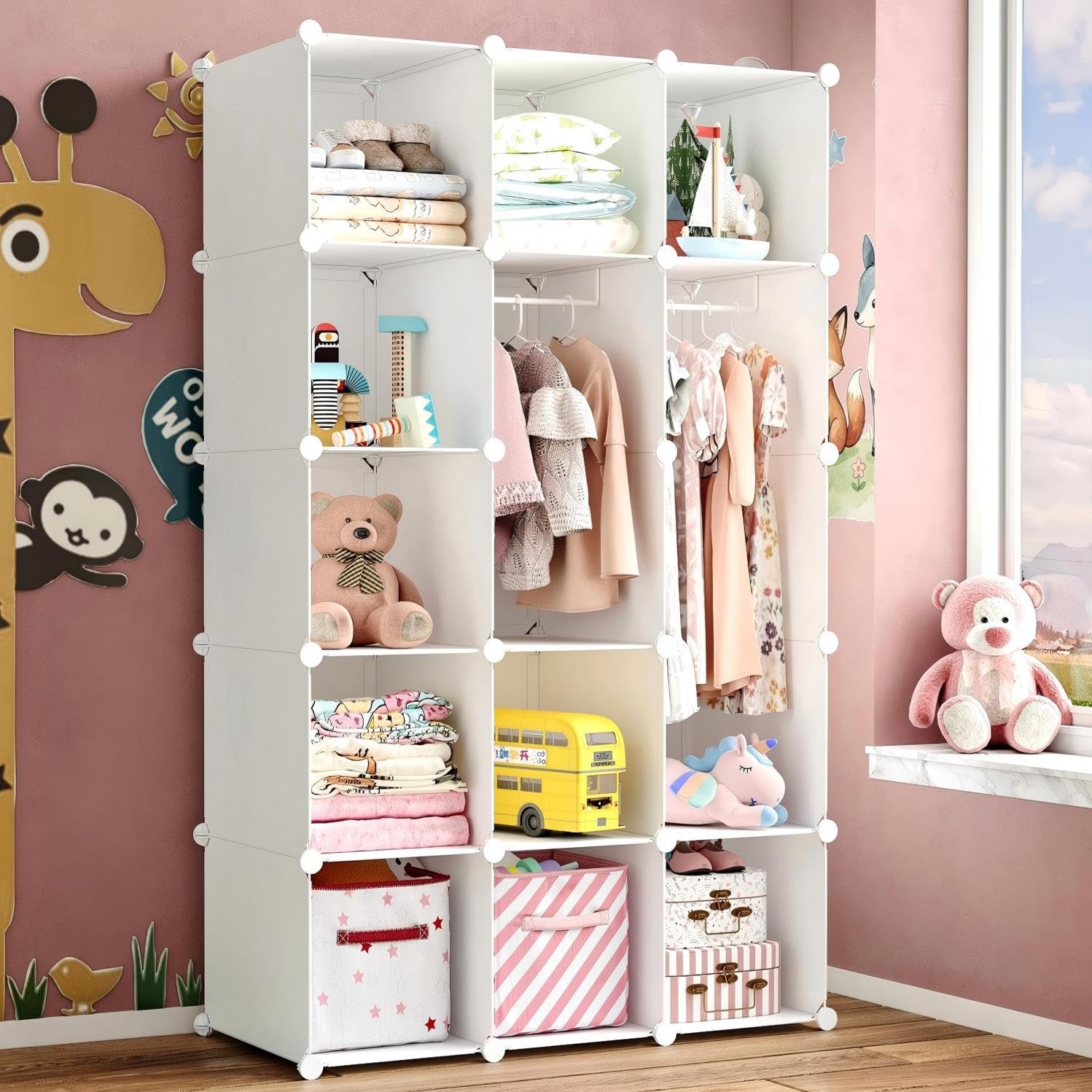
A modular system combines shelves with one or two short hanging rods. Two rods stacked one above the other fit baby clothes well, since tiny tops and pants hang short and leave room for a second row. Shelves above or beside the rods hold folded blankets, sheets, and boxes for the next size up. Because the parts move, you can later drop the lower rod and give a toddler longer hanging space. This type offers the most storage per inch, but it needs accurate measuring and usually some wall fixing during install.
Hanging Organizers for Small Closets and Renters
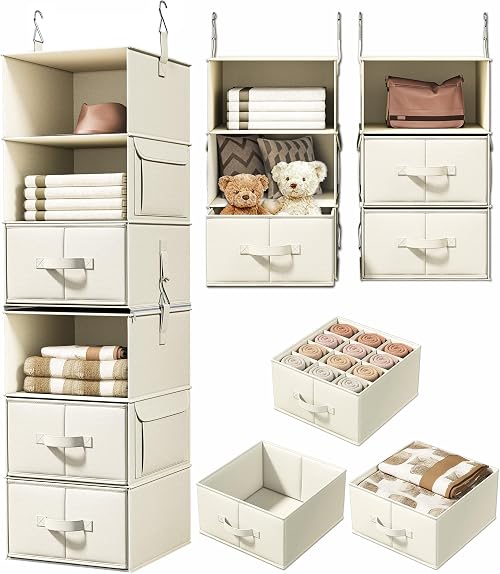
A hanging organizer hooks over the existing rod and drops down in a column of open shelves or cubbies. It installs in minutes, moves easily, and leaves the floor clear for a hamper or a small bin. Open cubbies make it simple to sort outfits by size and to grab a fresh set during a night change. For more layouts in this style, see our guide to the best hanging closet organizer options. The trade off is weight: heavy stacks of blankets can make fabric shelves sag, so keep bulky items on a fixed shelf instead.
Freestanding Units With Drawers for Rooms Without a Closet
A freestanding unit stands on the floor and adds drawers, shelves, and sometimes a short rod where a closet is missing or too small. Drawers hide clutter and keep spare clothes, socks, and hats sorted out of sight. A unit with a wide base and a wall anchor strap is the safer pick once your baby starts pulling up on furniture. Measure door swing and walking space before you buy, since a deep unit can crowd a small nursery. This type costs more than a hanging organizer but doubles as room furniture later.
How We Chose the Criteria in This Guide
The criteria here come from what nursery storage must do in daily life. Clothes turn over by size every few months, daily items must be reachable fast, and anything a child can pull on must stay put. We weighted capacity and fit, adjustability as your child grows, material safety and smooth finishes, ease of cleaning, and value for money.
How to Choose the Right Closet Organizer for Nursery Use
Start With Your Closet Type and Measurements
Measure the inside width, depth, and height of the closet, and note where the door frame and baseboards sit. A reach in closet with a single rod usually gains the most from adding a second low rod and a column of shelves. A wide closet may fit drawers on one side and double hanging on the other. If you are lucky enough to have a walk in space, our guide to the best walk in closet organizer covers larger layouts. Write the measurements down and compare them with the stated size of any system before ordering.
Features Worth Paying For
Adjustable shelves and rods are worth the most, since they let you shift space from folded stacks to hanging clothes as sizes change. Drawers with smooth runners help you open them quietly while a baby sleeps in the next room. Open front bins suit diapers, wipes, and socks that you grab many times a day. Size dividers for the rod help you separate clothes that fit now from the next size up. Doors look tidy but slow you down during quick changes, so open storage usually serves a nursery better.
Materials and a Safe Finish for Nursery Storage
Look for sturdy boards or solid wood with smooth edges and a finish that wipes clean without a strong odor. Wire shelves are light and let air move around stored linens, but small socks can slip through wide gaps, so shelf liners help. Fabric cubbies should feel thick and hold their shape when loaded. Avoid any unit with sharp corners at child height, loose small parts, or a finish that flakes. Let a newly built unit air out in a ventilated room before you fill it with baby clothes.
Stability and Safe Placement
Any tall or freestanding unit should come with hardware to anchor it to the wall, and you should use it, since children later climb and pull on drawers and shelves. Place heavy items low, keep the unit level on the floor, and check that drawers do not all slide open at once. Keep cords, belts, and long ties out of the closet entirely, and store medicines and cleaning items somewhere else under lock. If a unit wobbles after assembly, fix the cause before loading it rather than relying on weight to settle it.
How Much Should You Spend?
Simple hanging organizers often cost under $50 and solve sorting in a small closet. Shelf kits and modular systems commonly run about $100 to $300, depending on size and materials. Freestanding units with drawers can run about $300 to $500 or more, closer to furniture pricing. Spending more mainly buys sturdier boards, smoother drawers, and parts you can reorder later. A modest system you set up well before the baby arrives beats a costly one that stays in its box.
What Matters Most in a Nursery Closet
The nursery modifier changes what good storage means. Speed matters, since you often dress or change a baby while tired and holding them with one arm. Visibility matters too: open shelves and clear bins let you see at a glance which size fits today. Growth matters most of all, because a closet that only suits newborn clothes will frustrate you within months. If you enjoy building your own layout, our guide to the best diy closet organizer projects shows ways to adapt shelves and rods over time.
Plan zones rather than one mixed pile. Keep daily clothes and diapers at waist to shoulder height, store the next size up in labeled bins above, and place keepsakes and rarely used items highest. Leave one empty cubby if you can, since gifts and hand me downs arrive without warning. Before copying a large wardrobe layout from a showroom, check whether it fits a nursery routine; reading an ikea pax review can help you judge depth and door clearance in a small room.
Keeping the Organizer Clean and Working Well
Wipe shelves and drawer fronts with a damp cloth and mild soap, then dry them so boards do not swell. Vacuum dust from corners and fabric cubbies each month, since nursery closets collect lint from blankets and towels. Wash fabric bins only if the care label allows it, and let them dry fully before refilling. Tighten screws and check the wall anchor every few months, and again once your child starts standing. Move outgrown clothes out promptly, since an overfilled closet is harder to clean and harder to use.
FAQ
What is the best closet organizer for nursery use?
For most families it is a modular shelf and rod system, since it sorts short clothes on two levels and adjusts as clothes grow longer. Homes that rent or have a very small closet often do better with a hanging organizer that needs no drilling. The right answer depends on your closet size, whether you can anchor parts to the wall, and how much drawer storage you need for items beyond clothes, such as spare bedding and bath supplies.
What should I look for in a closet organizer for a nursery?
Look beyond total shelf count and check how the space divides. You need several small sections rather than one long shelf, since baby items are small and sizes change often. Check that shelf heights can move, that bin openings fit folded clothes without squeezing, and that you can read labels while standing at the door. A useful extra is a spare parts program, so a damaged shelf or runner can be swapped without replacing the whole unit.
How long does a nursery closet organizer last?
A sturdy system can serve from infancy through the school years if the layout can change, while light fabric organizers may sag after a few years of heavy loads. Lifespan depends less on age and more on joints staying tight, shelves staying level, and anchors staying secure. Retire any unit with cracked boards, bent rods that slip under normal loads, or drawers that fall off their runners, since those faults affect safety as well as use.
Is a closet organizer worth it for a nursery?
Yes, if your current closet is a single rod and a pile on the floor. Sorting by size prevents you from missing clothes that only fit for a short window, and a set place for diapers and sheets speeds up night changes. It may not be worth it if you already have a dresser with enough drawers and only a few hanging items. In that case a single hanging organizer or a few bins may cover the gap for far less money.
How do you clean a nursery closet organizer before first use?
Start by wiping every surface with a cloth dampened with water and a small amount of mild soap, including the undersides of shelves where dust from packing collects. Rinse with a clean damp cloth so no soap film stays on surfaces that touch clothes. Leave doors and drawers open until everything is fully dry. Wash any removable fabric parts on a gentle cycle if the label allows, and air dry them to keep their shape.
Which closet organizer brands tend to be most reliable for nurseries?
Rather than chasing a name, judge reliability by signs you can check before buying. Look for clear assembly instructions, stated weight limits for shelves and rods, replacement parts you can order, and a warranty that covers hardware. Reviews that mention units staying level and drawers running smoothly after a year of use say more than star ratings alone. A brand that sells extra shelves for the same system also helps, since nursery needs change quickly.
Final Thoughts
A nursery closet works best when it sorts by size, keeps daily items within easy reach, and stays firmly anchored as your child grows. Measure first, choose adjustable parts, and leave room for the next size up. Whichever type you pick from the product table above, the best closet organizer for nursery use is the one that still fits your routine a year from now, not just the one that looks neatest on the first day.