Best Cameras for Close Up Shots: A Complete Buying Guide for 2026
Disclosure: We may earn a commission when you buy through links on this page, at no extra cost to you. As an Amazon Associate I earn from qualifying purchases. Learn more

A clear buying guide on focus, lenses and sensors for the best cameras for close up shots at home.
Finding the best cameras for close up shots starts with one simple truth. At short distances, precise focus and real lens reach matter far more than a long spec list. A camera that locks focus on a bee wing or a coin texture beats a flagship model that hunts and misses at close range.
Your subject shapes every choice that follows, because jewelry, insects, food, and craft details ask different things of a lens. This guide explains the features that decide sharp results, and the comparison table below gathers current options in one place. You can also browse our guide to the best close up cameras for a wider view of the styles on offer.


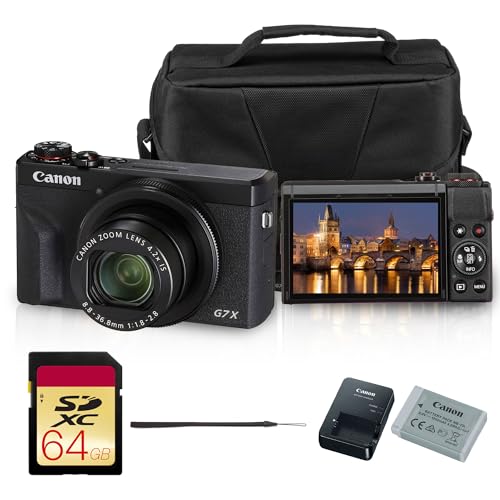


Before You Buy: Setting Priorities and a Sensible Budget
Close up work rewards a clear plan more than a large spend. Decide what you will shoot, how much control you want, and how far your budget should stretch, then apply the points below to any model in the product table above.
Start With Your Subject and Working Distance
Working distance is the gap between the lens and your subject. Insects startle easily, so a longer distance lets you stay back while the subject fills the frame. Coins, stamps, and product details sit still, so a shorter distance is fine and gives you more control over light. Picture your most common subject first, then favor lenses that focus closely at a distance that suits it.
Decide How Much Control You Want
Some shooters want one dial turn to handle everything, while others want full manual control over aperture, shutter speed, and focus point. Mixing the two paths up leads to frustration. If you plan to learn, choose manual focus assist tools and easy access to aperture settings. If you mostly shoot listings or social posts, strong automatic modes will get you finished results faster.
Match Your Budget to Real Gains
Entry level models at around $300 already focus very close and produce clean images for web use. Stepping up in price usually buys a larger sensor, better lenses, and faster autofocus rather than more closeness. Spending more mainly helps if you print large, shoot in dim light, or need interchangeable lenses.
How to Choose a Camera for Close Up Work
When you compare the best cameras for close up shots side by side, a handful of specs predict your results far better than headline megapixels. Work through each factor below. If your interest leans toward artistic work, see our guide to the best cameras for close up photography for a different angle on the same subjects.
Features That Matter for Close Up Shots
Three numbers do most of the work. Minimum focus distance tells you how near the camera can be while still focusing, and smaller is better for tiny subjects. Magnification describes how large the subject appears on the sensor, with true macro at 1:1, or life size. Optical zoom helps on compacts because it extends reach without the softness of digital cropping. For a deeper look at dedicated macro gear, see our guide to the best cameras for macro shots once you know the look you want.
On fixed lens models, check the objective lens closely. A bright maximum aperture, such as f/2.8, gathers more light and softens backgrounds so your subject stands out. Confirm that close focus holds across the zoom range, because some compacts only focus closely at the widest setting.
Sensor Size and Image Quality
Sensor size shapes detail, noise, and depth of field more than megapixel count does. A 1 inch sensor in a premium compact captures far more light than a phone sensor. APS C sensors in mirrorless bodies hold fine texture with less noise. Full frame sensors offer the cleanest files, but depth of field becomes razor thin up close, so you will often stop down and add light.
Megapixels matter in a narrower way. Extra resolution lets you crop afterward and keep usable detail, which helps when you cannot move nearer. Beyond about 24 megapixels, gains for home and selling use are small.
Durability and Weather Sealing
Close up subjects often live outdoors, in kitchens, or in workshops. Sealed bodies and lenses resist dust and light rain, so you can shoot garden insects after a shower without worry. A solid grip and a glare resistant screen also matter when you crouch in bright sun. If your subjects live outdoors, see our guide to the best cameras for nature shots for more field ideas. For tabletop work, a tripod socket in line with the lens is a useful plus.
Battery Life and Charging
Close up sessions drain batteries faster than casual shooting, because you compose on the screen, zoom in to check focus, and review each frame closely. Look for at least 300 shots per charge, and treat that figure as a best case. Models that charge over USB C are easy to top up from a power bank, and a spare battery is wise, since long focus checks drain power fast.
Autofocus and Stabilization
Autofocus must be precise at close range, where the zone of sharp focus may be only a few millimeters deep. Touch focus on the rear screen helps, because you can place the focus point on an eye, a label, or a gemstone with one tap. Eye autofocus also locks onto pets and insects well on recent bodies. Manual focus with a magnified view and focus peaking gives full control when autofocus wavers.
Image stabilization earns its keep whenever you shoot handheld. In body image stabilization in mirrorless cameras, or lens based stabilization in compacts, steadies the frame so slower shutter speeds stay sharp. It buys you cleaner files at lower sensitivity settings, but it cannot freeze a moving subject, so keep shutter speed in mind for living subjects.
Video Capabilities
Many close up shooters also record their subjects, from unboxing clips to craft tutorials. 4K video gives crisp detail and room to crop in editing. A screen that flips forward helps when you film your own hands at work, and a microphone input matters if you narrate. Continuous autofocus during recording keeps a moving subject sharp without pulsing.
Check whether close focus still works while recording, because some cameras limit macro focus in video mode.
Low Light Performance
Light falls off fast at close range, and your camera can shadow the subject when you lean in. A sensor that stays clean at higher ISO settings lets you raise sensitivity instead of accepting blur. A bright lens helps even more, because each extra stop of aperture doubles the light reaching the sensor. Judge low light strength by samples at ISO 1600 and above, not by the maximum ISO on the box.
Depth of field also shrinks as apertures open up in dim settings, so a small continuous light near the subject often helps keep enough of it sharp.
Types of Cameras for Close Up Subjects
Four broad families cover nearly every close up need, each trading control, size, and cost in a different way. Match the family to your subjects first, then compare models inside it.
Point and Shoot Compacts
Point and shoot compacts are the simplest route to good close ups. Many include a macro mode that focuses within a few centimeters, and the small sensor gives generous depth of field. Premium compacts with 1 inch sensors add strong image quality and optical zoom in a pocket size body. For a wider look at fixed lens options, see our guide to the best digital cameras for close up shots before you decide.
Mirrorless Cameras
Mirrorless cameras give you the most control and the highest ceiling for quality, with dedicated macro lenses for true 1:1 magnification and advanced focus tools. The costs are higher prices, larger kits, and a learning curve. Choose this family if close up work is a serious hobby or part of your income.
Action Cameras
Action cameras suit close ups only in narrow cases. Their very wide lenses and fixed focus make small subjects look tiny unless you move extremely near. They shine when the camera must go into tight, wet, or risky spots, so treat them as a specialty tool rather than a main close up camera.
Vlogging Cameras
Vlogging cameras are compact bodies tuned for video first, with flip screens, strong autofocus, and product showcase modes that hold focus on an item you hold up to the lens. That behavior is ideal for craft channels and cooking clips. Still features can be simpler, so check the macro focus distance in photo mode before you buy.
Common Mistakes to Avoid
- Judging a camera by megapixels alone, because sensor size and lens quality decide close up detail far more.
- Ignoring minimum focus distance, so the camera cannot focus at the range your subjects require.
- Relying on digital zoom for close ups, which crops the image and throws away the detail you wanted.
- Buying an interchangeable lens body without budgeting for a macro lens, leaving you unable to reach true macro magnification.
- Shooting handheld at slow shutter speeds up close, so tiny hand movements turn into visible blur.
- Leaning over the subject and blocking your own light, which casts a shadow across the detail you want to show.
Care and Maintenance Tips
A close up camera depends on a clean front lens element, because smudges near your subject plane soften every frame. A few steady habits keep the kit ready:
- Clean the lens with a soft microfiber cloth, never a shirt sleeve that can drag grit across the glass.
- Carry a spare battery and a backup memory card, since long focus checks drain power quickly.
- Store the camera in a dry, padded bag with the lens cap on, away from steam and humidity.
- Update the camera firmware when the maker releases it, because updates often improve autofocus accuracy.
- Use a blower to clear dust from the lens mount before wiping anything, so particles do not scratch surfaces.
- Keep a silica gel pack in your storage bag if you shoot outdoors often, to control moisture after damp sessions.
Frequently Asked Questions
What features matter most in a camera for close up shots?
Minimum focus distance, magnification, and precise autofocus matter most in a camera for close up shots. Together they decide how large your subject appears and whether the sharp point lands where you intend. Before you buy, test the display zoom in a store if you can, because a clear magnified view makes manual focus far easier. A tilting screen also helps for subjects at ground level.
Is a smartphone enough for close up shots instead of a dedicated camera?
A smartphone is enough for casual close up shots, such as quick listing photos in bright light. Its small sensor and fixed lens limit magnification, blur control, and low light quality, though. A dedicated camera pulls ahead when you print or sell products. Phones also apply heavy automatic sharpening, which can make fine textures like fabric or fur look harsh at full size.
Which type of camera for close up shots performs best in low light?
A mirrorless camera with an APS C or full frame sensor performs best in low light for close up shots. The larger sensor gathers more light and stays cleaner at high sensitivity settings. A small LED panel placed near the subject often improves results even more, because light drops quickly at short range. That extra light also lets you stop the lens down for deeper focus.
How much should you spend on your first camera for close up shots?
Plan to spend around $300 to $600 on your first camera for close up shots for web and home printing use. That range covers strong premium compacts and entry level mirrorless kits with real macro ability. Keep a little aside for a mini tripod and a spare card, because steady support improves sharpness more than a small step up in camera price.
What specs matter most for beginners buying a camera for close up shots?
For beginners, the specs that matter most are a true macro mode, a clear rear screen, and simple focus controls. An automatic macro scene mode teaches you framing while you learn manual settings. Avoid models that bury focus settings deep in menus, because you will adjust focus on nearly every shot. A lightweight body also helps at odd angles.
Final Thoughts
Sharp close ups come from matching three things: a lens that focuses close enough, a sensor sized for your light, and focus tools you trust. Pick the family that fits your subjects, then use the product table above to compare models that meet those needs. Chosen with those priorities in mind, the best cameras for close up shots for your desk or garden stop being a guess and become a confident, lasting purchase.