Best Cameras for Close Up Photography for 2026: Which One Fits the Way You Use It?
Disclosure: We may earn a commission when you buy through links on this page, at no extra cost to you. As an Amazon Associate I earn from qualifying purchases. Learn more

Compare the best cameras for close up photography by focus distance, magnification, sensor size and stabilization to choose a fit for your subjects.
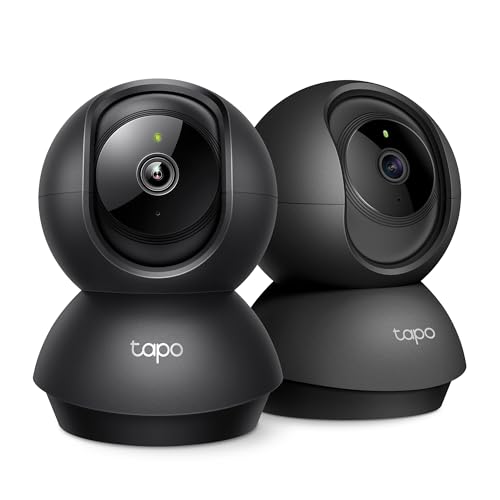
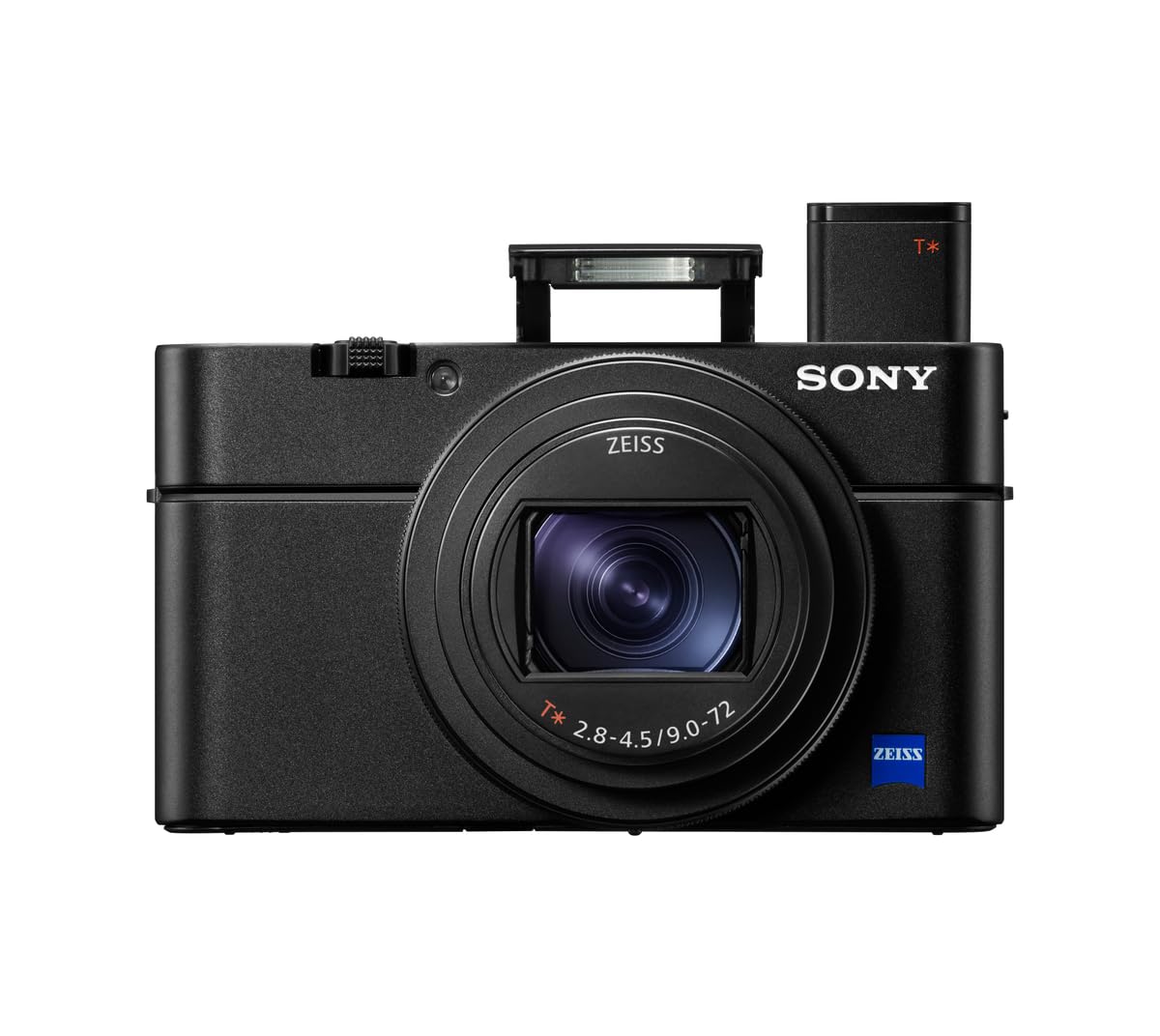
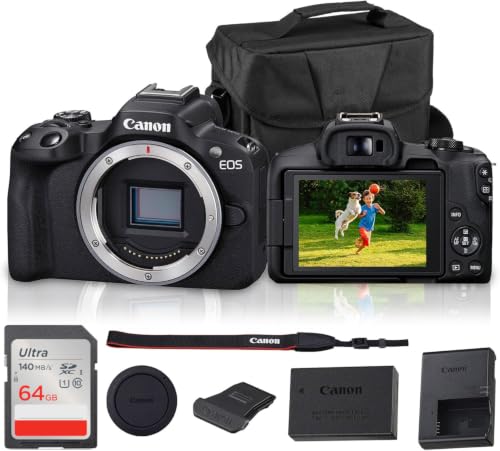
A flower in morning light, a handmade ring, and a coin in a collection all reward a camera that can focus close, hold fine detail, and handle shade without smearing texture. The right choice starts with your subject and the distance you can work at, not with the longest spec list. As you compare best cameras for close up photography, use the comparison table below to line up focus distance, magnification, and stabilization before you read on.
Some cameras focus close with the lens they come with, while others need a dedicated macro lens to reach true magnification. Sensor size, autofocus behavior, and lighting control then shape how much detail and background blur you get. This guide sorts those tradeoffs by use case first, so you can match a camera and lens plan to your subjects.



Who Should Buy Which Camera for Close Up Work?
Your subject sets the working distance, the light you can control, and how much of the scene needs to stay sharp. The groups below start from those needs rather than from brand or price. If close work is only one part of what you shoot, see our guide to the best cameras for photography to weigh general features first.
For Product Sellers and Online Creators
You need accurate color, crisp edges, and framing you can repeat from one session to the next, because buyers judge texture and condition from your photos. A tilting screen helps with top down shots of jewelry and crafts, and reliable autofocus keeps a batch of listings consistent. If you also record product clips, look for clean 4K video and autofocus that stays locked on the item while your hands move it. A standard hot shoe lets you add a small light later.
For Nature and Garden Photographers
Flowers, bees, and frost on leaves call for a longer working distance, since getting too close can cast a shadow or startle an insect away. A weatherproof body and lens pairing shrugs off dew and light drizzle during early shoots. Stabilization matters here because you often shoot handheld while crouching, and small sway grows at close range. For more ideas on framing small subjects outdoors, see our guide to the best cameras for close up shots.
For Travelers Who Shoot Small Details
On the road, the details are often the story, from carved stone and market spices to a plate of food in a small cafe. A compact camera with a built in lens removes the burden of carrying extra glass, and optical zoom helps when a barrier keeps you from stepping closer. Weight and battery life count as much as image quality, because a camera left at the hotel takes no pictures. If you prefer an all in one digital body for trips, see our guide to the best digital cameras for close up shots.
For Students and Hobbyists Learning Close Up Work
Learning close up technique goes faster when the camera shows you what aperture, shutter speed, and focus point are doing, so manual controls and a clear menu system are worth more than a huge sensor at this stage. An interchangeable lens mount gives you a growth path, since you can start with the kit lens and add a true macro lens later. Your budget should leave room for a tripod and a simple light, not just the body. If you are starting from zero, see our guide to the best beginning photography cameras.
Key Features to Compare
When you compare the best cameras for close up photography on paper, a handful of specs decide most of the result, and the product table above is a quick way to check them side by side. Start with how close the camera can focus and how large it can render your subject. Then weigh autofocus, stabilization, size, and sensor format against where and what you shoot.
Autofocus and Image Stabilization
At close range the sharp zone can shrink to a fraction of an inch, so where the camera places focus matters more than how fast it gets there. A movable focus point, touch focus on the rear screen, and focus peaking for manual focus all help you put sharpness exactly on a petal edge or a coin rim. Image stabilization, whether in the body or in the lens, steadies the view and reduces blur during handheld shots at close distances, where normal hand shake looks much larger. On a tripod, many makers suggest switching stabilization off, so check your manual.
Size, Weight, and Ergonomics
A camera you can hold steady and adjust without looking away from the subject will produce sharper close ups than a larger body that fights you. Dial placement matters when the camera sits low on a tripod for ground level subjects, and a screen that tilts saves your knees during garden work. Compact fixed lens models suit travel and daily carry, while larger interchangeable lens bodies offer better grips and more direct controls for long studio sessions. Try to handle a body in person if you can, since grip depth is hard to judge from photos.
Features That Matter for Close Up Photography
Two numbers define close up ability. Minimum focus distance tells you how near the camera can be to the subject and still lock focus, and makers measure it from the sensor plane, so your real working room is always less than the figure suggests. Magnification tells you how large the subject appears on the sensor, and a ratio of 1 to 1 means life size, the mark of a true macro lens. Fixed lens cameras lean on optical zoom and a macro mode to get close, but many focus nearest only at the wide end of the zoom. Action cameras rarely suit this work, since their very wide lenses distort small subjects.
Sensor Size and Image Quality
Sensor size shapes depth of field, low light cleanliness, and the size of the lenses you will carry. A 1 inch sensor in a compact keeps more of a small subject sharp at a given aperture and keeps the camera pocket friendly. APS C sensors balance detail, cost, and lens size for most learners and sellers, while full frame sensors give the cleanest files in dim light but produce a thinner sharp zone at close range. Extra megapixels help when you crop, yet lens quality and steady technique matter far more.
Common Mistakes to Avoid When Buying a Camera for Close Up Work
Most regrets come from trusting one headline number instead of checking how the setup behaves at close range.
- Chasing megapixels alone, so you end up with large files that still look soft because focus and light were never right.
- Trusting a macro label without checking the magnification figure, so the camera cannot fill the frame with small subjects.
- Spending the whole budget on the body alone, so no money remains for the tripod and light that close work needs.
- Choosing a camera that is too large to carry often, so it stays home while your subjects are out in the world.
- Ignoring the cost of a macro lens in an interchangeable lens system, so the close up results you wanted stay out of reach.
Care and Maintenance Tips for Close Up Cameras
Close up work puts lenses near soil, water droplets, food, and workshop dust, so gentle cleaning habits protect the glass. Wipe the front element with a clean lens cloth rather than your shirt, since grit caught in fabric can scratch coatings. Keep the lens cap on when you move between subjects, and blow loose dust off with a hand blower before you wipe.
Carry a spare battery, because live view focusing and long screen use during careful framing drain power faster than casual shooting does. Store the camera in a dry, padded bag with the body cap or a lens attached, and let a cold camera warm up inside the closed bag after winter sessions so moisture forms on the bag instead of the glass. Check the tripod plate screw before each studio session, since a loose plate can let the camera tip toward the subject. For more on daily handling, see our guide to the best close up cameras.
Cameras for Close Up Photography: Your Questions Answered
What features matter most in cameras for close up photography?
Focus distance and magnification matter most, because they decide whether small subjects can fill the frame at all. After those two, weigh stabilization for handheld work and a screen you can angle for awkward positions. One feature many buyers miss is focus bracketing, where the camera records a series at shifting focus points for later blending into one fully sharp image. That tool helps greatly with still subjects like coins and stamps.
What magnification ratio does a camera for close up photography need for true macro photos?
A camera for close up photography reaches true macro at a magnification ratio of 1 to 1, where the subject is recorded at life size on the sensor. Lower ratios still work well for larger subjects, since a flower head or a frog fills the frame long before life size. Choose full macro ability for insects, snowflakes, and jewelry hallmarks, and accept half size magnification for food, flowers, and most craft items. Printing large pushes you toward the higher ratio.
How much should I spend on a first camera for close up photography?
A first camera for close up photography usually makes sense at around $600 for the body with a standard lens, or for a strong fixed lens compact. Set aside roughly a quarter of your budget for support gear, since a tripod and a simple light improve close ups more than a small step up in body price. Buying a macro lens can come later, once you know which subjects you return to most.
What specs matter most for beginners buying a camera for close up photography?
Beginners buying a camera for close up photography should value guided autofocus, a clear rear screen, and simple aperture control over raw spec numbers. A macro mode with honest focus distance figures helps you learn what your subjects demand. Look for focus peaking with a highlight color you can change, since a color that vanishes against your subject teaches you little. A standard accessory shoe is also worth having early, because adding light is the most common second purchase.
Which camera type is better for close up photography in low light?
An interchangeable lens camera with a larger sensor is better for close up photography in low light, since it gathers more light and keeps fine texture cleaner at high sensitivity settings. Pairing it with a macro lens that opens to a wide aperture keeps shutter speeds safer for handheld work. Still, adding light often beats buying a bigger sensor, and a small LED panel placed close to the subject can transform dim indoor shots. High sensitivity alone tends to flatten the detail you bought the camera to capture.
Is a smartphone enough instead of a camera for close up photography?
A smartphone is enough instead of a camera for close up photography when the goal is casual sharing of larger subjects like food, pets, and garden flowers. Its close focus modes are quick and results look bright on a phone screen. Limits appear with tiny or valuable subjects, since heavy processing can smooth or invent texture on fabric, coins, and skin. Sellers and collectors who need honest detail, plus anyone printing large, will outgrow a phone quickly.
Our Verdict
Match the camera to the subject first. Sellers and creators need repeatable framing, honest color, and light control, nature shooters need working distance and weather protection, and travelers need a body light enough to carry all day. Before you order, check the product table above for focus distance, magnification, and stabilization.
In short, the best cameras for close up photography are not the ones with the longest feature list, but the ones whose focus reach, magnification, and handling suit the subjects you shoot most. Pick the setup that removes friction from your next session.