
Best All Mountain Bike Shoes: A Buyer Checklist for 2026
Disclosure: We may earn a commission when you buy through links on this page, at no extra cost to you. As an Amazon Associate I earn from qualifying purchases. Learn more

Fit and pedal contact decide how trail shoes perform. Use this checklist to choose the best all mountain bike shoes.
A good checklist keeps shoe shopping simple, because trail shoes live or die on fit and pedal contact, not on color or branding. When you judge best all mountain bike shoes by the same criteria in the same order, weak options fall away fast.
This article lays out that checklist in full: compatibility, materials, grip, value, and sizing, followed by three buying profiles, quick self checks, and the red flags that signal a poor purchase. The comparison table below shows how current styles divide by closure and sole type.


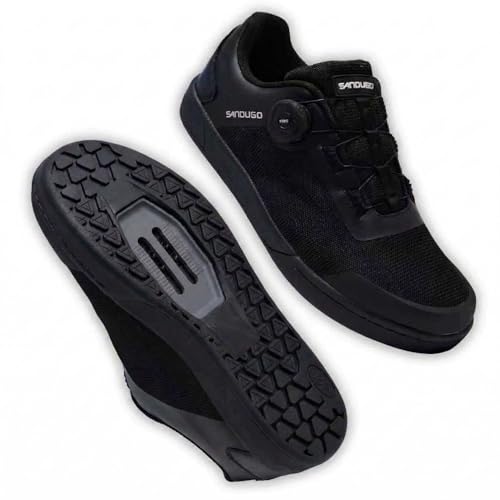
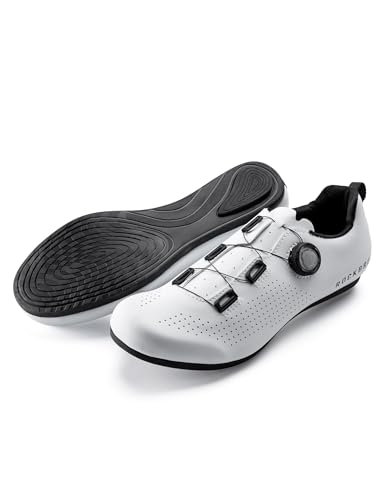
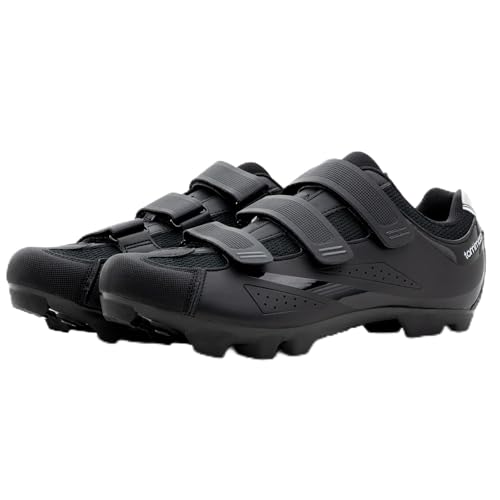

Use the checklist with your own pedals and socks in mind. A shoe that scores well for a clipless racer may score poorly for a flat pedal rider who hikes steep sections on foot.
How to Evaluate Mountain Bike Shoes
Score each shoe against the seven criteria below rather than trusting a single star rating. A shoe needs no perfect scores, but it should have no outright failures in compatibility or fit, because those two cannot be fixed after purchase.
Compatibility With Your Bike or Gear
Compatibility comes first. Shoes are built either for flat pedals, with a smooth sticky rubber sole, or for clipless pedals using a two bolt SPD style cleat recessed into the sole. The two systems do not interchange, so confirm your pedal type before anything else. Cleat position matters too, since slots that allow the cleat to sit farther back reduce calf and Achilles strain on long descents. If you are also choosing a bike, our guide to the best all mountain mountain bike explains the terrain these shoes are designed to match.
Safety Certifications
Shoes themselves carry no crash certification like helmets do, so be wary of any listing that implies otherwise. What you can check is honest protective design: a reinforced toe box, padding around the ankle bone, and a closure that cannot loosen into the chain. Helmet standards belong to other gear and should not sway a shoe decision. Treat protection claims for shoes as design descriptions, and judge them by handling the shoe and pressing the toe and heel counters for real stiffness.
Materials and Weight
Uppers are usually synthetic leather or mesh panels over a nylon or composite sole, with carbon soles at the premium end. Synthetic uppers resist water and clean easily after muddy rides, while more mesh breathes better in summer but soaks faster. A nylon sole balances pedaling stiffness with comfortable walking, whereas carbon feels stiffer for racing but punishes hike a bike sections. Weight differences of 100 grams per pair are barely noticeable on the trail, so do not sacrifice fit or grip to save a small amount of weight.
Performance Specs
For flat pedal shoes, performance means rubber grip, and softer rubber compounds grip pedal pins better but wear faster. For clipless shoes, performance means a stiff sole that transfers power, plus enough tread at the toe and heel for muddy climbs on foot. Look at the tread pattern in photos: deep, widely spaced lugs shed mud, while shallow tread clogs and turns slick. Ventilation holes help in heat but let water in during stream crossings, so match the upper to your climate rather than chasing the most open design.
Value and Warranty
Trail shoes range from around $60 for basic flat pedal models to about $250 or more for premium clipless designs. Mid range shoes around $100 to $160 usually deliver the best value, with durable soles and replaceable parts such as straps or dials. Check whether the maker sells replacement insoles and closure hardware, and read the warranty length for sole separation, the most common failure. A shoe that can be resoled or repaired locally may outlast a cheaper pair twice over, which changes the real cost per season.
Fit, Sizing, and Comfort
Fit decides everything else, because even the grippiest sole fails when your heel lifts or your toes jam on descents. You want a thumb width of space in front of your longest toe, a snug midfoot that does not depend on crushing the closure tight, and no pressure on top of the foot from dials or straps. Feet swell on long rides, so try shoes late in the day with your riding socks. Brands size differently, and many trail riders go up half a size from their road shoe for walking comfort.
Mounting and Ease of Installation
For clipless shoes, setup means fitting the cleats, and good shoes make this easy with clear scale marks beside the cleat slots so both sides match. Apply a drop of thread locker or grease as the pedal maker advises, tighten evenly, and recheck the bolts after your first ride, because new cleats settle. Flat pedal shoes need no installation, but you should still set your foot position consciously, placing the pedal axle under the ball of your foot. Riders still choosing their first full setup can see how shoes fit into the wider picture in our guide to the best bike for mountain biking.
Three Buying Profiles That Pass Our Checklist
Instead of naming specific models, use the three profiles below to recognize the right kind of shoe. Each profile lists who it serves, what it does well, and what it gives up.
All Round Profile
The overall profile suits riders who mix pedaling days with technical descents and occasional walking. It pairs a moderately stiff nylon sole with a grippy tread, a dial or dial plus strap closure for even pressure, and a reinforced toe. Expect to pay around $130 to $180. Its strength is balance, since it pedals efficiently without punishing your feet on foot sections. Its limit is that it is neither the stiffest racing shoe nor the stickiest flat pedal shoe, so specialists may still want a dedicated second pair later.
Value Profile
The value profile suits newer riders and anyone who rides a few times a month. It uses lace or strap closures, a full rubber outsole for flat pedals or a basic two bolt sole for clipless use, and simpler synthetic uppers, usually around $60 to $110. Its strengths are price and versatility, and many value shoes double as casual shoes off the bike. The trade off is durability, since softer soles and glued construction wear sooner under pedal pins. Plan on this pair lasting one to two hard seasons rather than four.
Compact Profile
The compact profile suits riders who travel to trails, pack light, or want a lower profile shoe for smoother local routes. It has a slimmer last, a lighter and more flexible sole, and a low ankle cut that feels close to a sturdy trail runner. Prices usually sit around $90 to $150. It packs flat in a duffel and walks naturally, which bikepackers value. Its limit is protection, since the thinner toe and flexible sole transmit rock strikes and pedal pressure on long rocky descents, so it is not the pick for bike park days.
Quick Buyer Checklist
- Does the sole match my pedals, flat or two bolt clipless, with no adapter needed?
- Can I fit a thumb width between my longest toe and the end of the shoe?
- Does my heel stay down when I walk uphill in them indoors?
- Is the toe box firm when I press it hard with my thumb?
- Can the closure be adjusted with one hand while wearing gloves?
- Are replacement insoles, straps, or dials available from the maker?
- Does the tread suit my trails, deep lugs for mud or flatter rubber for hardpack?
- Would I still choose this pair if the logo were covered?
Red Flags to Watch For
- Vague specifications. Listings that will not state sole material, cleat standard, or weight are hiding ordinary construction behind marketing words.
- No real tread photos. If you cannot see the outsole clearly, you cannot judge grip, and sellers know which angle flatters a weak tread.
- Suspicious review patterns. Many short, glowing reviews posted in a tight window, with no mention of sizing, often signal a listing you should skip.
- Very short warranty. A warranty of only a few months on stitching and sole bonding suggests the maker expects early failures.
- Fashion styling cues. Smooth fashion soles, decorative stitching across flex points, and no toe reinforcement mark a casual shoe dressed up as trail gear.
Tips to Get the Most From Your Mountain Bike Shoe
Check fit and tightness before each ride, snugging closures after the first ten minutes once your feet settle. After muddy rides, remove the insoles, stuff the shoes with newspaper, and dry them at room temperature away from heaters, which crack synthetic uppers. Tighten cleat bolts monthly, replace worn cleats when clipping in feels vague, and rotate the shoes off for a rest day between long rides so the foam insoles can recover.
FAQs
How often should I replace mountain bike shoes?
Replace mountain bike shoes when the sole tread is worn smooth, the upper stretches so much that your heel slips, or cleats no longer hold firmly. For most riders that is every two to four years, depending on mileage and mud. A shoe that needs constant retightening during a ride has already told you its structure is tired, even if it still looks presentable.
How do I choose the right size in mountain bike shoes?
Choose size by length and heel hold, not by your usual street shoe number, because cycling brands vary widely. Measure both feet in the evening, match the longer foot to the maker size chart in centimeters, and keep a thumb width of toe room for descents. If you fall between sizes, the larger size with a thicker insole usually works better than a tight smaller size.
Clipless or flat pedals for beginners?
Flat pedals are usually better for beginners, because you can put a foot down instantly and learn balance without worrying about unclipping. Clipless pedals help later with foot security on rough climbs and sprints. Many riders who ask which is the all mountain best mountain bike shoe setup discover the honest answer is flats first, then a move to clipless once basic skills feel automatic.
How do I know when my cleats need replacing?
Replace cleats when clipping in feels vague, the shoe rocks on the pedal or the metal looks rounded and worn. Check the bolts monthly and carry a spare set on long rides.
Can I use mountain bike shoes for walking?
Yes. Trail shoes have recessed cleats and lugged soles, so they walk far better than road shoes. Flat pedal shoes feel most like ordinary sneakers.
Final Thoughts
Compatibility, fit, and sole grip are the three criteria that decide whether a trail shoe works, and everything else is refinement. Run every candidate through the checklist, use the product table above to compare profiles, and be honest about your pedal system. Newer riders planning their whole kit can also browse our guide to the best starter mountain bike options for context on matching gear levels.
When the best all mountain bike shoes fit your feet and your pedals, you stop thinking about them on the trail, and that quiet confidence is exactly what you are paying for.


