
Best Climbing Shoes under 100: Matching the Right Model to Your Routine for 2026
Disclosure: We may earn a commission when you buy through links on this page, at no extra cost to you. As an Amazon Associate I earn from qualifying purchases. Learn more

Learn how the best climbing shoes under 100 compare by fit, grip, downturn, and durability so you can match a pair to your gym or rock routine.
There is no single shoe under $100 that suits every climber, because a boulderer, a new gym member, and an outdoor beginner all ask different things from their feet. This guide matches the best climbing shoes under 100 to real routines, so you can spend on the traits you will actually use and skip the rest.
Start with how and where you climb, then use the comparison table below to check fit, shape, and rubber against that routine. A modest pair that fits well will almost always climb better than a more advanced pair that hurts or slips at the heel.

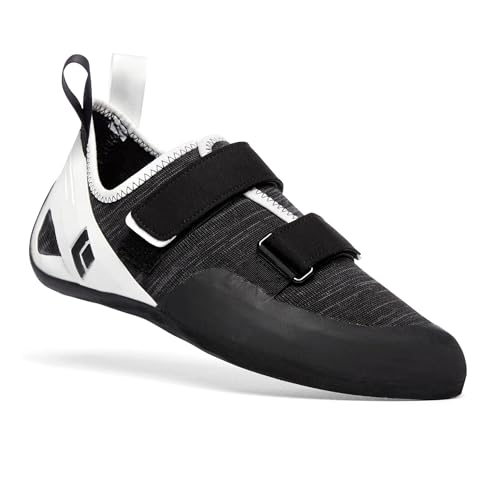

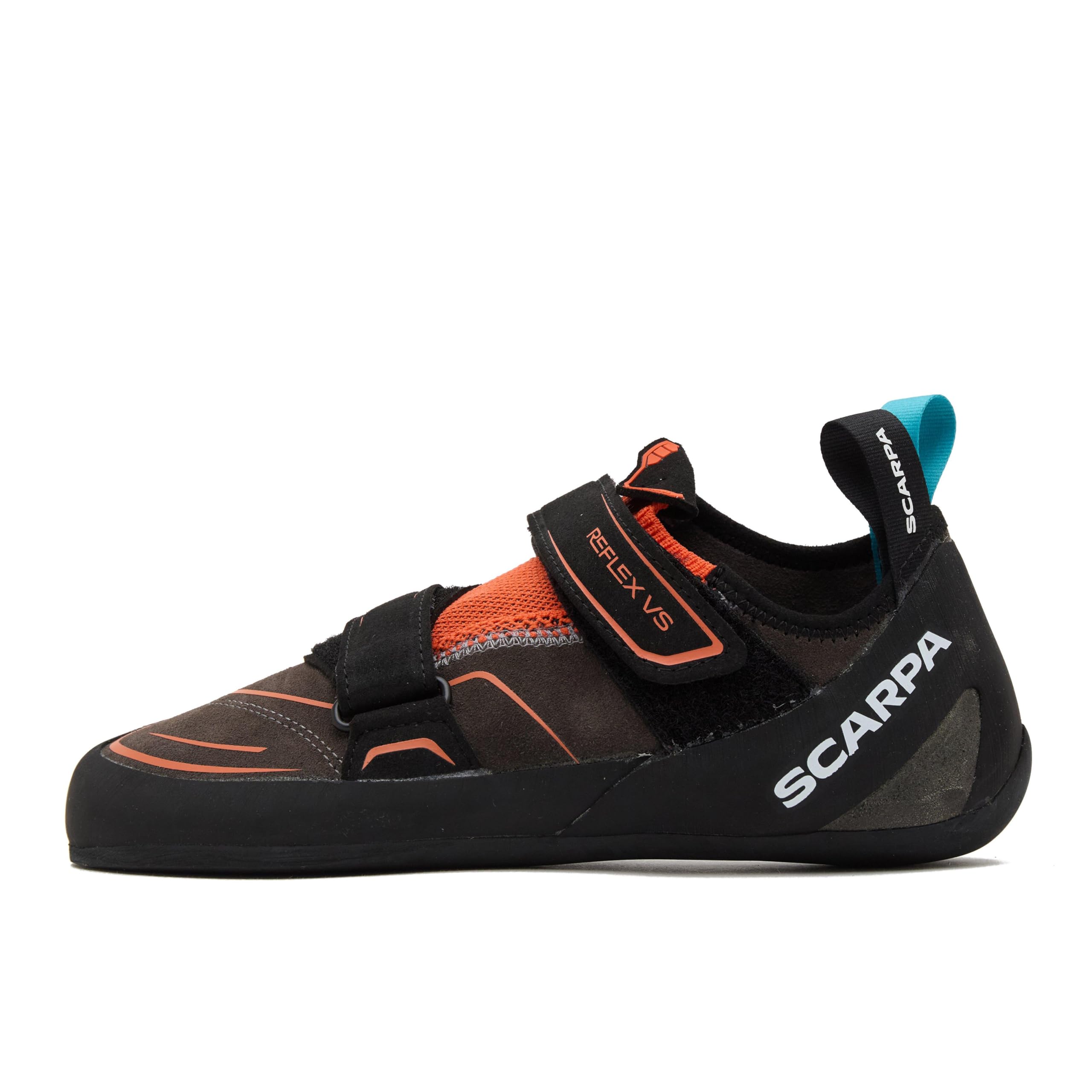


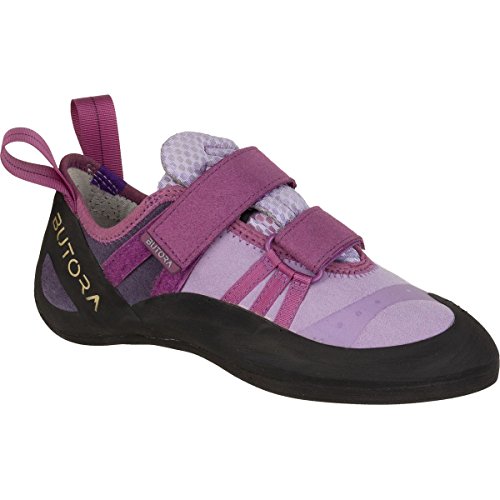


Who Should Buy Which Climbing Shoes?
For Outdoor Climbers on Rough Rock
If you climb outdoors in changeable weather, prioritize a durable upper, solid stitching, and rubber that still grips when holds are dusty. A slightly stiffer sole helps on rough rock and protects your feet on approaches over uneven ground. Avoid very soft shoes for this use, since thin rubber wears fast outside. A pair that dries quickly and cleans easily with a brush will also hold up better across a full season.
For Weekend Beginners
Weekend beginners need comfort first, because sore feet end sessions early and slow down learning. Look for a flat shape, a padded tongue, and a closure you can loosen quickly between climbs. Durability matters more than peak grip at this stage, since new footwork tends to drag toes on the wall. A forgiving fit that you can wear for a full class or social session is the right target here.
For Frequent or Serious Users
If you climb three or more times a week, rubber wear and fit stability become your main costs. Choose a pair with thicker toe rubber, a secure heel, and a shape that supports edging without constant foot fatigue. You may accept a mild downturn for better power on steeper gym walls. Check the warranty and resole options too, because frequent users gain real value from a shoe that can be repaired rather than replaced.
For Climbers Returning After a Break
If you climbed years ago and are starting again, your feet need time to regain strength, and an aggressive shoe will slow that process. Choose a flat to moderate shape with a forgiving fit, rubber thick enough to survive relearned footwork, and a closure you can loosen between climbs. Under $100 this profile is easy to find, and it lets you rebuild technique for a season before deciding whether a more precise second pair is worth the money.
Picking the Right Climbing Shoes for Different Uses
Best Beginner Climbing Shoes under 100
When you shop for best beginner climbing shoes under 100, the beginner traits matter more than raw performance. Choose a flat last, room for toes to lie mostly flat, and rubber thick enough to survive early technique mistakes. A simple closure that you can adjust with cold or tired hands helps during lessons. This type builds confidence and foot strength without the pain that a downturned shoe can cause in the first months.
Best Bouldering Climbing Shoes under 100: What to Prioritize
For best bouldering climbing shoes under 100, prioritize heel fit, toe grip, and a closure that stays secure during dynamic moves. Bouldering uses heel hooks and toe hooks often, so a loose heel will pull off at the worst moment. A mild downturn helps on steep boards, while soft rubber helps on volumes. If you mostly boulder, accept faster rubber wear as the trade off for that extra grip and control.
If your budget search started with rock routes in mind, our guide to the best rock climbing shoes under 100 adds detail on edging and outdoor durability.
Key Features to Compare
Value and Included Accessories
At this price, value often hides in the details around the shoe rather than in the shoe alone. Check whether a storage bag is included, how clear the size chart is, and how returns work if the fit is wrong. A generous exchange policy can be worth more than a small price cut. Also consider chalk and tape costs in your total budget, since a first pair is rarely the only purchase a new climber makes.
Materials and Construction
Uppers are usually leather or synthetic material, and each behaves differently over time. Leather tends to stretch and shape to your foot, which can help comfort but may loosen a precise fit. Synthetic uppers stretch less and often dry faster, though they can hold odor more. Check the join between upper and sole, the quality of stitching at the toe, and whether the lining feels smooth enough for bare feet during long gym sessions.
Performance Characteristics
Grip, edging, and sensitivity decide how a shoe feels on the wall. Sticky rubber and a thinner sole help you trust smears and feel small holds, but they demand cleaner footwork. A stiffer shoe supports your weight on edges with less strain, which suits longer routes and heavier climbers. Forgiveness is valuable under $100, because most buyers at this price are still building technique and benefit from a shoe that tolerates small placement errors.
Skill Level and Intended Use
Match the shoe to the climber you are now, not the climber you hope to be next year. A flat and comfortable shoe serves beginners and all day outdoor climbers well. A moderate shape suits climbers moving into steeper gym routes and regular bouldering. A strong downturn only pays off if you already climb steep terrain often. Buying ahead of your level usually brings pain, faster wear in the wrong places, and sessions that end early.
What You Can Realistically Get Under $100
Under $100 you can expect solid rubber, a sound basic fit, and enough durability for regular gym use. What you give up is usually the softest high grip rubber, the most precise heel shapes, and premium linings. Do not save money by accepting a poor heel fit or paper thin toe rubber, since both fail fast. Spending around $80 to $100 rather than the lowest price often buys noticeably better rubber and stitching. For a broader view of footwear value at this level, see our guide to the best shoes under 100.
Common Mistakes to Avoid When Buying Climbing Shoes
- Choosing only by the lowest price and ignoring fit and rubber thickness.
- Copying the size a friend wears instead of using the brand size chart.
- Buying a strong downturn for flat gym walls where it adds only pain.
- Skipping the return policy check when ordering a brand you have not worn.
- Forgetting that leather shoes stretch, so a perfect fit in store may loosen.
Care and Maintenance Tips
Store shoes out of direct sun and extreme heat, and let them air dry after every session. Check wear before each use, paying attention to the toe area where rubber thins first. Clean and dry shoes after outdoor use with a soft brush, and remove chalk dust from the inside with a dry cloth. Loosen the closure before storage, keep the pair in a breathable bag, and resole early if you plan to resole at all.
Climbing Shoes: Your Questions Answered
Can you get a good climbing shoe under $100?
Yes, you can get a good climbing shoe under $100 for gym climbing and starting outdoors. At this price you get dependable rubber, a workable fit, and enough support for most beginner and intermediate routes. What you will not get is the softest rubber or the most precise fit for elite steep climbing. For most new climbers, that trade is sensible and leaves budget for lessons or gym time.
What size should I get?
Start close to your street shoe size and then adjust for the brand and model. Your toes should reach the front and feel snug without numbness or sharp pain at the knuckles. Try shoes on both feet and stand on a small edge if the store allows it. Remember that leather uppers stretch with use, while most synthetic uppers hold their size more closely over time.
Indoor vs outdoor: does it matter?
Yes, the setting changes wear and grip needs in clear ways. Indoor climbing on clean holds is kinder to soft rubber, while outdoor rock is rougher and can shred thin soles quickly. Outdoor shoes also need to handle dust, moisture, and a walk in on uneven ground. If you do both, choose a middle path with moderate stiffness and durable rubber, then add a specialist pair later if needed.
Is it worth buying premium as a beginner?
No, premium shoes rarely pay off for a beginner at any budget. Advanced shapes assume strong feet and clean technique, and they wear fast when toes drag on the wall. A comfortable pair under $100 lets you climb more often and learn faster. Upgrade when your current pair clearly limits you on specific holds or angles, not simply because a harder grade feels difficult.
How long does it last?
A pair used twice a week at the gym often lasts several months before the toe rubber needs attention. Dragging toes, rough outdoor rock, and storing shoes in a hot car all shorten that life. Watch for a worn patch at the big toe and a loss of edge sharpness. Catching wear early matters, because resole work is only possible while the layer under the rubber stays intact.
Our Verdict
Put fit first, match the downturn to your usual walls, and choose rubber thick enough for your weekly volume. Beginners should favor comfort and durability, while regular boulderers should favor heel fit and grip. Check your shortlist in the product table above and pick the best climbing shoes under 100 for the routine you actually follow each week.


