
Best Climbing Shoes for Morton's Toe of 2026: Complete Buying Guide
Disclosure: We may earn a commission when you buy through links on this page, at no extra cost to you. As an Amazon Associate I earn from qualifying purchases. Learn more

Climbers with a longer second toe get toe box, fit, and sizing guidance to choose the best climbing shoes for morton's toe without painful jamming.
If your second toe is longer than your big toe, you have a Morton's toe foot shape, and most climbing shoes were not designed for you. Standard lasts point toward the big toe, so your longer second toe jams, curls, and takes the pressure on every edging move. This guide to the best climbing shoes for morton's toe explains which toe box shapes, lasts, and sizing choices fix that, and the comparison table below lets you check current options against the criteria.
One clarification first: Morton's toe is a bone length pattern, not an injury, and it differs from Morton's neuroma, a nerve condition that causes burning pain between the toes. This guide covers the foot shape only.

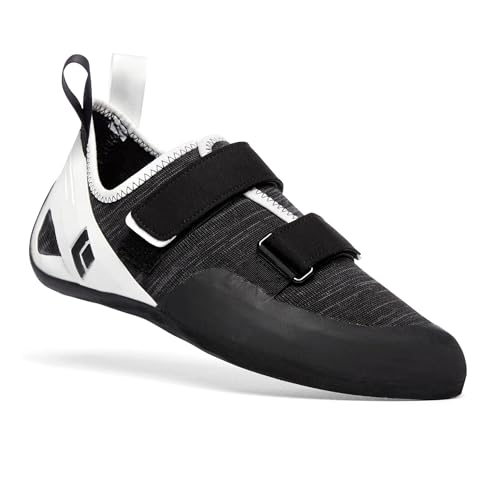

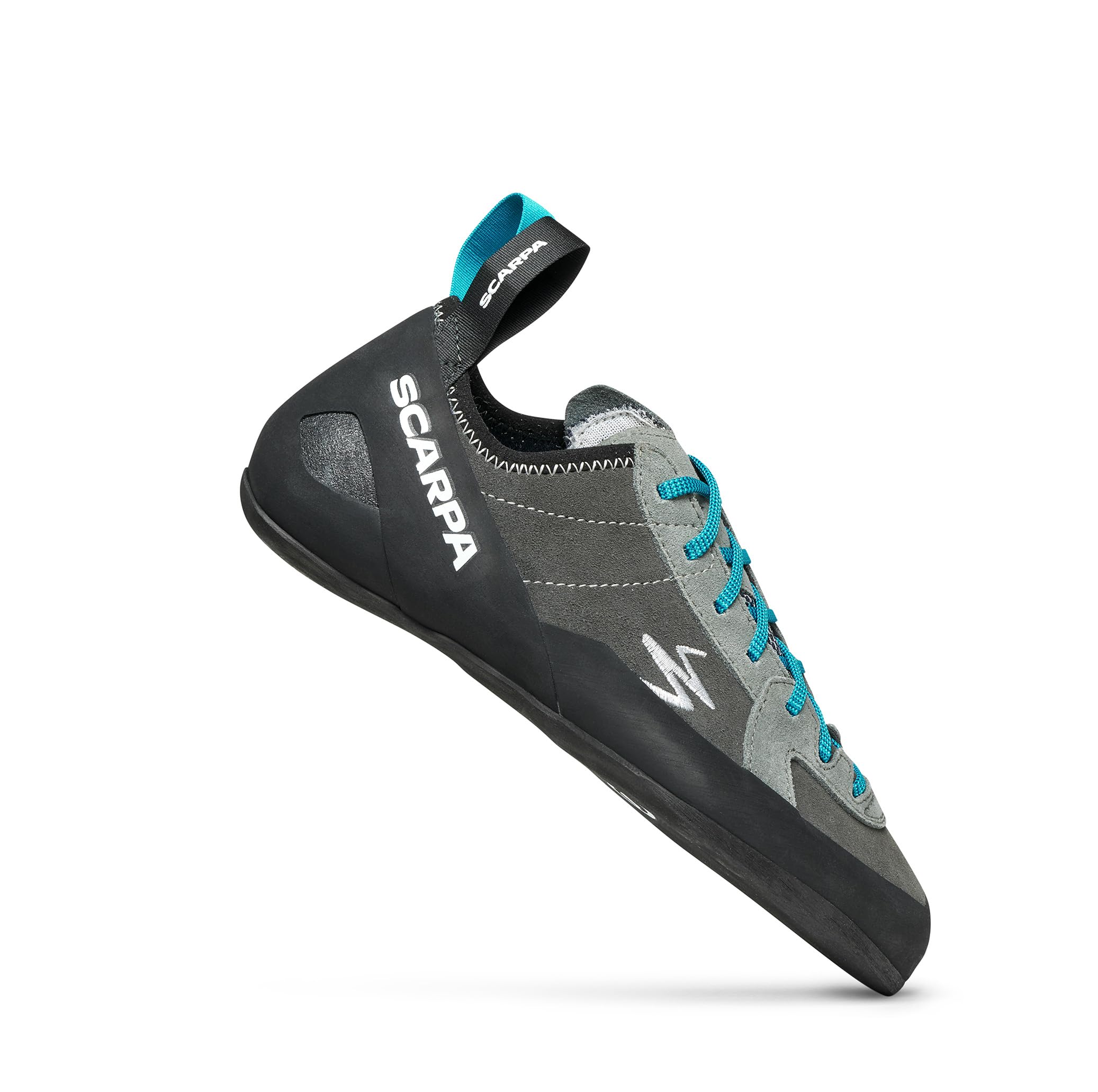


Three Fit Profiles at a Glance
Read the three profiles below as fit guides rather than fixed models. For this foot shape, the right toe shape matters more than the badge on the shoe, so match the product table above to the profile that sounds like your feet and your climbing.
Best Overall
The strongest overall profile uses a toe box whose longest point sits closer to the center of the foot, with a rounded or gently squared front instead of a sharp big toe point. Add moderate downturn, a lace closure for fine adjustment, and medium stiffness for edging. Expect to pay around $140 to $185. This profile lets your second toe lie nearly straight while your big toe still shares the load on small holds.
Best Value
A value profile, usually around $90 to $125, keeps a rounder toe box and a flatter, more forgiving shape. You lose some precision on tiny edges and steep pockets, but you gain a shoe you can wear for full sessions while your feet adapt to climbing. For many Morton's toe climbers, a comfortable value shoe that fits the toe correctly outperforms an expensive aggressive shoe that crushes it.
Best for Beginners
Beginners should choose a flat, supportive shoe with a roomy, rounded front and a closure that is easy to adjust between climbs. Around $80 to $110 is a sensible range. The priority is learning footwork without your second toe screaming on every move, because pain teaches you to avoid weighting your feet, and that habit slows progress far more than a basic shoe ever will.
How to Choose the Best Climbing Shoes: Buying Guide
Choosing the best climbing shoes for morton's toe starts with toe box geometry and ends with everything else. Work through the criteria below in order and reject any shoe that fails the first one, no matter how good the rest looks.
Features That Matter for Morton's Toe
The key feature is where the toe box reaches its longest point. You want a last that peaks between the big toe and the second toe, or one with a broad, rounded front that gives the second toe room to lie flat. Avoid sharply asymmetric shoes that angle hard toward the big toe. A useful shop check: press your toes against a flat edge in the shoe and check that your second toe is not folded or stacked on top of its neighbors.
Skill Level and Intended Use
Beginners do best in flat, rounded shoes that forgive both technique and toe shape. Intermediates can add downturn, but each increase in downturn pushes toes further forward, so recheck second toe comfort at every step up. Advanced climbers face the hardest trade off, because aggressive shoes are the most asymmetric; many solve it by reserving a snug pair for short project attempts and training in a rounder, kinder shape.
Value and Included Accessories
Value here means cost per comfortable session. A slightly pricier shoe that fits your toes will be worn constantly, while a bargain that hurts becomes a wasted purchase. Check exchange policies carefully, because Morton's toe fit is hard to judge from size charts alone and you may need one swap. Some climbers use a thin toe cap or tape on the second toe during break in, a small cost worth budgeting for.
Materials and Construction
Leather uppers stretch and can mold around a longer second toe over several sessions, which sometimes rescues a borderline fit. Synthetic uppers hold their shape, so what you feel in the shop is what you keep; that predictability suits buyers who cannot wait out a break in period. Lined shoes stretch less than unlined ones. Inspect the toe box stitching, because the extra pressure from a long second toe stresses seams at the front of the shoe.
Performance Characteristics
Good performance for this foot shape means your big toe and second toe share edging loads instead of the second toe folding under. A medium stiff sole helps spread that load. Sensitivity matters for feeling whether the second toe is placed or crumpled, so very thick, stiff beginner soles can hide problems until pain appears. Grip and heel security follow the usual rules; a correct toe box does not require giving up either.
Safety and Certifications
Climbing shoes have no certification for toe shapes or foot health, so treat medical sounding claims with suspicion. Your safety checks are simpler: no sharp pain, no numbness, and no toe that stays bent double after you remove the shoe. Persistent forefoot pain, burning, or tingling is a reason to stop and talk with a clinician, because those symptoms can signal a nerve problem rather than a simple fit issue.
Size, Weight, and Fit
Size to your longest toe, which for you is the second one. That often means choosing a half size larger than a big toe dominant climber would in the same model, then using laces to remove any heel slack the extra length creates. Toes should touch the front with the second toe lying almost straight, lightly curled at most. If it folds sharply or rides over the third toe, the last is wrong for you at any size. Everyday footwear shaped for this foot can help between sessions; see our guide to the best shoes for morton's toe for daily options.
Types of Climbing Shoes
Intermediate and All Around Options
All around shoes with moderate downturn and rounder fronts are the natural home for most Morton's toe climbers. They edge well, smear adequately, and keep the second toe in a tolerable position for full sessions. As your grades rise, stay within this category longer than your friends do, and upgrade rubber quality before you upgrade aggression.
Advanced and Performance Options
Performance shoes bring the strongest downturn and the most asymmetric lasts, which is exactly what this foot shape struggles with. They can still work in short doses if the toe box peak sits centrally. Treat them as project tools: warm up in other shoes, put these on for hard attempts, and take them off between tries to let your second toe recover.
Kids and Youth Options
Young climbers with a longer second toe need comfort above all, because growing feet and sore toes are a fast route to quitting. Choose soft, rounded youth shoes with easy closures, check toe position every few months as feet grow, and never size down aggressively. Rental fleets at gyms are a useful free way to learn which toe box shapes a child tolerates.
Best Climbing Shoes for Specific Needs
Best Rock Climbing Shoes for Morton's Toe
For the best rock climbing shoes for morton's toe outdoors, favor a medium stiff shoe with a rounded toe and enough support for long days on edges. Outdoor routes keep you in the shoe far longer than gym problems, so second toe pressure builds up; a slightly roomier fit and laces you can loosen at belays make a real difference by the end of the day.
Best Aggressive Climbing Shoes for Morton's Toe
Finding the best aggressive climbing shoes for morton's toe means hunting for downturn without extreme asymmetry. Look for models described as having a centered toe peak, keep sessions in them short, and accept a half size more room than a typical performance fit. If every aggressive option folds your second toe, that is information, not failure: your projects will go better in a precise all around shoe you can actually push in.
Care and Maintenance Tips
- Store out of direct sun and extreme heat. Heat warps toe box shape, and the fit you chose for your second toe depends on that shape holding.
- Check wear before each use. Inspect the rubber over the second toe area, since extra pressure there can thin the sole unevenly.
- Clean and dry after outdoor use. Brush grit off and air dry slowly so uppers keep the molded fit they developed around your toes.
- Tape or pad a sore second toe during break in. A small layer of climbing tape reduces friction while leather gives, but persistent pain means the fit is wrong, not that you need more tape.
- Rotate pairs on heavy weeks. Resting a shoe lets the toe box recover instead of staying compressed around your longest toe.
Foot care between sessions matters too. Runners with the same foot shape face similar pressure issues, and our guide to the best running shoes for morton's toe covers toe box choices for training days. Climbers curious about minimalist footwear can also read about the best toe shoes, though those suit ground exercise rather than edging on rock.
FAQs
What features matter most in climbing shoes for morton's toe?
Toe box shape matters most: a front that peaks near the center of the foot and lets your second toe lie nearly straight. Everything else, including downturn, rubber, and closure, comes second. A quick check is to edge on a small hold in the shop; if your second toe folds or stacks instead of pressing flat, the last does not suit you.
How long does it last?
Lifespan matches other climbing shoes, roughly six to twelve months of regular use before a resole. Watch the sole beneath the second toe, because concentrated pressure can wear that spot faster and unevenly. Resoling early keeps the wear from reaching the rand. A shoe whose toe box has stretched so much that your foot slides forward has also reached the end, whatever the rubber looks like.
Indoor vs outdoor: does it matter?
Only in degree. Indoor sessions are short, so a tighter, more downturned shoe is tolerable in brief attempts. Outdoor days keep pressure on your second toe for hours, favoring support and a touch more room. Many climbers with this foot shape keep one precise pair for gym projects and one kinder pair for rock, and rotate based on how their toes feel.
What size should I get?
Fit to your second toe, not your big toe. Start at street size, check that the second toe touches the front without folding, and use laces to secure the heel if the extra length leaves slack. Sizing down like other climbers is the most common mistake with this foot shape; a snug shoe that crumples your longest toe will hurt more every session, not less.
Is it worth buying premium as a beginner?
No. Premium shoes are the most asymmetric and the least forgiving of a longer second toe. Beginners improve faster in a comfortable, rounded shoe they can wear while learning to trust their feet. Spend on fit and on climbing time first. Premium only becomes relevant later, and even then only in the minority of models with a centered toe box.
Final Thoughts
Judge every shoe by one question first: does your second toe lie nearly straight and share the work? Then check edging support and heel fit. If pain, burning, or numbness persists in well fitted shoes, talk with your clinician about your personal needs rather than sizing down further. With the right last, the best climbing shoes for morton's toe feel unremarkable in the best way, so shortlist candidates in the product table above and let your toes make the final call.


