
Best Climbing Shoes for Limestone by Budget: Smart Picks for 2026
Disclosure: We may earn a commission when you buy through links on this page, at no extra cost to you. As an Amazon Associate I earn from qualifying purchases. Learn more

Limestone climbers get edging, rubber, and fit guidance for pockets, tufas, and polished rock, plus the best climbing shoes for limestone at every budget.
Limestone asks a lot of a shoe. It mixes sharp edges, deep pockets, smooth tufas, and footholds polished slick by years of traffic, sometimes on the same route. Prices for suitable shoes range from under $90 to over $200, and spending more only helps if the money goes into edging support and rubber that suits this rock. This guide to the best climbing shoes for limestone sorts the budget levels for you, and the comparison table below lets you match current options to your price range.
You will learn which tier fits your climbing, which features genuinely matter on limestone, and which upgrades you can skip without losing sends.

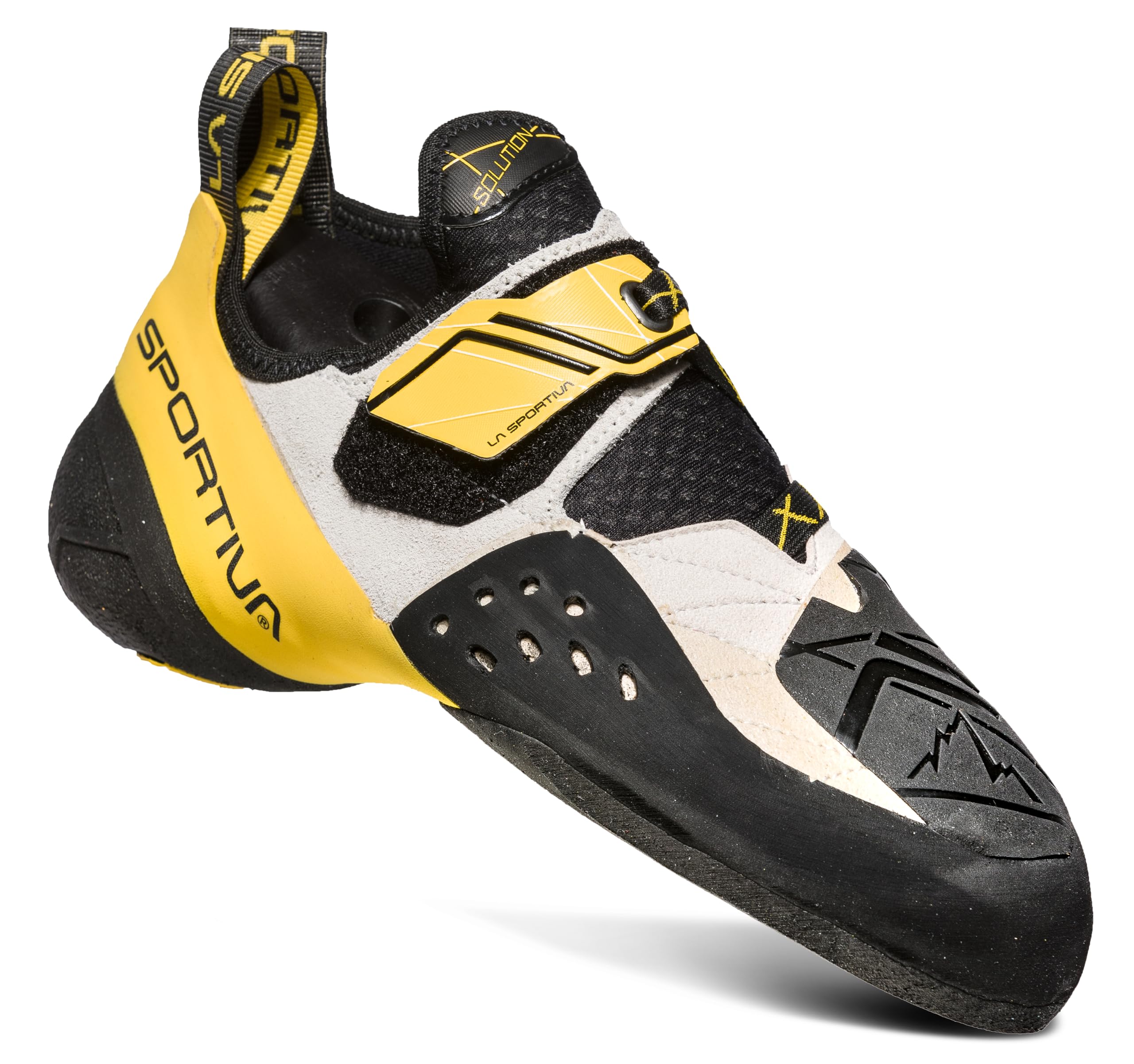


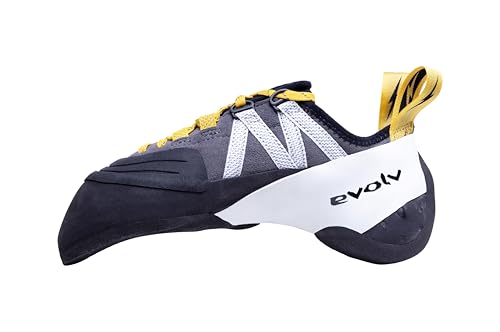


Three Budget Levels Compared
Treat the profiles below as shopping profiles rather than fixed models. Models change every season, but a good limestone shoe at each price keeps the same traits, so use the product table above to find the profile that matches your budget and your local crag.
Best Budget Pick
A capable budget profile, usually around $85 to $115, offers a fairly stiff sole, a neutral to moderate shape, and durable rubber. That stiffness is a genuine asset on limestone edges, where soft shoes roll and tire your feet. You give up sensitivity in pockets and some grip on polished smears, but for vertical and gently overhanging limestone up to moderate grades, this level is honest value and lasts a long season.
Best Midrange Pick
The midrange profile, around $125 to $175, adds stickier rubber, a more precise toe, and a moderate downturn for steeper walls. Fit choice improves too, with volume options that help you fill pockets accurately without pain. For most limestone climbers, this is the tier where money turns into performance you can feel: calmer feet on small edges, better trust on polished holds, and enough comfort for multi pitch days.
Best Premium Pick
Premium limestone shoes, around $180 to $230, combine a stiff edging platform with a downturned, precise front and high friction rubber. They excel on steep pocketed walls and technical faces where every placement counts. The trade offs are price, a demanding fit, and rubber that wears faster on sharp rock. Choose this tier when your projects are hard and specific, not as an everyday pair for easy mileage.
What Your Money Gets You at Each Price Tier
Budget Tier: What to Expect
Budget shoes deliver durability and support first. Expect thicker rubber, simpler uppers, and a fit range that runs wide rather than precise. On limestone that formula works better than it does on many rock types, because support and longevity matter on sharp edges. The main risk is a blunt toe that cannot slot into small pockets, so try before you buy and check pocket accuracy on a board or a shop wall if you can.
Midrange Tier: The Sweet Spot for Most Buyers
Midrange money buys the two things limestone rewards most: better rubber and a better toe. You also gain closures that fine tune fit, which helps when feet swell on sunny crags. Most climbers who visit limestone areas a few times a month will stop needing more shoe at this tier. If your trips mix sport routes with easier days, our guide to the best sport climbing shoes shows how midrange models balance the same traits for bolted climbing generally.
Premium Tier: When Spending More Pays Off
Premium spending pays off on steep, hard limestone where pockets are small and edges are marginal. You are buying precision and friction at the limit, plus construction that holds its shape under heavy loads. It does not pay off for easy routes, long warm ups, or climbers still building footwork, because sharp limestone will consume expensive rubber quickly regardless of how carefully you climb.
Features Worth Paying For (and Ones to Skip)
Skill Level and Intended Use
Beginners on limestone need support and comfort above all, since sharp rock punishes soft shoes and sore feet end days early. Our guide to the best starter climbing shoes covers that starting point well. Intermediates benefit from moderate downturn and precise toes as routes steepen. Advanced climbers can exploit aggressive premium shapes, but even they often warm up and do mileage in a stiffer, cheaper pair to save rubber and money.
Performance Characteristics
Edging comes first on limestone. A shoe that stands on a thin edge without rolling lets you rest your arms and read the next sequence. Smearing matters on polished starts and smooth tufas, where friction rubber earns its price. Sensitivity sits in the middle: you need to feel pockets, but a very soft shoe will fold on edges. Forgiveness helps on onsight attempts, where placements are rushed and imperfect.
Features That Matter for Limestone
Three features stand out. A pointed, low profile toe reaches into pockets that a blunt toe cannot use. A stiff to medium midsole supports edging and protects your feet from sharp holds. Rubber that stays grippy when warm matters at sunny crags, where soft compounds can feel greasy by midday. Skip extreme softness and dramatic downturn unless your limestone is truly steep, because both cost you edging power on this rock.
Portability and Storage
Limestone trips often mean travel, approaches on rough ground, and shoes carried in warm packs. A breathable shoe bag keeps chalk dust and grit away from rubber, and storing shoes away from heat in the car protects glue and shape. Wash grit off soles before packing, because embedded dust dulls friction on your next session and quietly shortens rubber life.
Picking the Right Climbing Shoes for Different Uses
Best Rock Climbing Shoes for Limestone: Where Your Money Goes
When people search for the best rock climbing shoes for limestone, they usually mean outdoor use on real crags rather than gym training. For that purpose your money should go first to edging support, second to a precise toe for pockets, and third to durable rubber that survives sharp rock. Gym focused spending on extreme softness transfers poorly outdoors. Climbers building a quiver often pair one outdoor pair with the shoes in our guide to the best indoor climbing shoes for winter training.
Long Term Costs to Factor In
Limestone is abrasive, so budget for resoling sooner than you would for gym climbing. A resole typically costs a fraction of a new pair and restores edging bite if you send the shoes in before the rand wears through. Premium rubber on sharp rock may need attention within a season of heavy use. Also factor in a stiff brush for cleaning soles, replacement laces, and the discipline of retiring your best pair from warm up duty. Climbers progressing through grades may also keep a general pair from the best intermediate climbing shoes category for training, reserving the limestone pair for rock days and extending its life considerably.
FAQs
What features matter most in climbing shoes for limestone?
Edging support, a precise low profile toe, and dependable friction matter most. Limestone alternates between sharp edges, pockets, and polished smears, so a shoe must stand on edges without rolling, reach into pockets, and still grip smooth rock. A medium stiff midsole with quality rubber covers all three better than an extremely soft or extremely aggressive design.
How long does it last?
On abrasive limestone, expect a season of regular weekend use before a resole, sometimes less for soft premium rubber. Sharp edges cut and wear soles faster than gym plastic ever does. Inspect the toe area often, because pocket climbing concentrates wear there, and resole early to protect the rand and keep repair costs down.
Indoor vs outdoor: does it matter?
For limestone, yes. This guide is about outdoor rock, where support, durability, and a precise toe matter most. Gym shoes trend softer and wear quickly on sharp stone, and their shapes favor volumes over pockets. Using your limestone pair only outdoors is the simplest way to make a midrange or premium purchase last.
Is it worth buying premium as a beginner?
No. Beginners gain more from a supportive budget or midrange shoe worn for many full days than from a precise premium shoe worn in short, painful bursts. Limestone will also wear out expensive rubber while footwork is still developing. Upgrade once your placements are accurate and your projects are steep enough to use what premium shoes offer.
What size should I get?
Aim for a precise fit with toes lightly curled and no dead space at the heel, but avoid the extreme downsizing used for steep gym bouldering. Limestone days are long, and feet swell in the sun, so a fit that is merely firm in the shop works better by the fifth pitch. Try shoes in the afternoon and stand on a thin edge to check for roll.
Our Verdict
Match the tier to your limestone: budget stiffness for learning and mileage, midrange precision for most sport climbers, premium only for hard, steep projects. Spend first on edging support and toe shape, and let everything else follow. The best climbing shoes for limestone are the ones that keep your feet calm on edges and pockets all day, so shortlist from the product table above and choose the pair your feet trust.


