
Best Climbing Shoes for Granite: Budget, Midrange, and Premium Guidance for 2026
Disclosure: We may earn a commission when you buy through links on this page, at no extra cost to you. As an Amazon Associate I earn from qualifying purchases. Learn more
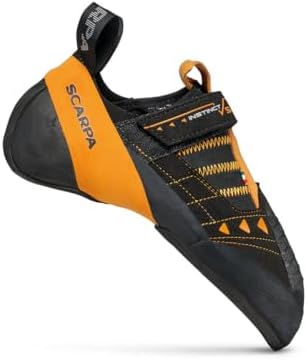
A budget based guide to the best climbing shoes for granite, covering edging stiffness, rubber, and fit for slabs, cracks, and sharp crystal edges.
Granite is honest rock. Its slabs ask for trust in tiny crystal edges, its cracks reward a flat and protected toe, and its rough texture eats soft rubber faster than most stone. Prices for suitable shoes run from around $80 to around $200, so this guide shows what each tier really buys you in the best climbing shoes for granite. Start with the comparison table below, then match the tiers to the terrain you climb most.


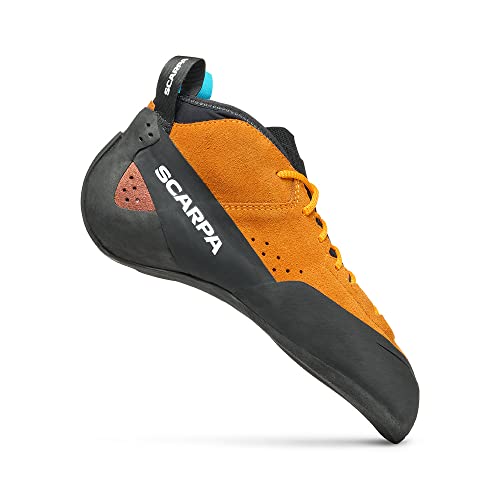


Best Climbing Shoes for Granite by Budget
Use these three profiles to sort the options in the product table above. Each profile describes a type of shoe to look for at that price, not a specific model to hunt down.
Budget Profile
The budget profile, usually around $80 to $110, gives you a stiff and flat shoe with thick rubber. That stiffness is a genuine asset on granite, because it lets you stand on small edges without your foot folding. Expect a simple closure, a durable upper, and modest sensitivity. This profile suits newer climbers and anyone who mostly climbs moderate slabs and cracks. Its limit is feel: you will sense tiny features less clearly, and the fit tends to be less refined around the heel.
Midrange Profile
The midrange profile, usually around $110 to $160, adds better rubber, a cleaner edging platform, and a fit that stays precise after break in. This is the tier most granite climbers should target, since it handles slabs, edges, and cracks in one pair. Readers who also climb steep gym or sport terrain sometimes compare this tier with the best sport climbing shoes, but granite rewards a flatter and stiffer shoe than sport climbing usually does. Value for money peaks here for weekend climbers.
Premium Profile
The premium profile, usually around $160 to $200, refines everything: stickier rubber, a precise toe, quality leather or advanced synthetics, and construction that resoles cleanly. Those gains matter on thin granite slabs where a millimeter of edge contact decides whether a move feels secure. The trade off is faster wear on rough stone and a price that stings when you resole or replace. Buy this tier when your climbing is regular, technical, and mostly on granite rather than occasional and varied.
What Your Money Gets You at Each Price Tier
Budget Tier: What to Expect
Budget granite shoes deliver stiffness and durability first. Soles are commonly around 4 to 5 mm thick, uppers favor toughness over moldability, and shapes stay neutral. On granite that formula works better than it does on steep plastic, because support matters more than sensitivity on edges. What you give up is sticky feel on smooth slabs and a precise heel. For learning footwork on real rock, those are acceptable losses at this price.
Midrange Tier: The Sweet Spot for Most Buyers
Midrange shoes improve the two things granite demands most: edging precision and friction on crystals. Rubber gets stickier, the toe gets cleaner, and the midsole stays supportive without feeling plank like. Most climbers who climb granite twice a month will feel this upgrade immediately on slab moves. This tier also tends to resole well, which stretches its value across seasons. If you buy one pair for granite, buy it here and spend the rest of your budget on time at the crag.
Premium Tier: When Spending More Pays Off
Premium money buys refinement, not a different category of shoe. Expect thinner and stickier rubber around 3.5 to 4.5 mm, tension that keeps the toe precise, and uppers shaped closely to the foot. On hard granite slabs and thin face routes, that precision is real. On moderate terrain it is hard to notice. Premium shoes also wear faster on abrasive granite, so frequent climbers should budget for resoling as part of the purchase, not as a surprise later.
Features Worth Paying For (and Ones to Skip)
Safety and Certifications
Climbing shoes are not rated like helmets or harnesses, so do not expect a safety label to judge them by. Your safety checks are practical instead. Inspect sole bonding, stitch quality, and closure strength before you trust a pair on a long route. A shoe that fits securely and edges predictably is a safety feature in itself on granite, where a slipped foot on a slab can mean a long slide. Buy from makers with clear warranty and repair support.
Features That Matter for Granite
Granite rewards a stiff edging platform, a flat to mildly shaped toe, and rubber that grips tiny crystals. Look for a sole that does not twist easily in your hands, a toe precise enough for thin cracks, and enough rubber coverage to protect the upper. Smearing on granite slabs also asks for a sole that flexes just enough at the ball of the foot. Balance is the goal: stiff at the edge, slightly giving under the midfoot, and never soft like a gym shoe.
Materials and Construction
Leather uppers suit granite well because they resist abrasion and mold to your feet across a season. Lined versions hold their size, while unlined leather stretches about a half size in many cases. Synthetic uppers keep a precise fit and dry quickly after wet approaches. Examine the rand and toe cap, since granite crystals chew exposed material. Clean stitching set back from contact zones and a fully bonded sole edge are the construction marks of a shoe built for rough stone.
Performance Characteristics
Judge granite shoes by edging, smearing, and crack comfort in that order for most climbers. Edging needs stiffness and a precise toe. Smearing needs friction and enough sole contact on low angle slabs. Crack comfort needs a flat toe and padding over the top of the foot. Forgiveness matters too, because granite foot placements are often on features you can barely see. If you are newer and building these skills, the fit advice in guides to the best starter climbing shoes pairs well with the stiffness guidance here.
Skill Level and Intended Use
Beginners on granite should pick stiff and comfortable shoes that support long days of learning on slabs and easy cracks. Intermediate climbers benefit from the midrange balance of edge power and feel. Advanced climbers on thin, hard slabs may add a softer and more precise second pair for hard slabs. Climbers who split time between granite trips and gym training often keep a separate indoor pair, and guides to the best indoor climbing shoes cover that role without wearing out rock rubber on plastic.
Long Term Costs to Factor In
Granite is abrasive, so plan on resoling sooner than gym climbers do. A resole usually costs around $40 to $70 and makes sense when the uppers are still sound and the fit is dialed. Add the cost of a stiff brush for cleaning crystals and grit out of the rubber, which restores friction and slows wear. Leather care is cheap but real, since dried and cracked leather fails early. A midrange pair resoled once often delivers three or more seasons on granite, which beats replacing a budget pair every year.
Frequently Asked Questions
What features matter most in climbing shoes for granite?
Stiff edging support, grippy rubber, and a flat and protected toe matter most. Granite climbing mixes small edges, friction slabs, and cracks, sometimes on a single pitch, so the shoe must do all three well. Check stiffness by pressing the toe edge against a step and standing on it. If your foot folds or rolls, the shoe is too soft for granite edges, whatever its rubber claims suggest.
What size should I get for granite climbing shoes?
Size for flat toes and all day comfort rather than maximum tightness. Granite routes are often long, and feet swell over multi pitch days. Your toes should touch the front without a hard curl, and the heel should stay put when you edge. Many climbers wear street size in stiff granite models. Climbers sizing up from gym shoes are often surprised how much better long granite days feel, a point also covered in guides to the best intermediate climbing shoes.
Does indoor or outdoor use matter for granite shoes?
Yes, because gym use wears granite rubber quickly and softens the precise edge you paid for. Plastic holds and wall texture round off an edging sole faster than most climbers expect. Keep granite shoes for rock and train in a cheaper or older pair indoors when you can. If one pair must do both, choose a midrange model and accept a shorter life and more frequent resoling as the cost of that convenience.
Is it worth buying premium climbing shoes as a beginner on granite?
Generally no. Beginners gain more from a stiff and affordable shoe plus more days on rock than from premium rubber they will wear through while learning footwork. Granite punishes dragged toes, and learning climbers drag toes often. Start in the budget or midrange tier, learn quiet and precise placements, and upgrade once your technique stops consuming soles. Your second pair is where premium precision starts paying for itself.
How long do climbing shoes last on granite?
With regular weekend use, expect roughly a season before the toe edge rounds and friction drops, though exact life depends on how much you climb and how clean your footwork is. Smoother slabs wear rubber slowly, while sharp and gritty stone wears it fast. Inspect the edge profile monthly. Resole while some rubber still covers the rand, because waiting until the rand itself wears through often ends the life of the shoe.
Our Verdict
For granite, stiffness, edging precision, and a flat toe come before softness or fashion. Most climbers should shop the midrange tier and resole once. Compare the best climbing shoes for granite in the product table above against those checks, and choose the pair you can stand in comfortably on a small edge for a full minute in the shop.


