
Best Climbing Shoes for Crack Climbing: The Buyer Checklist We Use for 2026
Disclosure: We may earn a commission when you buy through links on this page, at no extra cost to you. As an Amazon Associate I earn from qualifying purchases. Learn more

A checklist based guide to the best climbing shoes for crack climbing, covering toe shape, stiffness, padding, and fit so you can choose with confidence.
Crack climbing punishes the wrong shoe quickly. Your feet twist and jam into narrow splits in the rock, so a soft and pointy sport shoe can hurt and wear out fast. This checklist helps you judge the best climbing shoes for crack climbing by toe shape, stiffness, and protection before you spend anything. Start with the comparison table below, then score each option against the criteria that follow.
Keep one rule in mind as you read. A crack shoe should feel boring in the shop and dependable on the rock, with no sharp pressure on top of your toes.


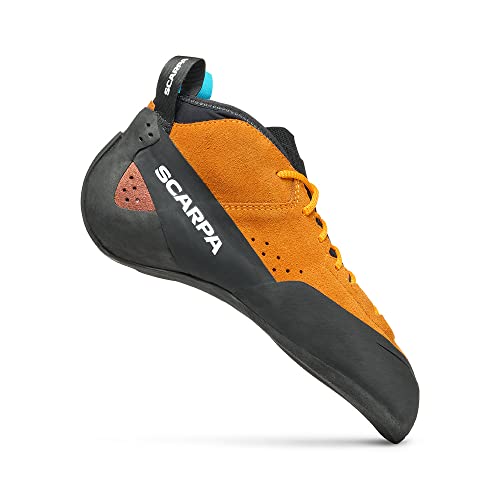


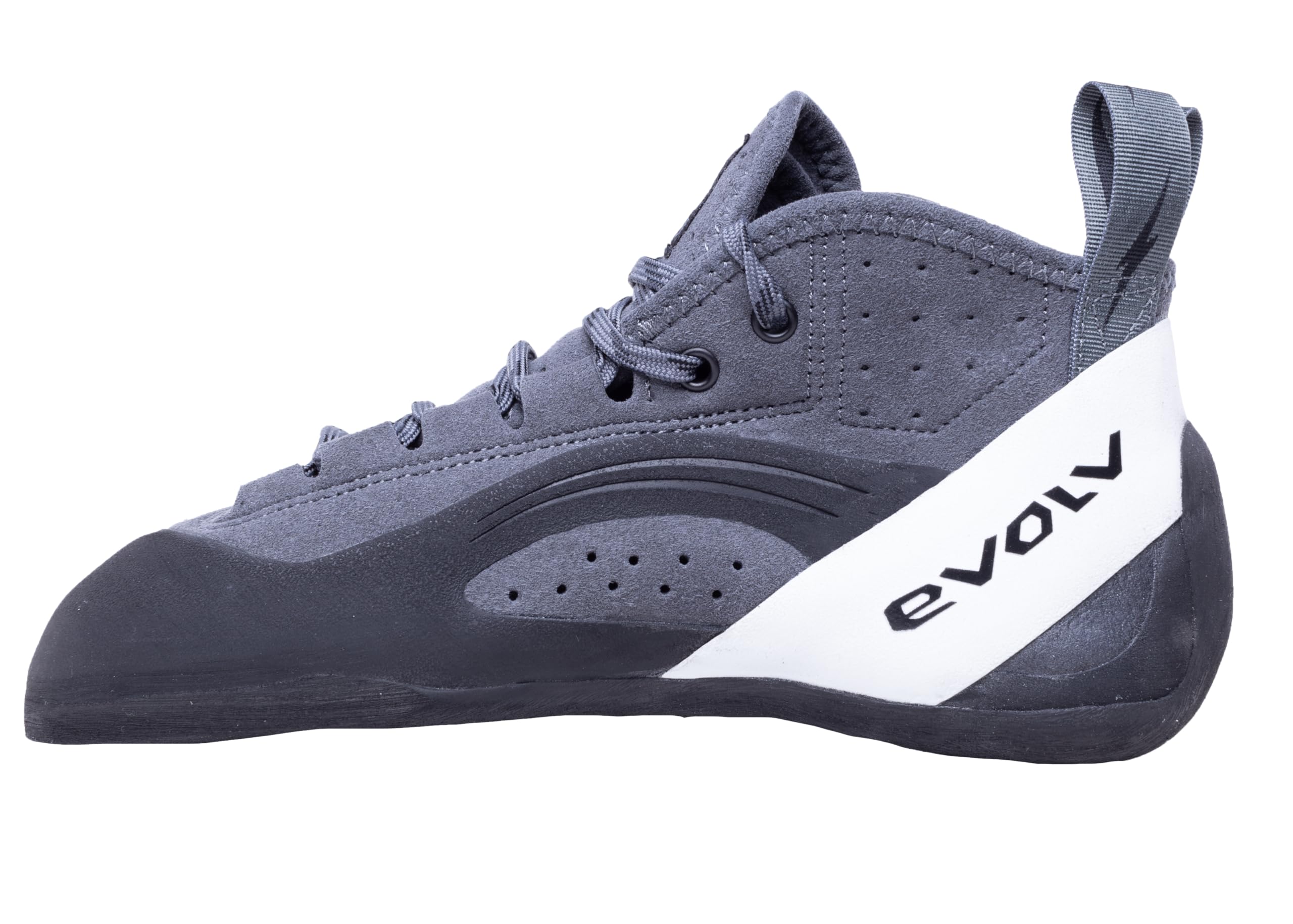

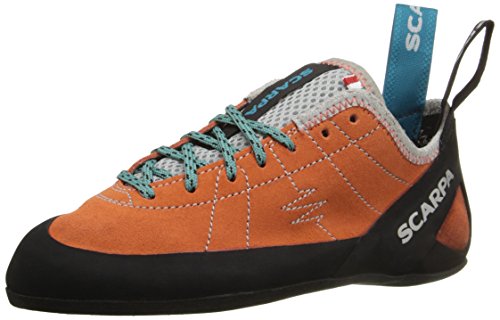
How We Evaluate the Best Climbing Shoes for Crack Climbing
Features That Matter for Crack Climbing
Cracks demand a low profile toe that slides into thin openings without forcing the leather apart. Look for a flat shape, a padded upper over the toes, and rubber that wraps slightly over the toe box for protection during foot jams. A shoe that is too downturned will fight every jam and tire your calves. Aim for a toe thin enough for finger cracks yet padded enough that repeated jams do not bruise the top of your foot.
Skill Level and Intended Use
Beginners need a stiffer and more forgiving shoe that supports the foot during long learning sessions on hand cracks. Intermediate climbers often prefer a balance of stiffness and feel for varied crack sizes. Advanced climbers working thin cracks may choose a softer and lower profile model for delicate placements. If you are still learning to jam, borrow the sizing mindset from guides to the best starter climbing shoes and favor comfort over maximum tightness.
Value and Included Accessories
Value here is about durability per dollar, not extras in the box. A crack shoe with a tough upper and a resole friendly construction will outlast a cheaper shoe that splits at the toe. Some makers include care guidance for leather uppers, which helps you keep the fit stable. Ignore bundle deals built around chalk bags or brushes. Judge the shoe by its toe construction, rand thickness, and how cleanly the sole is bonded.
Indoor vs Outdoor Use
Crack climbing is almost entirely an outdoor pursuit, since few gyms build true crack features. Outdoor use means abrasive stone, dust, and temperature swings, so uppers must resist scraping and soles must hold grip on real rock. If you train indoors between trips, a separate pair covered in guides to the best indoor climbing shoes will save your crack shoes from fast gym wear. Keep the crack pair for rock days and its life stretches noticeably.
Materials and Construction
Leather uppers are common in crack shoes because leather molds to your foot and resists tearing when jammed against rough stone. Lined leather stretches less, which keeps sizing predictable. Synthetic uppers stretch very little and dry faster after wet approaches. Look at the rand, the rubber band around the toe. A thicker and higher rand protects the upper during jams. Stitching should sit away from the main contact zones so seams do not grind inside the crack.
Size, Weight, and Fit
Fit your crack shoes flatter and a touch roomier than sport shoes. Your toes should lie mostly flat, because curled toes make jamming painful and reduce contact inside the crack. Many climbers wear street size or even a half size up in stiff crack models. Use the maker size chart, measure both feet, and try shoes late in the day. Walk and then simulate a jam against a step edge if the shop allows it, watching for pressure on top of the toes.
Portability and Storage
Crack shoes travel to crags in packs, so a pair that clips together with a simple carabiner through the heel loops saves space and keeps dirty rubber off your gear. Weight matters on long approaches, yet crack shoes are rarely the heaviest item you carry. Store them stuffed lightly or with shoe trees only if the maker suggests it, and keep them out of a hot car trunk, where heat softens glue and can warp the shape you worked to break in.
Three Profiles That Pass Our Checklist
Instead of naming specific models, use these three profiles to sort the options in the product table above. Each profile passes the checklist for a different kind of climber and a different budget.
Best Overall
The overall profile, usually around $140 to $180, combines a flat and low profile toe, a supportive midsole, and a durable leather upper. It handles hand cracks and finger cracks in the same day and resoles well. This is the profile to choose if you will climb cracks most weekends. Its limitation is price, and its stiffness can feel clumsy on steep sport routes, but for dedicated crack days it is the most dependable pattern to shop for.
Best Value
The value profile, usually around $90 to $130, keeps the flat toe and protective rand but uses simpler materials and a less refined fit. It suits newer crack climbers and anyone building skills on wider hand cracks. You give up some thin crack precision and some long day comfort. Readers who split time between cracks and face climbing often cross check this tier against the best sport climbing shoes to see which style matches their main goal.
Best for Heavy Use
The heavy use profile favors thick rubber, a high rand, and a robust upper built for guides, instructors, and climbers who jam several days a week. Expect a price around $150 to $190 and a stiffer feel that protects feet through long sessions. The trade off is sensitivity. You will feel small face holds less clearly, but inside a crack that protection is the point. If your local stone is especially rough, this profile often gives the lowest cost per season.
Quick Buyer Checklist
- Does the toe sit flat and slide into a narrow space without forcing?
- Is there padding or a strong rand over the top of the toes?
- Can you wear the shoe for fifteen minutes without sharp pain?
- Is the midsole stiff enough to support your foot on long pitches?
- Does the upper material suit your climate and stretch expectations?
- Is the shoe resole friendly, with a sole construction a cobbler can replace?
- Does the price, usually around $90 to $190, fit your climbing frequency?
Red Flags to Watch For
Walk away from listings with vague sizing guidance and no clear size chart, because crack fit is too specific to guess. Be cautious with very soft and downturned shoes marketed for cracks, since that shape fights foot jams. Short or unclear warranty terms are another warning sign on a shoe built for abrasive use. Watch for soles with visible gaps at the toe and uppers with stitching right across the jam zone. Finally, treat sudden floods of glowing praise with no detail about crack sizes climbed as a reason to slow down and verify.
Setup and Care Tips
Break new crack shoes in on short and easy pitches before a big day, so leather shapes to your feet gradually. Store them out of direct sun and extreme heat, and check wear before each use, especially at the toe rand. Clean and dry them after outdoor use by brushing off dust and airing them in shade. Never leave them sealed in a damp pack, because trapped moisture degrades leather and invites odor that is hard to remove later.
Climbing Shoes: Your Questions Answered
What features matter most in climbing shoes for crack climbing?
A flat and low profile toe, toe top protection, and a supportive midsole matter most. Together they let your foot slide into the crack, survive repeated jams, and stay comfortable on long pitches. Rubber grip matters too, but less than shape here. A sticky yet downturned shoe still fails in cracks if the toe cannot enter the opening. Start with shape and protection, then compare rubber and price among shoes that pass.
Is it worth buying premium climbing shoes as a beginner at crack climbing?
Only if you know you will climb cracks often. Premium crack shoes add durability and refined fit, which help frequent climbers. A beginner who climbs cracks a few times a year gets more value from a midrange pair and money saved for instruction or a guided day. One practical check is your calendar. If crack trips are already booked across the season, premium durability pays. If not, start in the middle tier.
How long do crack climbing shoes last?
A well used pair often lasts one to two full seasons before the toe needs a resole. Rough granite and frequent jamming shorten that span, while smoother stone is kinder. Watch the rand above the big toe, since that area usually fails first in cracks. Resoling before the rubber wears through to the rand protects the upper and keeps the total cost down. Air drying after every trip also slows leather breakdown.
Does indoor or outdoor use matter for crack climbing shoes?
Yes, because gym walls rarely offer real cracks and gym rubber wear is fast. Using your crack shoes for daily gym sessions consumes the toe rubber you need on rock. Climbers who train a lot indoors often keep a separate gym pair, and those comparing options for that role may look at the best intermediate climbing shoes once their crack technique is set. Save the crack pair for stone and it will hold its precise toe shape longer.
What size should I get in crack climbing shoes?
Choose a size where your toes lie nearly flat and lightly touch the front. Crack shoes should feel snug without the knuckle bending pressure of a sport fit. Most climbers start at street size and adjust by brand, since sizing varies a lot between makers. If you plan long multi pitch days, a touch more room prevents swelling pain by the last pitch. When between sizes, pick the one you can wear for a full shop visit without limping.
The Bottom Line
Judge crack shoes by toe shape, protection, and support before anything else, then confirm the fit with flat toes and no sharp pressure. Use the checklist on the best climbing shoes for crack climbing in the product table above, and you will end up with a pair that makes jams feel secure instead of punishing.


