
Best Climbing Shoes All Around: Budget, Midrange, and Premium Picks for 2026
Disclosure: We may earn a commission when you buy through links on this page, at no extra cost to you. As an Amazon Associate I earn from qualifying purchases. Learn more

Learn how to choose the best climbing shoes all around by budget, with plain guidance on fit, rubber, closure, and what each price tier really delivers.
Climbing shoes range from under $60 to well over $200, and the price gap alone tells you almost nothing about which pair belongs on your feet. This guide explains what each tier actually buys, so you can find the best climbing shoes all around value for your climbing style instead of paying for performance features you will never feel. An all around shoe is the versatile middle of the market: comfortable enough for long sessions, precise enough for harder routes.
The smart way to shop is to set your tier first, then fit several pairs within it. Use the comparison table below to see how the tiers differ at a glance, and read on for the details that decide comfort, grip, and how long a pair will serve you.

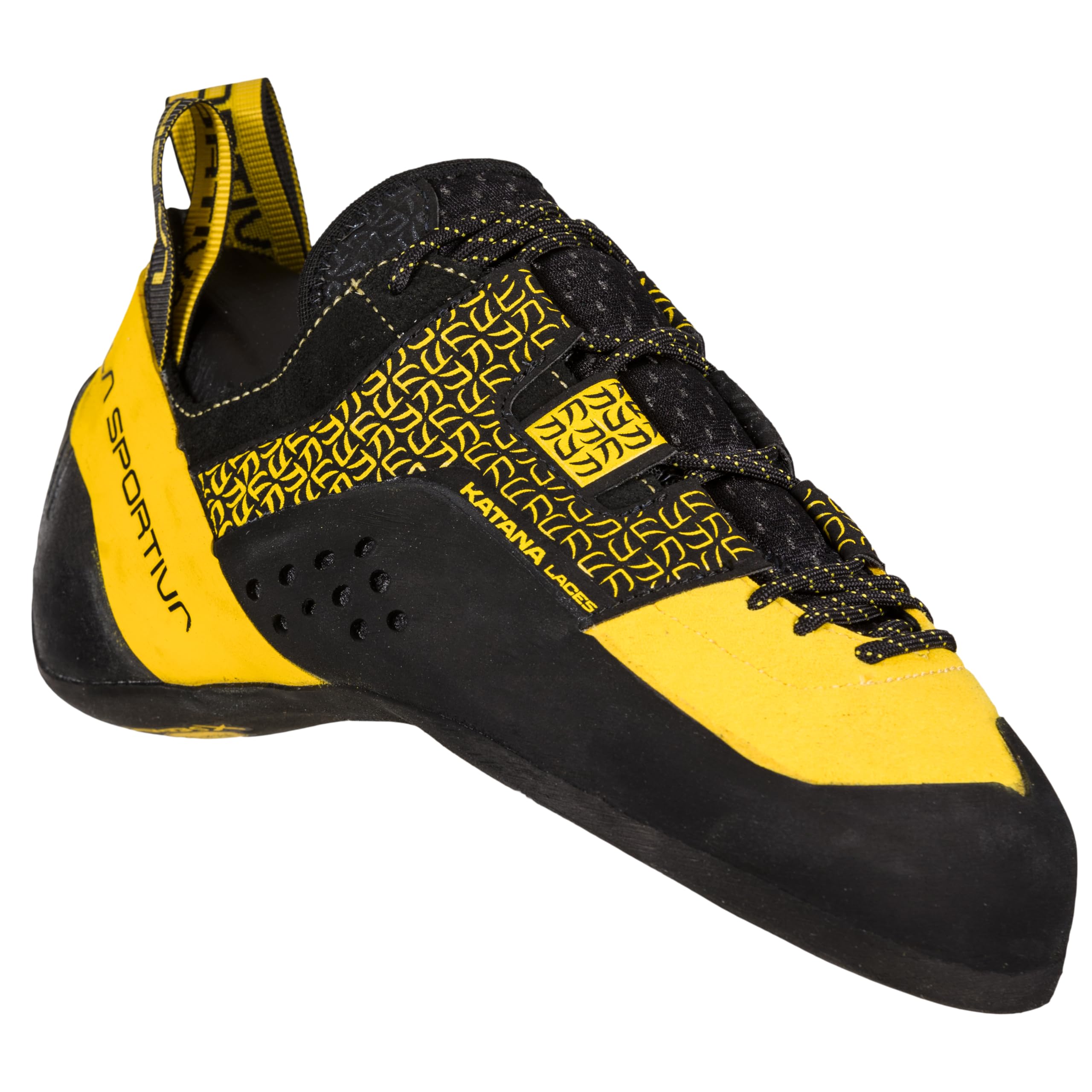

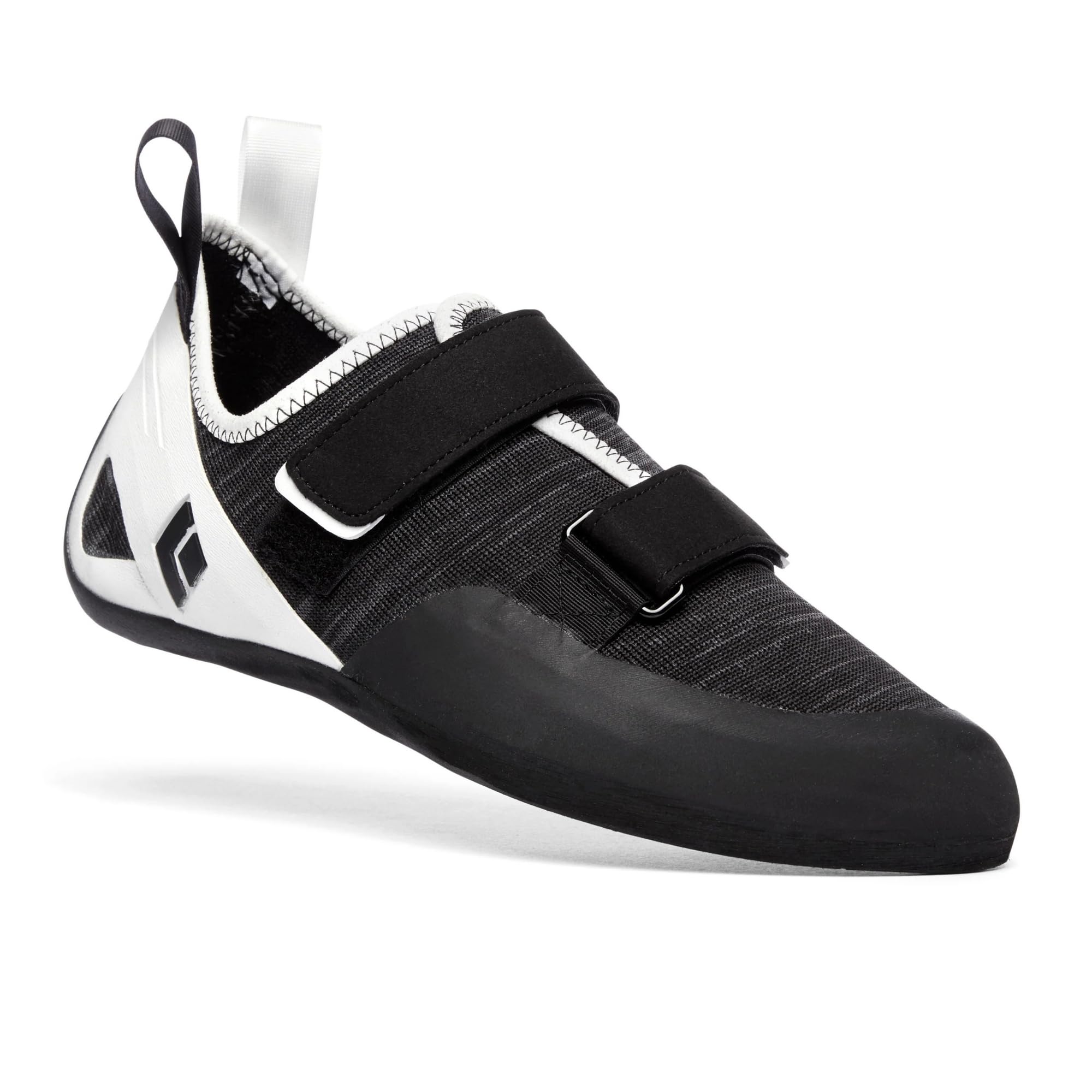


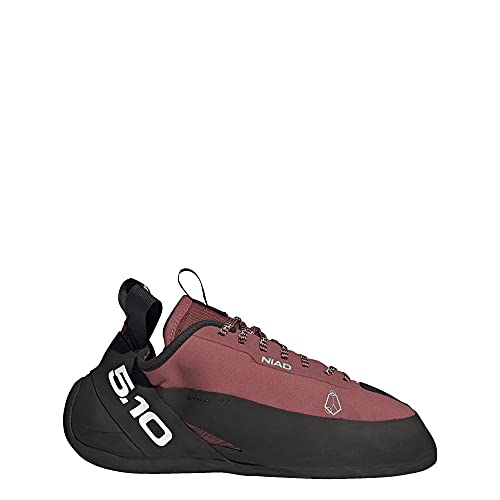


Best Climbing Shoes All Around: Budget Tiers at a Glance
Instead of chasing a single winning model, think in tiers. Each tier below describes the kind of shoe your money typically buys, who it suits, and the compromise you accept in exchange for the price.
The Budget Tier: Who It Suits
Budget shoes, usually around $60 to $90, suit new climbers and anyone climbing a few times a month at the gym. You typically get a flat and comfortable shape, a durable thicker rubber sole, and simple closures that are easy to use. The strengths are price and durability, and the forgiving fit means your feet survive long beginner sessions. The limitation is precision: thick rubber dulls your feel for small footholds, and the flat shape gives less power on steep walls. For a first pair that you will wear hard while learning footwork, that trade is usually a good one.
The Midrange Tier: Who It Suits
Midrange shoes, usually around $100 to $140, suit regular climbers who split time between the gym and outdoor crags. You typically get stickier rubber, a slight downturn for steeper ground, and better shaped heels that stay put during heel hooks. The strengths are balance and versatility, since one pair can handle slabs, vertical routes, and moderate overhangs. The limitation is that you still give up a little at both extremes: not quite as comfortable as a flat beginner shoe, and not quite as powerful as a dedicated steep terrain shoe. For most climbers, this is the tier that earns its cost.
The Premium Tier: Who It Suits
Premium shoes, usually around $160 to $220, suit experienced climbers who climb several times a week and work on hard routes. You typically get the stickiest rubber compounds, carefully tensioned heels, and shaped toes that drive power onto tiny edges. The strengths are sensitivity and precision, which matter when footholds shrink to almost nothing. The limitation is real: soft sticky rubber wears faster, aggressive shapes tire your feet, and the price stings when gym sessions wear through the toes. Buy this tier for a purpose, not as a default, and it will reward you.
What Your Money Gets You at Each Price Tier
Knowing the tiers by name is only half the job. This section spells out what changes in rubber, construction, and fit as you move up, so you can judge whether a higher price solves a problem you actually have.
Budget Tier: What to Expect
At the budget level, expect thicker rubber of about 4 to 5 mm that favors durability over sensitivity, unlined or lightly lined uppers that stretch noticeably, and flat lasts that keep your toes relaxed. Closures are usually simple straps or laces with basic hardware. These shoes forgive sloppy footwork while you learn, and they double well as warm up or mileage shoes later. What you should not expect is strong performance on steep walls or tiny edges. If your climbing is mostly vertical gym routes and easy outdoor grades, a budget pair can serve you well for a year or more.
Midrange Tier: The Sweet Spot for Most Buyers
Midrange shoes add stickier rubber, a moderate downturn, and uppers that hold their shape longer, often mixing leather with synthetic panels to control stretch. Heel cups become more sculpted, midsoles gain a bit of support without going stiff, and closures feel more secure during hard pulls. This is the tier where one pair honestly covers most climbing: gym sessions, sport routes, and easier multi pitch days. Climbers who want a shoe shaped for outdoor routes can compare our guide to the best all around rock climbing shoes, which looks at versatility from the crag side rather than the price side.
Premium Tier: When Spending More Pays Off
Spending more pays off when your climbing exposes the limits of cheaper shoes. If you slip off small edges, cannot trust heel hooks, or climb steep sport routes where toe power decides success, premium rubber and tensioned construction make a genuine difference. Premium shoes also reward precise sizing, because their performance fit leaves no room for a sloppy choice. If you mostly climb moderate routes, the same money buys more progress when spent on a second budget pair and more days at the crag. Match the tier to your hardest regular climbing, not your best day ever.
Features Worth Paying For (and Ones to Skip)
Some features earn their cost at every tier, while others only matter for specific climbing. Judge each feature below against your own sessions before you let it move you up a tier.
Size, Weight, and Fit
Fit is the feature that decides everything else, and it costs nothing but patience. An all around shoe should hold your heel firmly, press your toes gently without sharp pain, and leave no dead space around the midfoot. Sizes vary widely between brands, so ignore the number and judge by feel, ideally trying shoes late in the day when feet are slightly swollen. Weight differences between models are small and rarely worth paying for. If sharp pain, numbness, or hot spots persist after several short sessions, stop and refit, because climbing through real foot pain can injure tendons and joints.
Indoor vs Outdoor Use
Gym and outdoor climbing wear shoes differently. Gym walls use textured plastic holds that chew rubber steadily, and long sessions favor comfort, easy closures, and breathable uppers. Outdoor rock rewards sensitivity on small natural edges and enough support for cracks and longer routes. A midrange all around shoe handles both settings well, which is exactly why the category exists. If you climb outdoors on steep sport routes most weekends, our guide to the best sport climbing shoes explains the more specialized shapes built for that job.
Skill Level and Intended Use
Your skill level should steer your shape choice more than your ambition does. Beginners climb better in flat, forgiving shoes because good footwork starts with trusting your feet, and pain teaches avoidance instead. Intermediate climbers gain from a mild downturn and stickier rubber as routes steepen. Advanced climbers may keep two pairs: a comfortable all around pair for volume days and an aggressive pair for projects. Buying above your level rarely speeds progress, because a painful shoe shortens sessions, and shorter sessions slow learning more than gear ever speeds it.
Materials and Construction
Uppers are usually leather or synthetic, and the difference is stretch. Leather molds to your foot and can stretch up to a full size, which feels wonderful once settled but makes early sizing tricky. Synthetic uppers stretch little, breathe well, and hold their shape, so the fit you try is the fit you keep. Rubber compounds trade grip against durability, with softer compounds gripping better and wearing sooner. Construction details worth paying for include a well shaped heel cup and a closure system that stays tight, while decorative extras and bold colors add cost without adding grip.
Long Term Costs to Factor In
The purchase price is only part of what a pair costs you. Resoling, where a cobbler replaces the worn rubber, typically costs around $40 to $60 and can double the useful life of a shoe you already love, so factor it in before replacing a premium pair. Rubber wears fastest at the toes, and catching thin spots early keeps a resole possible. Add the cost of a brush for cleaning rubber, a loose chalk habit that keeps soles grippy, and eventual replacement straps or laces. Climbers just starting out can stretch a budget further by reading our guide to the best starter climbing shoes before spending on a second pair.
Climbing Shoes: Your Questions Answered
Indoor vs outdoor: does it matter?
It matters mainly for rubber wear and comfort, not for permission to climb. One all around pair works in both settings, but gym climbing wears rubber faster because textured holds act like sandpaper. A practical trick is to retire your older pair to gym duty and keep the newer pair for rock, which stretches your budget. Also note that outdoor climbing adds approach walks, so a shoe that is agony to stand in will punish you before you even reach the route.
Is it worth buying premium as a beginner?
For most beginners, no. Premium shoes assume precise footwork that takes months to build, and their tight performance fit often hurts new feet enough to shorten sessions. A budget or midrange pair teaches the same fundamentals while lasting longer under imprecise foot placement. The one exception is a beginner who climbs steep boulder problems several times a week and already feels a flat shoe holding them back. Even then, try the premium fit in person, because discomfort is the fastest way to waste the upgrade.
What size should I get?
Get the size where your toes touch the end and curl very slightly, with no sharp pain and no empty heel space. Street shoe size is only a starting guess, since brands differ and leather models stretch more than synthetic ones. Try both feet, because most people have one foot slightly larger, and size for the larger one. A useful in store check is standing on a small edge: your heel should stay seated and your toes should feel supported rather than crushed.
How long does it last?
A pair typically lasts about six months to a year of regular climbing before the toe rubber thins through, though hard gym use can shorten that to a few months. Dragging your toes on the wall while learning is the main cause of early wear, so quiet and precise foot placements extend shoe life noticeably. Resoling at the first sign of thin rubber, before the underlying material shows, usually restores most of the original feel and saves the cost of a new pair.
Wrapping Up
Choose your tier by how hard and how often you climb, then let fit make the final call inside that tier. Budget shoes teach fundamentals, midrange shoes cover the widest ground, and premium shoes pay off only when your routes demand them. Compare your shortlist with the product table above, try sizes in person when you can, and pick the best climbing shoes all around option that you will happily wear for full sessions, week after week.


