
Best All Around Rock Climbing Shoes: The Buyer Checklist for 2026
Disclosure: We may earn a commission when you buy through links on this page, at no extra cost to you. As an Amazon Associate I earn from qualifying purchases. Learn more

Use this buyer checklist for the best all around rock climbing shoes, covering fit, rubber, shape, closure, comfort, and value for varied terrain.
One pair of shoes has to edge on small holds, smear on slabs, and stay tolerable on a long gym session or a moderate outdoor route. This checklist for best all around rock climbing shoes helps you judge fit, shape, and rubber before you pay. Work through it with the comparison table below and your current climbing level in mind.
Comfort is not the enemy of performance here. A shoe you can wear for a full session teaches better footwork than a painful aggressive shoe you remove after every single attempt.
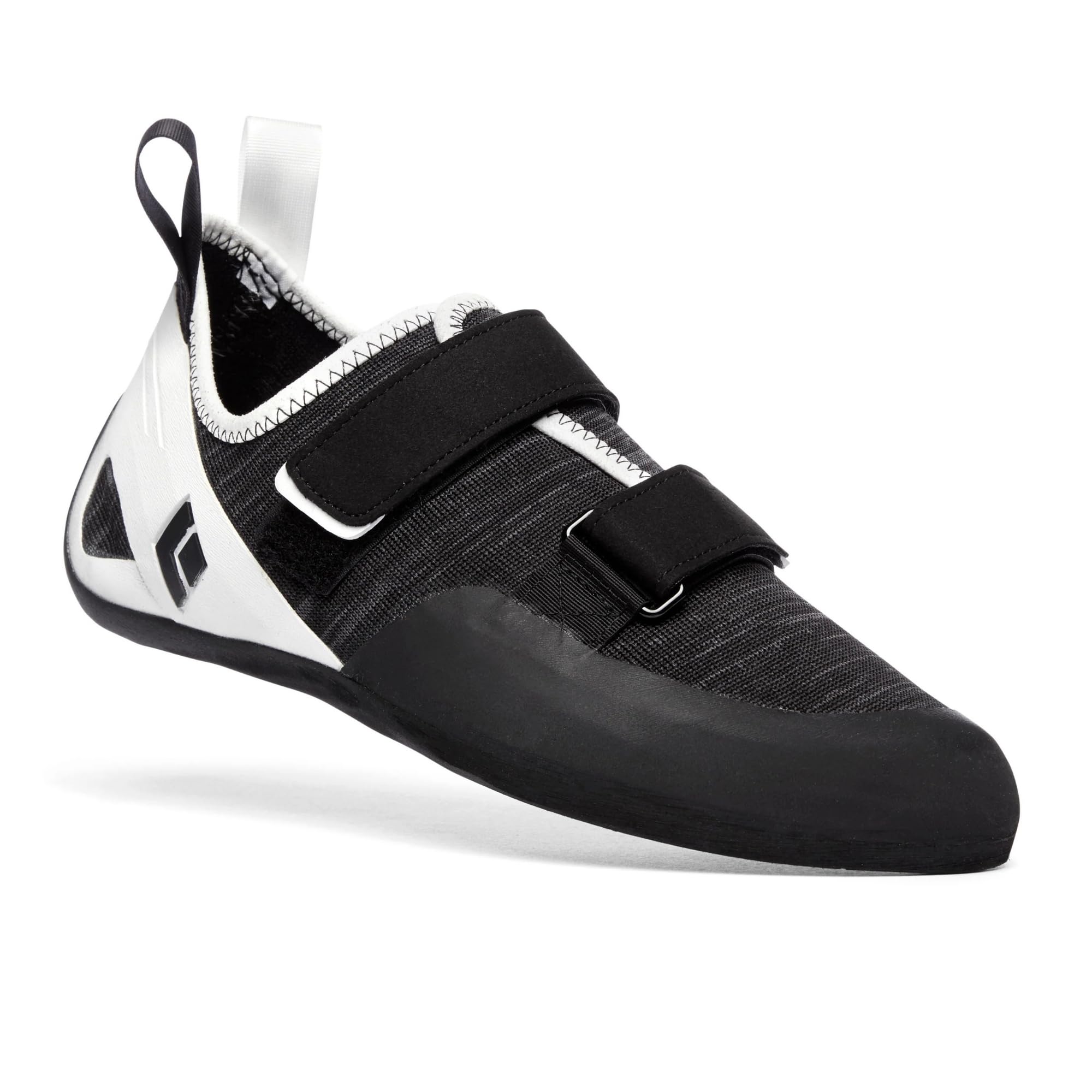


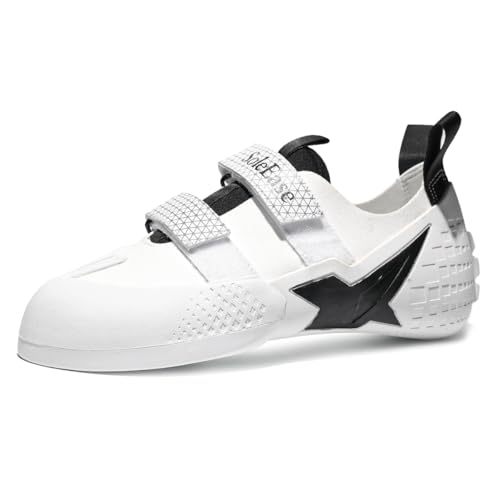
How to Evaluate All Around Rock Climbing Shoes
Evaluate in this order: fit, shape, rubber, closure, then price. A shoe that fails on fit will fail at everything else, no matter how advanced its design sounds.
Skill Level and Intended Use
New climbers need a forgiving shoe that supports learning foot placement without punishing every mistake. Intermediate climbers benefit from a moderate shape that edges better as grades rise. Advanced climbers who mostly climb steep sport routes may prefer a second, more aggressive pair and keep an all around pair for volume days. Be honest about where you climb most, indoors, outdoors, or both, because that answer shapes stiffness and durability needs.
Performance Characteristics
Good all around performance means secure edging, dependable grip on smeary holds, and enough sensitivity to feel the rock or plastic under your toes. Stiffer shoes support your foot on long routes and small edges but feel less sensitive. Softer shoes grip and conform better on volumes and slabs but can tire your feet on vertical terrain. Forgiveness matters too: a slightly rounded toe and moderate tension forgive sloppy placements while you learn.
If your focus shifts fully indoors, see our guide to the best indoor rock climbing shoes for gym specific traits like soft rubber and easy on and off closures.
Safety and Certifications
Shoes themselves carry no fall protection rating, and no shoe makes climbing safe on its own. Your safety comes from proper belaying, checked knots, sound anchors, and instruction from qualified guides or gym staff when you are learning. Stop and seek help if you notice warning signs like a torn upper, peeling sole, or a closure that no longer holds, because a shoe that slips off a heel hook or pops on a slab can cause a fall. Beginners should take an introductory course before climbing outdoors.
Materials and Construction
Leather uppers stretch and mold to your foot over time, often up to a full size in unlined designs, while synthetic uppers stretch far less and hold their fit. Lined shoes limit stretch and odor but can feel warmer. Rubber thickness near 4 to 5 mm lasts longer for learners who drag their toes, while thinner performance rubber feels stickier and wears faster. Stitching, rand coverage, and a solid heel cup all signal careful construction.
Size, Weight, and Fit
Fit is personal, so use size charts only as a starting point and try shoes late in the day when feet are slightly swollen. Your toes should be curled lightly or lying nearly flat for all around use, not crushed. There should be no painful hot spots and no dead space in the heel. Weight differences between models are small, so never trade a secure heel and comfortable toe box for a few grams.
Practical know how: climb a few easy routes or traverse for ten minutes in the shop if allowed. Standing on the ground hides pressure points that appear the moment you weight a small edge.
Indoor vs Outdoor Use
Indoor climbing rewards softer, grippier rubber and closures you can open between attempts during long sessions. Outdoor use adds rough rock, dirt, and weather, so durable rubber, a protective rand, and an upper that cleans easily earn their keep. If you split time evenly, choose the middle path: moderate stiffness, mid thickness rubber, and a fit you can wear for a full pitch without numbness. For a direct comparison of naming and fit notes, see our guide to the best climbing shoes all around.
Portability and Storage
All around shoes travel easily in a gym bag or pack, but how you store them affects their life. Keep them clipped outside the bag or in a breathable spot so they dry and air out after sessions. Avoid leaving them in a hot car trunk, since heat can weaken adhesives and warp the shape. A simple brush to clean grit off the rubber before climbing also protects grip and the holds.
Three Shoe Profiles That Pass the Checklist
Use these three tier profiles against the product table above instead of chasing named models that rotate with stock. Each profile states who it fits and where it gives ground.
Balanced Profile
The balanced profile pairs a flat to moderately downturned shape, mid thickness sticky rubber, and a lace or strap closure that fine tunes fit, usually around $90 to $160. It fits gym regulars and outdoor climbers on moderate grades. Strengths are versatility and comfort over long sessions. The limit is steep, high grade terrain, where a more aggressive second pair will feel more secure.
Value Profile
The value profile, often about $70 to $100, keeps a flat shape, thicker durable rubber, and a simple closure. It serves new climbers and anyone who climbs a few times a month. You gain durability and a friendly price while giving up some sensitivity and edging precision. For starter specific advice, read our guide to the best shoes for rock climbing beginners before you size down aggressively.
Low-Volume Profile
Here compact means a lower volume, lighter slipper leaning design that packs small and suits narrow feet and gym sessions. It goes on and off quickly and feels sensitive on volumes. The trade off is less support on long outdoor routes and a fit that may not suit wide feet. Climbers shopping by fit can also compare notes in our guide to the best rock climbing shoes for men.
Quick Buyer Checklist
- Do your toes sit snug without sharp pain or numbness after ten minutes?
- Does the heel stay locked when you pull a firm heel hook motion?
- Can you edge on a small hold without the shoe rolling off?
- Is the shape moderate enough to wear for a full session or pitch?
- Does the closure let you adjust fit as the shoe breaks in?
- Is the rubber thick enough for your current footwork level?
- Does the size account for whether the upper is leather or synthetic?
Red Flags to Watch For
Be wary of extreme sizing advice that promises performance through pain, since numb feet climb worse and risk injury. Avoid listings with vague rubber descriptions, no stated thickness, and no clear return policy for a fit critical product. Shoes with peeling rands in photos, very short seller warranties, or sudden clusters of identical praise deserve skepticism. Finally, never buy a first pair so aggressive that you dread putting them on.
All Around Rock Climbing Shoes for Specific Needs
Most buyers need the balanced profile above. One group benefits from a slightly different emphasis, and it is the group most likely to size wrong.
All Around Rock Climbing Shoes for Beginners
For the best all around rock climbing shoes, beginners should prioritize a flat shape, thicker rubber, and a fit that is snug but painless. Those three traits support learning precise footwork and survive toe dragging that wears thin rubber fast. Choose laces or straps you can loosen between climbs, and skip aggressive downturns until your technique, not your shoes, becomes the limiting factor.
Care and Maintenance Tips
- Store shoes out of direct sun and extreme heat, and let them air dry after every session.
- Check rubber wear, rand condition, and closure strength before each use, especially before outdoor trips.
- Clean soles with a brush and a damp cloth after outdoor use, and wash uppers gently only as the maker directs.
- Consider resoling early, before you wear through the rand, to extend the life of a shoe that fits well.
Practical know how: rotate rest days for your shoes on multi day trips if you can. A dry shoe grips better and smells far less by the final day.
Frequently Asked Questions
How long do climbing shoes last?
A pair lasts about six to twelve months for climbers who climb two or three times weekly, depending on footwork and rubber thickness. Dragging toes on the wall shortens life dramatically. Watch for a thinning edge and a shiny, worn patch under the big toe, since those signal resoling time before the rand is damaged.
Is it worth buying premium shoes as a beginner?
Premium shoes are rarely worth it as a first pair, because beginners wear rubber quickly and cannot yet use aggressive shapes well. A durable midrange pair teaches better habits for less money. Upgrade once your footwork is clean and you know which terrain you love, then the premium traits will actually help instead of hurting your feet.
Indoor vs outdoor: does it matter?
Yes, it matters for rubber wear and comfort, though one all around pair can serve both well. Gym holds and volumes favor softer, grippier rubber, while rough outdoor rock rewards durability and support on long routes. If you climb outdoors often, expect faster edge wear indoors to feel wasteful, and brush dirt off soles before every session.
What size should I get?
Get the size that leaves toes snug and lightly curled with no sharp pain, no numbness, and no heel lift. Leather models may stretch noticeably, while synthetic models stay close to their first fit. Never copy a friend size or a street shoe size blindly. If you feel persistent pain, tingling, or swelling, stop, refit, and talk with experienced staff or a clinician about foot concerns.
Our Verdict
Fit, moderate shape, and durable rubber decide whether a pair serves you across gym and rock. Match the tier to your level, check the fit under load, and use the product table above to compare finalists. Chosen this way, best all around rock climbing shoes become a tool you forget about on the wall, which is exactly the point. If you have ongoing foot pain or a medical condition, talk with your clinician about personal needs before choosing a tight fitting shoe.


