
Best Climbing Mountain Bike 2026: Complete Buying Guide
Disclosure: We may earn a commission when you buy through links on this page, at no extra cost to you. As an Amazon Associate I earn from qualifying purchases. Learn more

Choose a mountain bike for climbing, covering gearing, geometry, suspension, weight, wheel size, and trail fitness in clear, practical terms.
Finding the best climbing mountain bike means looking for a bike that turns effort into forward motion on steep trails. Climbing rewards low gears, a stable pedaling position, good traction, and a weight you can manage on long ascents. A bike that descends brilliantly but bobs and wanders uphill will frustrate you on every climb.
This guide explains gearing, geometry, suspension, and fit for climbing in plain language. The comparison table below gives a quick overview, and the sections that follow help you choose a bike that climbs with you, not against you.
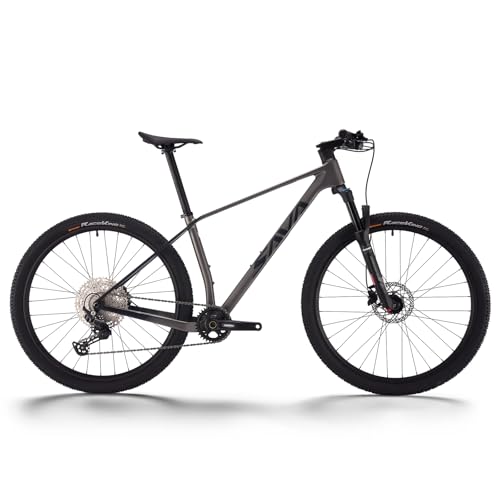
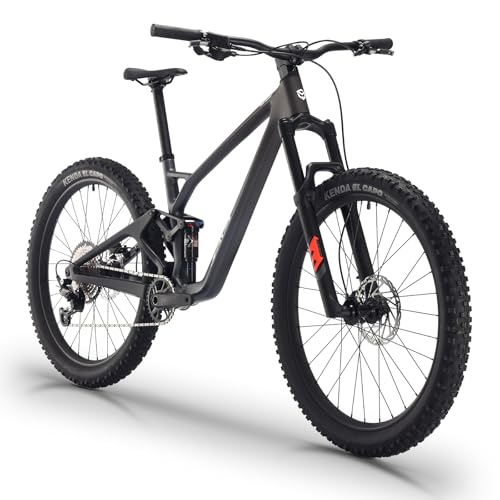

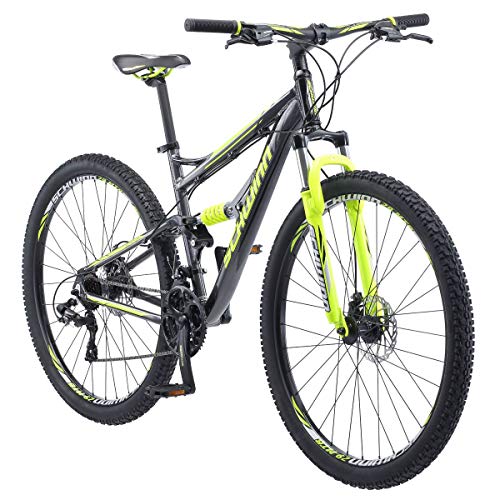
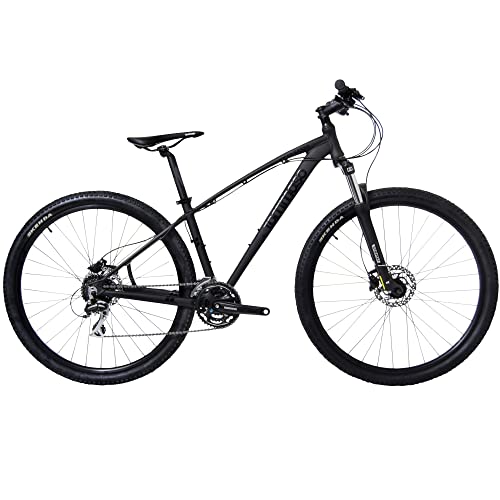

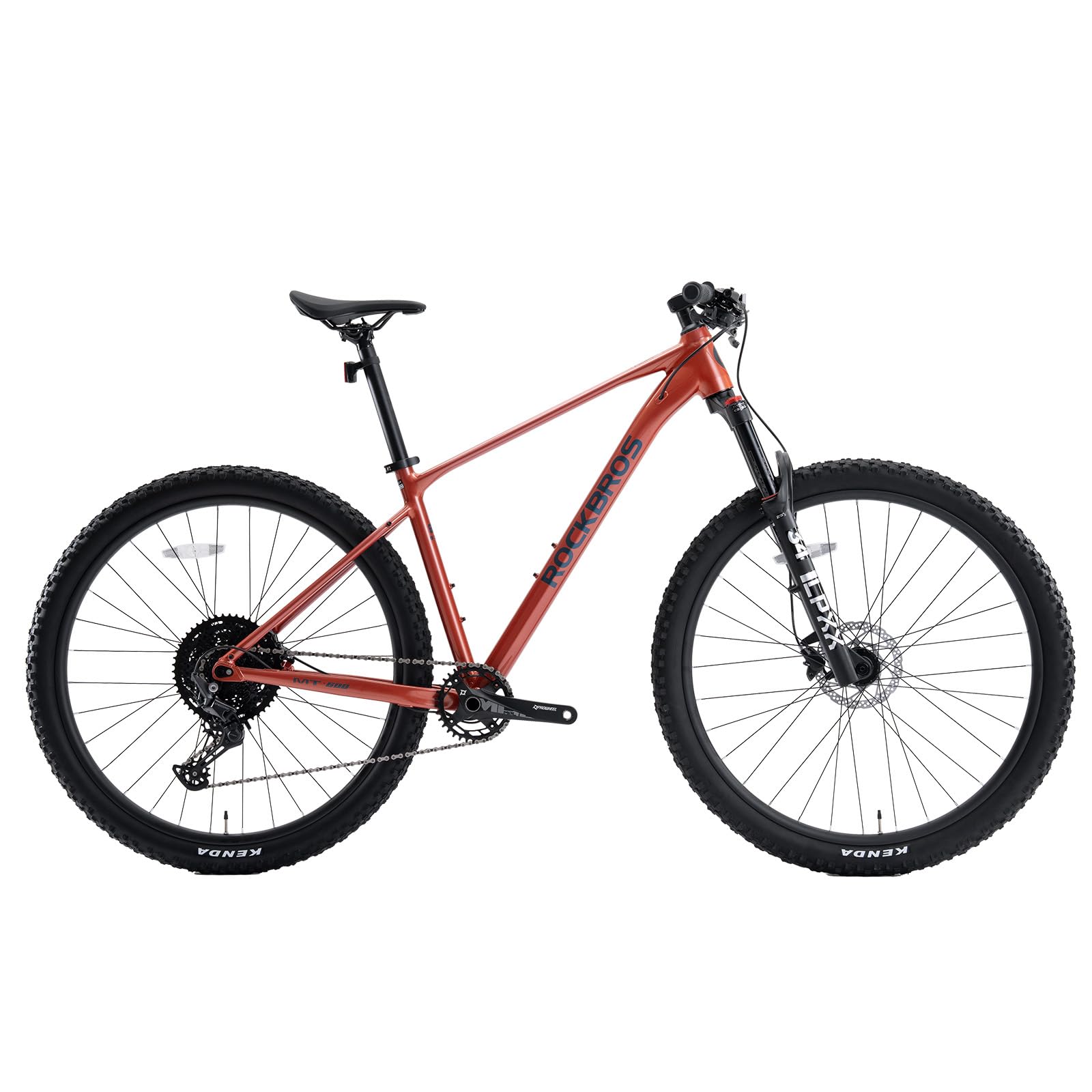
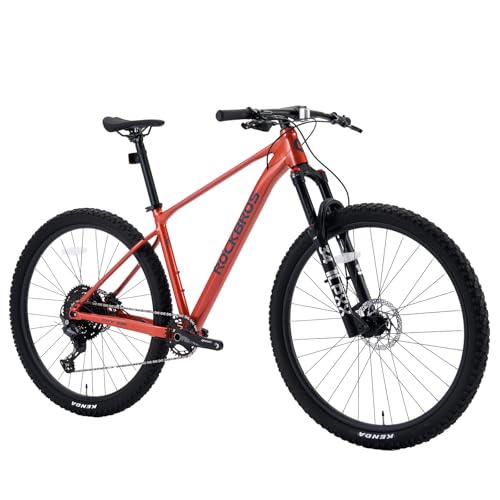
Who Needs the Best Climbing Mountain Bike
Climbing focused riders include cross country racers, trail riders who earn their descents, and anyone whose local trails start with a long fire road climb. If most of your ride time goes uphill, climbing efficiency deserves more weight than downhill plushness. A bike that climbs well still descends safely, but its priorities are clear.
Riders who mostly shuttle or ride lift served parks may prioritize descending instead. For them, a heavier, longer travel bike makes sense. For everyone else, a balanced trail bike that climbs efficiently is usually the more versatile choice.
Gearing for Steep Trails
Low gears matter most on steep climbs. Modern one by drivetrains pair a single front ring with a wide range cassette, giving a very low gear for steep pitches without front shifting complexity. Check the lowest gear ratio, not just the number of gears, since a wide range cassette with a small front ring climbs far better than many close gears.
Shifting under load should be smooth and predictable. Practice shifting before a steep section rather than during it, and keep the chain clean and lubricated. A dropped chain on a climb wastes energy and momentum, so check chain wear and derailleur adjustment regularly.
Geometry and Pedaling Position
Climbing geometry balances a head angle that stays stable on steep pitches with a seat angle that puts you over the pedals efficiently. A steeper seat angle helps on climbs by keeping weight forward, while a very slack head angle can feel vague uphill. Reach should let you pedal without feeling stretched or cramped.
Suspension setup shapes climbing too. A lockout or firm pedaling mode reduces bob on smooth climbs, while open suspension suits rough, technical climbs where traction matters more. Learn to switch modes quickly, and set sag correctly so the bike sits at its intended geometry when you pedal.
Weight, Wheels, and Traction
Lighter bikes climb faster, but weight savings should not come at the cost of durability or comfort. Wheels and tires are often the best place to save rotating weight, since lighter wheels accelerate and climb more easily. Tire choice matters as well: grippy, well spaced knobs bite on loose climbs, while very fast rolling tires can slip when the trail steepens.
Tire pressure is a free performance upgrade. Lower pressure increases grip on rough climbs but risks rim strikes, while higher pressure rolls faster on smooth climbs but bounces on roots. Experiment in small steps on familiar trails, and carry a pump so you can adjust for conditions.
29 inch wheels roll over obstacles well and suit taller riders and long climbs, while 27.5 inch wheels feel nimbler on tight, technical trails. Neither is universally better for climbing; fit, trail type, and personal feel matter more than wheel size alone.
Fitness, Fit, and Technique
Bike fit shapes climbing comfort more than any single component. Saddle height should allow a nearly straight leg at the bottom of the pedal stroke, and saddle position should support efficient pedaling without knee pain. If you notice persistent knee, back, or wrist pain, seek a professional bike fit rather than pushing through.
Technique helps too. Stay seated on smooth climbs to save energy, stand briefly for short steep pitches, and keep a steady cadence rather than grinding a hard gear. Shift early, look ahead for traction, and keep your chest open for breathing. Small technique gains add up over a long climb.
Related Guides to Compare
If your local riding is mostly steep gradients and sustained ascents, our guide to the best mountain bike for hill climbing narrows the focus to gearing and traction for that job. Riders who want longer travel for demanding descents without giving up uphill efficiency can read our guide to the best climbing enduro mountain bike, while our guide to the best all mountain mountain bike covers the wide trail middle ground.
Because the lowest gear is the single most important climbing factor, our guide to the best mountain bike gear ratio for climbing explains low gear choices in detail. If rear traction on rough climbs is your main concern, see our guide to the best full suspension mountain bike for climbing for pedaling efficiency and lockout options.
Living With Your Choice
Trail centers often offer graded climbs that help riders progress gradually. Start with gentle, well surfaced climbs, then move to steeper, rougher trails as fitness and technique improve. Riding the same climb repeatedly reveals progress in time, gear choice, and confidence more clearly than constantly seeking new trails.
Weather changes climbing dramatically. Wet roots and mud demand lower tire pressure and smoother pedaling, while dry, loose trails demand careful weight distribution and tire choice. Check trail conditions before riding, respect closures after heavy rain, and avoid riding fragile trails when they are waterlogged.
Group rides add motivation on long climbs, but they also need etiquette. Keep a steady pace, communicate about stops, and wait at trail junctions so nobody rides alone and lost. Faster riders can loop back or take a longer route, while slower riders benefit from encouragement rather than pressure.
Bike maintenance between rides keeps climbing efficient. Clean and lubricate the chain, check tire pressure and tread, inspect brakes, and tighten bolts regularly. A well maintained bike climbs better and descends more safely than a neglected bike with expensive components.
Upgrades should follow a clear priority for climbing. Lighter wheels and grippy tires often help more than a new drivetrain alone, while a professional fit can improve efficiency more than any component. Spend where the gain is real for your trails, not where marketing is loudest.
Frequently Asked Questions
What gear range do I need for steep climbs?
A wide range cassette paired with a small front ring gives a very low gear for steep pitches, which matters more than the total number of gears. Check the lowest gear ratio and try it on a familiar steep trail. Shifting before the steep section, rather than during it, keeps momentum.
Is a hardtail or full suspension bike better for climbing?
Hardtails are lighter, simpler, and very efficient on smooth climbs, while full suspension bikes offer traction and comfort on rough, technical climbs. A full suspension bike with a firm pedaling mode can climb well too. Choose based on your local trail surfaces and comfort needs.
How much does bike weight matter for climbing?
Weight matters, especially rotating weight in wheels and tires, but durability and fit matter more than a small saving. A lighter wheelset often improves climbing feel more than a lighter frame alone. Avoid sacrificing reliability or comfort for a marginal weight gain.
What tire pressure suits climbing?
Lower pressure improves grip on rough climbs but risks rim strikes, while higher pressure rolls faster on smooth climbs. Start near maker guidance, then adjust in small steps on familiar trails. Carry a pump so you can adapt to wet, loose, or smooth conditions.
How can I improve climbing fitness?
Ride climbs regularly at a steady, sustainable pace, practice seated climbing with a smooth cadence, and build gradually rather than tackling very long climbs at once. Strength work for legs and core helps, as does good bike fit. Seek medical advice for persistent pain or breathing difficulty.
Final Thoughts
Prioritize low gears, a pedaling position that keeps you efficient, and suspension that firms up on smooth climbs. Get fit right, practice shifting early, and choose tires for your local trails. Review the product table above and pick the best climbing mountain bike that helps you enjoy the climb as much as the descent.


