
Best Climbing Full Suspension Mountain Bike: Types Compared and How to Choose for 2026
Disclosure: We may earn a commission when you buy through links on this page, at no extra cost to you. As an Amazon Associate I earn from qualifying purchases. Learn more

Compare types to find the best climbing full suspension mountain bike, with plain guidance on travel, fit, gearing, and care before you spend.
Shoppers comparing suspension bikes quickly run into a wall of categories, travel numbers, and motor options that all claim to climb well. This guide sorts the main types side by side, explains where each one shines and where it struggles, and helps you land on a best climbing full suspension mountain bike that fits your trails instead of a spec sheet. No single type wins everywhere, so the right answer depends on your surface, your distances, and your budget.
Use the comparison table below to see the types at a glance, then read the detailed comparison that follows. By the final section you will have a simple method for choosing travel, frame material, and size with confidence.
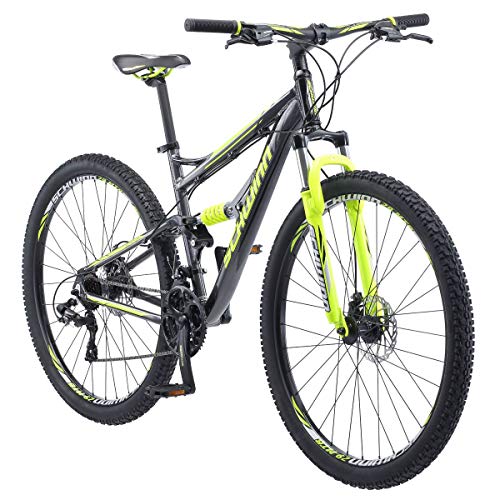
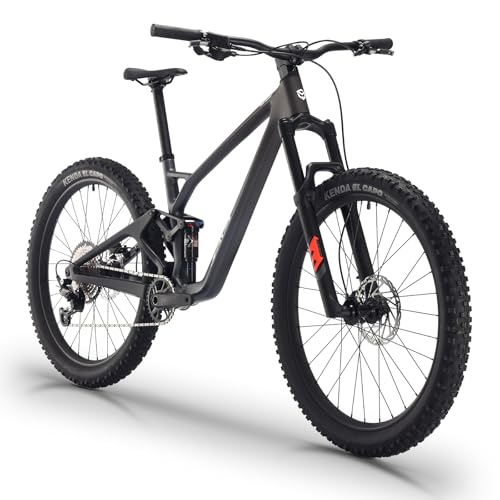
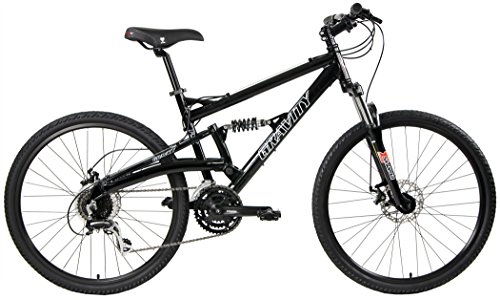
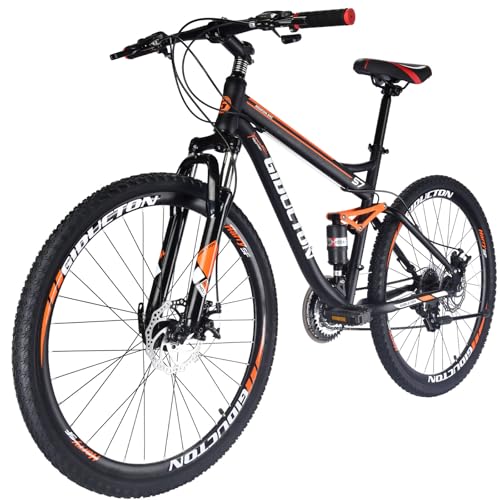


Best Climbing Full Suspension Mountain Bike Types Compared
Four broad types appear in most searches, and each solves a different problem. Commuter e bikes add motor help for paved miles, hardtails trade rear suspension for low weight and low cost, road and gravel bikes favor smooth surfaces, and full suspension mountain bikes use both shocks to keep traction on rough climbs. Prices overlap widely, but as a rough guide hardtails often start under $1,000, capable full suspension trail bikes run about $2,000 to $5,000, and electric versions usually add about $1,000 or more over a similar pedal bike.
Commuter E Bikes
A commuter e bike uses a motor and battery to flatten hills on pavement, with an upright riding position, lights, and often a rack for bags. Its strength is daily practicality: you arrive at work without sweating through your clothes, and hills stop deciding your route. Its weakness is dirt, because narrow tires, modest brakes, and city geometry struggle on loose or rocky climbs. Choose this type if your climbing happens on roads and bike paths, and treat it as transport first and a trail tool never.
Hardtail Mountain Bikes
A hardtail mountain bike has a suspension fork at the front and a rigid rear end. With no rear shock or pivots, it is lighter, cheaper, and more efficient on smooth climbs, and it needs less maintenance over a season. The trade off is comfort and traction: on rocky climbs the rear wheel bounces and spins, forcing you to stand and pick careful lines. Choose a hardtail if your trails are smooth to moderate, your budget is tight, or you value simplicity. Many riders start here and upgrade later with clear knowledge of what they actually need.
Road and Gravel Bikes
Road bikes are built for pavement, with drop handlebars, skinny tires, and gearing tuned for speed on smooth grades. Gravel bikes widen the tires, lower the gearing, and add stable geometry so dirt roads and light trails become pleasant instead of punishing. Both climb paved and smooth dirt grades very efficiently because they are light and stiff. Neither belongs on technical singletrack, where drops, roots, and steep loose pitches overwhelm their tires and brakes. Choose this type if your climbing is mostly on roads, lanes, and maintained gravel rather than mountain trails.
Full Suspension Mountain Bikes
A full suspension mountain bike suspends both wheels, so the rear tire stays planted on loose and rocky climbs and your body absorbs far less punishment on descents. Modern designs pedal efficiently thanks to firm suspension platforms and steep seat tube angles, closing much of the old gap with hardtails. The costs are higher prices, more weight, and more maintenance, since shocks and pivot bearings need periodic service. Choose this type if your climbs are rough and technical, and explore our guide to the best beginner full suspension mountain bike if this is your first step into the category. The product table above leans toward entry level full suspension bikes sold online, which suit smooth to moderate trails; models with adjustable air suspension from bike shop brands start higher.
Commuter E Bikes vs Hardtail Mountain Bikes: Which Should You Choose?
These two types sit at opposite ends of most shortlists, so a direct comparison helps. On cost, a hardtail is far cheaper to buy and own, with no battery to replace after several years. On climbing, the e bike wins easily on pavement, thanks to motor assistance, while the hardtail wins on dirt because its tires, brakes, and geometry are made for trails. On fitness, the hardtail gives you a full workout, while the commuter lets you dial effort down on busy days.
Maintenance also differs: a hardtail needs basic chain and brake care, while an e bike adds battery storage rules, software updates, and pricier electronic parts. Storage favors whichever you can keep indoors, since batteries dislike extreme heat and cold. If your week is mostly commuting with weekend dirt rides, a hardtail plus a train pass may serve you better than one compromised machine. Budget shoppers can also compare our guide to the best inexpensive full suspension mountain bike to see what the lowest sensible entry point buys.
How to Choose the Right Climbing Full Suspension Mountain Bike
Once you settle on full suspension, four decisions shape the bike you take home. Work through them in order, because travel choice affects geometry, geometry affects fit, and fit decides whether the other specs ever get a fair chance.
Suspension (Hardtail vs Full Suspension) and Travel
Travel should follow your terrain, not your ambitions. About 100 to 120 mm suits cross country trails and smooth fast climbing, about 130 to 150 mm covers most all mountain riding, and 160 mm or more suits enduro descents at the cost of climbing weight. A shock with a lockout or firm mode helps on smooth fire road climbs, while an open supple shock grips better on technical pitches. If you are torn between two travel options, pick the shorter one for climbing priority and the longer one for descending priority.
Frame Material and Geometry
Aluminum frames offer the best value, with strong, affordable construction and only a modest weight penalty. Carbon frames save weight and can feel stiffer and quieter, but they cost more and need careful checks after crashes. Steel appears mostly on niche hardtails, prized for comfort and durability rather than light weight. Geometry matters as much as material: a steep seat tube angle, around 76 degrees or more, centers your weight for seated climbing, while head angle and reach set your descending confidence. Riders curious about electric versions can compare our guide to the best full suspension e mountain bike for motor specific geometry notes.
Sizing and Fit
Fit starts with the maker size chart for your height, then gets confirmed by reach and standover height. Reach tells you how much room you have standing on the pedals, and standover tells you whether you can step off safely on a steep climb. Your saddle position should let you pedal with a slight knee bend and no hip rocking. If you ride long climbs, a slightly more upright position reduces hand and lower back fatigue. Always ride a bike before buying when you can, because two frames with identical numbers can feel different on a real grade.
Bike Type and Riding Style
Be honest about the riding you will do most weeks. Cross country riders need efficiency and low weight, trail riders need balance, and enduro riders accept climbing compromises for descending strength. Road, gravel, and hybrid models only enter this decision if your surface is mostly smooth, and commuter e bike models only win if transport is the main job. Electric assistance is its own style choice, adding range and speed on climbs while adding weight everywhere else, so review our guide to the best electric full suspension mountain bike if motor help is part of your plan.
Care and Maintenance Tips
Each type rewards slightly different care, but the basics are shared. Check tire pressure before every ride, since pressure sets both climbing traction and puncture risk. Clean and lube the chain every 100 to 200 miles, wipe the suspension stanchions after dusty rides, and have a professional tune up yearly to service pivots and shocks. E bike owners should store the battery indoors at partial charge, and hardtail owners can spend the money they save on better tires, which is the highest value upgrade in this whole category.
Frequently Asked Questions
What size bike do I need?
Choose by height first, then verify reach and standover against the maker chart. Most riders between sizes on a climbing focused bike do better on the smaller frame, because it is easier to shift your weight on steep seated climbs and tight switchbacks. A professional bike fit is worth the cost if you plan long rides, since small changes to saddle height and handlebar reach can remove knee and hand pain that sizing charts cannot predict.
How far can an e bike go on one charge?
Expect about 25 to 50 miles from a common 500 to 625 Wh battery on mixed terrain, with steep climbing pulling the result toward the low end. Rider weight, tire pressure, and assist mode change the outcome as much as battery size does. A useful habit is to finish rides with charge to spare rather than draining to empty, because deep discharges shorten battery life over time. For multi day trips, confirm charging access at each overnight stop before you commit to the route.
Hardtail or full suspension for beginners?
Beginners on smooth trails often learn faster on a hardtail, because the bike gives clear feedback and costs less to repair after early mistakes. Beginners on rocky trails may progress faster on full suspension, since rear traction forgives poor line choices on climbs. Budget is the tie breaker: a quality hardtail beats a cheap full suspension bike with a weak fork and shock. Whichever you pick, tubeless tires set at correct pressure make a bigger difference to grip than most beginners expect.
How much should I spend on my first bike?
A sensible first full suspension budget is about $2,000 to $3,000, which buys a capable fork and shock, hydraulic disc brakes, and a wide range drivetrain. Spending less usually means heavier parts and suspension that cannot be adjusted to your weight. Spending more mainly buys lower weight and finer suspension feel, which matter most once your skills grow. Keep some budget aside for a helmet, flat repair kit, and the first year service, since those costs arrive whether you plan for them or not.
What e bike class is legal where I live?
Class 1 e bikes, which assist only while pedaling up to 20 mph, have the widest trail access in most states. Class 2 models add throttle control, and class 3 models assist to 28 mph and are commonly restricted to roads and motorized trails. Land managers can set stricter rules than state law, so read the trailhead posting before riding. When in doubt, call the local ranger office, because a short call is cheaper than a citation and a long walk out.
Wrapping Up
Decide your type first, then travel, then fit, and the rest of the spec sheet falls into place. Rough technical climbs point to full suspension with moderate travel, smooth miles point to a hardtail or gravel bike, and paved commuting points to an e bike. Check your shortlist against the product table above, and choose the best climbing full suspension mountain bike that matches your real terrain and leaves budget for the gear that keeps you riding.


