
Best Bargain Full Suspension Mountain Bike 2026: Buying Guide
Disclosure: We may earn a commission when you buy through links on this page, at no extra cost to you. As an Amazon Associate I earn from qualifying purchases. Learn more
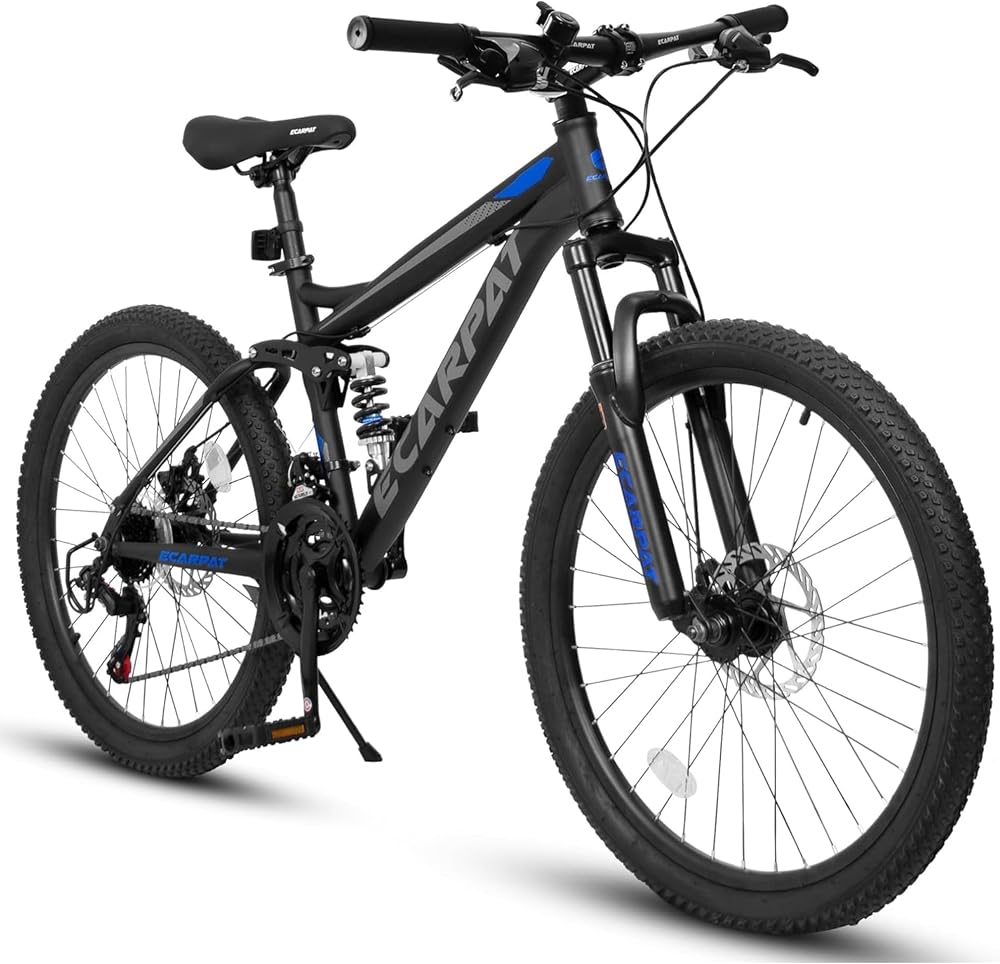
Learn how travel, brakes, gearing and fit separate the best bargain full suspension mountain bike from a heavy, flexy frame.
Full suspension comfort used to demand a big budget, but lower priced bikes now offer real trail control if you know where makers save money and where they should not. This guide helps you find the best bargain full suspension mountain bike for your trails, your body, and your wallet. You will learn which specs protect your safety and speed, and which extras can wait for later upgrades.
The product table lines up the main options. Use it with the buying guide that follows so a low price never hides a weak brake or a suspension design you will outgrow in a month.
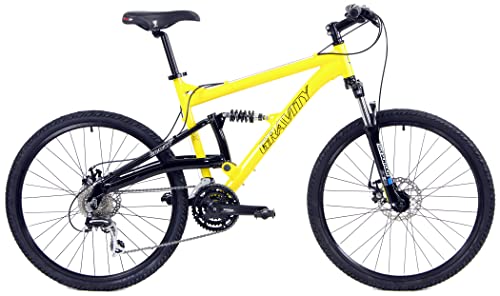
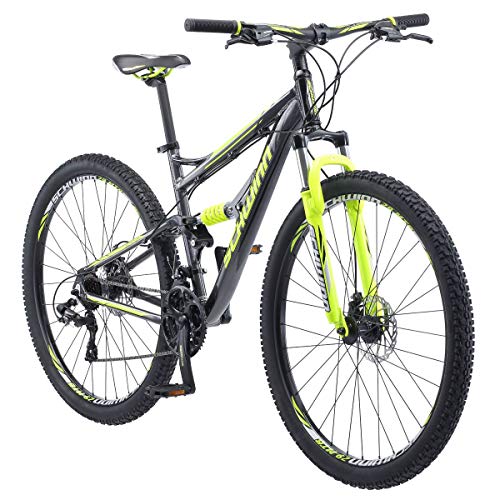

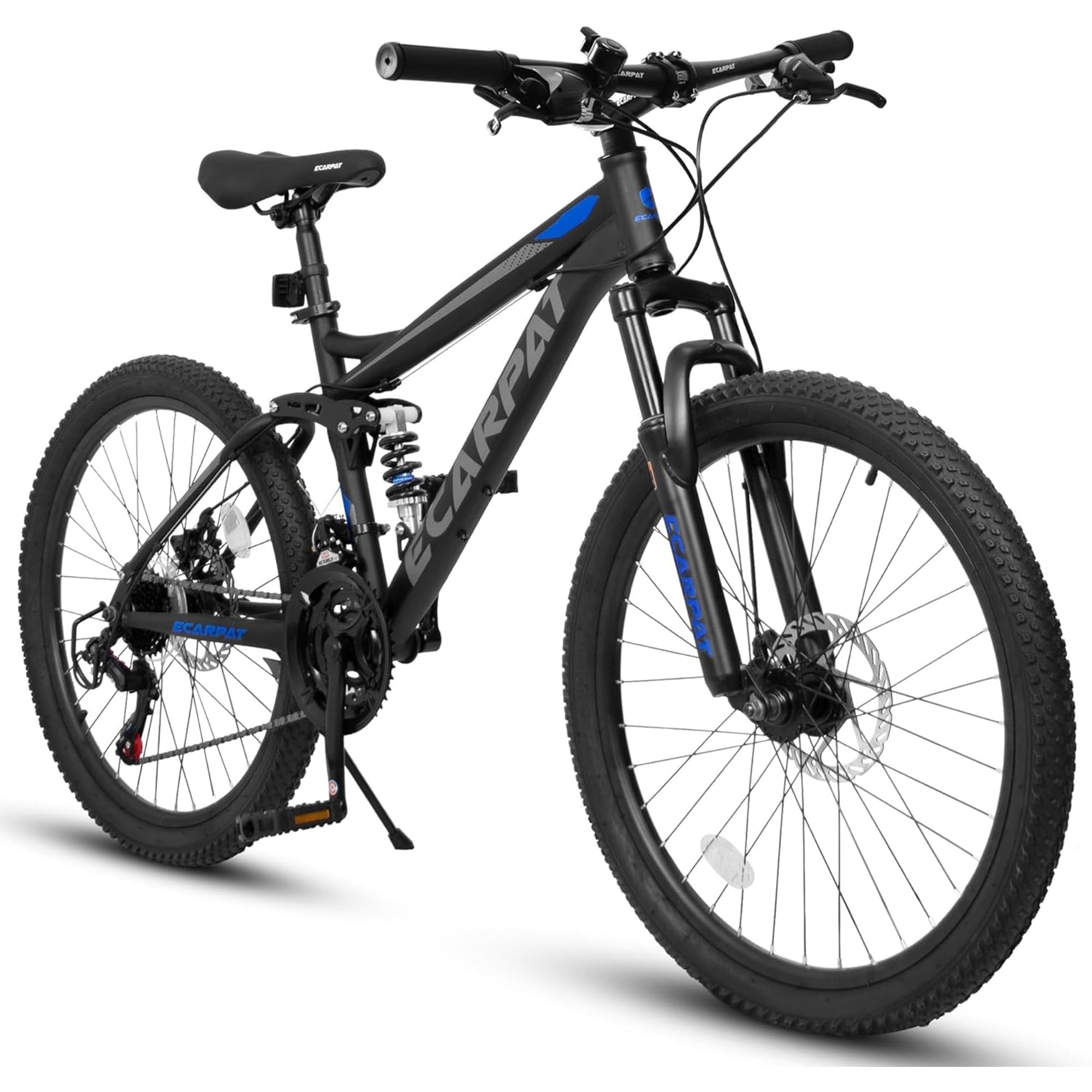
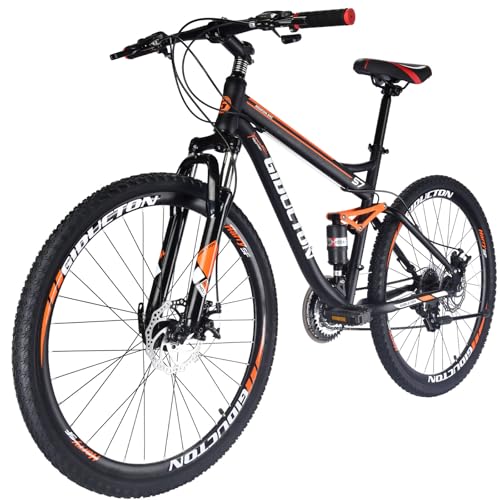


What Each Price Tier Offers
Treat these three tiers as descriptions rather than single winners. Match the tier to your terrain first, then check the product table for options that fit it.
Entry level, up to about $400
Bikes at this level give you a rear shock and a front fork for casual comfort on paved paths, parks and mild dirt tracks. Expect heavier frames, spring suspension without much adjustment, mechanical disc brakes and a wide, low cost gearset. They suit light use and smaller budgets, but they are not made for rocky descents or jumps. Plan to check bolts and cables often and keep early rides gentle.
Mid range, about $400 to $800
Here you start to see more reliable components, better wheels and smoother shifting. Some bikes include hydraulic brakes, which give stronger, more consistent stopping power than mechanical discs. Suspension is still basic, but a better frame and more precise geometry make the bike feel more composed on moderate trails. This is the sweet spot for beginners who ride regularly.
Upper bargain, about $800 to $1,500
Bikes in this range usually bring hydraulic disc brakes, an air sprung fork and rear shock you can adjust for your weight, and a wide range 1x drivetrain. They handle blue and moderate black trails, climb without excessive bobbing and leave room to upgrade tires and contact points later. It is the safest starting point if you ride varied terrain every week.
How to Choose the Best Full Suspension Mountain Bikes: Buying Guide
A bargain only counts if the bike stays safe, fun, and repairable for years. Work through each system below and compare what the spec sheet actually promises.
What You Can Realistically Get on a Budget
At bargain prices you can get an aluminum or steel frame, a working rear shock and fork, and brakes that stop the bike safely on moderate trails. You will not get carbon frames, electronic shifting or the lightest wheels, and that is fine. Prefer hydraulic disc brakes where your budget allows, because mechanical discs need more adjustment and fade on long descents. Check that the fork and shock can be set for your weight, and avoid bikes with no clear specs or return terms.
Bike Type and Riding Style
Match travel and geometry to your trails. Cross country bikes use about 100 to 120 mm of travel and pedal efficiently on rolling terrain. Trail bikes with 130 to 150 mm suit most riders and most regions. Enduro bikes with 160 mm or more favor steep descents but climb slowly and cost more to maintain. If most of your riding is on paved paths or gravel, a full suspension bike is more weight and cost than you need.
Drivetrain and Gearing
A 1x drivetrain, with one chainring up front, is the modern standard and the best choice at this price. It simplifies shifting, drops weight, and still offers a wide range if the cassette spans roughly 11 to 50 teeth. Check that the bike has a clutch rear derailleur, which keeps the chain quiet and secure on rough ground. Avoid old 2x or 3x setups on new bargain bikes; they add front shifting hassles and signal an outdated build.
Suspension (Hardtail vs Full Suspension) and Travel
Full suspension adds a rear shock that absorbs hits, improves rear wheel traction, and reduces fatigue on rocky trails. The trade off is weight, cost, and pivot maintenance. Choose travel by terrain: 120 mm for smooth and rolling trails, 140 mm as a versatile middle, and 160 mm only for steep, rough riding. Also check sag setup guidance from the maker; a shock you can set correctly beats extra travel you cannot tune. New riders unsure of the format can read the best beginner full suspension mountain bike guide for a simpler starting frame.
Frame Material and Geometry
Aluminum is the right material at bargain prices: strong, affordable, and easy to repair. Carbon saves weight but pushes price well past bargain territory. For geometry, a head tube angle around 65 to 67 degrees feels stable on descents without steering slowly on climbs. Reach should let you stand comfortably with a slight bend in the elbows. Always match frame size to the maker chart using your height and inseam, and take a parking lot ride if a local shop allows it.
Wheel Size and Tires
Most modern trail bikes use 29 inch wheels, which roll over roots and rocks more smoothly. Smaller 27.5 inch wheels feel quicker to turn and suit shorter riders. Some bikes mix sizes, with a larger front wheel and smaller rear. Tires around 2.3 to 2.5 inches wide give a good balance of grip and speed. Tubeless setups let you run lower pressure for traction and reduce flat risk, so tubeless ready rims and tires are worth prioritizing.
Full Suspension or Hardtail?
Full suspension bikes
Full suspension suits riders on rough or root filled trails who want traction and comfort on descents. Within the category, cross country models favor pedaling speed, as covered in the best xc full suspension mountain bike guide, while trail and enduro models favor control. Pick by your roughest regular trail, not your easiest one.
Hardtail bikes
Hardtails suspend only the front wheel, so they cost less, weigh less and need less maintenance. On smooth trails they can be faster than a bargain full suspension bike at the same price, because the budget goes into better brakes and wheels. Choose a hardtail if your trails are mild or your budget is tight, and a full suspension bike if you want comfort on rocks and roots.
Care and Maintenance Tips
- Check tire pressure before every ride; a few psi changes grip and rim protection.
- Clean and lube the chain every 100 to 200 miles, or sooner after wet and muddy rides.
- Wipe fork and shock seals after dusty rides so grit does not wear the surfaces.
- Have a professional tune up yearly, including pivot checks and brake bleeds when feel fades.
- Store the bike indoors and dry, and check shock pressure monthly because air slowly leaks.
- Wear a helmet on every ride and add lights if any part of your route uses public roads.
Full Suspension Mountain Bikes: Your Questions Answered
What size bike do I need?
Use the maker size chart with your height and inseam, then confirm standover clearance. Between sizes, shorter riders often prefer the smaller frame for control, while taller riders may size up for stability. A professional fit matters if you have back, neck, or wrist pain. Never buy a size based only on a deal price, because a wrong size bargain is no bargain.
How much should I spend on my first bike?
Around $800 to $1,500 buys a first full suspension bike with safe brakes and adjustable suspension. Spending less is possible for casual riding, but it often means heavy parts and basic forks that limit learning. Budget extra for a helmet, a pump, a spare tube or tubeless sealant, and basic tools. Renting or demo riding first can confirm the style suits you before you commit.
Hardtail or full suspension for beginners?
Full suspension helps beginners on rocky, root filled trails by adding traction and forgiveness. On smooth trails, a hardtail teaches clean line choice and costs less to own. If your local terrain is rough and your budget reaches the value tier described above, full suspension is a sound first choice. If trails are mild, put the savings into lessons, tires, and protective gear.
What e bike class is legal where I live?
Class rules vary by state, park, and trail system, and many singletrack trails allow only non electric bikes or Class 1 pedal assist models. Check your land manager rules before buying any electric model. Laws change, so verify current local regulations rather than relying on a listing. For a non electric bargain bike, standard trail access rules for mountain bikes apply.
Final Thoughts
Put your money into dependable brakes, suspension you can set up, and a frame that fits, and let weight and extras wait. Match travel to your roughest regular trail and use the product table above to compare builds in your tier. Chosen that way, the best bargain full suspension mountain bike feels like a smart buy on every ride, not just on checkout day.


