
Best Climbing Approach Shoes: How to Choose for 2026
Disclosure: We may earn a commission when you buy through links on this page, at no extra cost to you. As an Amazon Associate I earn from qualifying purchases. Learn more

Sticky rubber, a protected toe and a snug fit decide the best climbing approach shoes: learn how sole, midsole and lacing work on trails, scree and slabs.
Approach shoes exist for the gap between the trailhead and the first bolt: the scramble up loose scree, the slab you cross to reach the base, and the long walk back down with a rope on your shoulders. The best climbing approach shoes borrow sticky rubber and a precise toe from climbing shoes while keeping the cushioning and lacing of a light hiker, so one pair handles the whole day. This guide explains what separates a true approach shoe from a trail runner, which features matter for your terrain, and how the fit should feel. The comparison table below lines up the main options so you can shortlist before reading on.
If you only walk flat trails to a crag, a trail runner is fine. The moment the ground turns to rock, exposed ledges, or fourth class scrambling, the climbing rubber and stiffer edge of an approach shoe earn their place.

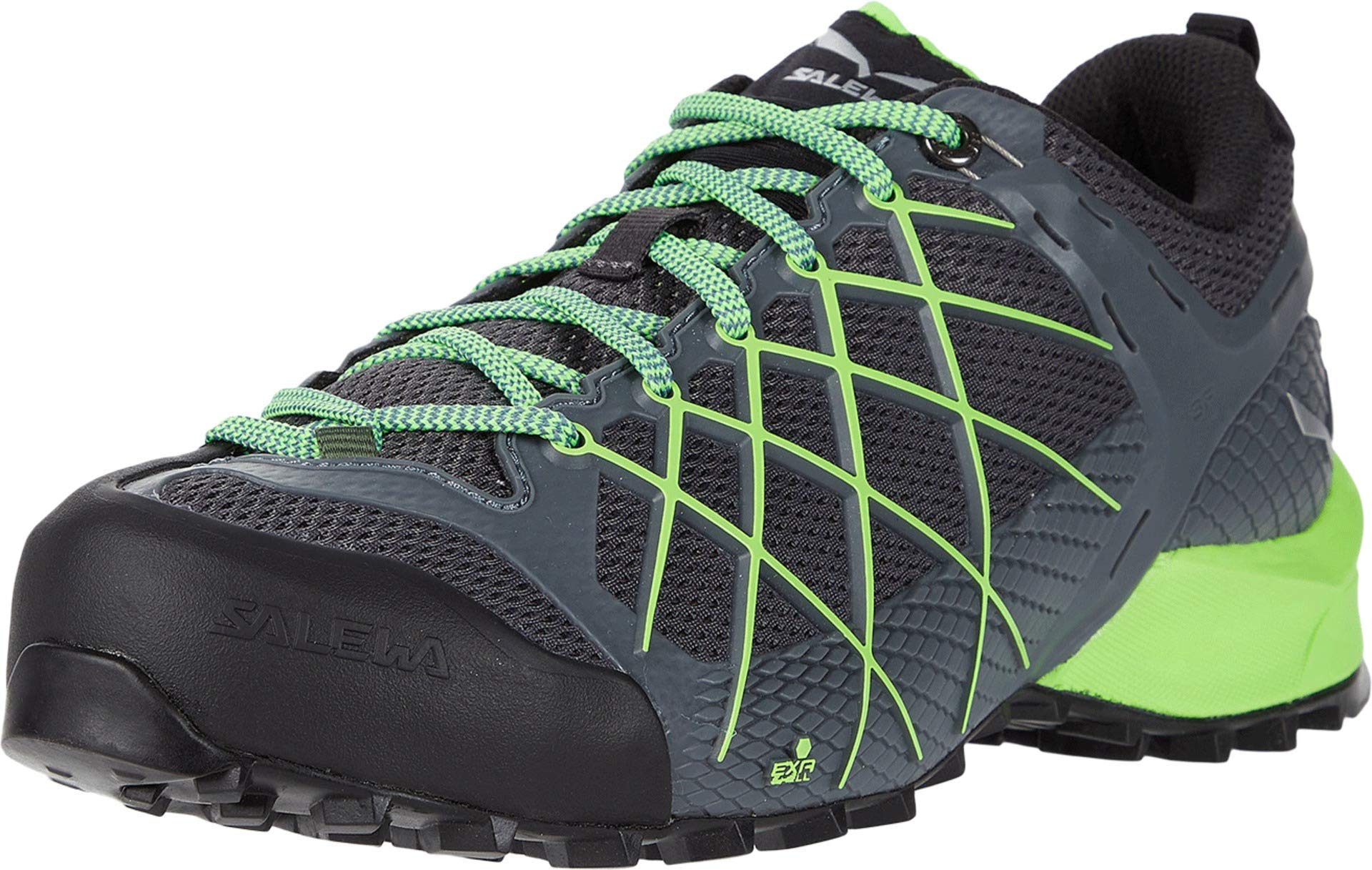


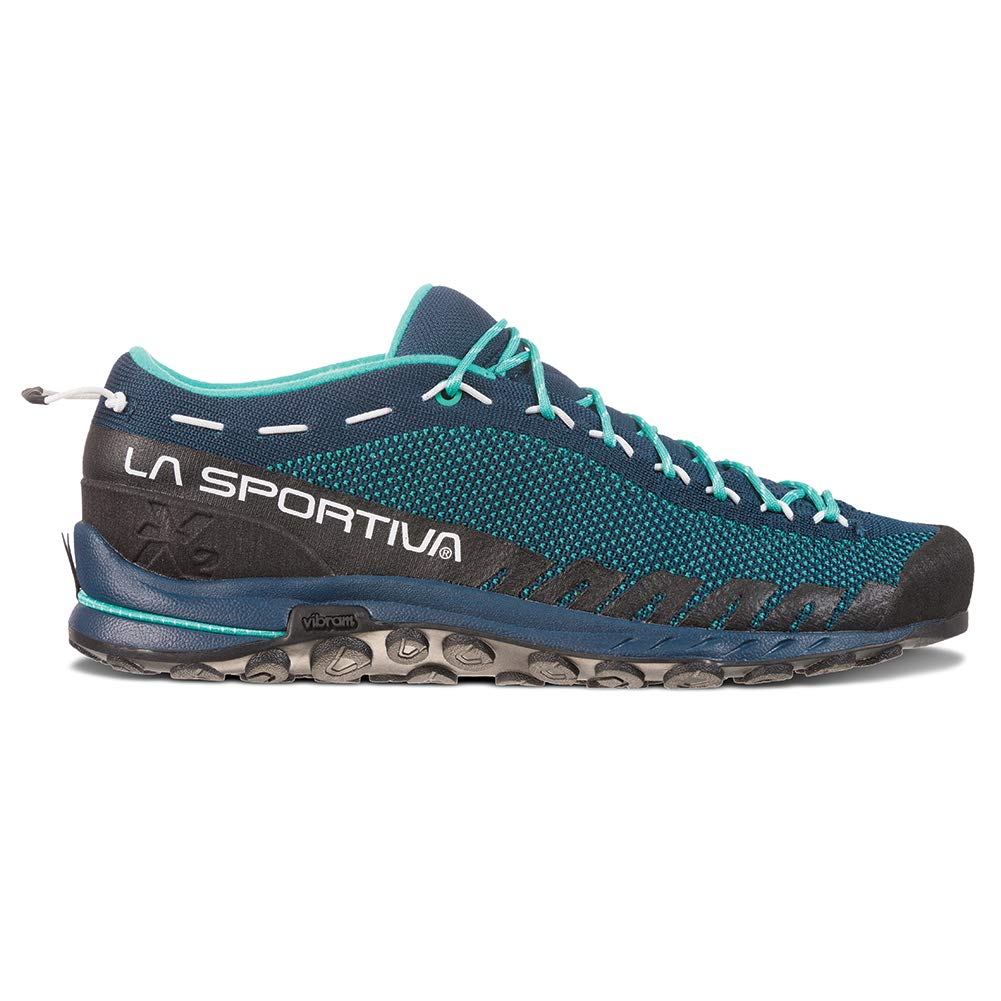


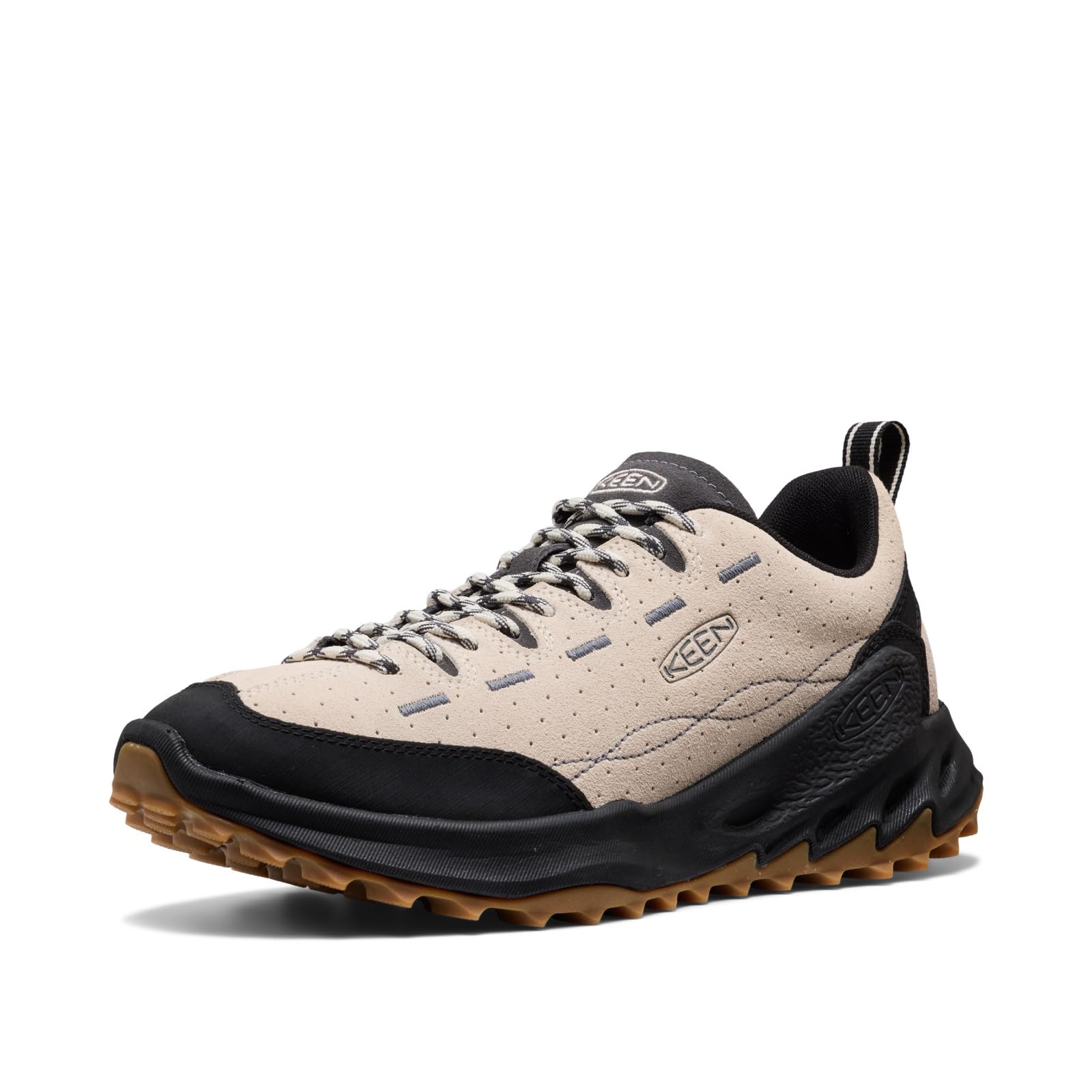

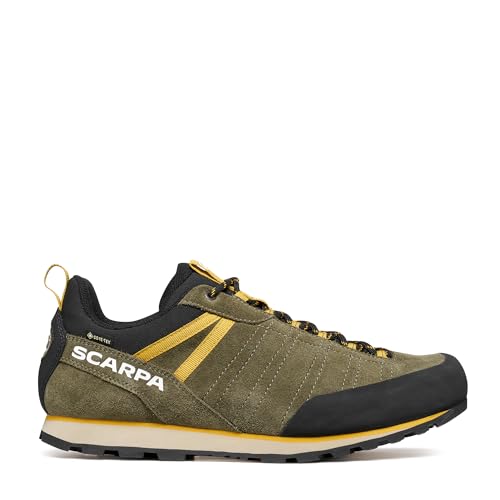

What Sets an Approach Shoe Apart
Three details define the category. The outsole uses a sticky climbing rubber compound that grips smooth rock far better than the hard rubber on hiking shoes, and the tread often has a flat climbing zone under the toes for smearing and edging. The lacing runs further toward the toe than on a hiker, so you can cinch the forefoot tight for scrambling and loosen it for the walk out. The toe is protected by a rubber rand or cap that shrugs off kicks against rock.
The trade off is wear. Sticky rubber is soft, and it rounds off quickly on pavement and hard packed trails, so an approach shoe worn as a daily sneaker loses its grip long before the upper wears out. Treat the pair as a tool for rock days and it will last several seasons.
Who Should Buy the Best Climbing Approach Shoes
Rock Climbers Walking to the Crag
Sport and trad climbers who hike in, scramble to the base, and climb easy terrain in their approach shoes get the most value. A low cut shoe with a precise toe lets you climb low fifth class sections without changing shoes, and a stiff enough midsole keeps your feet comfortable while belaying on ledges. Climbers who hunt specifically for rock focused models can compare notes in our guide to the best rock climbing approach shoes.
Hikers Who Scramble
Peak baggers and canyon hikers whose routes include slabs, boulder fields, and exposed ridgelines benefit from the grip and toe protection without needing climbing specific precision. For this group a slightly more cushioned approach shoe with a hiking style tread suits long days better than a minimalist climbing oriented model.
Via Ferrata and Alpine Walkers
Fixed cable routes and alpine approaches mix ladders, ledges, and long descents. A firm midsole for edging on small steps, a secure heel, and often a mid height cuff for ankle support matter most here. Waterproof membranes make more sense in this group than in dry crag approaches, because alpine weather changes fast.
Key Features to Compare
Rubber Compound and Climbing Zone
Look for a named sticky rubber on the outsole and a smooth or lightly textured zone under the toes. That zone is what lets you smear on slabs and edge on small holds, and it is the clearest sign a shoe was designed for rock rather than restyled from a trail runner. Deep lugs at the heel help on dirt descents, and a flat forefoot helps on rock, so the best designs combine both.
Midsole Stiffness and Edging Support
A stiffer midsole lets you stand on a narrow edge without the shoe folding, which saves your calves on long scrambles. A softer midsole flexes for comfortable walking and smears better but tires your feet on sustained rock. Scramblers and alpine walkers should lean stiff; climbers who mostly walk trails with short rocky sections can lean softer. Press the toe against a step and stand on it when you can; if the shoe collapses, it is too soft for real edging.
Toe Protection and Upper Material
A full rubber rand around the toe and forefoot protects both the shoe and your toes from rock contact. Suede and leather uppers resist abrasion from scree and mold to the foot, while synthetic uppers dry faster and weigh less but tear sooner on sharp rock. A gusseted tongue keeps grit out, which matters more on scree than most buyers expect.
Lacing to the Toe
Lacing that extends down toward the toe lets you adjust the forefoot fit for the job: tight for scrambling, relaxed for walking. Check that the eyelets are reinforced and that the laces hold tension, because a lacing system that creeps loose defeats the purpose. Some models use a thin cord lace that saves weight but frays faster.
Weight, Waterproofing, and Breathability
Lighter shoes feel better on long approaches and clip to a harness more easily for a multi pitch walk off. Waterproof membranes keep feet dry on alpine approaches and wet trails, but they trap heat on hot desert days and dry slowly once soaked through. Most crag climbers in dry regions should skip the membrane; alpine and wet climate users should consider it. Climbers who also want a dedicated pair for roped routes can compare shapes in our guide to the best sport climbing shoes.
Low Cut, Mid Cut, or Light and Fast
Low cut approach shoes are the default: nimble, cool, and easy to climb in. Mid cut approach boots add ankle support and weather protection for loads, snow patches, and rough alpine ground, at the cost of weight and climbing precision. Light and fast models trim weight and cushioning for runners and climbers who move quickly on well defined trails and only need the sticky rubber for short rocky sections. Match the cut to the roughest ground on your usual approach, not the easiest.
How Approach Shoes Should Fit
Fit snug through the heel and midfoot with toes close to the end but not pressed against it. A heel that lifts on uphill steps will blister on scree, and toes that jam on the descent will bruise. Try them on in the afternoon with the socks you climb in, and walk on an incline if the shop has one. Climbers moving up from rental climbing shoes sometimes size approach shoes too tight; the guidance in our guide to the best starter climbing shoes explains why those two fits should feel different. For a broader look at the category beyond climbing use, see our guide to the best approach shoes.
Care and When to Replace
Knock dirt out after each outing and let the shoes dry away from direct heat, which cooks the glue that holds sticky rubber to the midsole. Brush the climbing zone clean so grit does not grind the rubber away. Retire a pair, or have it resoled where the maker offers it, when the toe rubber is smooth, the rand peels, or the midsole feels flat. Grip loss on rock is a safety issue, not just a comfort one, so do not push a worn pair through another season of scrambling.
Common Mistakes to Avoid
- Wearing approach shoes as everyday sneakers, which rounds off the sticky rubber in weeks.
- Choosing a soft, cushioned model for sustained scrambling, so your feet fold on every edge.
- Buying a waterproof membrane for dry desert approaches and roasting your feet all summer.
- Sizing up for comfort and losing the heel hold you need on loose descents.
- Ignoring the lacing and toe cap, the two features that separate approach shoes from trail runners.
Frequently Asked Questions
What are approach shoes for?
They are built for the walk and scramble to a climb, combining sticky rubber and a protected toe with the cushioning and lacing of a light hiker. They handle easy rock, scree, and slabs far better than running shoes, but they are not a substitute for a technical climbing shoe on hard routes.
How should approach shoes fit?
Snug at the heel and midfoot, with toes near the front but not crushed. The fit should be closer than a hiking boot and looser than a climbing shoe. Lace them tight for scrambling and ease them off for the walk back down.
Can I hike in approach shoes?
Yes, and for rocky trails they are often better than hikers. On hard packed dirt and pavement the soft rubber wears fast, so save the stickiest pair for days that involve real rock and use a trail shoe for everything else.
Do I need ankle support?
Low cut shoes suit most crag approaches and feel better for climbing. Mid cut boots make sense when you carry heavy loads, cross snow or wet alpine ground, or have a history of ankle injuries. Choose by terrain and pack weight rather than by habit.
When should I replace approach shoes?
When the climbing zone is smooth, the toe rand peels, or the midsole no longer supports you on edges. A pair used for rock days only typically lasts several seasons; a pair worn daily wears out in months.
Final Thoughts
Judge the rubber, the toe protection, and the midsole stiffness first, then make sure the lacing lets you tune the fit between the walk and the scramble. Compare the finalists in the product table above against the terrain you actually cross, and choose the best climbing approach shoes that feel secure on an edge and comfortable on the walk out.


