Best Cleaver Knife: What Actually Matters Before You Buy (2026)
Disclosure: We may earn a commission when you buy through links on this page, at no extra cost to you. As an Amazon Associate I earn from qualifying purchases. Learn more

How to choose a cleaver: meat vs Chinese vegetable cleavers, steel, edge and balance, with ZWILLING, Mueller and Dexter picks.
A cleaver is the most misunderstood knife in the kitchen. Some cleavers are heavy, thick bladed tools built to split ribs and chicken joints, while Chinese vegetable cleavers are thin, razor sharp blades for slicing, dicing and scooping vegetables onto the pan. Buy the wrong one and you either chip a delicate blade on bone or struggle to slice onions with a hatchet. This guide to the best cleaver knife options lays out the criteria that matter, then names three picks that pass.
We explain how we evaluate cleavers, share three picks, give a quick buyer checklist and red flags and finish with care tips and common questions. Use a cleaver on a thick, stable cutting board set on a damp towel, keep your guiding hand curled away from the blade and never try to catch a falling knife. Store cleavers in a sheath, block or guard, away from children.


How We Evaluate the Best Cleaver Knife
We score cleavers on seven criteria using maker specifications and owner feedback. Blades with vague steel claims or poor balance rarely make our list.
Blade Steel (German vs Japanese, Carbon vs Stainless)
Steel decides sharpness, durability and care. German stainless steels, like ZWILLING's ice hardened FRIODUR blade at 57 Rockwell hardness and Wüsthof's high carbon stainless steel, are tough and forgiving.
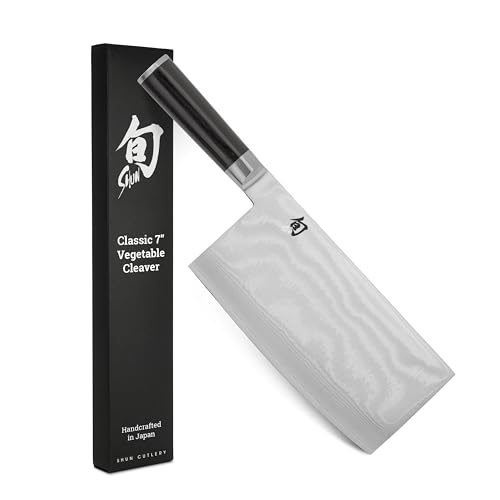
Japanese steels, like Shun's VG-MAX core with 68 layers of Damascus cladding, are harder and hold a finer edge but need more care. High carbon stainless blends, used by Dexter-Russell and HOSHANHO, balance edge retention and rust resistance. Thicker, softer steels suit bone chopping, while harder steels suit vegetables.
Forged vs Stamped Blades
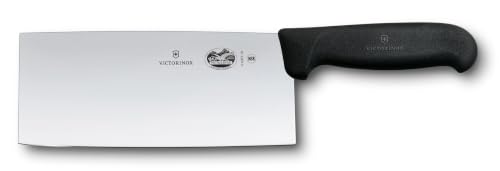
Forged blades are shaped from a single heated piece of steel, often with a bolster and full tang for balance. Wüsthof's Classic Chinese cleaver is precision forged from a single blank with a triple riveted full tang. Stamped blades are cut from sheet steel, lighter and usually less expensive; many professional cleavers, like Victorinox's Fibrox models, are stamped and still excellent. Full tang construction, used by ZWILLING, Mueller and Dalstrong, adds strength.
Meat Cleaver vs Vegetable Cleaver
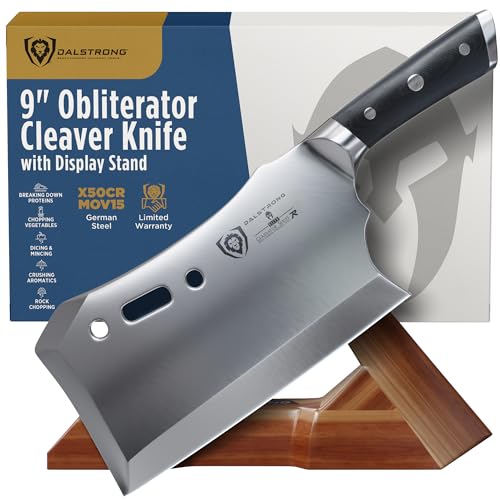
Decide which job you need. Heavy meat cleavers, like Dexter-Russell's 7 inch stainless meat cleaver and Dalstrong's 9 inch Obliterator with a 6 mm thick blade and 2.9 pound weight, split bones, ribs and cartilage. Chinese vegetable cleavers, like ZWILLING's Twin Signature, Shun's Classic, Victorinox's Fibrox and Wüsthof's Classic Chinese cleaver, have thin blades for slicing, dicing, smashing garlic and scooping food. Hybrid cleavers, like HOSHANHO's 2.3 mm thick blade and Mueller's 7 inch cleaver, handle vegetables, boneless meat and light poultry work.
Edge Angle and Sharpness
Edge angle affects sharpness and toughness. Thinner angles cut more cleanly: ZWILLING lists 15 degrees per side, HOSHANHO lists 15 degrees per side and Shun lists a 16 degree edge.
Mueller lists an 18 degree double bevel for durability. Meat cleavers use thicker, more obtuse edges that resist chipping on bone. Choose a fine edge for vegetables and a sturdy edge for bones.
Sharpening and Maintenance Needs
Softer German steels are easy to hone and sharpen at home, while hard Japanese blades need whetstones and gentle care. Shun supports its knives with free sharpening and honing. Victorinox says its Fibrox Chinese cleaver is dishwasher safe, but hand washing extends the life of any blade. High carbon blades should be dried right after washing to prevent spots.
Weight and Balance
Weight is a feature for meat cleavers and a burden for vegetable work. Dalstrong's 2.9 pound Obliterator uses momentum to split bones, while thin Chinese cleavers feel light and nimble. Balance near the bolster gives control. Dexter-Russell says its cleaver's weight and balance allow efficient one swing cuts, and Mueller highlights balanced weight distribution.
Handles and Storage
Handles affect grip and hygiene. Dexter-Russell uses a textured, slip resistant polypropylene handle and is NSF certified for sanitary standards. Shun uses a D shaped Pakkawood handle, Dalstrong a G10 handle and Mueller a seamless stainless steel handle. Wide cleaver blades often do not fit standard knife blocks, so plan for a magnetic strip, blade guard or included stand; Dalstrong includes an acacia wood stand and a fitted sheath.
3 Picks That Pass Our Checklist
These three cleavers meet our criteria for most kitchens.
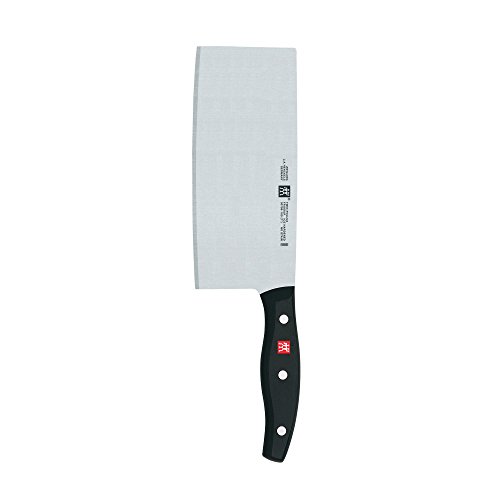
Best Overall: ZWILLING Twin Signature 7 Inch Chinese Vegetable Cleaver
The ZWILLING Twin Signature cleaver suits home cooks who want one versatile cleaver for vegetables, boneless meats and everyday prep, at around $73. ZWILLING lists an ice hardened FRIODUR blade with 57 Rockwell hardness for edge retention, a 15 degree per side edge, a full tang bonded to an ergonomic polymer handle and production in its company owned factory in Solingen, Germany.
Its strengths are a sharp, forgiving German blade and a large owner review base.
The limitation is that it is not designed for chopping through heavy bones.

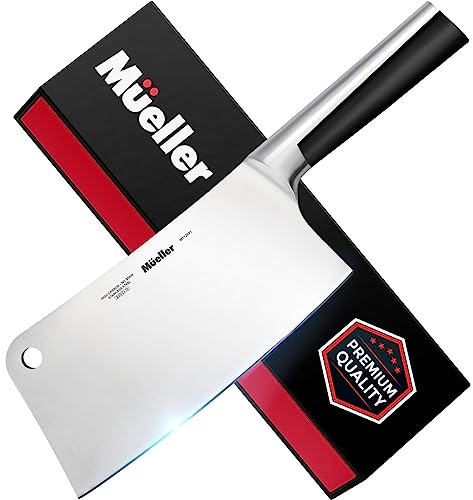
Best Value: Mueller 7 Inch Meat Cleaver
The Mueller cleaver suits budget minded cooks who want one cleaver for poultry joints, ribs and vegetables, at around $18. Mueller lists high carbon German stainless steel hand sharpened to an 18 degree double bevel, a full tang seamless stainless steel handle with a contoured grip and a wide blade that doubles as a bench scraper. Mueller says it stands behind every cleaver with a guarantee.
The appeal is versatile, sturdy performance at a very low price.
The trade off is a metal handle that can feel slippery when wet compared with textured grips.

Best for Heavy Use: Dexter-Russell 7 Inch Stainless Meat Cleaver S5387
The Dexter-Russell S5387 suits barbecue fans, home butchers and anyone breaking down large cuts, at around $74. Dexter-Russell lists a stain free high carbon steel blade individually ground and honed, weight and balance for efficient one swing cuts, a textured, slip resistant polypropylene handle that stays secure even when wet and NSF certification. It is made in the USA by a long established cutlery maker.
The appeal is rugged, sanitary construction made for splitting ribs and cartilage.
The limitation is a heavy blade that is overkill for slicing vegetables.

Quick Buyer Checklist
- Purpose: Meat cleaver for bones, Chinese cleaver for vegetables, hybrid for both.
- Steel: German stainless for toughness, Japanese for sharpness, high carbon stainless for balance.
- Edge angle: 15 to 16 degrees for slicing, thicker edges for bone work.
- Weight: Heavy for chopping bones, light for vegetables.
- Handle: Slip resistant and comfortable for your grip.
- Storage: Sheath, guard, stand or magnetic strip for wide blades.
Red Flags to Watch For
- Using a thin vegetable cleaver on bones. Thin blades chip and dent on bone.
- Vague steel descriptions. Look for stated steel types or hardness ratings.
- Loose or hollow handles. Handles should feel solid with no gaps where the tang meets.
- Extreme sharpness claims on very cheap blades. Edges may roll quickly.
- No way to store it safely. Wide blades need a guard or strip, not a loose drawer.
Care and Maintenance Tips
Hand wash cleavers with warm soapy water and dry immediately. Hone regularly with a honing steel and sharpen with a whetstone or quality sharpener when the edge dulls.
Use wood or plastic cutting boards, not glass or stone. For heavy chopping, strike straight down rather than twisting. Store in a sheath, guard or magnetic strip, and oil high carbon blades lightly if you store them for long periods.
Other Cleavers Worth Considering
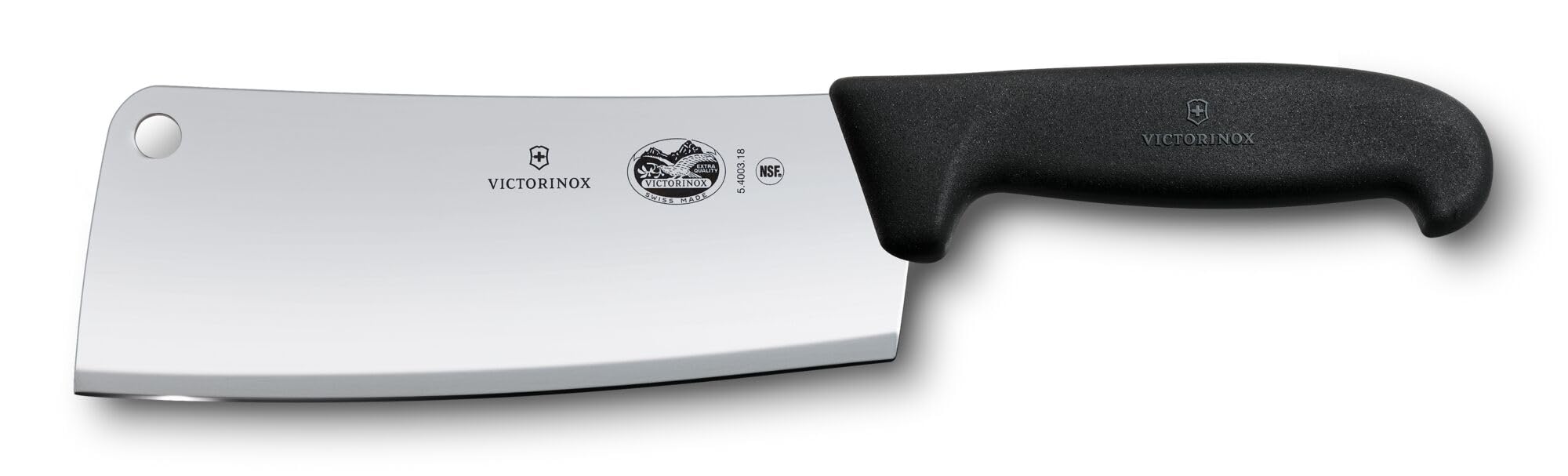
Shun's Classic 7 inch vegetable cleaver, around $200, offers a VG-MAX core with 68 layers of Damascus cladding, a 16 degree edge and a D shaped Pakkawood handle, handcrafted in Japan. Wüsthof's Classic 7 inch Chinese cleaver, around $150, is forged with a triple riveted full tang and Precision Edge Technology. Victorinox's Fibrox 7 inch Chinese cleaver, around $55, is Swiss made, lightweight and dishwasher safe. Dalstrong's 9 inch Obliterator, around $169, is a 2.9 pound heavy cleaver with a stand and sheath, and HOSHANHO's 7 inch cleaver, around $40, uses 10Cr15CoMoV steel with a 15 degree edge and 58 plus or minus 2 HRC hardness.
Frequently Asked Questions
Can cleavers go in the dishwasher?
Some cleavers are labeled dishwasher safe, but hand washing is always better. Victorinox says its Fibrox Chinese cleaver is dishwasher safe, yet detergent and banging against racks dull edges and damage handles. Wash by hand and dry right away.
Are expensive cleavers worth it?
Expensive cleavers are worth it for cooks who use them daily or want premium steel and craftsmanship. Shun and Wüsthof cleavers hold sharp edges and feel refined. For occasional use, Mueller's or Victorinox's cleavers deliver great value.
Are Japanese cleavers better than German cleavers?
Japanese cleavers are usually sharper and harder, while German cleavers are tougher and easier to maintain. Choose Japanese steel like Shun's for precise vegetable work and German steel like ZWILLING's or Wüsthof's for an all round, forgiving blade.
How often should I sharpen a cleaver?
Hone before or after each use and sharpen every few months with regular use. Heavy meat cleavers need less frequent sharpening since their edges are thicker. Vegetable cleavers benefit from more frequent touch ups.
Do I need a cleaver if I have a chef's knife?
A cleaver is optional, but it handles tasks a chef's knife should not, like splitting bones. A Chinese vegetable cleaver also speeds up chopping and scooping. Many home cooks own a chef's knife, a paring knife and one cleaver.
Final Thoughts
When choosing a cleaver, focus on three things: the right type for your cooking, quality steel with a suitable edge and a comfortable, secure handle. ZWILLING's Twin Signature Chinese cleaver is the best overall, Mueller's 7 inch cleaver is the best value and Dexter-Russell's S5387 is the best for heavy use. The best cleaver knife makes tough prep jobs faster and safer.
For more kitchen knife guides, see the best japanese chef knife, the best carving knives, the best poultry shears and the best electric knife sharpener. Then compare current prices in the product table above.