
Best Clear Mountain Bike Glasses: The Buyer Checklist We Use for 2026
Disclosure: We may earn a commission when you buy through links on this page, at no extra cost to you. As an Amazon Associate I earn from qualifying purchases. Learn more

Clear lenses keep shaded trails readable: this guide to the best clear mountain bike glasses covers light transmission, fog control and helmet compatibility.
Tinted lenses earn their keep on bright, open trails, but they work against you under a tree canopy, at dawn, or on a gray winter afternoon. That is where best clear mountain bike glasses come in: they shield your eyes from branches, grit, insects, and wind while letting in nearly all the available light, so roots and ruts stay visible instead of fading into shadow.
This guide walks through the checklist that actually matters when you compare clear lenses: light transmission, impact protection, fog control, fit with your helmet, and secure grip at speed. Work through the points below, then use the comparison table below to narrow the field to the pairs that match your trails and your face.
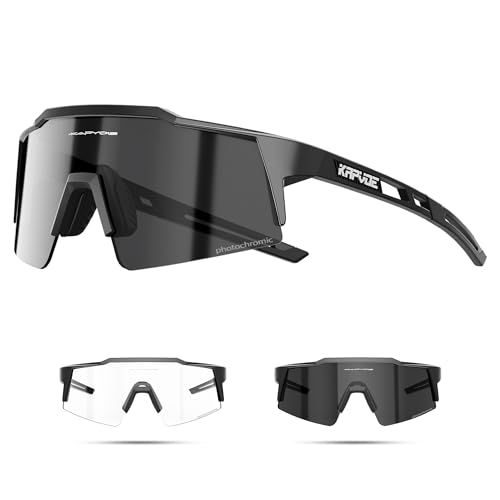
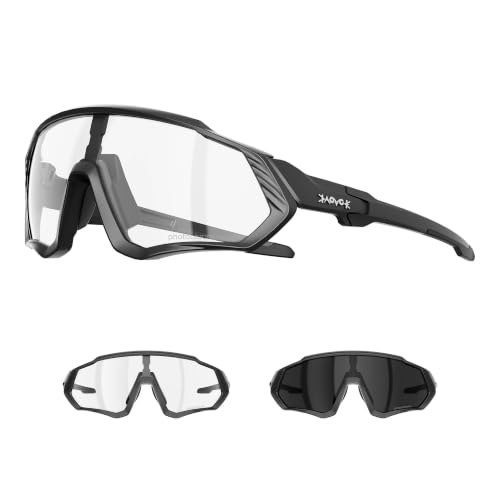


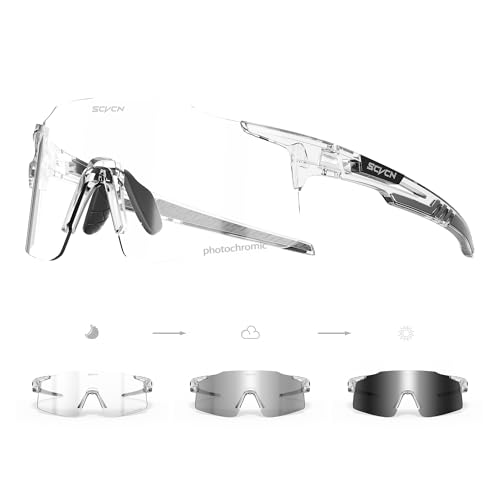
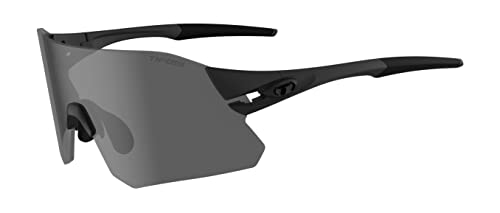
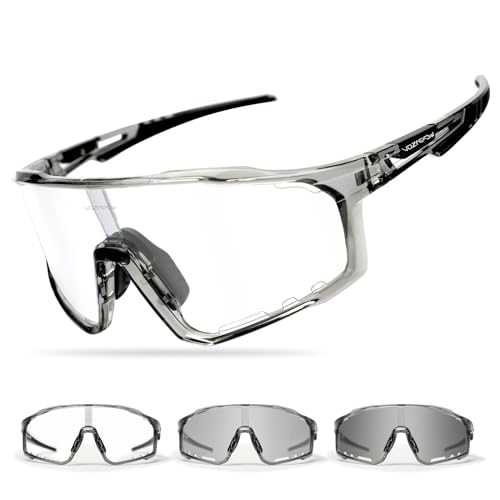
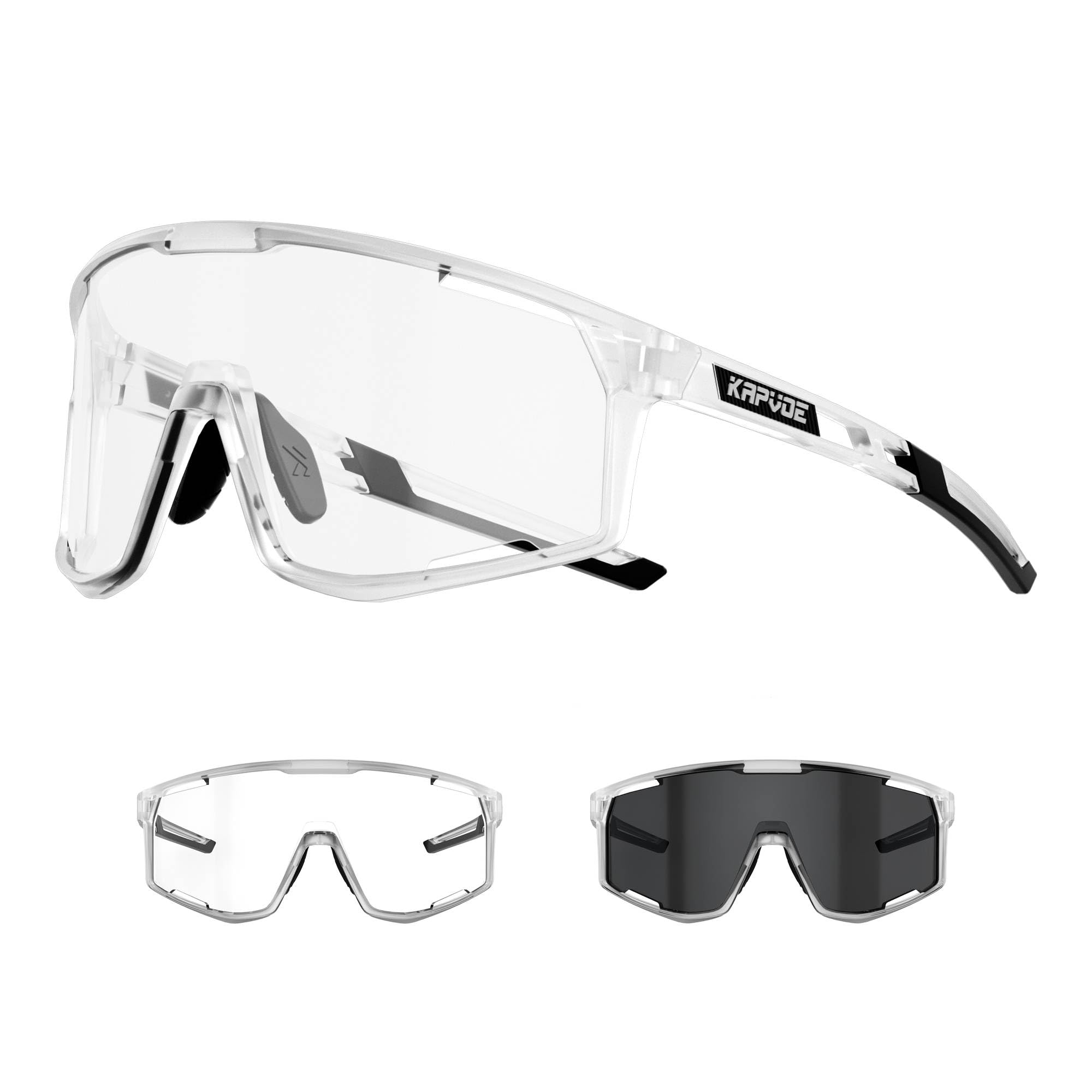
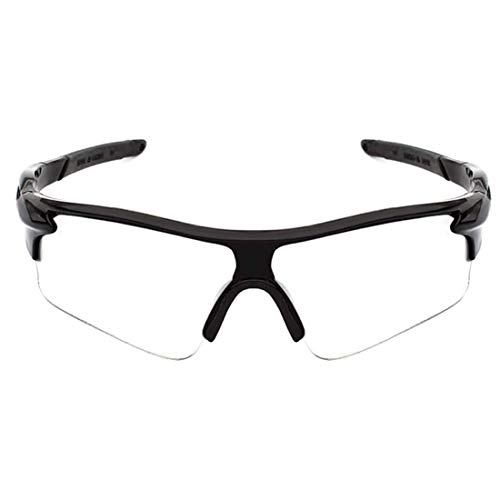
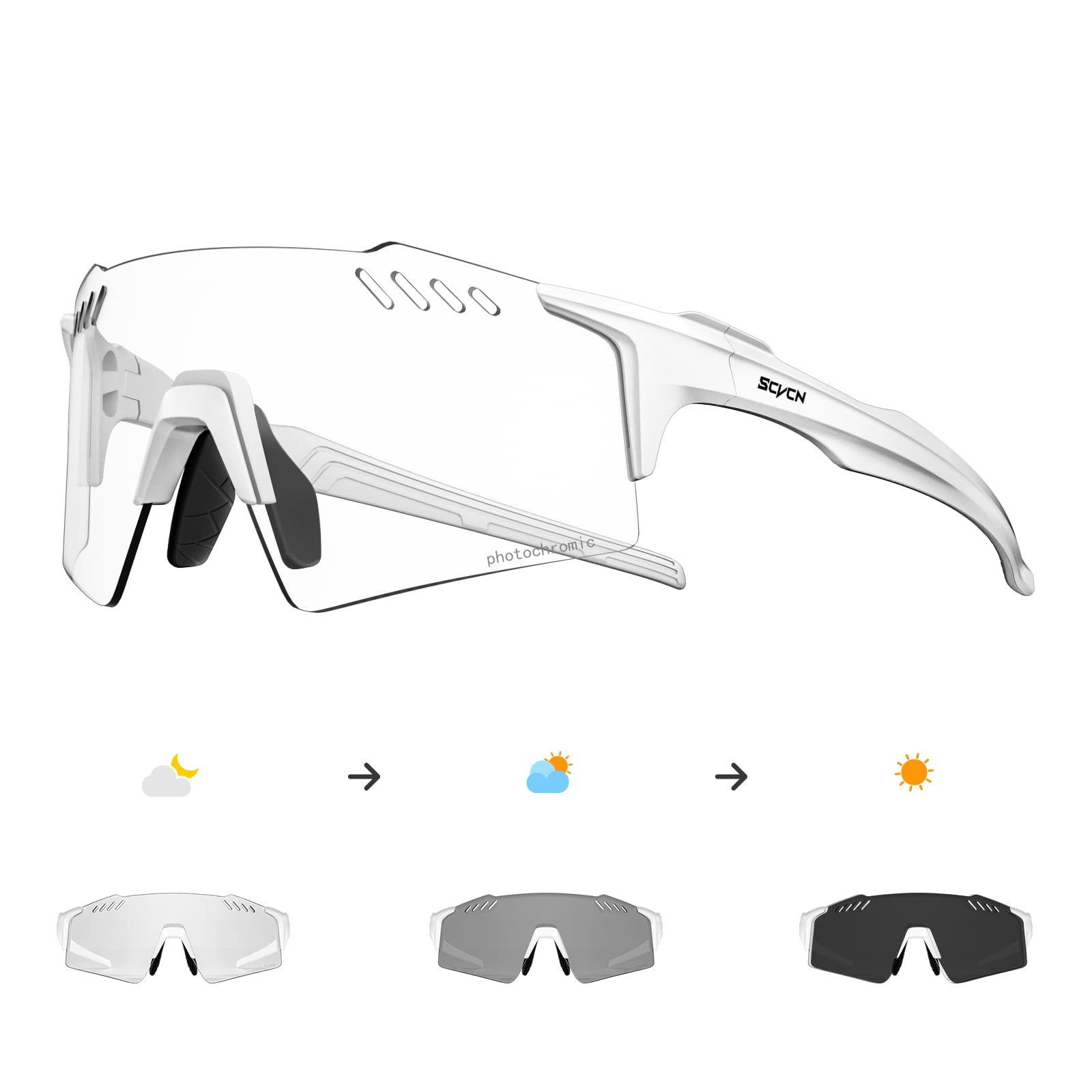
Who Should Buy Clear Mountain Bike Glasses?
Clear lenses are a tool for low light, not a compromise for riders who forgot their sunglasses. The groups below get the most from them.
Riders on Shaded and Wooded Trails
If most of your riding happens under trees, a dark tint steals the contrast you need to read the trail. Clear lenses keep shadows readable, so you can spot wet roots, loose rocks, and off camber sections a moment earlier. Riders who chase descending lines in the woods, the kind of terrain covered in our guide to the best all mountain mountain bike, benefit most, because their eyes move between bright clearings and dark singletrack within seconds.
Dawn, Dusk, and Night Riders
Early starts, after work laps, and night rides all share one problem: there is simply not much light to begin with. A clear lens passes close to all of it, which keeps your depth perception honest when a headlamp or fading daylight is doing the work. If you regularly finish rides in the dark, clear glasses are not an extra. They are the pair that should live in your pack full time.
Riders Who Need Vision Correction
If you ride in contact lenses, clear glasses protect your eyes from the wind and dust that dry contacts out on descents. If you wear everyday spectacles, look for frames with room for an insert or a fit that sits comfortably over slim frames, and compare the options in our guide to the best prescription mountain bike glasses before you buy. Either way, your correction only helps if the riding glasses stay put, so fit matters as much as the lens itself.
Key Features to Compare
Five factors separate a clear lens you trust at speed from one you leave in the car. Compare each one as you work through the product table above.
Lens Clarity and Light Transmission
Clear lenses are usually rated by visible light transmission, often shortened to VLT. A true clear lens for riding typically lets through about 80 to 95 percent of light, which is why it works in near darkness. Just as important is optical quality: a cheap lens can distort your view at the edges, which blurs your sense of where the trail edge sits. Look through the lens toward a straight line, such as a door frame, and move it slowly. If the line bends or swims, the optics are poor, whatever the price. Photochromic lenses that start clear and darken in bright sun are a popular way to get that low light clarity in a single pair, as long as the clear state passes most of the light.
Impact Protection and Lens Material
Your glasses are the last barrier between your eyes and a kicked up stone or a low branch. Most quality riding lenses are made from polycarbonate, a light material that resists shattering and absorbs impact instead of cracking into sharp pieces. Check the listing for a stated impact standard, such as ANSI Z87.1, rather than vague claims about toughness. A slightly thicker lens in a full frame generally protects better than a minimal frameless design, though the frameless style gives a wider view, which some riders prefer.
Ventilation and Fog Control
A clear lens that fogs is worse than no lens at all, because you lose the trail at the exact moment a slow climb heats up your face. Vent holes along the top of the lens, a gap between lens and frame, and an anti fog coating all help move moist air away. Coatings wear off over time, so airflow built into the frame matters more in the long run. If fogging is your main frustration, our guide to the best anti fog mountain bike glasses compares designs built around that problem.
Frame Fit and Helmet Compatibility
The best lens in the world is useless if the frame fights your helmet. Temple arms should slide under your helmet straps and sit flat without pressing into the sides of your head, and the top of the frame should clear the helmet brow without leaving a gap that funnels wind into your eyes. If you can, try glasses on while wearing your own helmet. Pressure points that feel minor in a shop become a headache an hour into a ride, and a frame that the helmet pushes down will rest on your cheekbones instead of your nose.
Grip at the Nose and Temples
Riding glasses move when you sweat, look down at the trail, or take a drop. Rubber nose pads and rubber tips on the temple arms are what stop that slow slide, and the grip usually improves as the rubber warms and gets damp. Adjustable nose pads help if your nose bridge is narrow or low, because you can set the lens height so your lashes clear the lens and airflow reaches the top vents. Straight temple arms tend to work better with helmets than hooked arms, which can clash with retention systems at the back of the helmet.
How to Check Fit Before You Commit
Fit is personal, and measurements on a product page only tell part of the story. Start with lens coverage: the lens should wrap far enough to block wind and debris from the sides without the frame edge sitting inside your view when you look down the trail. Check your lower view too, because you read the ground close to your front wheel through the bottom of the lens.
Next, do the movement check. Shake your head side to side, look down and up quickly, and jog in place for a few seconds. The glasses should stay where you put them without pinching. Finally, check the gap at your cheeks: a lens that touches your cheeks will fog faster and will bounce when you ride over rough ground. A small gap with good top vents is the combination that keeps clear lenses clear.
Quick Buyer Checklist
Run through these questions before you order. A pair worth buying should score a yes on nearly all of them.
- Does the lens pass about 80 to 95 percent of light, so it truly suits low light riding?
- Is the lens polycarbonate with a stated impact standard rather than a vague toughness claim?
- Does the frame have real vents or a lens gap, not just an anti fog coating?
- Do the temple arms sit flat under your helmet straps without pressing on your head?
- Do rubber nose pads and temple tips keep the glasses still when you shake your head?
- Does the lens cover your side view without the frame edge blocking your downward view?
- Does the pair come with a hard case and a soft cleaning pouch for storage between rides?
Red Flags to Watch For
Some listings look complete until you read them closely. Watch for these warning signs as you compare options in the product table above.
- No light transmission figure at all, which often means the lens is lightly tinted rather than truly clear.
- No named impact standard, only marketing words such as strong, tough, or unbreakable.
- A single fixed nose piece on a frame sold as fitting every face, which rarely suits narrow or low nose bridges.
- No vents and no mention of fog control on a full frame design that seals against the face.
- A warranty of only a few weeks, which suggests the maker does not expect the hinges or coating to last.
Common Mistakes to Avoid
- Buying a lightly tinted lens for night riding, so you lose the contrast you bought clear glasses to keep.
- Choosing the largest lens for coverage without checking helmet fit, so the helmet pushes the frame down all ride.
- Wiping a muddy lens dry on the trail, so grit grinds scratches into the surface.
- Judging fog control on a dry day indoors, so the pair fogs on your first cold, damp climb.
- Skipping a retention check and losing the glasses on the first rough descent when they bounce off your nose.
How to Make Your Clear Mountain Bike Glasses Last Longer
Clear lenses show every scratch, and scratches scatter light, which is exactly what you cannot afford in low light. Rinse mud and grit off under plain water before you touch the lens, then wash with a drop of mild soap, rinse again, and pat dry with a clean microfiber cloth. Never use paper towels or a jersey, because both can drag grit across the surface.
Store the glasses in their hard case, not loose in your pack or on the car dashboard, where heat can warp the frame and degrade coatings. Keep sunscreen and insect spray away from the lens, since the chemicals in both can cloud coatings over time. Check the nose pads and temple rubber every few months, replace worn pads when they lose their grip, and rinse sweat off the frame after rides so salt does not stiffen the rubber.
Frequently Asked Questions
Are clear mountain bike glasses good for night riding?
Yes, the best clear mountain bike glasses are the right choice for night riding because they pass nearly all available light while still blocking wind, insects, and trail debris. Pair them with a bright helmet or bar light, since the glasses protect your eyes but do not add light. Riders who find plain clear lenses flat at night sometimes prefer a very light yellow tint, which can add a touch of contrast under artificial light.
Do clear mountain bike glasses block UV light?
Most clear mountain bike glasses do block UV light, because polycarbonate naturally filters nearly all ultraviolet rays even without a tint. Tint controls visible brightness, not UV protection, so a clear lens is not an unprotected lens. Still, check the listing for a stated UV400 rating before you buy, since a clear claim in writing is better than an assumption, especially for long rides at altitude where UV exposure is stronger.
How do I stop clear mountain bike glasses from fogging on climbs?
The fastest fix is airflow: lift the glasses slightly off your face or drop them to the tip of your nose on slow climbs, then push them back up for the descent. Riding with the top vents clear of your helmet brow also helps more than most riders expect. If fogging happens on every ride, a strap that holds the frame a few millimeters off your face can keep air moving without letting the glasses bounce.
Can I wear clear mountain bike glasses over my everyday spectacles?
Some wide frames fit over slim spectacles, but most riding glasses are not designed as over glasses, and wearing two frames usually causes pressure at the temples and fogging between the lenses. A clip in prescription insert made for the frame is the cleaner solution, because it keeps a single lens surface in the airflow. Whatever route you take, try the combination with your helmet on, since straps and retention dials change how both frames sit.
When should clear mountain bike glasses be replaced?
Replace clear mountain bike glasses when scratches sit in your central view and scatter light, when the frame cracks near a hinge, or when the nose pads and temple rubber no longer hold the glasses in place. A lens that has taken a direct stone strike should be retired even if it looks intact, because small cracks can spread under stress. As a rough guide, a well cared for pair lasts several seasons, which is why the best mountain bike glasses for your budget are often the ones you protect in a case.
Final Thoughts
Choosing clear glasses comes down to three things: a lens that passes nearly all the light with clean optics, real impact protection for the moments debris finds you, and a fit that stays put under your helmet without fogging on climbs. Check the pairs in the product table above against the checklist in this guide, and favor the pair that answers your own riding, whether that is dark woods, dawn starts, or winter evenings. Get those basics right and the best clear mountain bike glasses stop being a guess and become simple eye protection you forget you are wearing.


