
Best Anti Fog Mountain Bike Glasses: 2026 Checklist for Clear Trail Vision
Disclosure: We may earn a commission when you buy through links on this page, at no extra cost to you. As an Amazon Associate I earn from qualifying purchases. Learn more
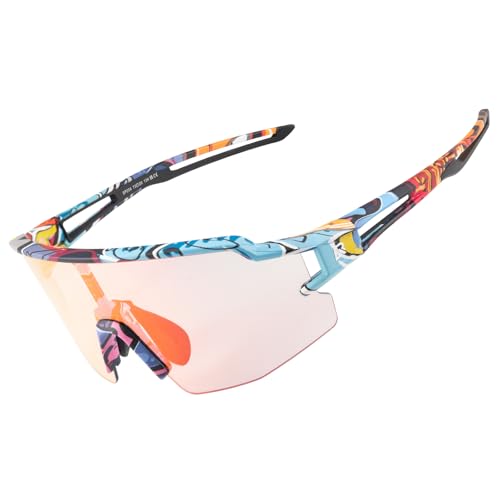
Find anti fog mountain bike glasses that stay clear on climbs, with notes on venting, lens tint, helmet fit, coverage and safe care for lenses.
Fog builds at the worst moment on a trail, usually on a slow climb when you are breathing hard and the air is still. The best anti fog mountain bike glasses keep your view clear through that effort, then stay put when the descent speeds up. This guide explains how fog prevention works, so you can read the comparison table below with clear priorities.
Start with your usual conditions. Humid woods, cold dawn starts and bright open ridges each fog a lens in a different way. Your helmet shape and sweat rate matter too.

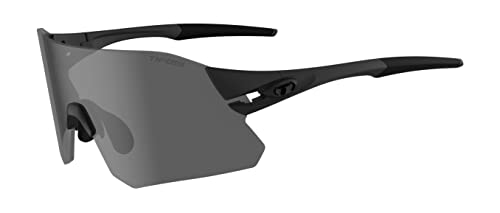
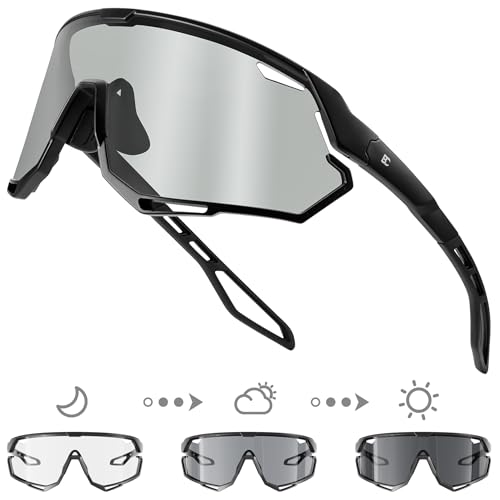

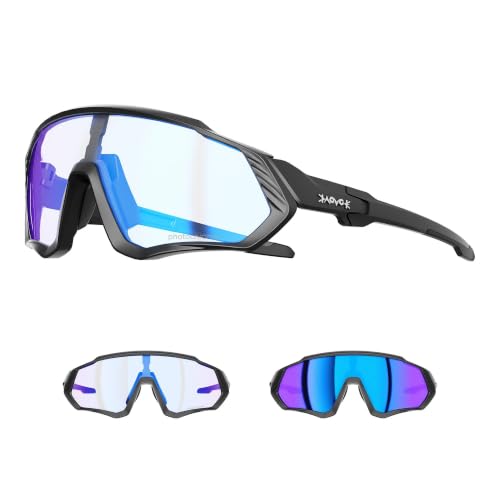
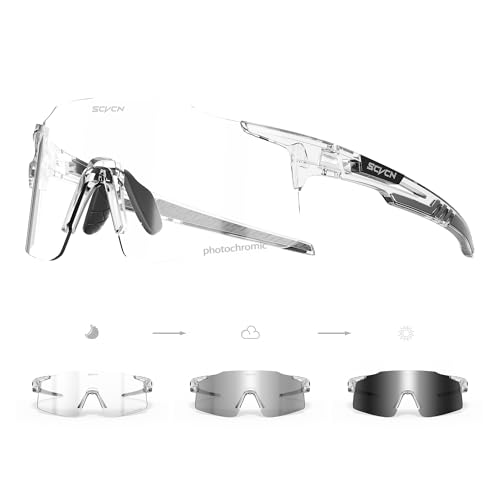
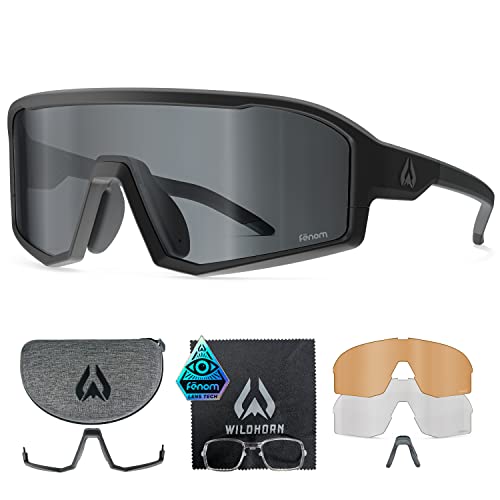
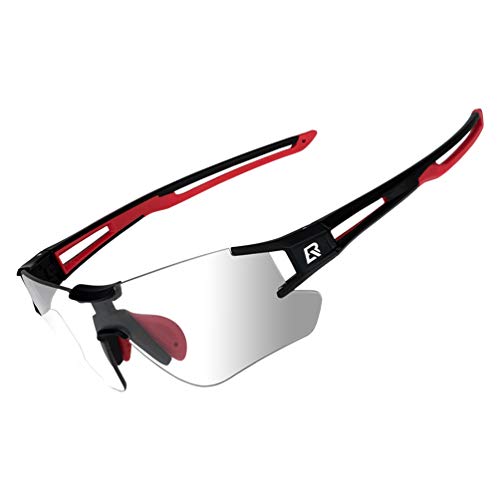
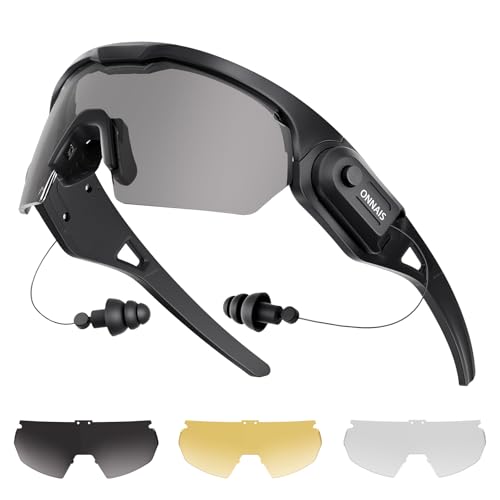
Who Should Buy Anti Fog Glasses for Mountain Biking?
Anti fog design matters most when warm breath and sweat meet cool air and slow movement. The groups below show which features deserve your money first.
Riders in Humid Woods and Warm Valleys
You ride where the air feels damp, and tree cover keeps breezes away on the climbs. Moisture from your face has nowhere to go, so a basic lens can cloud within minutes. Prioritize strong venting and a frame that holds the lens off your cheeks.
Riders Who Climb Slowly and Descend Fast
You spend long minutes at walking pace on the way up, then need full vision the instant the trail points down. Your glasses must clear fog with little airflow, yet grip firmly at speed. Look for vents that work while you move slowly and temple arms that hold without pinching.
Riders Who Start in Cold Air and Finish in Sun
You leave the trailhead in cold morning air, often wearing extra layers that trap warm breath near your face. Fog forms fastest in those first miles. Choose a coating made for sharp changes in temperature and a frame with room for air behind the lens.
Key Features to Compare
When you compare the best anti fog mountain bike glasses side by side, work through these factors in order.
How Fog Prevention Works on the Lens
Most models fight fog in three ways, and many combine two of them. A surface coating spreads moisture into a thin, clear film instead of droplets. Vents in the frame or lens edge let outside air sweep the inner surface dry. A dual layer lens keeps the inner pane warmer and slows condensation. Coatings cost least, vents never wear out, and dual layer designs suit cold starts but feel larger.
Vent Placement and Airflow at Low Speed
Where the vents sit matters as much as how many there are. Openings high on the lens release warm air rising from your face, while gaps at the lower edge let cooler air enter. On a slow climb you generate little wind, so a frame that stands off your brow and cheeks keeps a channel open.
Lens Tint and Light Transmission
Tint decides how much light reaches your eyes, and trail light changes fast. A clear lens passes nearly all light and suits deep shade and overcast days. A medium tint with a brown or rose base can sharpen contrast on dirt and roots in mixed sun. Dark tints suit bright, open terrain but leave you guessing in the trees.
Coverage and Impact Protection
A trail lens should wrap far enough to block grit, branches and stones kicked up by the rider ahead. Taller lenses protect the lower eye area, where dust swirls up. Look for shatter resistant lens material and a stated impact standard, rather than vague claims about toughness. If debris leaves you with eye pain, lasting redness or any change in vision, stop riding and seek medical care promptly, and talk with a clinician about eye protection for your own needs.
Fit With Your Helmet and Your Face Shape
Bring your helmet to the fitting if you can, because temple arms and helmet straps compete for the same space above your ears. Arms should sit with the straps without lifting the glasses or pressing. The frame should block wind at the sides, yet leave the small air gap at the brow that venting needs. Wide faces need a frame that does not squeeze, since pressure can push the lens into fog prone contact with your cheeks.
Nose Piece and Temple Grip When You Sweat
Grip decides whether clear vision stays in front of your eyes on a rough descent. An adjustable nose piece lets you raise or lower the lens, which also changes the air passing beneath it. Rubber on the nose and temple tips should feel tacky when wet, not slick, because sweat is exactly when you need hold most. If you sweat heavily, choose deep nose pads and temple arms that hook behind your ears.
Lens Types Compared for Trail Conditions
With fit and fog prevention settled, choose the lens type that matches the light you ride in most often.
Clear lenses are the baseline for dark woods and dawn starts. If most of your rides happen in shade or low light, see our guide to the best clear mountain bike glasses for models built around that single job. Tinted lenses cut glare on open ground, but a dark tint will hide roots in shadow.
Photochromic lenses darken in sun and lighten in shade without any swap at the trailhead. They suit rides between forest and open ridge, though they change over minutes rather than seconds. If that convenience appeals to you, see our guide to the best photochromic mountain bike glasses for how the light range differs between models.
Riders who need vision correction have two main routes. Some frames accept an insert that holds prescription lenses behind the main lens, while others are built to be glazed directly. Inserts cost less, but they add another surface that can fog. For frames designed around correction, see our guide to the best prescription mountain bike glasses before you order.
Final Checks Before You Buy Trail Glasses
Run through these questions before you order. A no answer points to the section above that explains that factor.
- Does the fog prevention method suit your climate, coating, venting or dual layer?
- Do vents sit high and low, so air can move while you climb slowly?
- Does the lens stand slightly off your cheeks and brow?
- Does the tint match the light on most of your trails?
- Can you fit a spare lens for dark starts or bright days?
- Do the temple arms sit comfortably with your helmet straps in place?
- Does the nose piece adjust, and does the grip feel secure when wet?
- Is the price in range, with simple models around $30 to $60 and models with spare lenses about $60 to $150?
Common Mistakes to Avoid
- Buying the darkest tint for shaded woods leaves roots and wet rocks hidden in shadow.
- Wiping a dry, dusty lens grinds grit across the coating and leaves fine scratches.
- Choosing a frame that seals tight against your cheeks traps warm air and speeds up fogging.
- Storing wet glasses in a closed case lets moisture sit on the coating and shortens its life.
- Ignoring helmet fit means the glasses shift on every descent.
- Paying for a dual layer lens for warm summer trails adds bulk you never benefit from.
Care and Maintenance for Anti Fog Lenses
The coating that keeps your lens clear is thin, and rough handling is the main reason it stops working. Rinse loose grit off with clean water before you touch the surface, then wash with mild soap and water if the lens is greasy. Pat dry with a soft microfiber cloth rather than rubbing, and never use a jersey or a paper towel.
Let the glasses dry fully in open air after a wet or sweaty ride before they go back in a case. Store them away from heat, since a hot car can age coatings and warp frames. Check nose pads for cracks every few weeks, and replace worn pads when grip fades.
FAQ
Why do mountain bike glasses fog up on climbs but stay clear on descents?
They fog on climbs because slow movement gives you almost no wind while your breathing and sweat peak. On a descent, speed pushes air through the vents and dries the inner lens before moisture gathers. One trick for long climbs is to pull the glasses slightly down your nose for a minute, which opens a wider air gap.
Can anti fog mountain bike glasses be worn with a full face helmet?
Yes, anti fog mountain bike glasses can be worn with a full face helmet, as long as the frame clears the cheek padding. Slim temple arms fit best, because thick arms get pushed down by the pads and tilt the lens. Some riders switch to goggles for full face use, but glasses run cooler on pedaling sections.
What should I do if mountain bike glasses fog up in the middle of a ride?
Stop in a safe spot, lift the glasses off your face for half a minute, and let air reach the inner lens. Wiping while you ride risks a crash and can smear moisture into a worse film. If fog returns at once, lower the glasses a little on your nose to open the air channel, and save a full wash for home.
Do spare lenses matter for mountain bike glasses used all year?
Yes, spare lenses matter if you ride through the year, because one tint rarely suits both summer glare and dark winter woods. A clear spare covers early starts, and a darker spare covers bright ground. Check how the lens swaps before you buy, since some frames need firm pressure that is awkward with cold hands.
How long does the anti fog coating on mountain bike glasses usually last?
The coating usually lasts one to three seasons of regular riding, depending on how you clean and store the lenses. Heat, sunscreen and harsh sprays shorten that life, so keep chemicals off the inner surface. When a coating fades, the lens is still usable on dry, windy days. Treat fading as a sign to plan a replacement rather than scrubbing harder.
Final Thoughts
Put fog prevention first, then match tint to your light and fit to your helmet and face. Use the product table above to compare lens options, coverage and price.
Chosen that way, the best anti fog mountain bike glasses become a simple part of your kit: clear on the climb, steady on the descent, and easy to forget you are wearing.


