
Best Clear Ice Countertop Ice Maker: Picks That Fit Real Homes for 2026
Disclosure: We may earn a commission when you buy through links on this page, at no extra cost to you. As an Amazon Associate I earn from qualifying purchases. Learn more

The best clear ice countertop ice maker for your home depends on counter space, daily output and cleaning: compare types, sizes, power use and budgets.
Picture a Saturday evening when friends are coming for drinks and your freezer tray holds only a few cloudy cubes. A clear ice machine on the counter solves that gap without a remodel or a plumber. Choosing the best clear ice countertop ice maker comes down to your counter space, how many people you serve, and how much upkeep you will accept each week.
This guide walks through types, sizes, power use, and budgets in plain terms. Use the comparison table below to line up the main options side by side as you read.


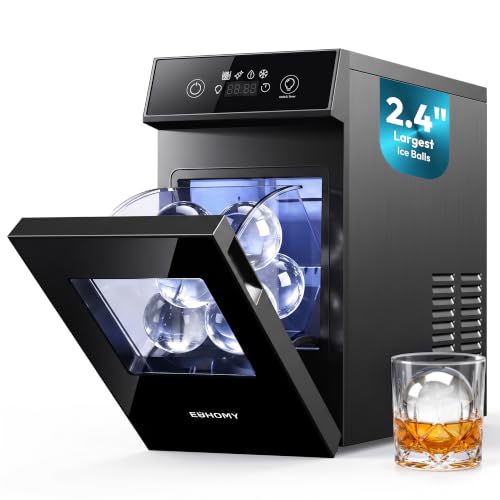


Quick Answer: The Main Choices in 30 Seconds
If you mainly want clear cubes for drinks, look for a model built around clear ice rather than a standard bullet machine. Check daily output against your busiest day, not your average day. Then confirm the footprint, height with the lid open, and drainage.
Households that host often need more storage and faster recovery between batches. Smaller homes often do better with a compact unit they will actually leave out and use daily.
Before You Buy: A Quick Checklist for Choosing a Countertop Ice Maker
Clear ice looks different for a reason. Most cloudy cubes freeze from the outside in and trap air and minerals in the center. Clear ice methods freeze water in layers or in one direction, pushing air aside so the cube stays transparent and dense.
Which Type Fits Your Routine
Clear ice machines make solid cubes or blocks that melt slowly in a glass, which suits cocktails, iced coffee, and spirits served over ice. Bullet ice forms fast and works for coolers and blended drinks, but it melts sooner. Nugget ice is soft and chewable, and many people love it for sodas and water bottles. If you are torn between chewable and bullet styles, our guide to nugget vs bullet ice explains the texture and melt differences in detail.
Portable models use a refill tank and move easily between kitchen, patio, and spare room. Plumbed models need a water line and suit a fixed spot with heavy daily use. Most clear ice buyers fit in the portable group, since the appeal is simple setup with no permanent install.
Features Worth It and Ones to Skip
A self cleaning cycle is worth paying for if you will run it as directed, since it reaches lines you cannot scrub by hand. If that feature matters most, see our guide to the best countertop ice maker with self cleaning for what the cycle can and cannot do. A clear viewing window, a scoop holder, and alerts for low water and full bin also help daily use.
A built in water dispenser sounds handy, but it adds parts to clean and space you may not have. Extra drink presets and decorative lights rarely change ice quality. Spend first on output, insulation, and a bin that keeps cubes from melting into a solid lump.
Wattage, Power and Energy Use
Most countertop models plug into a standard kitchen outlet and draw modest power while freezing, then idle or shut off when the bin is full. Running cost depends on how many hours the compressor works each day, your local rate, and how often warm air rushes in when you open the lid. For a closer look at running costs, read how much electricity does a countertop ice maker use before you plan to run a unit around the clock.
To keep use sensible, make ice ahead for a party and store it in the freezer instead of running the machine nonstop for days. Place the unit away from the oven and direct sun, with room around vents for air flow.
Safety Features and Certifications
Look for a listing mark from UL or ETL on the label and in the manual, which shows the appliance met recognized safety requirements for home use. Auto shutoff when the bin is full or the tank is empty protects the pump and motor from strain. Stable feet, a grounded plug, and a lid that closes firmly also matter in busy kitchens.
Keep the cord clear of hot surfaces and never use the machine with a damaged plug or frayed cord. Use only potable water, and empty standing water if the unit will sit unused. If a unit trips a breaker more than once, stop using it and contact the maker or a qualified electrician.
Counter Space and Dimensions
Measure width, depth, and height, then add the extra height needed to lift the lid and scoop ice without hitting upper cabinets. Leave a few inches behind and beside the vents so warm air can escape. Also check the path from sink to machine, since you will carry water or a removable tank across that space often.
Weight matters more than many buyers expect. A filled tank and a full bin add a lot to the dry weight listed online. If you plan to store the unit in a pantry between parties, confirm you can lift it safely and that the shelf is level and sturdy.
Realistic Budget Ranges
At about $100 to $200, expect basic bullet models and a few compact clear ice options with modest daily output and manual cleaning. At about $200 to $300, output rises, bins hold more, and insulation and controls usually improve. This is the range where many clear ice models for home drinks sit, with better cube clarity and slower melt.
At about $300 to $500, you pay for larger capacity, faster cycles, stronger insulation, and features such as self cleaning and better drainage. Match the tier to your busiest week, not to a single holiday, so you do not buy capacity you rarely use.
Types Compared: Three Ways to Set Up Clear Ice at Home
Instead of chasing a single winner, think in three setups. A compact clear ice unit suits one or two people who want a few clear cubes each evening and have limited counter room. It makes smaller batches, so you may freeze cubes ahead in bags for guests. The benefit is a small footprint and lower cost, with less water to empty and clean.
A mid size family unit suits homes that fill pitchers, water bottles, and drink glasses through the day. Storage is larger and recovery between batches is faster. If you want a broader view, our guide to the best countertop ice maker covers the wider category beyond clear ice alone.
A high output entertaining unit suits hosts who serve a crowd most weekends. It focuses on volume, insulation, and easy draining after a long evening. The trade off is size, weight, and price. Choose this setup only if your gathering routine is regular.
How We Narrow Down the Best Clear Ice Countertop Ice Maker Options
We compare models on daily output, storage size, cube clarity and size, ease of use, cleaning steps, noise, safety listings, and warranty terms, drawing on maker specifications and patterns in verified buyer feedback about clarity, leaks, and upkeep.
Fit with real homes weighs most heavily. A model scores well here if it suits common cabinet heights, serves a clear household size, and stays simple to clean week after week.
What We Like and What We Do Not About Clear Ice Versus Other Countertop Ice Makers
Clear ice melts more slowly than cloudy freezer cubes of the same size, so drinks dilute less and taste stays steadier to the last sip. The cubes also look clean in a glass, which matters for hosts who care about presentation.
The downsides are speed and effort. Clear ice takes longer to form than thin bullet shapes, and many models ask you to move finished cubes to the freezer so the next batch can start. Some units make a block you separate into cubes, which adds a small step.
Cost is the other trade off. Clear ice hardware costs more than a basic bullet machine with similar daily output, and filters or descaling supplies add to ownership. For many drink lovers the slower melt justifies the price, while families who mainly fill coolers may get more value from a faster style.
Common Buying Mistakes to Avoid
- Buying by daily output alone and ignoring bin size, so the machine pauses with nowhere to put new ice during a party.
- Measuring only the counter footprint and forgetting lid clearance, so the top hits a cabinet every time you scoop.
- Using hard tap water for months without descaling, so mineral scale clouds the ice and strains the pump.
- Expecting clear ice to form as fast as bullet ice, then feeling let down by longer cycle times that are normal for this type.
- Leaving melt water sitting in the bin overnight, so cubes fuse together and the next batch tastes stale.
Cost of Ownership and Care
Running costs stay modest for most homes, but supplies add up over time. You may buy distilled or filtered water for clearer cubes, plus a descaling solution if the maker allows it. Replacement filters apply only to models that use them, so check that cost before you commit.
For routine care, drain the unit, wipe the bin and scoop, and run the cleaning cycle on the schedule in the manual. Our step by step guide on how to clean a countertop ice maker covers the full routine, including drying before storage. Dry parts fully before you store the machine, since trapped moisture leads to odors that later batches absorb.
If you travel or host only in summer, store the unit clean, dry, and upright with the lid ajar. When you restart it, discard the first batch or two, which clears any stale taste from lines that sat empty.
Your Questions, Answered
How do you clean a countertop ice maker between deep cleans?
Wipe the bin, lid, and scoop with a soft cloth after heavy use, and drain melt water daily so it does not sit and develop odor. Wash the scoop with warm soapy water and let it dry outside the bin rather than storing it wet on top of ice. These small habits stretch the time between full descaling cycles and keep flavor clean, especially if your tap water is hard.
Is a countertop ice maker worth it for a small household?
It can be, if you buy drinks ice often, dislike refilling trays, or host even once a month. A small household uses less ice, so a compact model with modest output is usually enough. If your freezer already keeps up and you rarely serve cold drinks, the counter space may be worth more than the machine.
How long does a countertop ice maker last?
Many home units serve for several years when you descale on schedule, keep vents clear, and avoid running them with an empty tank. Heavy daily use, hard water, and storage while still wet shorten that span. Treat the warranty length and the ease of getting replacement parts as useful clues, and keep proof of purchase in case a pump or fan fails while cover is still active.
Are clear ice countertop ice makers worth it?
They are worth it if you notice dilution and care how drinks look and taste over twenty to thirty minutes. Clear dense cubes hold their shape and chill steadily, which suits spirits, cocktails, and iced coffee. They are less compelling if your ice goes mainly into blenders, coolers, or kids cups where melt speed hardly matters. In that case a faster bullet or nugget model often gives better value.
Can you take a clear ice countertop ice maker on a trip?
Yes, if the model is portable, sits level in the vehicle while parked, and has access to a standard outlet at your destination. Empty the tank before moving it and let it stand upright for a while before restarting, as manuals often advise after transport. For travel focused options and size checks, see our guide to the best portable countertop ice maker before you pack.
Final Thoughts
Start with cube style, then size the output and bin to your busiest normal day, and finally check cleaning and counter fit. When those pieces line up, the best clear ice countertop ice maker for your home becomes an easy daily helper. Review the product table above once more and choose the setup you will happily clean and use each week.


