Best Car Cleaning Towels Made Simple: A Clear Buying Guide for 2026
Disclosure: We may earn a commission when you buy through links on this page, at no extra cost to you. As an Amazon Associate I earn from qualifying purchases. Learn more

Learn how to choose car cleaning towels by material, GSM, size, and care, so you pick the right towel for paint, glass, and interior jobs every time.
Shopping for best car cleaning towels can feel confusing at first, because towels that look alike can behave very differently on paint, glass, and interior trim. This guide starts with the basics, then explains the specs that matter in plain language, so you can match a towel to each cleaning job. The comparison table below gives you a quick side by side look at towel types before you read the details.
A good cleaning kit is not one giant towel for everything. It is a small set of towels with different sizes, thicknesses, and edges, each kept for a separate job. Once you understand GSM, material, and care, choosing becomes much simpler.






Car Cleaning Towels 101: The Basics
A car cleaning towel is a soft cloth made to lift dirt, absorb water, and wipe surfaces without scratching paint or leaving heavy lint behind. Most are made from microfiber, a blend of polyester and polyamide split into very fine fibers that trap dust and hold several times their weight in water. Cotton towels also appear in car care, but they tend to hold less water per ounce and can leave more lint on dark paint and glass.
Three terms show up on almost every label. GSM means grams per square meter, and it tells you how dense and plush a towel feels. Absorbency describes how much water a towel can hold before it starts pushing water around instead of lifting it. Edging describes the border, which may be stitched, bound, or left without a hard seam, and a rough edge is one of the most common causes of fine marks on paint.
Size matters more than many first time buyers expect. A small towel works well for door jambs, mirrors, and interior trim, while a large towel covers a hood or roof in fewer passes. Thickness matters too, because a very thick towel can be hard to wring out and slow to dry, while a very thin towel may need frequent wringing during a full wash.
Key Specs Explained in Plain English
Material and Construction
Microfiber dominates car cleaning because its split fibers create a large surface area that grabs dust instead of dragging it across paint. Look for a blend described as roughly 70 percent polyester and 30 percent polyamide for a soft, absorbent towel, or an 80 to 20 blend for a slightly firmer towel that still feels gentle. Cotton towels, including Turkish cotton styles, feel familiar and soft, but they absorb more slowly and may shed fibers on glass, so keep them for interior dusting or door jambs rather than final paint wiping.
Performance and Absorbency
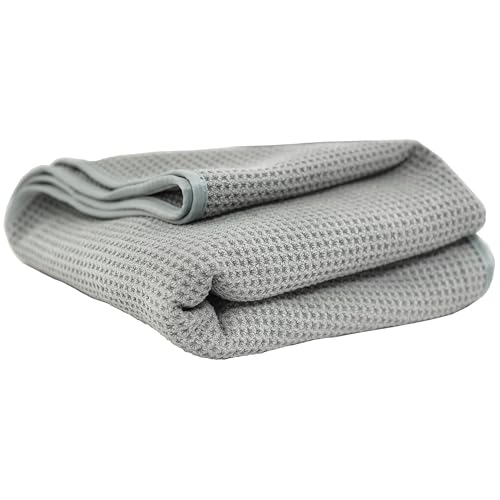
Absorbency is the most useful performance measure for a cleaning towel, and it depends on fiber type, GSM, and weave. A waffle weave towel has pockets that hold water well and works nicely for drying, while a plush pile towel has long fibers that lift dust and polish residue gently. A flat weave towel feels smooth and thin, which makes it a strong choice for glass, because it leaves fewer fibers and streaks behind.
For streak free glass, see our guide to best towels for cleaning car windows.
Durability and Care
A durable towel keeps its softness, shape, and absorbency after many washes, while a weak towel goes stiff, thin, or rough at the edges. Check that stitching looks even and tight, and avoid towels with hard tags or stiff labels sewn into a corner that will touch paint. Wash towels separately from cotton laundry, skip fabric softener, and dry on low heat, because softener coats fibers and heat can melt fine microfiber tips. With that care, a good set often lasts through many seasons of regular washing.
Certifications and Safety Labels
Labels such as OEKO TEX mean the textile was checked for certain harmful substances, which is a useful reassurance for towels you will handle often and use inside a car. It does not by itself prove that a towel is soft, absorbent, or safe for paint, so treat it as a bonus rather than a buying shortcut. For interior use, also check that a towel has no rough trim, buttons, or stiff seams that could mark screens, piano black trim, or soft leather. A simple, clean edge is often the safest choice for delicate surfaces.
Comfort and Feel
Feel tells you a lot about how a towel will behave during a long cleaning session. A plush towel feels cushioned in the hand and glides easily, which helps when you are wiping a large panel or buffing off a spray product. A lighter towel feels easier to fold, wring, and control around mirrors and badges, and it dries faster between jobs. If a towel feels scratchy, stiff, or papery when dry, it will probably feel worse when damp, so set it aside for wheels or door jambs rather than paint.
Size and Fit
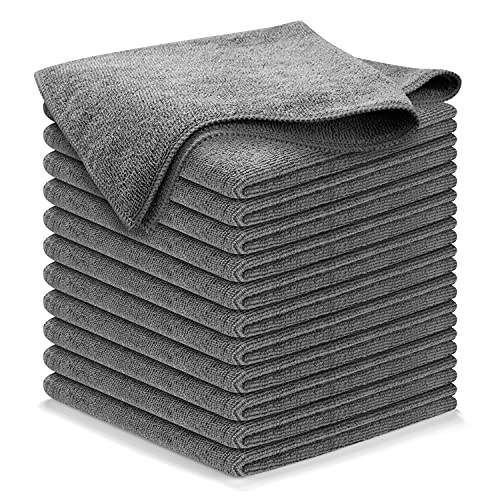
Common car towels range from about 12 by 12 inches for detail work to about 24 by 36 inches for drying large panels. A mid size towel around 16 by 16 inches is a versatile starting point, because it folds into a handy pad, fits in one hand, and still covers a door panel in a few passes. For a full car, plan on several towels rather than one oversize towel, since a fresh face matters more than a huge towel once the first face gets dirty. Keep sizes consistent in your kit so folding and storage stay simple.
For a broader look at car cloth, see our guide to best car towels.
Choosing Car Cleaning Towels for Your Situation
Start by listing the jobs you actually do. A weekly wash needs drying towels and a glass towel, while a full detail needs extra towels for polish removal, interior wiping, and door jambs. People who wash in a driveway may want larger drying towels and a spare set, while apartment dwellers who use a rinseless wash may prefer compact towels that store neatly and dry quickly. Matching towels to jobs keeps dirty towels away from clean paint and reduces the chance of dragging grit across a panel.
For interior surfaces, see our guide to best towels for cleaning car interior.
Best Towels for Car Cleaning
The phrase best towels for car cleaning really means the right towel for each step, not one towel for every step. For drying, choose a large, absorbent waffle weave or twist pile towel that holds water without frequent wringing.
For glass, choose a flat weave towel that leaves little lint. For interior trim, choose a medium plush towel that traps dust without snagging on vents or stitching. Building your kit around those three roles covers most cleaning days with far less guesswork.
Rookie Mistakes to Avoid
- Using one towel for wheels, paint, and glass, which moves brake dust and grit onto clean surfaces.
- Choosing by color or pack size alone, while ignoring GSM, weave, and edge quality.
- Washing towels with fabric softener, which coats fibers and cuts absorbency.
- Using a dropped towel again without rinsing it, which risks dragging sand across paint.
- Keeping a stiff, rough, or frayed towel in the paint kit instead of demoting it to wheel duty.
Getting Started: Setup and First Use
Wash new towels before first use to remove loose fibers and factory residue, and wash them apart from other laundry so they do not pick up lint. Skip fabric softener on towels, and avoid dryer sheets, because both leave a coating that reduces water pickup. Dry on low heat or hang towels to dry, then fold each towel so a clean face is easy to find during a wash.
On wash day, set out separate towels for drying, glass, interior, and wheels, and label them by color if that helps you keep them apart. Work from clean areas toward dirtier areas, refold to a fresh face often, and rinse a towel as soon as it feels gritty. When a towel hits the ground, set it aside for a rinse before it touches paint again. If you prefer disposable options for glass, see our guide to best paper towels for cleaning car windows.
Car Cleaning Towels: Your Questions Answered
What size towel works best for cleaning a whole car?
A mid size towel around 16 by 16 inches works well for most wiping, while a larger towel around 24 by 36 inches speeds up drying on hoods and roofs. Smaller towels around 12 by 12 inches suit mirrors, badges, and interior trim where control matters more than coverage. For a full wash, use several towels rather than one large towel, because a fresh face matters once a towel picks up dirt. Keep a spare drying towel on hand so you never need to wring a dirty towel dry and keep going.
Do I need separate towels for glass, paint, and interior?
Yes, separate towels protect each surface from dirt and residue carried over from another job. A glass towel stays lint free when it never touches polish or wheel cleaner, and a paint towel stays safer when it never touches wheels or door jambs. Interior towels can handle dust and light cleaner residue, but they should not move on to paint afterward. Color coding by job makes this easy, and it also helps you spot a worn towel that should move down to wheel duty.
What GSM suits car cleaning towels?
For drying, a GSM around 400 to 600 usually gives a good balance of absorbency and easy wringing, while very high GSM towels can feel heavy when wet. For glass, a lower GSM flat weave towel around 200 to 350 often leaves fewer streaks and less lint. For polish removal and interior dusting, a mid range plush towel around 300 to 450 feels soft and controlled. Use GSM as a guide alongside weave and feel, because two towels with the same GSM can still behave differently.
How do I wash car cleaning towels without ruining them?
Wash microfiber towels separately in warm water with a small amount of liquid detergent, and skip fabric softener, bleach, and dryer sheets. Rinse well, then dry on low heat or hang them to dry, since high heat can damage fine fibers and stiffen edges. If towels feel greasy after interior cleaning, wash them a second time with plain detergent before they return to the paint kit. Store clean towels in a closed bin or bag so they do not collect dust between washes.
When should I retire a car cleaning towel?
Retire a towel from paint duty when it feels rough, sheds fibers, holds a smell after washing, or shows frayed edges that could mark paint. A towel that has lost absorbency after many washes can still serve for wheels, door jambs, or engine bay wiping, where a softer touch matters less. Check edges and faces under good light before each wash day, and replace paint towels sooner if you wash often or work in dusty conditions. A fresh paint towel costs far less than correcting fine scratches.
Wrapping Up
The best kit for most drivers is a small, organized set: large absorbent towels for drying, flat weave towels for glass, and plush towels for interior and polish work. Choose by GSM, weave, edge quality, and size rather than by pack count alone, and keep towels separated by job so dirt never travels from wheels to paint. Wash them gently, skip softener, and replace worn towels before they cause marks.
Use the product table above to compare towel types at a glance, then pick the set that fits how often you wash and how much storage you have. With best car cleaning towels matched to each step, cleaning takes less time, leaves fewer streaks, and keeps paint looking its best between details.