
Best Auto Glass Cleaning Towels for 2026: The Buyer Checklist
Disclosure: We may earn a commission when you buy through links on this page, at no extra cost to you. As an Amazon Associate I earn from qualifying purchases. Learn more

Compare the best auto glass cleaning towels by weave, pile, size and care, with a simple checklist for clear windshields and streak free results on every drive.
Clean auto glass fails in a familiar way. The windshield looks clear in shade, then low sun shows haze, arcs and lint across your view. Choosing the best auto glass cleaning towels means matching weave, pile and size to glass, not grabbing any cloth from the wash bin. Use this checklist and the comparison table below to judge each towel by how it performs on windshields, side glass and mirrors.
Start with how you clean most often. Some drivers fight interior film from vents and plastics. Others wash the whole car and need a towel that absorbs cleaner without leaving fibers behind. Tint film, reach and washing habits also shape the right choice.





Who Should Buy Which Auto Glass Towels?
Pick by the glass problem you repeat most often. A towel that excels outside may feel clumsy in tight interior corners.
Daily Drivers Who Battle Interior Windshield Film
You see dull haze inside the windshield, especially at night under street lights. Choose a flat weave or short pile towel that reaches the low corners near the dash. A smaller size, about 12 by 12 inches, folds neatly and gives you fresh faces for the final pass. Keep this towel for glass only.
Home Detailers Who Clean Glass as the Final Step
You wash paint, wheels and trim first, then finish with glass so dust does not settle again. You need two towels per car, one to spread cleaner and lift dirt and one dry towel to buff. If you also shop for broader wash cloths, see our guide to the best auto microfiber towels for paint work, then keep a separate glass set apart.
Drivers With Tinted Windows and Mirrors to Protect
You clean film tint and rear glass where edges can lift if you scrub with a rough cloth. Choose a soft edge finish and a smooth weave with no coarse tags or stiff stitching. Work with light pressure and clean faces, since trapped grit does more harm than cleaner.
Key Features to Compare
Compare these factors in the same order each time, so a low price cannot hide poor lint control or an awkward size.
Weave Type for Glass: Waffle, Flat and Suede Finish
Weave decides how a towel moves cleaner and what it leaves behind. Waffle weave has small pockets that hold liquid, so it suits exterior glass with more water and road film. Flat weave slides with less drag and leaves fewer fibers, so it suits interior windshields. Suede finish towels feel very smooth and work well for a final buff on mirrors. Buy one weave for each job if you clean both inside and out.
Pile Height and Lint Control on Clear Glass
Short pile is the safer default for glass because long plush fibers bend, trap cleaner and can shed lint that shows in bright sun. Rub a dry towel firmly over dark glass before you buy more of the same kind. If you see fibers at once, that towel belongs on paint or interior plastic, not on a windshield.
Size, Thickness and Reach Into Corners
Most useful sizes run about 12 by 12 inches to 16 by 16 inches. Smaller towels fold into quarters and fit the base of the windshield and the corners of rear glass. Thickness matters for control. A towel around 200 to 350 GSM for glass microfiber usually stays pliable and easy to wring, while very thick towels can push liquid ahead of the edge.
Edge Finish and Blend of the Microfiber
Edges touch glass on every turn, so look for edgeless cuts or soft rolled edges with no hard thread. Stiff stitching can drag grit and leave fine marks, especially on tint film. The fiber blend also shapes performance. Many glass towels mix polyester and polyamide, and a polyamide share around 20 to 30 percent often improves absorbency and softness. A slightly grabby feel on clean glass often means split fibers grip film well.
Absorbency, Cleaner Use and Color Coding
Glass towels should absorb enough cleaner to avoid drips, yet release it evenly so you do not flood trim or dash pads. Color coding solves a different problem. Give glass its own color and store it apart, a habit covered in our guide to the best car cleaning towels for whole car kits. That habit prevents wax residue from reaching your windshield.
Auto Glass Towel Types Compared
Most towels for this job fall into three groups. Knowing the group tells you more than a brand claim when you compare the best auto glass cleaning towels for your own routine.
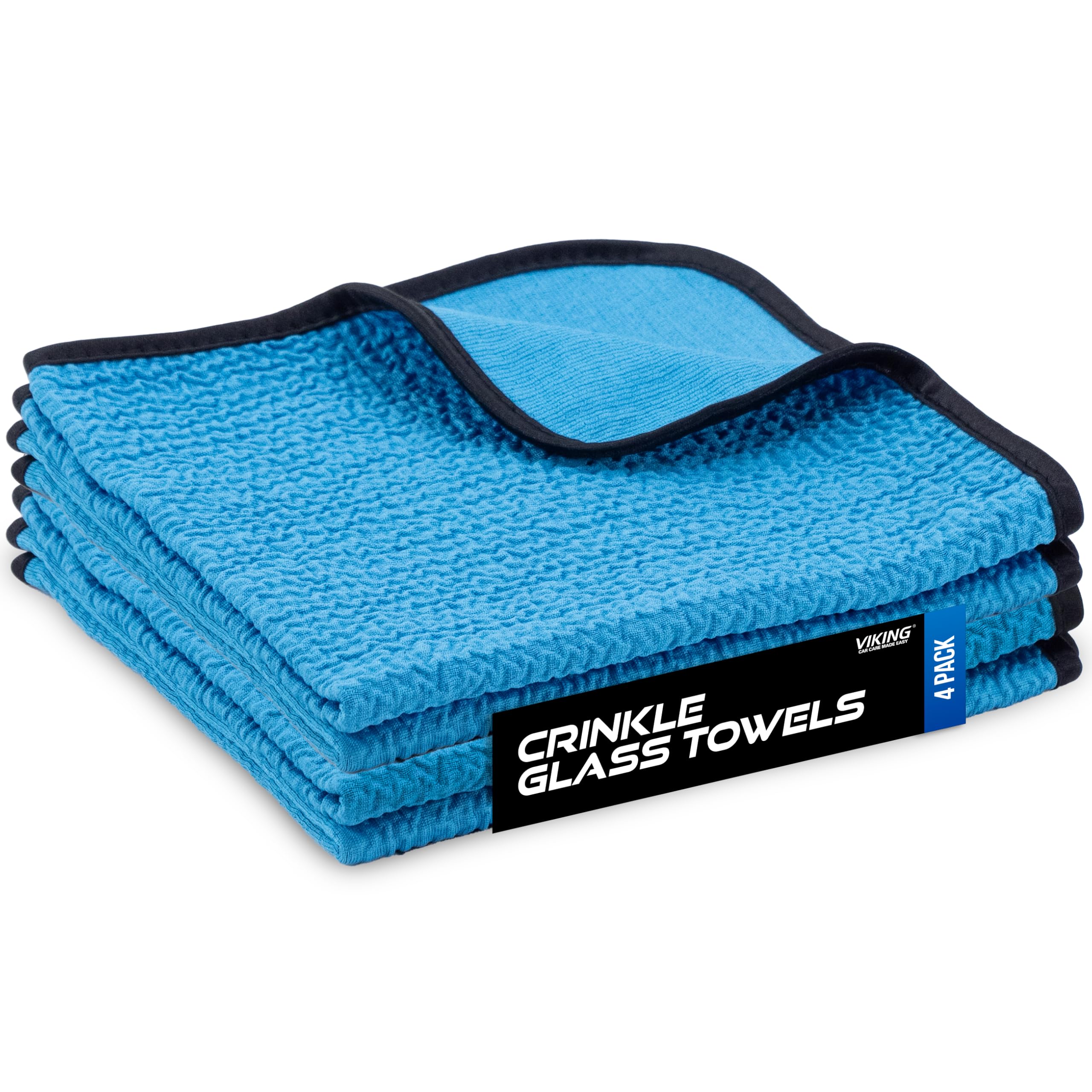
Waffle weave towels are the workhorses for exterior glass. Their texture lifts bugs and water spots with less pressure. Use them damp for the first pass, then follow with a dry flat towel.
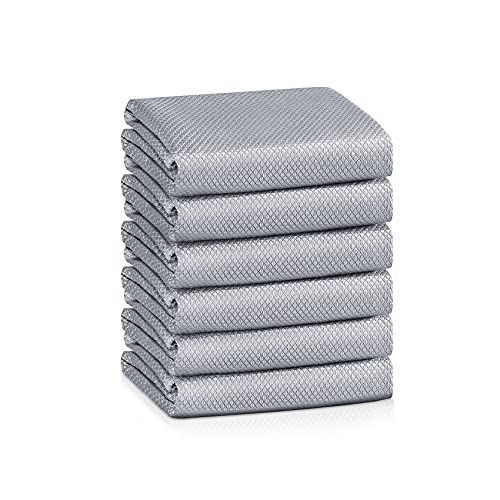
Flat weave and suede finish towels are the precision choice. They glide into corners, leave very little lint and make it easy to see where film remains. For household panes you may also see our guide to the best glass cleaning towels, but car glass adds tint, steep angles and dash clearance that call for smaller, softer towels.
Plush microfiber and paper options sit at the edges of this choice. Plush towels suit door jambs, yet their long fibers often streak glass. Disposable sheets can help in an emergency, and our guide to the best paper towels for cleaning glass covers that backup role. For routine care, reusable towels give you better control of lint and pressure.
Quick Buyer Checklist for Auto Glass Towels
Answer each question before you order. Two or more no answers in the first four usually mean you should keep looking.
- Is the weave flat, waffle or suede finish rather than long plush pile?
- Does the size fold into quarters and still reach the base of your windshield?
- Are the edges soft or edgeless, with no stiff thread or rough tag?
- Can you dedicate this color and set to glass only, with no paint use?
- Do care directions allow washing without fabric softener or dryer sheets?
- Will you have a second dry towel ready for the final buff pass?
- Does the towel feel slightly grabby on clean glass when you test it dry?
- Is the price sensible for spares, at about $15 to $35 for a multi pack?
Common Mistakes to Avoid
Most streaks blamed on cleaner start with towel choice or towel handling.
- Using one towel for paint, dressing and glass spreads wax residue that smears across the windshield in sun.
- Washing glass towels with fabric softener coats the fibers, so they push cleaner around instead of absorbing it.
- Scrubbing harder with a dirty face grinds trapped grit into tint film and mirror coatings.
- Spraying cleaner until the glass drips leaves more liquid than a dry buff towel can remove cleanly.
- Storing damp towels in a closed bin grows a sour smell and leaves fibers less absorbent over time.
- Working in direct hot sun dries cleaner mid wipe, so edges and arcs set before you can buff them away.
How to Make Your Auto Glass Cleaning Towels Last Longer
Wash new towels before first use to remove loose fibers from cutting and packing. Wash glass towels apart from paint towels and shop rags, using warm water and a mild detergent with no added softener. If towels feel slick after washing, rinse again with plain water.
Dry on low heat or hang them in shade, and fold them only when fully dry. Retire a towel from glass duty when it feels stiff after washing or keeps leaving lint after two careful washes. Demote it to wheels or jambs and mark it so it does not return to glass.
FAQ About Auto Glass Cleaning Towels
What GSM is best for auto glass cleaning towels in daily use?
For daily use, a glass towel around 200 to 350 GSM usually gives the best balance of control and absorbency. Lighter towels can feel too thin on wet exterior glass, while much heavier towels fold into a bulky pad. Check the folded feel in your hand rather than the number alone.
How often should you replace auto glass cleaning towels?
Replace an auto glass towel when it leaves lint or streaks after a proper wash and a fair test on clean glass. For a weekly driver that point often arrives after many months, not on a fixed date. Keep one new towel as a control and compare old and new twice a year.
Can you use one auto glass cleaning towel for both wet and dry passes?
You can, but results usually improve when you split the work between two towels. A single towel grows damp as you go, so the last windows get a wetter buff and more visible arcs. If you must use one, fold it to expose a fully dry quarter for the final pass on the windshield only.
Are premium auto glass cleaning towels worth paying more for?
Premium glass towels are worth more only when the extra cost buys a better edge, denser weave or cleaner fiber control. Price alone tells you little, since some costly towels are simply thicker, which does not help glass. Spend first on quantity, because two sound towels beat one costly towel used for every pass.
How do you keep auto glass cleaning towels fresh between washes?
Keep glass towels fresh by rinsing them soon after use, wringing them well and hanging them open until dry before they go in a laundry bin. Never seal a used towel in a plastic bag in a warm trunk. If a smell remains after washing, soak the set in warm water with a small amount of plain white vinegar, then wash again.
Final Thoughts
Focus on weave, short pile and soft edges first, then buy enough towels to work with clean faces and a dry final pass. Size the towel to the corners you must reach, keep glass towels apart from paint towels, and wash them without softener. Use the product table above to compare size, pack count and price with those points fixed in mind.
When you judge best auto glass cleaning towels by lint, control and care rather than thickness alone, clear glass becomes a repeatable result. Build a small dedicated set and replace tired towels on time.


