Best Cleaners for Acrylic Bathtubs for 2026: Matching the Right Choice to Your Routine
Disclosure: We may earn a commission when you buy through links on this page, at no extra cost to you. As an Amazon Associate I earn from qualifying purchases. Learn more
Compare cleaners for acrylic bathtubs by formula, surface safety, format and value, so you can match a cleaner to your routine without harming the finish.
There is no single cleaner that suits every home, because every tub, routine and mess is different. The best cleaners for acrylic bathtubs are the ones that lift everyday grime without dulling, scratching or staining the surface. This guide compares the options in the comparison table below by formula, format and safety, so you can choose with confidence.
Acrylic needs a gentler touch than porcelain or stone, so strong abrasives and harsh solvents are a poor match. A good routine starts with a mild formula, a soft cloth and a short dwell time. The sections below explain who benefits from each type, which features matter most and which mistakes shorten the life of the finish.

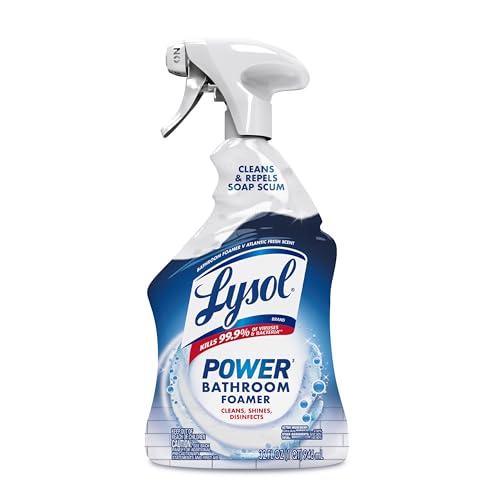

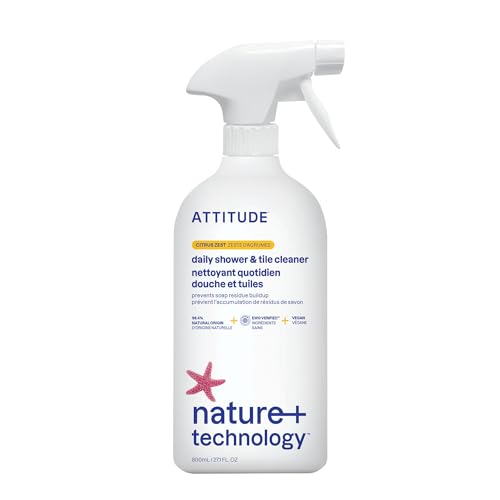
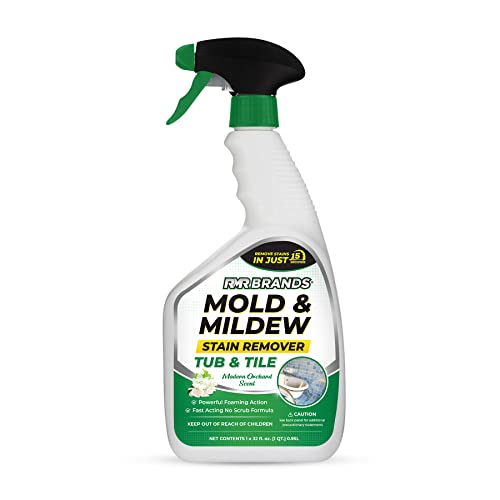

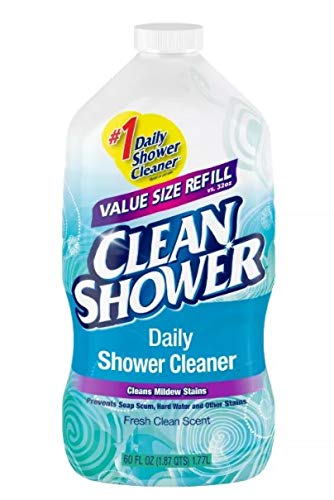
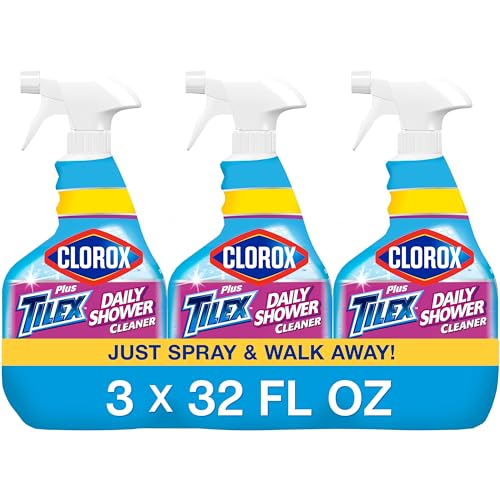


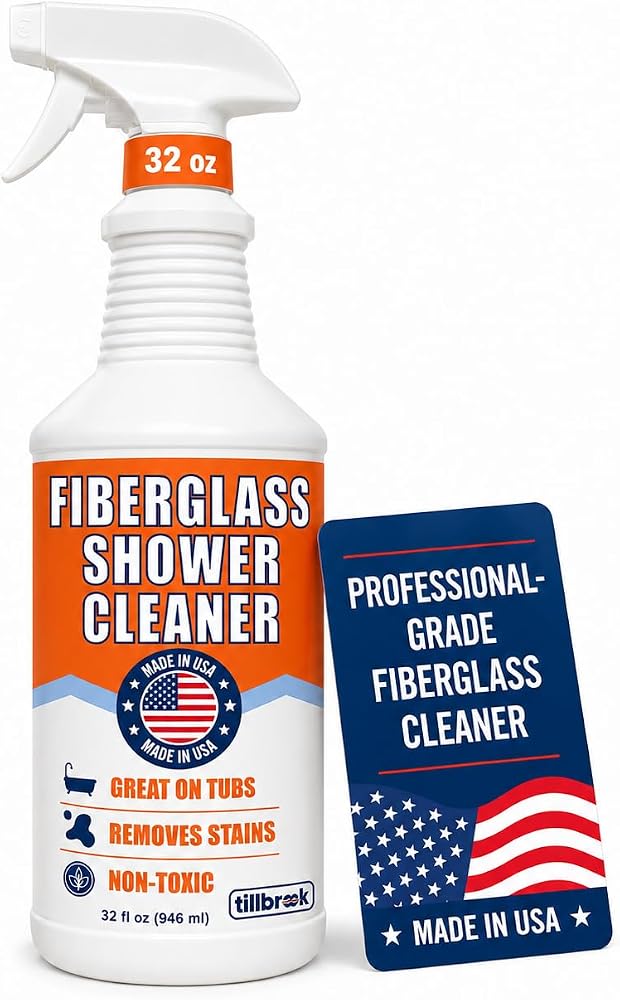
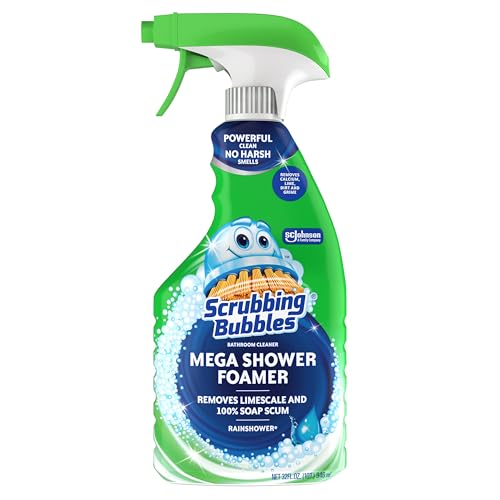
Who Should Buy Which Cleaners?
Your cleaning habit matters more than the size of the bottle. A household that wipes the tub after every shower needs a different formula than a household that deep cleans once a month. Match the strength, format and scent level to the job you actually do.
For People Who Want Strong Everyday Performance
Busy households need a spray that cuts soap scum, body oil and light mineral marks in one pass. Look for a formula made for acrylic and other soft plastic surfaces, with clear directions for dwell time and rinsing. A foaming spray can help the cleaner cling to curved walls and the tub rim, where splashes dry into visible residue. Avoid the temptation to reach for a heavy duty abrasive paste, because the extra scrubbing power can leave fine marks that collect dirt later.
For First Time Buyers
If you are new to acrylic care, start simple with a mild, ready to use spray and a soft microfiber cloth. Read the label before the first use, test the cleaner on a small hidden area and rinse fully after cleaning. A fragrance free option is a sensible first choice when you are unsure about scent sensitivity in your household. Keep the routine short and regular, because frequent light cleaning is easier on the surface than rare aggressive scrubbing.
For Value Seekers
Value is not only the price on the shelf, because a concentrate that dilutes well can clean many more tubs than a small ready spray. Compare the cost per use, the amount needed per cleaning and whether the formula works without a second product. A refill or concentrate format often suits a household that cleans weekly and wants less plastic waste. Check that the diluted mix still suits acrylic, and follow the mixing directions exactly rather than guessing at a stronger blend.
For Gift Shoppers
A cleaner set can be a practical gift for a new homeowner, provided the gift is easy to use and clearly labeled for acrylic. Choose a mild spray, a soft cloth and simple directions, rather than a complex kit with many steps. A fragrance free or lightly scented option is safer when you do not know the recipient's preferences. Add a short note about testing on a hidden spot first, because that small step protects a new tub from an avoidable mistake.
Key Features to Compare
Labels can sound similar, so compare the details that change the result on acrylic. The five factors below cover safety, cleaning power, surface fit, format and scent. Use them as a short checklist before you buy, and give extra weight to the factor that matches your most common mess.
Ingredients and Safety
Acrylic is a soft plastic surface, so avoid cleaners with coarse grit, strong solvents or undiluted bleach unless the label clearly states the product is safe for acrylic. Look for plain ingredient information, warnings about ventilation and guidance for homes with children or pets. Products carrying a recognized safer choice label can help you narrow the field, but the label alone does not prove the formula suits your tub. Always test on a small hidden area, rinse well and store the bottle out of reach of children and pets.
Effectiveness on the Specific Mess
Soap scum, hard water marks, body oil and mildew stains do not respond to the same approach. A daily spray is best for fresh soap film and light splashes, while a gel that clings may suit dried mineral deposits around the drain and fixtures. For mildew in grout lines or around a seal, a formula that can sit for the recommended time without drying out works better than a quick wipe. Do not assume a stronger cleaner is better for every stain, because the wrong strength can harm the finish while leaving the stain behind.
Features That Matter for Acrylic Bathtubs
Acrylic needs a cleaner that spreads evenly, rinses clean and leaves no cloudy film. A spray with a fine mist covers a large curved surface without pooling in one spot, while a gel suits vertical walls and the tub rim. Look for directions that mention acrylic, plastic or fiberglass style tubs, and avoid any product that warns against use on plastic. A streak free rinse matters here, because residue can dull the shine and make the next cleaning harder.
Surface Compatibility
Many bathrooms mix materials, with acrylic in the tub, tile on the walls and metal or glass fixtures nearby. A cleaner that is safe for acrylic may still be wrong for natural stone, unsealed grout or a special fixture finish, so check each surface in the room before you spray widely. When in doubt, clean the tub first with the acrylic safe product, then use a separate product for other surfaces if needed. This extra step takes a minute, and it prevents a cleaner meant for one material from damaging another.
Format: Spray, Gel, Wipes and Concentrate
Format changes how easy the job feels and how much you spend over time. Sprays suit quick daily cleaning, gels suit stubborn spots on walls, wipes suit a fast touch up and concentrates suit frequent cleaning at a lower cost per use. Wipes can be handy for travel or a guest bathroom, but they may cost more per cleaning and may not cover a full tub well. Choose the format you will actually use on schedule, because the best formula is the one that supports a regular routine.
Common Mistakes to Avoid When Buying Cleaners
- Choosing by price alone, because the cheapest bottle may need more product, more scrubbing or a second cleaner to finish the job.
- Ignoring the ingredients and safety notes, which can lead to a formula that is too harsh for acrylic or unsafe around children and pets.
- Using an abrasive pad or scouring powder on acrylic, which can leave fine scratches that trap dirt and dull the shine.
- Skipping the spot test on a hidden area, which removes your chance to catch a bad reaction before it shows on the main surface.
- Mixing cleaners to boost power, which can create harmful fumes and damage the finish, so never mix bleach with ammonia or acids.
Care and Maintenance Tips
A steady routine protects acrylic far better than occasional deep scrubbing. Rinse the tub after each shower, wipe away standing water and clean lightly once a week to stop soap film from hardening. Always read the label and test on a small area first, even when you have used a similar product before.
Ventilate the room while cleaning by opening a door or running the fan, and keep cleaners away from children and pets. Never mix bleach with ammonia or acids, and rinse the surface fully so no cleaner dries on the tub.
Store bottles upright with caps closed, away from heat and out of reach of children. Replace worn cloths that have picked up grit, because a dirty cloth can scratch even when the cleaner is gentle. Dry the tub after cleaning when you can, and check seals and drains for buildup before it becomes a larger job. These small habits keep the surface smooth, bright and easier to clean next time.
Frequently Asked Questions
What features matter most in cleaners for acrylic bathtubs?
Surface safety matters most, followed by the ability to lift soap scum without heavy scrubbing. Choose a formula labeled safe for acrylic, with a format that suits your routine and a scent level your household accepts. A clear label, a reasonable dwell time and a clean rinse are more useful than bold claims about power. If you clean often, a concentrate or refill can also lower the cost per use without changing the result.
What should never be mixed together?
Never mix bleach with ammonia or acids, because the combination can create harmful fumes that irritate the eyes, throat and lungs. This rule applies even when each product seems mild on its own, and it includes toilet cleaners, drain products and vinegar based mixes used in the same area. Clean with one product at a time, rinse fully between products and ventilate the room well. If you feel dizzy or short of breath, leave the room at once and get fresh air.
Are natural cleaners as effective?
Plant based and fragrance free cleaners can handle light soap film and daily grime well, especially when used often. They may need a longer dwell time or a second pass on dried mineral marks, compared with a stronger conventional spray. The result depends more on the formula, the dwell time and the cloth than on the word natural on the label. Test any new cleaner on a hidden spot, and keep a gel option on hand for stubborn spots if needed.
Is it safe to use around kids and pets?
Many acrylic safe cleaners are fine for family bathrooms when used as directed, but safety depends on the exact formula and how you store it. Choose a fragrance free option when children or pets use the bathroom often, rinse the tub fully and ventilate the room during cleaning. Store all bottles closed and out of reach, and never leave a wet cloth soaked in cleaner where a child or pet can reach it. If a product warns against use around children or pets, follow that warning.
How often should I use it?
A quick rinse after showers plus a light clean once a week suits most households and keeps soap film from hardening. Homes with hard water may need a second light pass on fixtures and the drain area during the week. A monthly deeper clean can address mineral buildup and grout lines, without resorting to abrasive scrubbing. Adjust the schedule to your water, your household size and how quickly film appears, rather than following a fixed rule.
The Bottom Line
The right choice balances surface safety, cleaning power and a format you will use on schedule. Start with a mild acrylic safe formula, test it on a hidden spot and build a short weekly routine around it. For related choices, see our guide to best acrylic bathtubs when you are planning a remodel, and compare best cleaner for fiberglass bathtubs or best cleaner for plastic bathtubs if your home has more than one tub material. The best cleaners for acrylic bathtubs are the ones that keep the finish bright with the least scrubbing, so check the product table above and pick the option that fits your routine.