Best Acrylic Bathtubs: A Practical Checklist for 2026
Disclosure: We may earn a commission when you buy through links on this page, at no extra cost to you. As an Amazon Associate I earn from qualifying purchases. Learn more

A practical checklist to compare the best acrylic bathtubs by size, shape, shell quality, warranty, and fit, so you avoid common buying mistakes.
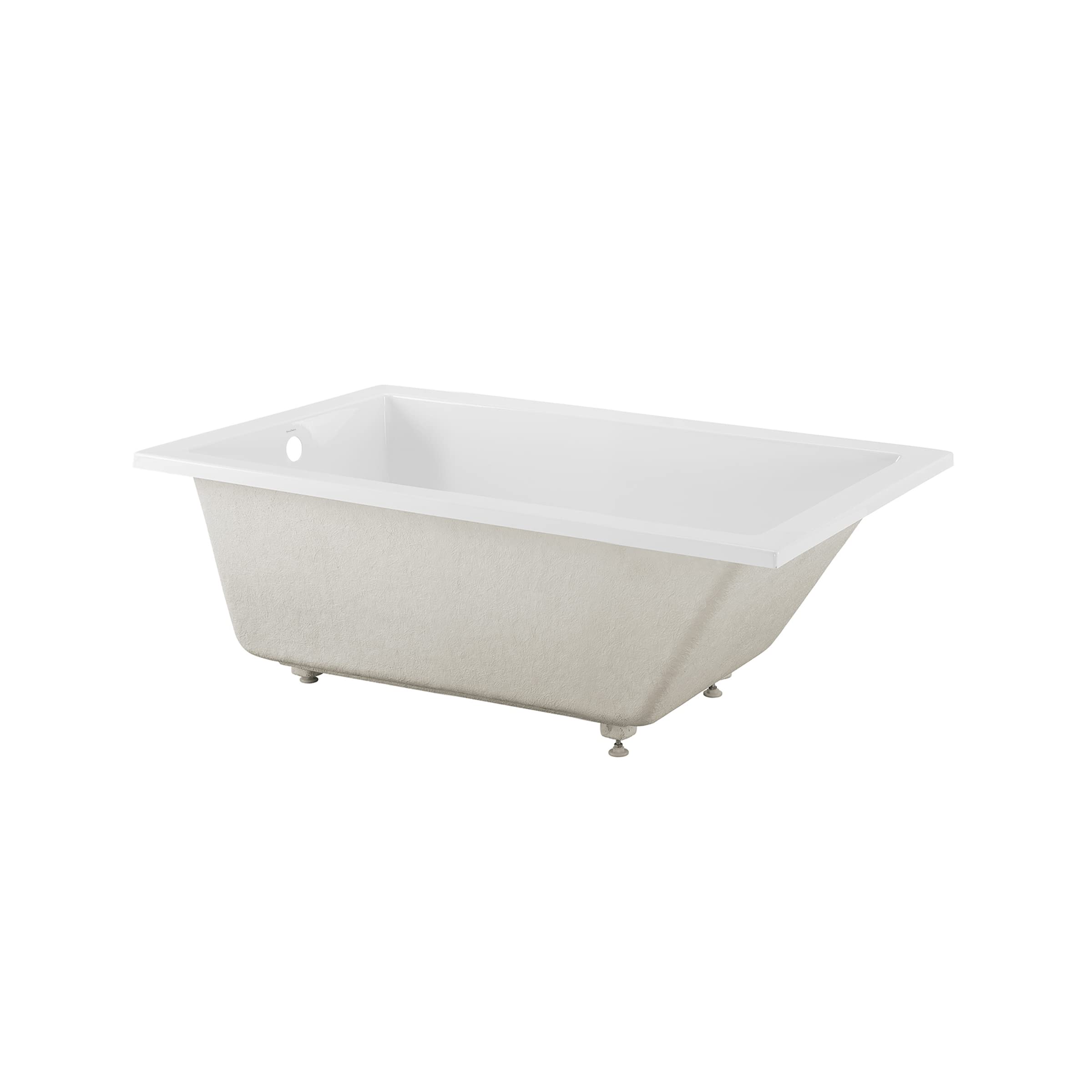
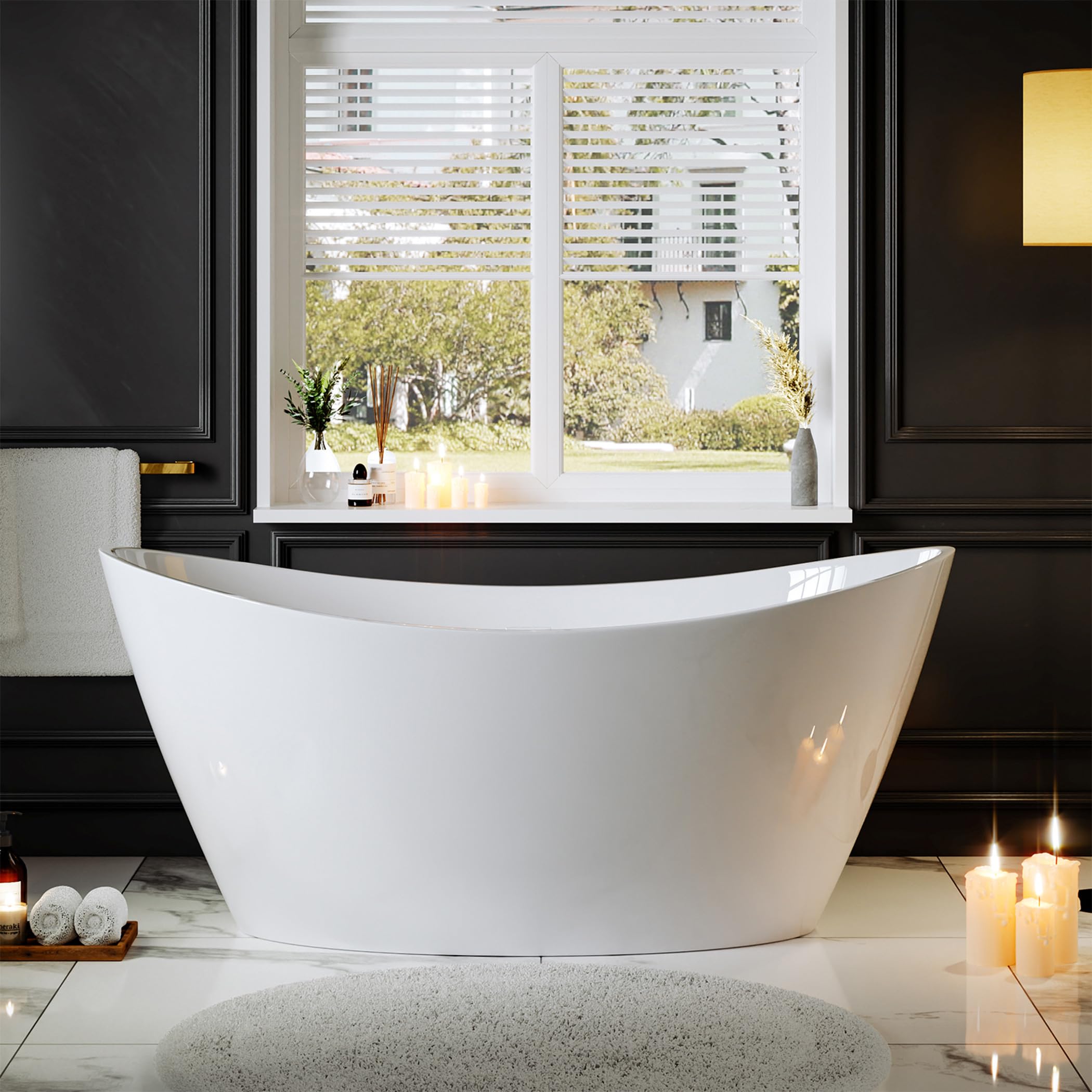
Shopping for best acrylic bathtubs gets easier when you judge every tub against the same checklist instead of reacting to photos and slogans. Acrylic tubs vary in shell thickness, shape, depth, drain position, and support, and those details decide comfort, cleaning, and long term durability. The product table lists a range of acrylic tubs, and the checklist that follows helps you check each option against your bathroom.
This guide shows you how to score any tub you consider. Work through size and fit first, since a beautiful tub that does not fit your room or your plumbing is not a bargain at any price. Then weigh shell quality, comfort, maintenance, and warranty before you compare prices.




A Buyer Checklist for Acrylic Bathtubs
Use the six criteria below as a scorecard. A strong tub should pass most of them, and any weak score should have a clear reason you can accept, such as a tight bathroom that forces a smaller size. Keep the list beside you while you browse, and ask the seller for any specification that is missing rather than guessing.
Intended Use and Who It Is For
Start by naming how the tub will be used most often. A household that bathes children needs a tub with a flat bottom, a comfortable rim height for kneeling beside it, and a finish that cleans easily after bath toys and soap. Adults who soak to unwind may value depth, lumbar support, and a shape that lets them recline without sliding. A guest bathroom may need a simpler tub that suits many body sizes and needs little upkeep between visits.
Safety and Certifications
Look for a slip resistant floor texture or a compatible bath mat, grab bar options where the wall allows them, and clear maker guidance on weight limits and installation. Certifications and code listings show that the tub meets recognized plumbing standards in general terms, so ask for them when a listing is vague. Check local plumbing rules before you buy, and use a qualified installer if the drain position, floor support, or venting is unclear. A tub is a heavy, plumbed fixture, so installation quality matters as much as the tub itself.
Size, Weight, and Fit for Your Space
Measure the alcove or open floor area, the doorway the tub must pass through, and the distance from the drain to the existing plumbing. Note the tub length, width, height, and soaking depth, and compare them with the room, not just with the old tub. Acrylic is lighter than cast iron, which eases delivery and handling, but the floor still needs proper support and the tub needs a level base. Leave room for cleaning around a freestanding tub, and leave access to the drain and overflow for future service.
Maintenance and Long Term Costs
Acrylic cleans with mild, non abrasive cleaners and a soft cloth, while harsh scouring pads can dull the finish over time. Ask how the finish handles hard water, bath oils, and hair color products if those matter in your home. Long term costs include caulk and seal renewal, drain parts, and any surround or panel work, so a low purchase price can mislead if the tub needs frequent repair. For cleaning products that suit this material, see our guide to the best cleaners for acrylic bathtubs before you stock up.
Warranty and Customer Support
Read the warranty for what it covers, how long each part lasts, and what voids it, such as improper support or harsh cleaners. A longer shell warranty signals maker confidence, but only if the terms are clear and the maker answers support questions. Keep the receipt, the installation manual, and photos of the installed tub in case you need a claim. If a seller cannot explain the warranty in plain language, treat that as a warning sign and keep looking.
Ease of Use and Setup
Ease of use covers step over height, rim width for sitting, drain control placement, and how simple the tub is to enter and leave safely. Setup covers delivery access, leveling, drain connection, and sealing the edges against the wall or floor. A tub that looks elegant in a photo can still frustrate daily use if the rim is too high or the drain sits where you cannot reach it comfortably. Try the shape in a showroom when you can, and sit in the tub to judge back support and legroom.
Spending Levels That Pass the Checklist
Price tiers work best as a way to set expectations, not as a ranking of tubs. Use the levels below to judge what you should get for your money, and let the checklist above decide whether a particular tub earns its price.
Everyday Budgets
Everyday budgets suit simple alcove and drop in shapes with a sound shell, a clear warranty, and standard drain positions. Expect plain styling, fewer color choices, and a finish that needs gentle cleaning to stay bright. Spend your attention on fit, support, and drain placement, since those decide whether the tub works well even at a modest price. A tub in this range can serve a household well for years when it is installed level and sealed properly.
Comfort Focused Budgets
Comfort focused budgets add deeper soaking, shaped backrests, wider rims, and more shape choices, including freestanding styles that suit open bathrooms. Expect thicker shells, better sound damping, and more finish options, plus clearer maker support. This range suits buyers who bathe often and want daily comfort without paying for luxury extras. Compare shell thickness and warranty terms closely here, since those separate lasting comfort from surface styling.
Premium Room Budgets
Premium budgets suit large bathrooms, statement shapes, and features such as integrated overflow designs, custom colors, or stone like surrounds. Expect the strongest shells, the widest size range, and the most detailed installation guidance. At this level, judge the tub on fit, support, and finish quality rather than on looks alone, and confirm delivery access and floor support before you order. A premium tub still fails if it does not fit the room or the plumbing.
Quick Buyer Checklist
Run through these questions before you order, and answer no to any tub that fails a question you cannot work around.
- Does the tub fit the room, the doorway, and the existing drain position?
- Is the soaking depth and back shape comfortable for the people who will use it most?
- Is the shell thickness, weight limit, and support method stated clearly?
- Does the finish suit your cleaning habits and your local water hardness?
- Are the warranty terms, drain parts, and maker support easy to understand?
- Can a qualified installer reach the drain and service points after installation?
- Does the total cost include delivery, installation, sealing, and any surround work?
Red Flags to Watch For
Watch for vague shell specifications, missing weight limits, and listings that hide the drain position or the exact dimensions. Short warranties, unclear support contacts, and reviews that sound copied or oddly uniform should slow you down, not speed you up. Be wary of claims about unbreakable finishes or lifetime performance with no written terms behind them. If the seller cannot answer basic questions about support, sealing, or drain parts, choose a tub from a maker who can.
Best Acrylic Bathtubs for Specific Needs
Best Acrylic Bathtubs for Alcove: What to Check
Alcove tubs sit between three walls, so fit is tighter and less forgiving than a freestanding shape. Measure the wall to wall width at several heights, since older walls are rarely perfectly square, and confirm the drain side matches your plumbing before you order. A flat bottom and a rim that meets the wall cleanly make sealing easier and reduce leaks. For alcove shapes in this material, see our guide to the best acrylic alcove bathtubs alongside the general checklist above.
Tips to Get the Most From Your Acrylic Bathtub
Read the manual before first use, and follow the maker guidance on cleaners, water temperature, and drain care. Clean and inspect the tub regularly, and renew caulk and seals at the first sign of gaps or mildew rather than waiting for a leak. Keep the area dry between uses, and avoid standing on the rim or dropping heavy objects on the shell. These simple habits protect the finish and help the tub serve your household for a long time.
When you compare shapes, remember that freestanding tubs need cleaning room on all sides, while alcove tubs need precise wall fit. For freestanding options, see our guide to the best acrylic freestanding bathtubs to compare their space needs with the alcove advice above. For overall quality markers, see our guide to the best quality bathtubs as a cross check on shell and warranty standards.
Frequently Asked Questions
How much should I spend on an acrylic bathtub?
Budget about $300 to $800 for a simple tub that fits well and carries a clear warranty. Midrange tubs often run about $800 to $1,800 and add depth, shape choices, and thicker shells. Premium tubs can cost more, mainly for size, styling, and finish options. Judge the price against fit, shell quality, and warranty rather than looks alone, and include delivery and installation in your total before you compare options.
How long does an acrylic bathtub last?
An acrylic tub can last many years when it is supported level, sealed properly, and cleaned with gentle products. Lifespan depends more on installation and care than on the purchase price alone. Poor support can flex the shell, harsh cleaners can dull the finish, and neglected caulk can let water reach the wall or floor. Follow the maker guidance, renew seals when needed, and fix small drain or finish problems early to protect the tub and the bathroom around it.
How do I maintain an acrylic bathtub?
Clean an acrylic tub with a mild, non abrasive cleaner and a soft cloth, and rinse well after each use. Avoid scouring pads and harsh chemicals that can dull or scratch the finish over time. Dry the rim and edges after baths to slow mildew, and check caulk lines every few months for gaps. If stains persist, use only a cleaner the maker approves for acrylic, and try it in a hidden spot first so you do not damage the visible finish.
Are expensive acrylic bathtubs worth it?
Expensive tubs are worth it when the extra cost buys a better fit, a thicker shell, deeper soaking, or a stronger warranty that you will actually use. They are not worth it when the premium pays only for styling in a bathroom where a simpler shape would fit and clean better. Compare the checklist scores side by side, and pay more only for a clear gain in comfort, durability, or support. A well fitted midrange tub often beats a poorly fitted premium tub in daily use.
What features matter most when buying acrylic bathtubs?
Fit, shell quality, soaking depth, drain position, and warranty matter most, in that order. A tub that fits the room and plumbing, holds its shape under weight, and lets you soak comfortably will satisfy most households. Finish quality and cleaning ease come next, since they decide how the tub looks after years of use. Color, rim styling, and extra features matter only after those core points are right, so score them last.
Our Verdict
Choose the tub that passes the checklist for your room, your plumbing, and your daily habits, not the one with the boldest photos. Fit and support come first, shell quality and warranty come next, and styling comes last. Keep the quick checklist beside you, ask for any missing specification, and use a qualified installer when the plumbing or floor support is unclear. That patient approach makes best acrylic bathtubs shopping far simpler, and the product table is a good place to start comparing shapes once your measurements are set.