Best Cleaner for Plastic Bathtubs of 2026: Complete Buying Guide
Disclosure: We may earn a commission when you buy through links on this page, at no extra cost to you. As an Amazon Associate I earn from qualifying purchases. Learn more
Learn how to choose a cleaner for plastic bathtubs that lifts soap scum and limescale without dulling the surface, plus safety, scent and value checks.
A plastic bathtub can look dull long before it is worn out. Soap scum, hard water marks and body oils build up in a thin film, and the wrong cleaner can leave the surface hazy even after the dirt is gone. The best cleaner for plastic bathtubs is the one that matches your water, your mess and the finish you want to protect. This guide walks through the options in the comparison table below so you can weigh each choice before you buy.
Plastic tubs are usually acrylic or a similar molded material, and they scratch more easily than cast iron or steel. That changes the buying decision. You need enough cleaning power for daily grime, but you also need a formula that will not roughen the surface over time. The sections below walk through spending levels, buying factors, cleaner types and safe use, so you can pick a product that cleans well and keeps the tub looking smooth.

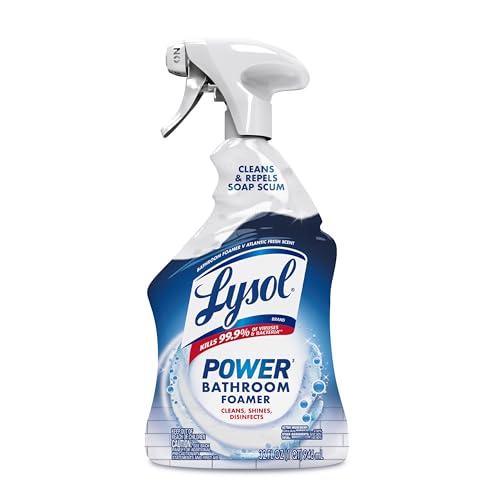


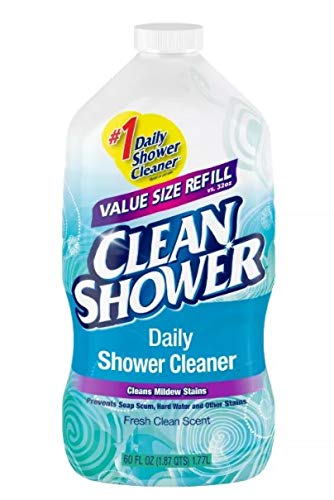


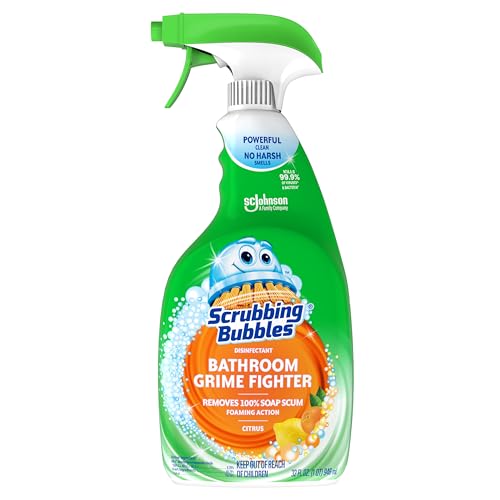
What Each Spending Level Gets You
Price alone does not tell you whether a cleaner suits a plastic tub. A low cost spray can be perfect for light weekly cleaning, while a stronger formula may be worth the extra cost if your water leaves heavy mineral deposits. Use the tiers below as a rough map, not a ranking, and check the product table above for the current options in each range.
Budget Level: Simple Weekly Cleaning
Budget cleaners, usually about $3 to $6, are best for tubs that get a quick wipe each week and do not face heavy buildup. They tend to be light sprays that lift soap film and light dirt with a short dwell time. They are a sensible starting point if your water is soft and your tub is cleaned often. Their limits show up on limescale rings and older stains, where you may need a second pass or a longer dwell time.
Midrange Level: Stronger Everyday Formulas
Midrange cleaners, usually about $7 to $12, often add better grease cutting and mineral dissolving power without moving into harsh territory. Many come as gels that cling to sloped walls, which helps on vertical surfaces where a thin spray runs off too fast. This level suits most households, especially where hard water leaves white marks around the waterline. Look for clear label guidance about plastic and acrylic surfaces before you commit.
Premium Level: Concentrates and Specialty Formulas
Premium options, usually about $13 to $20, are often concentrates, refills or formulas made for sensitive users. A concentrate can lower the cost per use if you clean often, because one bottle makes many diluted batches. Fragrance free and certified safer formulas also tend to sit in this range. Paying more only makes sense if you will actually use the extra features, such as refill packaging or a gentler ingredient profile.
How to Choose a Plastic Bathtub Cleaner
Choosing well starts with the tub, not the bottle. Note whether your tub is acrylic, fiberglass coated or another plastic, how hard your water is, and what kind of mess appears most often. Those three facts narrow the field faster than any marketing claim, and they keep you from buying a strong formula for a light job or a gentle formula for a stubborn ring.
Features That Matter for Plastic Bathtubs
Plastic needs a cleaner that works without abrasion. Look for a formula that states it is safe for acrylic or plastic surfaces, and avoid gritty scrubs that can leave fine scratches. A gel or foam that stays in place helps on curved walls and around the drain. A clear dwell time on the label is also useful, because a product that needs ten minutes of contact behaves very differently from one that works in two.
Effectiveness on the Specific Mess
Soap scum, limescale and body oils respond to different cleaning action. Soap scum needs a surfactant that lifts fatty residue, while limescale needs an acid or chelating agent that dissolves mineral deposits. If your main problem is a white ring at the waterline, prioritize mineral dissolving power. If the tub feels slick or looks cloudy after showers, prioritize grease and soap film removal instead.
Ingredients and Safety
Read the ingredient panel and the warnings before you buy, especially if children or pets use the bathroom. Avoid bleach based formulas unless the label clearly says the product is safe for your tub material, and never mix bleach with ammonia or acids, since that combination can create dangerous fumes. Formulas with an EPA Safer Choice label or a short, recognizable ingredient list are easier to evaluate. Rinse thoroughly after every use so no residue stays on the surface.
Cost per Use and Value
Compare cost per use, not just bottle price. Divide the price by the number of cleanings the bottle should cover, using the label dose as your guide. A concentrate that costs more up front can be cheaper per cleaning than a ready to use spray.
Also consider whether you need a separate product for the tub at all. If one safe formula also handles the sink and tile, you may save money and storage space.
Eco Friendly Packaging
Refill pouches and concentrates cut down on plastic packaging, and biodegradable formulas break down more readily after rinsing. Check whether the refill fits the spray bottle you already own, since a mismatched refill can leak or clog. Packaging claims matter less than the formula itself, so treat a refill option as a bonus on top of proven surface safety and cleaning power, not as a reason to accept a poor cleaner.
Scent and Fragrance Free Options
Scent is a real comfort factor in a small bathroom, where a strong fragrance lingers long after cleaning. If anyone in the household is sensitive to fragrance, choose a fragrance free formula and ventilate the room while you clean. Lightly scented options can be pleasant, but a strong scent can mask the smell of a product that has not been rinsed fully. When in doubt, start with the unscented version.
Types of Cleaners
Cleaner format changes how easy the product is to apply and how long it stays on the surface. The right format depends on whether your tub needs a quick wipe or a deeper soak, and on how much storage space you have under the sink.
Concentrates and Refills
Concentrates are diluted with water before use, which makes them economical for frequent cleaning. They also reduce packaging waste, since one small bottle can refill a spray bottle several times. The trade off is measuring: too strong a mix can leave residue, and too weak a mix may not clean well. Keep the dilution instructions where you can see them.
Heavy Duty Formulas
Heavy duty formulas are made for neglected tubs, thick soap buildup and stubborn mineral rings. They often need a longer dwell time and a second scrub on the worst spots. Use them only as often as needed, and always confirm plastic compatibility first. For routine cleaning, a lighter formula is usually enough and gentler on the finish over time.
Everyday Cleaners
Everyday cleaners are light sprays meant for regular use after showers or baths. They work best when the tub is wiped often, so dirt never gets a chance to harden. Their main advantage is convenience: spray, wait a minute or two, wipe and rinse. If you clean weekly, an everyday cleaner may be all you need.
Natural and Eco Friendly Options
Natural options use plant based surfactants and milder acids, such as citric acid, to handle light to moderate mess. They suit households that want fewer harsh chemicals, but they may need more dwell time or a second pass on heavy limescale. Check the label for plastic safety just as you would with any other cleaner, since natural does not automatically mean gentle on every finish.
Care and Maintenance Tips
Safe habits protect both the tub and the people using it. Keep these points in mind every time you clean:
- Always read the label and test on a small area first, so you can spot dulling or discoloration before it spreads.
- Never mix bleach with ammonia or acids, since the fumes can be harmful even in a ventilated room.
- Ventilate the room while cleaning by opening a window or running the fan, and leave the door open if the fan is weak.
- Store products out of reach of kids and pets, ideally in a locked cabinet or on a high shelf.
- Rinse the tub fully after cleaning, and wipe the surface dry to prevent new water spots.
- Use a soft cloth or a non scratch sponge, and skip abrasive pads that can roughen plastic over time.
For a related surface, see our guide to the best bathtub cleaner for plastic tubs if your tub has a different finish or shape. A drain problem needs a different product, so see our guide to the best bathtub drain cleaner rather than pouring a surface cleaner down the drain. If your tub is fiberglass rather than plastic, see our guide to the best cleaner for fiberglass bathtubs, and for an acrylic finish see our guide to the best cleaners for acrylic bathtubs.
Frequently Asked Questions
What features matter most in cleaners for plastic bathtubs?
Surface safety comes first, because a scratched tub is hard to restore. Choose a formula that states it is safe for plastic or acrylic, with no abrasive grit. Next, match the cleaning action to your mess: mineral dissolving power for hard water rings, and grease cutting power for soap scum.
A gel or foam format helps the product stay on sloped walls. Finally, check dwell time, scent and cost per use, since those decide whether you will actually enjoy using the product week after week.
Are natural cleaners as effective?
Natural cleaners can be effective for light to moderate cleaning, especially when used often. Plant based surfactants lift soap film well, and mild acids handle fresh mineral marks. They may struggle with thick, old limescale or a tub that has not been cleaned for months.
In that case, a longer dwell time or a second application often closes the gap. If the buildup is severe, a stronger formula used occasionally may be more practical than repeated light passes.
What should never be mixed together?
Never mix bleach with ammonia or with acids such as vinegar or toilet bowl cleaner, because the mixture can release toxic fumes. Do not combine two different cleaners in the hope of extra power, since the reaction is unpredictable and can damage the tub surface. Use one product at a time, rinse fully between products, and ventilate the room. If you are unsure about a combination, check both labels or skip the second product entirely.
How often should I use it?
Most plastic tubs stay in good shape with a light clean once a week and a quick rinse after baths. Households with hard water may need a mineral focused clean every two weeks to keep rings from hardening. Wiping the tub dry after use slows new buildup and stretches the time between deep cleans. If you notice a film returning within a day or two, the issue is often water hardness rather than cleaning frequency, so a mineral dissolving formula may help more than extra scrubbing.
Is it safe to use around kids and pets?
It can be, provided you choose carefully and rinse well. Pick a formula with clear safety guidance, avoid harsh fumes, and keep children and pets out of the bathroom while you clean. Store every product in a locked cabinet or on a high shelf, never on the floor beside the tub.
After cleaning, rinse the surface thoroughly and let it dry before anyone bathes. If a child or pet has sensitive skin or breathing issues, a fragrance free formula is the safer starting point.
Wrapping Up
The right cleaner balances surface safety, cleaning power for your specific mess, and a scent and price you can live with week after week. Start with a plastic safe formula, test it on a small area, and judge it by how the tub looks after rinsing, not by how strong it smells. The best cleaner for plastic bathtubs for your home is the one you will use regularly without worrying about the finish. Check the product table above, compare the spending levels, and pick the format that fits your routine.