Best Cleaner for Stained Toilets: A First Time Buyer's Guide for 2026
Disclosure: We may earn a commission when you buy through links on this page, at no extra cost to you. As an Amazon Associate I earn from qualifying purchases. Learn more

New to toilet stain cleaners? Learn how gel, spray, and powder formulas work, which stains need which approach, and how to use them safely at home.
If you are shopping for a best cleaner for stained toilets for the first time, the choices can look alike at first glance. Gels cling to the bowl, sprays cover quickly, powders scrub with grit, and tablets promise hands off cleaning. This guide explains the comparison table below in plain terms, so you can tell which type fits your stain, your toilet, and your comfort level.
You do not need a chemistry background to choose well. You need to know what kind of stain you have, how much scrubbing you are willing to do, and which surfaces your toilet uses. The sections below walk through those basics step by step, with safety notes woven in where they matter most.

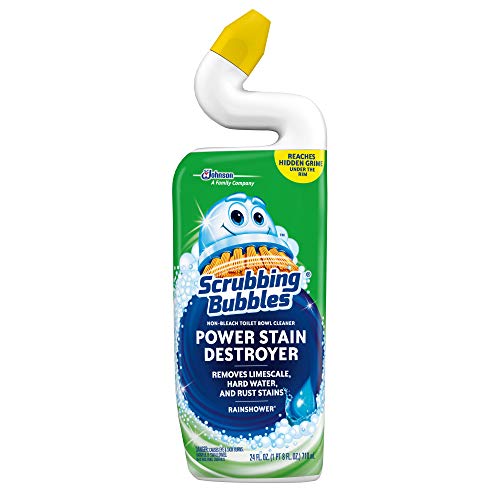
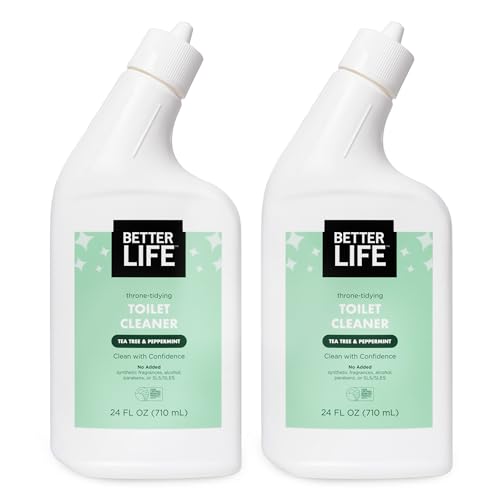
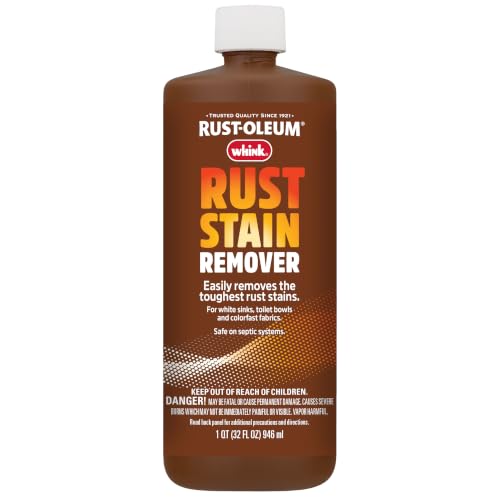


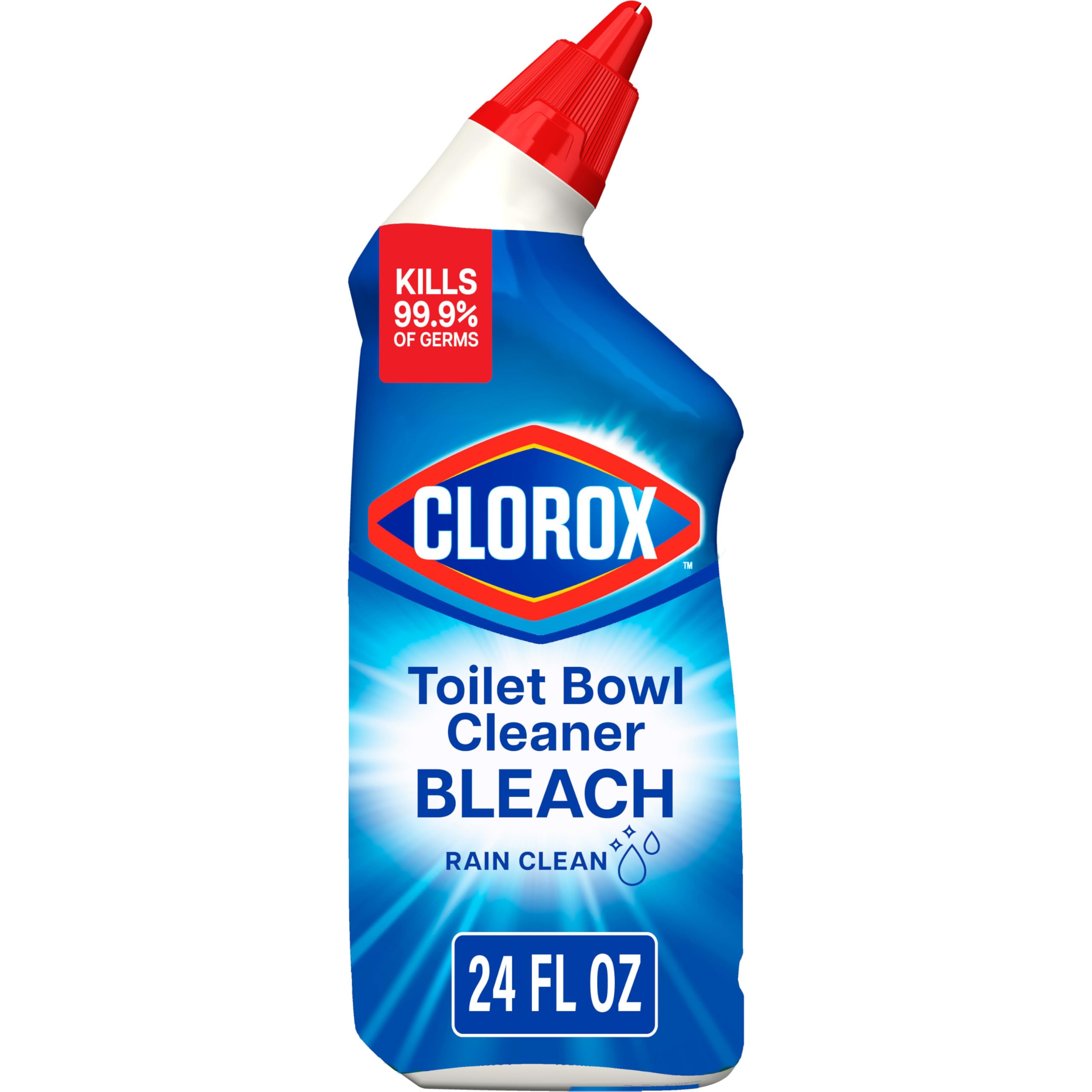
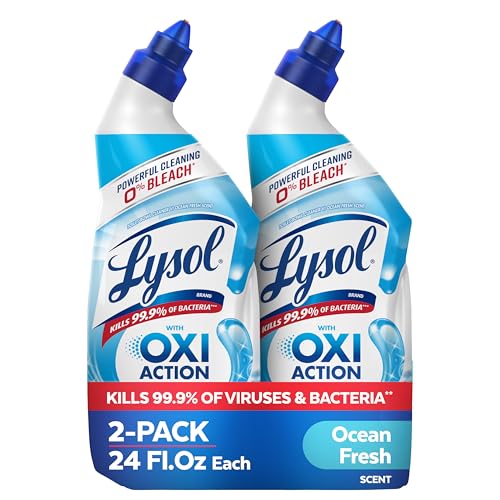
Cleaners 101: The Basics
A toilet cleaner works by loosening a stain so you can rinse or brush it away. Some formulas dissolve mineral buildup, some lift organic residue, and some use mild abrasion to remove surface marks. The right choice depends on whether the stain is a ring at the waterline, a brown or pink film, or a hard crust that has built up over time. A formula made for daily freshening may not remove a long standing mineral ring, while a strong descaling formula may be more than a light stain needs.
Most toilet cleaners are made for porcelain, which is the common bowl material. Check the label if your toilet has a special finish, a colored glaze, or a bidet seat with plastic parts. Some formulas can dull a finish if left on too long, and some should not be used on metal trim. Always read the label before first use, and start with the shortest contact time the label allows.
Key Specs Explained in Plain English
Labels use terms that sound technical, but each one points to a simple question: what does this formula do, and how hard will you need to work? The sections below translate the main terms into choices you can make with confidence.
Features That Matter for Stained Toilets
Stained toilets need a formula that can reach the stain and stay there long enough to work. A thick gel clings to the sloped bowl and under the rim, which helps with rings and vertical stains. A liquid that runs straight down may clean the waterline but miss the rim. Also look for a formula that matches your water type, because hard water leaves mineral stains that need a different approach than organic stains.
A brush with an angled head helps reach under the rim without splashing.
Effectiveness on the Specific Mess
Mineral rings often come from hard water and appear as a crusty line where water sits. These respond best to a formula made for limescale, plus gentle scrubbing. Pink or orange film often comes from airborne bacteria in a damp bathroom, and it usually lifts with regular cleaning and good ventilation. Brown stains may come from iron in water or from residue that has sat for a long time.
Grease is less common in a toilet, but soap residue and body oils can leave a film that needs a formula that cuts through buildup.
Cost per Use and Value
To compare value, look at how many cleanings one bottle covers, not just the bottle price. A gel that clings well may need less product per cleaning than a thin liquid that runs off. A concentrate may cost more upfront but cover many more cleanings. Also count the brush, gloves, and any extra rinse water in your routine.
A formula that works in one pass saves time and product compared with a formula that needs two or three applications to clear the same stain.
Format: Spray, Gel, Pods, Wipes, Concentrate
Sprays cover a wide area quickly and suit light stains and frequent touch ups. Gels cling to the bowl and suit rings and stains under the rim. Powders offer scrubbing power for crusty buildup, but they need careful rinsing so grit does not scratch a finish. Pods and tablets offer simple dosing, but they may not reach every stain area.
Wipes suit quick touch ups on the seat and outer surfaces, not deep bowl stains. Concentrates offer lower cost per use, but they need careful measuring and safe storage.
Surface Compatibility
Porcelain tolerates most toilet cleaners when used as directed, but the finish still matters. A glossy glaze can dull if a harsh formula sits too long, and colored toilets may show fading with repeated use of strong agents. Plastic bidet parts, rubber seals, and metal hinges need extra care, so avoid letting a bowl cleaner sit on those parts. If you are unsure about a surface, test the formula on a small hidden area and rinse promptly.
When in doubt, choose a gentler formula and a second pass over a harsh one.
For a related bowl cleaning option, see our guide to the best toilet bowl cleaners. If a drain issue is involved rather than a surface stain, see our guide to the best drain cleaner for toilets. For a gentler biological approach, see our guide to the best enzyme cleaner for toilets.
Choose a brush that fits your bowl shape, with soft bristles that clean without scratching. A brush with a small head reaches tight curves, while a larger head covers the main bowl faster. Rinse the brush after use and let it dry in a ventilated holder, so it does not hold residue between cleanings.
Rookie Mistakes to Avoid
- Mixing cleaners to make a stronger blend, which can create harmful fumes and damage finishes.
- Leaving a strong formula on the bowl far longer than the label allows, which can dull glaze or harm seals.
- Scrubbing with a metal brush or harsh pad, which can scratch porcelain and make future stains stick more easily.
- Cleaning only the visible bowl and ignoring under the rim, where buildup hides and causes repeat stains.
- Forgetting gloves or ventilation, which turns a quick job into an irritating one for skin and lungs.
Getting Started: Setup and First Use
Start by reading the label in full, including safety warnings and contact time. Put on gloves, open a window or turn on the bathroom fan for ventilation, and keep children and pets out of the bathroom while you clean. Apply the formula under the rim and around the bowl, then let it sit for the time the label states. Brush gently, starting under the rim and working down, then flush and rinse any splashes from the seat or floor.
Always read the label and test on a small area before a full cleaning. Never mix bleach with ammonia or acids, and never mix two cleaners together. Store every cleaner in a locked cabinet away from children and pets, with the cap closed tightly. If a cleaner contacts skin or eyes, follow the first aid directions on the label right away.
Frequently Asked Questions
What features matter most in cleaners for stained toilets?
Cling, stain match, and surface safety matter most. A gel that clings under the rim reaches stains that a thin liquid misses, which matters for rings and vertical marks. Stain match matters because a mineral formula and an organic formula work in different ways, so picking the wrong type wastes time. Surface safety matters because a harsh formula can dull glaze if left too long.
Also check whether the formula needs a brush, since some stains lift only with light scrubbing after the dwell time.
What should never be mixed together?
Never mix bleach with ammonia or acids, and never combine two toilet cleaners to increase strength. Bleach plus ammonia can create toxic fumes, while bleach plus an acid based cleaner can release chlorine gas. Even a small mix in a closed bathroom can irritate eyes, skin, and lungs. Use one product at a time, flush and rinse between products if you switch, and open a window for ventilation.
Store cleaners separately in a locked cabinet, away from children and pets, with caps closed.
Is it safe to use around kids and pets?
It is safe when you keep children and pets out of the bathroom during cleaning and until surfaces are rinsed and dry. Wear gloves, ventilate the room, and wipe up any drips on the seat or floor before anyone uses the toilet. Choose a milder formula if a child or pet is likely to touch the bowl area, and avoid strong fumes in a small bathroom. After cleaning, close the lid, flush, and store the bottle in a locked cabinet.
If contact occurs, follow the first aid directions on the label.
Are natural cleaners as effective?
Natural cleaners can handle light stains and regular upkeep, but they may need more dwell time or scrubbing on old mineral rings. Plant based formulas lift organic film well, yet they may lack the strength to dissolve a hard crust in one pass. For a first time buyer, a natural formula can be a good starting point for a lightly stained toilet. For a long standing ring, compare the formula type and expect a second pass.
Always test on a small area first, since even a gentle formula can affect a special finish.
How often should I use it?
Clean a toilet bowl at least once a week in a home bathroom, and more often in a busy household or a bathroom with hard water. A weekly clean prevents mineral rings from hardening and keeps film from building under the rim. If you see a ring forming, clean sooner rather than waiting for it to set. Between deep cleans, a quick brush and flush can keep the bowl fresh.
Overuse of a strong formula is not needed, so match frequency to stain buildup rather than cleaning on a rigid daily schedule.
Wrapping Up
Start with your stain type, then choose a format that reaches it. A clinging gel suits rings and rim stains, a spray suits light touch ups, and a powder suits crusty buildup with careful rinsing. Check surface compatibility, follow contact time, and never mix cleaners. Keep the product table above in mind as you compare formats and prices, and choose the best cleaner for stained toilets that fits your toilet, your water, and your routine.