
Best Toilet Bowl Cleaners in 2026: Which Type Is Right for You?
Disclosure: We may earn a commission when you buy through links on this page, at no extra cost to you. As an Amazon Associate I earn from qualifying purchases. Learn more

The best toilet bowl cleaners by type: heavy duty, natural, refill and everyday formulas compared, plus safety tips.
The toilet cleaning aisle is surprisingly crowded. Clinging gels, bleach formulas, acidic descalers, drop in tablets, in tank systems, pumice sticks and plastic free fizzing tabs all claim to leave the bowl sparkling. Each works in a different way, and the right choice depends on your water, your stains, your plumbing and how often you are willing to scrub. This guide to the best toilet bowl cleaners compares each type side by side, so you can pick the one that fits your bathroom instead of buying several bottles that sit under the sink.
You will find a comparison table, a closer look at heavy duty, natural, concentrate and everyday formulas, a direct comparison of the two most popular groups, the factors to weigh when choosing and simple safety and care tips. Every product in the table above is sold new on Amazon US. Always read and follow the label, and never mix cleaning products.




Types of Toilet Bowl Cleaners Compared
Heavy duty acidic and bleach gels suit tough stains, natural tablets suit eco minded and septic homes, concentrates and refills suit people who want lower cost per clean and everyday clinging gels and in tank cleaners suit routine upkeep. The table below summarizes how they compare.
| Type | Best For | Pros | Cons | Typical Price |
|---|---|---|---|---|
| Heavy duty (acidic, bleach gels) | Rings, rust, limescale, disinfecting | Fast, strong results | Fumes, careful handling, never mix | around $5 to $28 |
| Natural and eco friendly | Septic systems, kids, pets | Gentler ingredients, less plastic | May need more scrubbing | around $17 to $36 |
| Concentrates and refills | Lower cost per clean | Less packaging, long lasting | Setup or measuring needed | around $10 to $20 |
| Everyday (clinging gels, in tank, stamps) | Routine weekly cleaning | Easy, cheap, widely available | Weaker on old mineral stains | around $4 to $15 |
Heavy Duty Formulas
Heavy duty cleaners use acids or bleach to dissolve hard water rings, rust and limescale or to disinfect. Acidic cleaners like Zep Acidic Toilet Bowl Cleaner target mineral buildup, while bleach gels such as Clorox Clinging Bleach Gel focus on whitening and killing germs on contact, according to the maker. Pumice sticks, like the WUKALAKA pumice stone, physically scrub away stubborn rings without chemicals.
The strength is speed on problem stains, which saves a lot of scrubbing in hard water areas. The drawbacks are fumes and safety: acids and bleach must never be combined, they need ventilation and pumice can scratch some finishes if used dry. Choose heavy duty products for neglected toilets, rental move outs and homes with very hard water.
For best results with acidic cleaners, lower the water level first by turning off the supply valve and flushing, or by pushing water down the drain with the brush. Cleaner that is not diluted by bowl water reaches the ring at full strength and works faster, which is especially helpful for the stubborn band at the waterline.
Natural/Eco Friendly Options
Natural cleaners use plant and mineral based ingredients instead of chlorine bleach or strong acids. Seventh Generation Toilet Bowl Cleaner comes in a squeeze bottle, while BLUELAND tablets are plastic free and foam when dropped in the bowl; BLUELAND lists EPA Safer Choice, Leaping Bunny and USDA BioPreferred credentials and says its tablets are septic safe.
Their benefits are gentler ingredients, less packaging and peace of mind in homes with children and pets. The trade off is power, since natural formulas may need more contact time and brushing for old mineral rings. Choose natural options for regular cleaning, septic systems and households that prefer milder products.
Tablets are also convenient for small bathrooms and travel, since there is no bottle to store or leak. Let a tablet fizz for the full time on the label before brushing; most of the cleaning happens while the foam sits on the bowl.
Concentrates and Refills
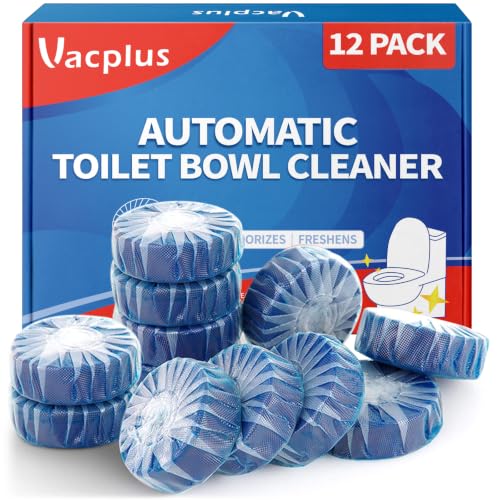
Concentrates and refill systems stretch each purchase further. In tank systems like Kaboom Scrub Free use refill pouches that clean with every flush; Kaboom says each pouch lasts up to three months, so two refills cover about six months. Tablet packs, such as Vacplus toilet bowl cleaner tablets, offer many uses in a small box.
The main advantages are low cost per clean and less plastic waste. The downsides are setup and compatibility: in tank devices must be installed correctly, and some toilet makers advise against tank tablets that may affect rubber parts, so check your toilet's manual first. Choose concentrates and refills if you want steady cleaning with minimal effort.
Everyday Cleaners
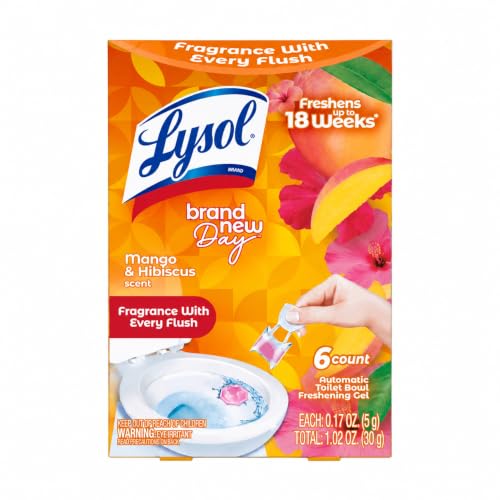
Everyday cleaners include clinging gels with angled nozzles that coat under the rim, stamp gels that stick to the bowl and release cleaner with each flush, and non bleach gels. Lysol Clinging Gel, Lysol Click Gel and Scrubbing Bubbles Fresh Gel are common examples, and many come in two packs or larger counts for routine use.
They are cheap, easy to find and simple to use: squirt, wait, brush and flush. They are less effective on years of mineral buildup and work best as part of a weekly routine. Choose everyday cleaners for routine upkeep in toilets that are already in good shape.
The angled nozzle on most clinging gels matters more than it seems. Squeeze the gel under the rim all the way around, where bacteria and mineral streaks hide, and let it slide down the sides for several minutes before brushing. A toilet brush with stiff bristles or a disposable wand system, like the Topo Bear or oshang wands, helps reach under the rim.
Heavy Duty Formulas vs Natural/Eco Friendly Options: Which Should You Choose?
Choose heavy duty formulas for tough stains and hard water rings, and natural options for routine cleaning and sensitive households. Here is how they compare on five points.
- Cleaning power: Heavy duty formulas win on rust, limescale and rings, often with less scrubbing.
- Safety at home: Natural options win, with milder ingredients and fewer fumes in small bathrooms.
- Plumbing and septic: Natural tablets and many gels are labeled septic safe; check labels for strong acids.
- Environment: Natural, plastic free products like BLUELAND reduce packaging waste.
- Cost: Everyday heavy duty gels are cheapest per bottle, while natural tablets cost more per clean.
Many households use both: a natural or everyday cleaner weekly, and a heavy duty descaler every month or two for rings.
How to Choose the Best Toilet Bowl Cleaners for Your Home
The best toilet bowl cleaners for your home match your main stain, suit your plumbing and fit your budget and routine. Use these factors to decide.
Cost per Use and Value
Compare cost per cleaning, not bottle price. Divide the price by the number of uses: a 24 ounce gel used weekly may last several weeks, a tablet pack gives a fixed number of cleans and an in tank system lasts months per refill. Multi packs and cases, such as four packs of gel, usually lower the cost per bottle.
Premium natural tablets cost more per clean but may save money if they replace several products.
A rough example helps. A two pack of 24 ounce gels at around $5 that lasts eight weekly cleanings works out to well under a dollar per clean, while a 28 count tablet pack at around $36 costs a little over a dollar per tablet. In tank systems spread their cost over months, which makes them cheap per day even though each refill costs more up front.
Ingredients and Safety
Bleach disinfects and whitens, acids dissolve minerals and plant based formulas clean more gently. If you have kids or pets, look for non bleach formulas and the EPA Safer Choice label, store products high up and keep the lid closed while cleaner sits in the bowl.
Wear gloves with strong products, and ventilate the bathroom. Never combine bleach cleaners with acids or ammonia.
If anyone in the home has asthma or chemical sensitivities, choose fragrance free or plant based formulas and clean with the door open and the fan running. Strong bleach odors in a small, closed bathroom can irritate the eyes and throat even when products are used correctly.
Surface Compatibility
Most toilets are vitreous china, which handles common cleaners well. Still, harsh acids and abrasives can dull some finishes, colored toilets or special coatings, and some makers advise against certain tank tablets. Check your toilet's care guidance, especially for high end or coated bowls.
Keep acidic cleaners off nearby natural stone floors and metal fixtures, which they can etch or tarnish.
Eco Friendly Packaging
Plastic free tablets, refill pouches and concentrates reduce waste. BLUELAND tablets ship without plastic, and in tank refills replace many bottles over time. Recyclable bottles are a good fallback if you prefer gels.
Biodegradable, septic safe formulas are a plus for homes with septic tanks.
Effectiveness on the Specific Mess
Match the cleaner to the stain. Brown or orange rings usually mean iron or hard water minerals, which need acidic cleaners or pumice. Gray or black rings may be mold or bacteria, which respond to bleach or disinfecting gels. General grime and odors respond to everyday gels.
For very old rings, combine a descaler with a pumice stick, used wet, for the best results.
Pink or orange film around the waterline is usually a common airborne bacteria that thrives in damp places. Disinfecting cleaners and more frequent cleaning keep it under control. Persistent black streaks under the rim can mean mineral deposits blocking rim holes; an acidic cleaner and a small brush or wire can clear them.
Care and Maintenance Tips
- Always read the label and try a small area first. This protects special finishes and nearby surfaces.
- Never mix bleach with ammonia or acids. Mixing can release dangerous gases; flush between products.
- Ventilate the room while cleaning. Run the fan or open a window.
- Replace or sanitize your toilet brush. Rinse it in clean water after use and let it dry.
- Clean weekly. Regular light cleaning prevents rings from forming.
Clean the outside of the toilet, the seat, the hinges and the floor around the base with a separate disinfecting spray or wipe, working from cleanest to dirtiest areas. Keep a dedicated cloth or disposable wipes for the toilet only, so germs do not spread to sinks and counters.
Frequently Asked Questions
Are natural cleaners as effective?
Natural cleaners are effective for routine cleaning and light stains, but they may need more contact time and scrubbing for heavy mineral rings or rust. Many people use natural products weekly and keep an acidic descaler or pumice stone for occasional deep cleans. Results also depend on water hardness.
Is it safe to use around kids and pets?
Toilet cleaners can be used safely around kids and pets if stored out of reach and used as directed. Keep the lid closed while cleaner sits in the bowl, flush thoroughly before pets drink from it and avoid in bowl stamps or clips if your pet drinks from the toilet. Choose non bleach, Safer Choice products when possible.
How often should I use it?
Clean the toilet bowl once a week with an everyday or natural cleaner. Use heavy duty descalers every few weeks or months as needed for rings. In tank systems work continuously, and stamp gels last about a week or more depending on flushes.
What should never be mixed together?
Never mix bleach with ammonia, vinegar or acidic toilet cleaners, since these combinations release toxic gases. Do not use an acidic cleaner right after a bleach product without flushing several times. Use one product at a time, flush between products and ventilate the room.
Wrapping Up
The best toilet bowl cleaners match your stains, your plumbing and your routine. Heavy duty acidic or bleach gels tackle tough rings, natural tablets suit eco minded and septic homes, refills and in tank systems lower cost and effort, and everyday clinging gels keep a clean toilet clean. Focus on the stain you are fighting, safe ingredients and cost per use.
For more cleaning guides, see the best shower cleaner, the best toilet bowl cleaner tablets, the best drain cleaner for toilets and the best air cleaners. Then compare current prices in the product table above.


